
Falconry, the ancient art of hunting with birds of prey, is a captivating pursuit and highly regulated. Understanding the intricate web of laws and regulations governing falconry is essential for both aspiring and seasoned practitioners.
These rules protect raptors, promote sustainable practices, and ensure the birds’ welfare. This article explores the licensing requirements, necessary resources, and vital reporting obligations that come with the privilege of practising falconry.
Understanding License Restrictions and Regulations in Falconry
Falconry is a highly regulated activity, with strict licensing requirements and regulations that vary by location. These restrictions are designed to ensure the welfare of raptors and maintain sustainable falconry practices.
License Classes: Most jurisdictions recognize multiple levels of falconry licenses, typically including Apprentice, General, and Master classes. Each class has specific requirements and limitations:
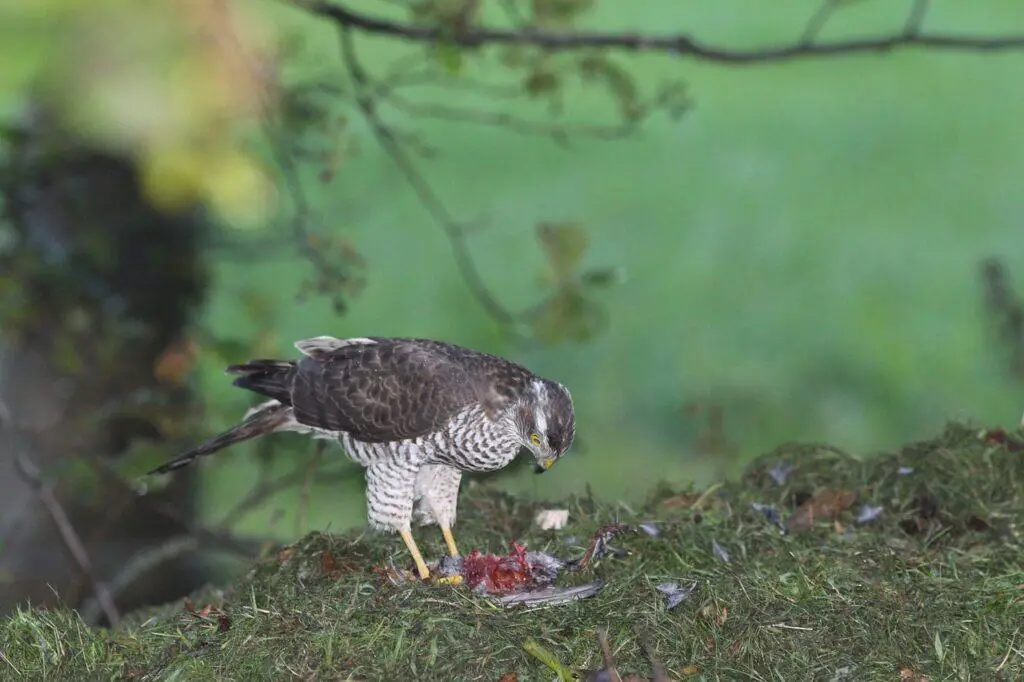
- Apprentice falconers are usually limited to possessing one bird of a specified species, must pass the falconry exam and must work under a sponsor.
- General falconers can typically possess more birds (max three raptors). They can take and possess any species of Falconiform or Strigiform, with some exceptions (e.g., golden eagle, bald eagle, white-tailed eagle, or Steller’s sea eagle)
- Master falconers have the most privileges, including the ability to possess no more than five wild raptors. They Can possess any number of captive-bred raptors but must train them for hunting. With a special Falconry Eagle Permit, master falconers may possess up to 3 eagles (golden eagles, white-tailed eagles, and/or Steller’s sea eagles), which count towards the five wild raptor limit.
Age and Experience Requirements: To become a falconer, an apprentice must be 12 years old, while general falconers typically start at 16. There are no age restrictions for master falconers, but a minimum of 5 years of experience as a general falconer is required to advance. This system enforces strict requirements for each license class and mandates experience periods before progression.
Facility Requirements: Falconers must maintain appropriate housing facilities for their birds, which are subject to inspection.
Reporting and Documentation: Falconers are usually required to keep or submit detailed records of their birds, including acquisition, care, and hunting activities.
Hunting Regulations: Falconers must adhere to specific hunting seasons and bag limits, which may differ from those for other forms of hunting.
Bird Acquisition: Strict rules govern how falconers can obtain birds, including limitations on taking birds from the wild and requirements for banding captive-bred birds.
Step-by-Step Guide to Obtaining a Falconry License
- Contact your state/provincial wildlife department for falconry information and a list of licensed falconers.
- If available, contact local or state falconry organizations. These groups can provide valuable resources and networking opportunities.
- Study the materials provided by your state wildlife officials thoroughly.
- Evaluate your ability to commit time, energy, space, and resources to falconry:
- Time: Daily care, training, and hunting can take several hours each day.
- Energy: Falconry is physically demanding and involves outdoor activities in various weather conditions.
- Space: You’ll need adequate room for housing facilities and equipment storage.
- Resources: Consider the financial investment for equipment, food, veterinary care, and licensing fees.
- The study recommended books and state/federal falconry regulations:
- Key topics include raptor biology, care, training techniques, and legal requirements.
- Focus on both state-specific and federal regulations governing falconry.
- Connect with a licensed falconer and arrange a meeting to discuss falconry:
- Prepare thoughtful questions to demonstrate your commitment.
- If possible, observe or participate in a hunting session with them.
- Attend a state/provincial falconry organization meeting (when invited)
- Find a sponsor (General or Master class falconer) for your apprenticeship:
- This relationship typically lasts at least two years.
- Some sponsors may require you to hunt with them for up to a year before agreeing to sponsorship.
- Meet age requirements (minimum 12 years old in the US, may vary by state).
- Complete a hunter safety education course, if required by your state.
- Schedule and pass the written falconry examination with a score of 80% or higher:
- The exam covers raptor biology, health care, laws, and falconry practices.
- Thorough preparation is crucial for success.
- Construct housing facilities for your bird under your sponsor’s guidance:
- Facilities must meet or exceed legal requirements for size, security, and safety.
- Consider factors like protection from predators and extreme weather.
- Have your facilities inspected and approved by state wildlife officials.
- Acquire all necessary falconry equipment before the inspection:
- This may include items like gloves, jesses, leashes, perches, and telemetry equipment.
- Ensure all equipment meets regulatory standards.
- Submit applications and fees for falconry permits and licenses.
- Receive all required permits and licenses before acquiring your first bird.
- Prepare for the arrival of your first bird:
- Stock appropriate food supplies.
- Set up all necessary equipment.
- Ensure your schedule accommodates daily care and training.
- Be ready to embrace the falconry lifestyle and the commitment it entails:
- Understand that falconry will significantly impact your daily routine and lifestyle.
- Be prepared for the long-term commitment to your bird’s welfare and training.
Resources
Falconry Permit Application Requirements
Falconry Permit Application Form
Care, Facilities and Inspection
Reporting Requirements for Falconers
As falconers, we are obligated to adhere to specific reporting requirements that play a crucial role in regulating and monitoring our falconry activities. These reporting requirements are essential for ensuring falconry’s sustainability and ethical practice.
One of the key reporting obligations for falconers is the submission of an annual report to the relevant wildlife authorities. This report typically includes detailed information about the falconer’s activities throughout the year, such as the number of birds kept, species flown, hunting success rates, and any transfers or acquisitions of birds.
Additionally, falconers are often required to report specific details about the red-tailed hawk, a commonly used bird in falconry. This information may include the bird’s health status, hunting performance, and any changes in ownership. By diligently fulfilling these reporting requirements, falconers contribute to the overall conservation efforts and help ensure the responsible and sustainable practice of falconry.
To conclude, navigating the laws and regulations of falconry may seem daunting, but they are crucial for fostering responsible practices and the welfare of raptors. By adhering to the requirements outlined in this guide—from obtaining the appropriate licenses to fulfilling reporting obligations—falconers can contribute to conserving these magnificent birds and ensure the sustainability of this age-old tradition.
Ready to take the plunge into the world of falconry? Whether you’re just starting to explore or looking to deepen your understanding, we have the resources you need! Dive into our comprehensive guides, connect with local falconry organizations, and prepare for a fulfilling journey that respects both the birds and the tradition.