
Falconry is an ancient and highly respected practice that blends tradition, skill, and deep respect for nature. However, this intricate sport is not without its legal and ethical responsibilities. Falconers must adhere to a set of rigorous standards, ensuring that their activities align with wildlife conservation efforts and regulatory frameworks.
In this article, we explore the legal and ethical dimensions of falconry, shedding light on the crucial role that laws and ethical considerations play in maintaining the integrity of the sport.
Understanding falconry involves recognizing the balance between human activity and the natural environment. Falconers are entrusted with the care of these magnificent birds and with the responsibility of preserving the ecosystems in which wild birds hunt.
By complying with laws and upholding ethical practices, falconers demonstrate a commitment to wildlife conservation, ensuring the continued survival of raptor populations while maintaining the noble traditions of the sport.
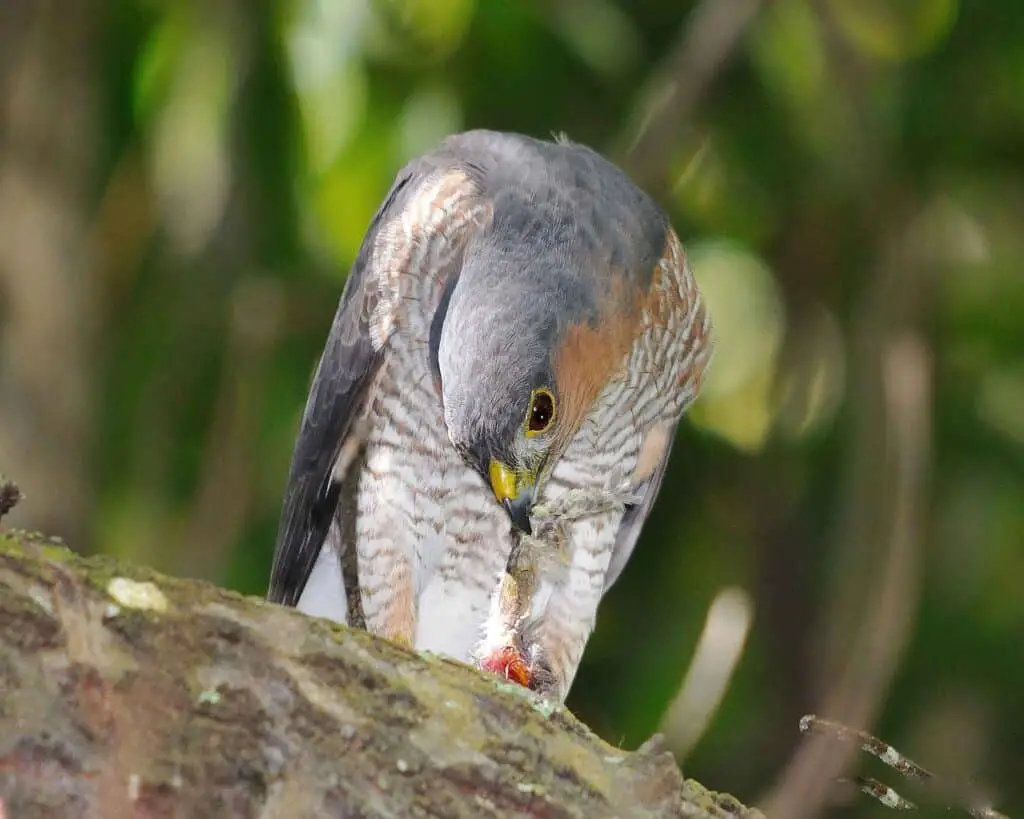
Falconer’s Use of Raptors
Falconry, one of the oldest forms of hunting, is the practice of taking wild quarry in its natural state with a trained raptor. This unique sport requires an intricate bond between humans and birds, demanding immense care, dedication, and respect for the raptor and its natural environment.
Falcons, hawks, and other birds of prey, known as raptors, are not kept as pets, domestic animals or for display purposes in falconry. Instead, they are partners in the sportsmanlike hunt of wild quarry, and their welfare is of paramount importance.
The Ethics of Falconry and Conservation
One of the key aspects of falconry is its ethical foundation in wildlife management and conservation. Falconers have an obligation to ensure that their practices do not negatively impact local, regional, or global raptor populations. Falconers are stewards of a natural resource, and their responsibility extends beyond their own enjoyment of the sport. Their actions are guided by principles that seek to preserve the health of wild raptor populations and their ecosystems.
This ethical responsibility is reflected in the way falconers manage raptor nests. A wild bird’s nest is not disturbed unnecessarily; every effort is made to minimize human impact on these habitats. This includes removing traces of human contact, such as using mothballs to deter predators or scavengers from nests. Additionally, when taking young raptors (eyasses) from the wild for training, falconers must leave at least one eyas in the nest to support the species’ natural population.
Acquiring and Caring for Raptors
Falconers are highly selective about the birds they acquire, focusing on young wild birds (eyasses) or passage birds, which are juvenile birds that have left the nest but are not yet adults. Captive-bred raptors are also a common option for falconers, but the focus is always on ensuring the bird’s ability to thrive in the wild or in hunting activities. This selective approach ensures that falconry does not negatively affect wild adult raptors, which play a crucial role in the breeding stock and survival of the species.
Falconers are deeply committed to the care and well-being of the birds they train. The physical and psychological welfare of a raptor is of the greatest importance, and falconers only keep as many birds as they can care for properly and hunt effectively. This level of care includes regular health check-ups, proper nutrition, protection from inclement weather, and ensuring the bird is in optimal condition for both training and hunting.
Should a bird become ill or injured, falconers are expected to seek medical help from a competent veterinarian or other experts in avian care. The relationship between falconer and raptor is one of mutual respect and responsibility, and every effort is made to ensure the bird’s welfare throughout its life.
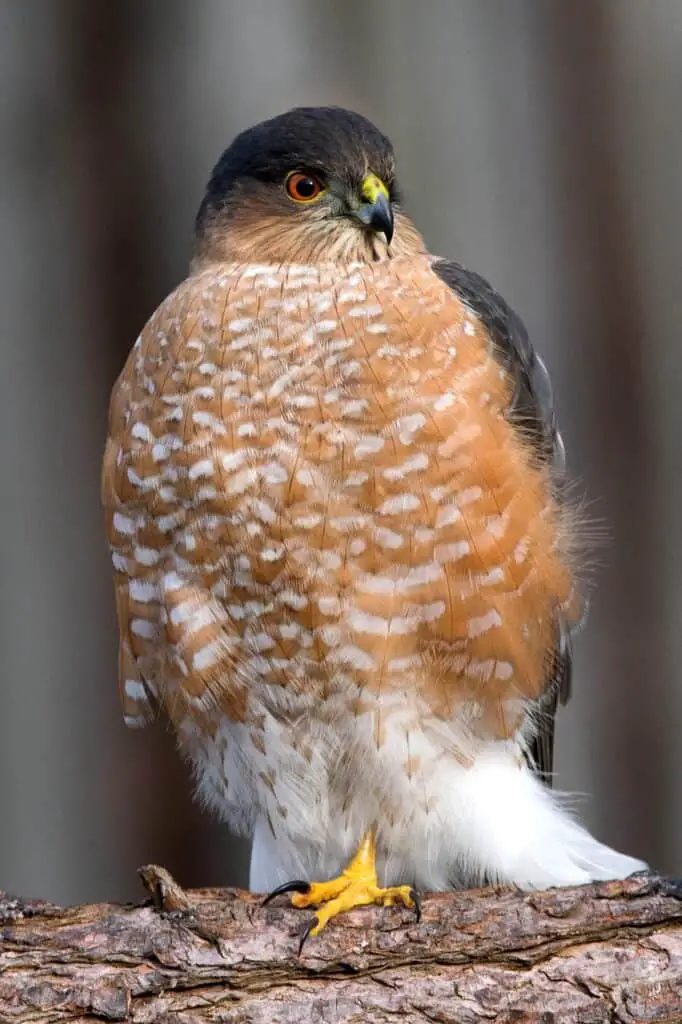
Wildlife Management and the Future of Falconry
The future of falconry hinges on the continued survival of wild raptor populations. As such, falconers are expected to abide by sound wildlife management principles. This includes minimizing the risks that raptors face in modern environments, such as electrocution from power lines, carbon monoxide poisoning from engine exhaust, and injuries resulting from prey or collisions.
Falconers also take responsibility for recovering lost birds, particularly imprinted eyasses that may struggle to survive if they become separated from their handlers. Unwanted birds are not abandoned but are passed on to fellow falconers or released in a manner that ensures their survival in the wild.
Falconers understand that they play a role in conserving not only the birds they train but also the broader ecosystems in which these raptors live. Their actions are guided by a deep respect for nature and the knowledge that their sport depends on the continued health of wild bird populations.
Legal Obligations of Falconers
Falconry is a highly regulated practice governed by state, federal, and international laws. Falconers must adhere strictly to these legal frameworks to ensure the sport remains ethical, sustainable, and respectful of both raptors and the environment. A falconer’s deep understanding of the law not only protects their birds but also preserves the sport’s honoured traditions.
Understanding and Following the Law
Falconers are expected to be well-versed in the legalities surrounding their activities. These include laws on acquiring, housing, and hunting with raptors, as well as regulations that govern the treatment and care of the birds. Both wild-caught and captive-bred birds are subject to strict legal guidelines.
In the U.S., falconry regulations are enforced through federal permits, often overseen by the U.S. Fish and Wildlife Service, along with additional state-level permits. Violating these laws can result in severe penalties, including fines, loss of permits, and even jail time.
Avoiding Illegal Trafficking and Commercialization
One of the most significant legal and ethical obligations of falconers is to avoid any involvement in the illegal trafficking or commercialization of birds of prey. Trafficking, whether it involves wild-caught or captive-bred raptors, poses a direct threat to wild populations and undermines the credibility and integrity of the falconry community.
Falconers should have no part in such activities, as they lead to exploitation of raptors, damage to the sport’s reputation, and long-term harm to conservation efforts.
If a falconer becomes aware of illegal activities related to trafficking or other forms of exploitation, it is their responsibility to report such activities to the proper authorities. By actively policing our community, falconers help ensure that our sport remains ethical and sustainable.
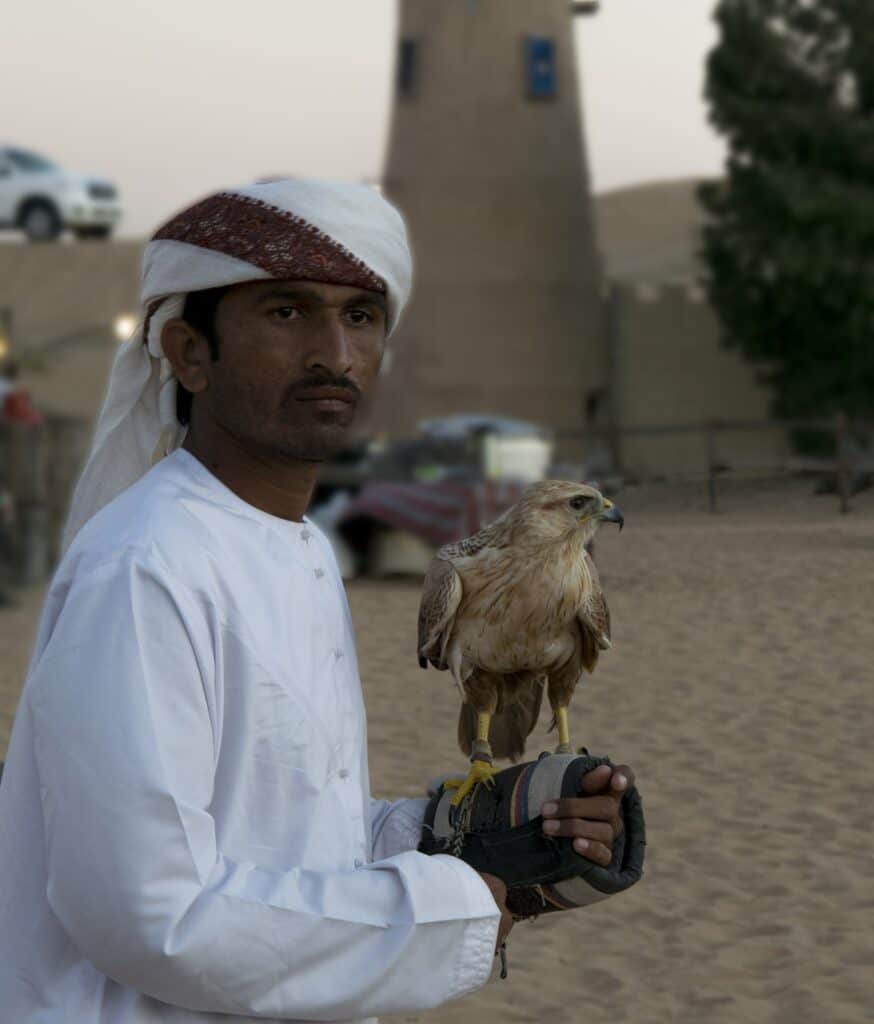
Ethics and Legal Compliance
While adhering to the law is essential, ethical considerations often go beyond legal requirements. Just because an activity is legal does not mean it is always ethical or biologically sound. Falconers are encouraged to act with the highest level of integrity in all their interactions, putting the well-being of their birds, fellow falconers, and the environment above all else. For example, in North America, the (NAFA) has by-laws and policies that members must follow to ensure high standards of conduct.
Follow these steps to abide by the laws.
- Obtain a Valid Falconry License: Before practising falconry, obtaining a valid falconry license is essential. This license demonstrates that you have undergone the necessary training and passed the falconry exam.
- Secure a Hunting License: In addition to a falconry license, falconers must also possess a valid hunting license to legally participate in hunting activities with their birds of prey.
- Submit Migratory Bird Acquisition/Disposition Reports: Falconers are required to submit accurate reports detailing the acquisition and disposition of migratory birds. This helps monitor the population and ensure sustainable practices.
- Comply with Local Regulations: To operate ethically within the legal framework, licensed falconers must stay informed about and comply with all local regulations related to falconry, hunting, and bird conservation.
The Ethics of Falconry
Raptor Care and Maintenance
The North American Falconers Association (NAFA) advocates for responsible raptor ownership among falconers. It encourages practitioners to maintain only the number and species of birds they can regularly fly for hunting purposes within legal limits. NAFA emphasizes that falconers should go beyond minimum regulatory standards, providing optimal equipment, housing, clean water and care tailored to each bird’s specific needs.
NAFA strongly urges falconers to take all possible precautions to prevent the loss of their birds and to make every effort to recover any that may become lost. The organization also stresses the importance of providing thorough medical care for sick raptors.
Furthermore, NAFA recommends that when a falconer no longer wishes to keep a bird, they should ensure it is transferred to another qualified falconer who can continue to fly it for hunting. Alternatively, if appropriate, the bird should be released back into the wild, but only if it has retained its ability to survive independently in its natural habitat.
Adherence to Falconry Laws and Regulations
Falconers have both a legal and ethical responsibility to follow the laws and regulations of their own country and any foreign country when it comes to capturing, importing, or exporting raptors. This also applies to hunting quarries and accessing land for falconry activities. Compliance with these rules is essential to ensure responsible and sustainable falconry practices.
Resources:
International association for falconry and conservation of birds of prey
Falconry standards and falconry permitting

Conservation Efforts for Raptors
Falconers recognize that the health and sustainability of wild raptor populations are crucial for the continued practice of falconry. As such, it is advised that falconers actively support the welfare and survival of these populations in their natural habitats, aligning with established conservation principles.
Best practices discourage the capture of adult wild raptors (known as haggards) from breeding populations, except in rare circumstances, such as when birds would otherwise be destroyed due to conflicts with human activities. When taking young raptors (eyasses) from nests, leaving at least one young bird in the nest is recommended unless exceptional situations warrant otherwise.
The falconry community generally opposes commercial trade in wild-caught North American raptors, regardless of ownership status. It is considered unethical for individuals to profit from the sale of wild-taken birds or to establish businesses centred around selling any species of raptors.
These guidelines aim to ensure that falconry remains a sustainable and conservation-minded practice, balancing the needs of practitioners with the preservation of wild raptor populations.
Principles of Fair Chase
Falconry is a partnership between humans and birds of prey that mirrors nature’s hunting dynamics. Initially, this practice served as a means of procuring food for falconers. At its core, falconry allows raptors to engage in their natural hunting behaviours while collaborating with human partners.
The Concept of Fair Chase:
The fundamental principle of falconry is rooted in the concept of fair chase. This means that when a wild raptor pursues its quarry, neither the hunter nor the hunted has an unfair advantage. This balance reflects the natural order and is considered the purest form of falconry.
Modern Falconry Practices:
In contemporary falconry, it is widely advised to maintain this natural balance. The best practice is to avoid unfair advantages and ensure that the prey always has a reasonable chance of escaping. This approach to fair chase is regarded as a noble pursuit within the falconry community.
Ethical Considerations:
Adhering to these principles of fair chase allows falconry to be practised ethically. When falconers follow this practice of falconry, the sport cannot be accused of cruelty or inhumane treatment of the quarry. This emphasis on natural hunting behaviours and fair pursuit helps maintain the integrity and tradition of falconry.
Sponsorship and Support
The future of falconry depends on the dedication of experienced falconers who mentor newcomers to the sport. Sponsoring an apprentice falconer is a significant responsibility that requires a high level of commitment and personal investment.
Responsibilities of a Falconry Sponsor
Sponsoring apprentice falconers should not be taken lightly, as it involves much more than simply signing a form. A sponsor’s duties extend to the apprentice, their bird, and the broader falconry community.
Key Qualities of a Sponsor:
Best practices suggest that an apprentice falconers sponsor should:
- Be scrupulously legal in their practices.
- Maintain uncompromising ethical standards.
- Remain continually available to the apprentice, especially during hunting season.
Competence and Involvement:
The ideal sponsor is a highly skilled falconer who:
- Hunts regularly
- Stays informed about the apprentice’s activities.
- Monitors the condition of the apprentice’s bird closely
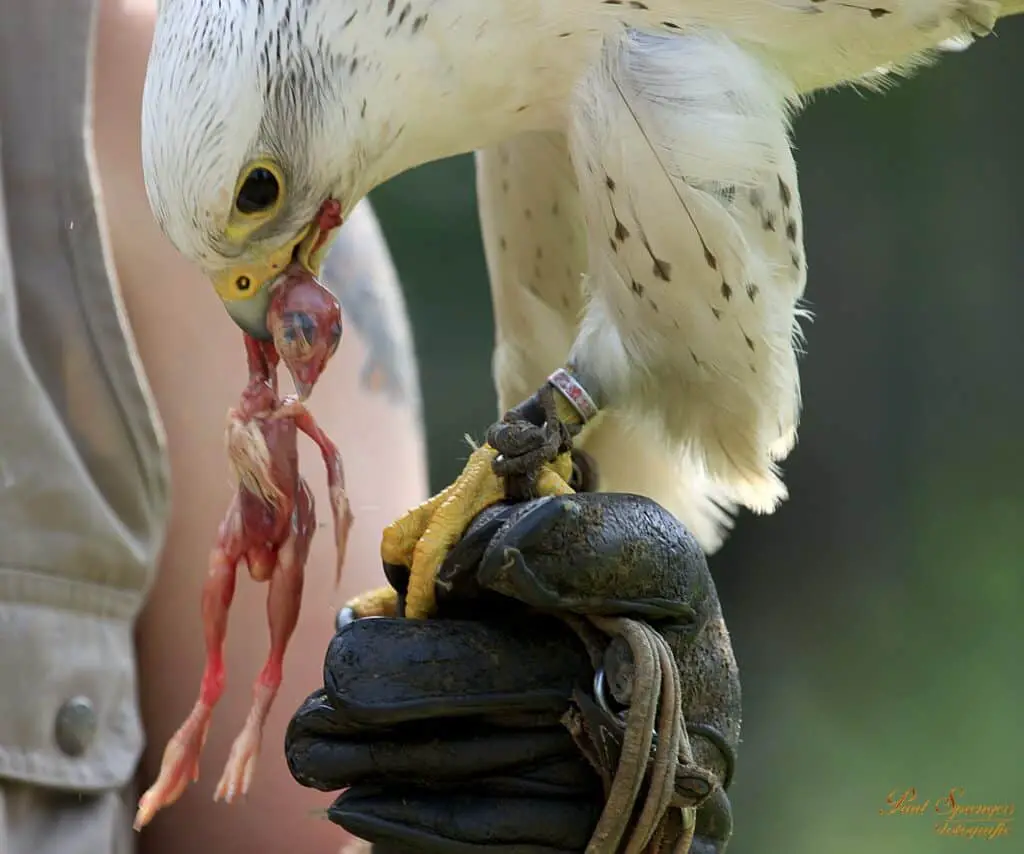
Impact on the Sport:
The future of falconry relies heavily on the quality of mentorship provided by sponsors. Their role is crucial in shaping the next generation of apprentice falconers and ensuring the continuation of this ancient art. By adhering to these guidelines, sponsors can help maintain the integrity of falconry and contribute to its preservation as a respected and ethical practice.
Use of Exotic Raptors
Based on scientific research and historical data, the use of non-native and hybrid raptors within the practice of falconry in North America is considered acceptable. While there’s no evidence of these birds threatening local bird populations, it’s advised against intentionally releasing them into the wild. The best practice is to treat exotic raptors the same as native species in falconry despite their different legal status.
Captive Breeding Practices
Captive breeding is recognized as a crucial source of birds for falconry and wildlife restoration. It’s considered best practice to support the commercial sale of captive-bred offspring to properly licensed falconers and qualified buyers. This approach encourages the production of captive-bred birds, ensuring their availability for both falconry and potential release into the wild when needed.
Public Awareness and Promotion
Falconers are advised to be cautious about publicity. When considering public presentations, it’s best to seek expert guidance. The recommended approach is to either deliver high-quality presentations or avoid publicity altogether. Discretion, moderation, and common sense are crucial in maintaining a positive image of the sport.
It’s recommended to avoid actively recruiting new falconers. Falconry is a demanding pursuit, and the decision to become an apprentice should be made carefully. When approached by potential newcomers, falconers should focus on providing a realistic understanding of the sport’s nature and requirements rather than being overly encouraging.
Private ownership
While supporting private ownership rights of captive-bred falconry raptors, it’s widely recognized that the birds’ well-being takes precedence over falconers’ rights. Responsible falconers prioritize their birds’ welfare above personal interests.
The current practice of allowing only properly licensed individuals to possess raptors for any purpose is considered the best approach to ensure proper care and management of these birds.
Trapping in Falconry
Trapping in falconry refers to the careful and humane process of capturing a bird of prey for training and hunting purposes. This practice is heavily regulated to ensure the well-being of the birds and the conservation of their populations in the wild. Falconers use various methods and tools, such as bow nets, bal-chatri traps, or dho-gaza nets, each designed to minimize stress and harm to the bird.
Trapping requires patience, skill, and a deep understanding of the species being targeted. Ethical falconers prioritize the bird’s safety and comply with legal guidelines at all times. While this overview provides a brief insight, detailed techniques and considerations will be explored in a dedicated article on the subject.
Conclusion
Understanding falconry involves legal obligations and ethical standards that govern the practice. By upholding these guidelines, falconers ensure the well-being of raptors, promote conservation efforts and contribute to the sustainability of the sport.
It is crucial for falconers to continue educating themselves on the laws, regulations, and ethical considerations surrounding falconry to maintain the integrity and welfare of these magnificent birds.

Want to ensure you’re practising falconry responsibly and within the law? Dive deeper into the legal and ethical standards that protect both raptors and the environment. Explore more of our in-depth guides and resources to help you stay informed and uphold the rich traditions of falconry. Stay ahead—click here to learn more!
Ethical Considerations for Falconry: Is It Cruel?
Understanding Falconry: A Guide to Legal and Ethical Standards
Frequently Asked Questions
What is the controversy with falconry?
- The controversy surrounding falconry primarily revolves around animal welfare concerns, habitat conservation, and the ethical implications of hunting with trained birds. Critics argue that capturing and training birds may harm their natural instincts, while advocates emphasize responsible practices that promote species conservation and ecological balance. Balancing these perspectives remains a key issue.
Is falconry legal in the U.S.?
- Yes, falconry is legal in the U.S., but both federal and state laws regulate it. Individuals must obtain specific permits, and regulations vary by state regarding the capture, training, and use of birds of prey.
What is the disadvantage of falconry?
- Falconry, while a rewarding practice, has its disadvantages. It requires significant time, financial investment, and commitment to training both the falcon and the handler. Additionally, the ethical treatment of birds is paramount; improper care can lead to health issues and undesirable behaviour. Regulatory compliance is also necessary to ensure the sustainability and conservation of wildlife.
Why is falconry illegal in Hawaii?
- Falconry is illegal in Hawaii due to concerns about ecological balance and the protection of native bird species. The introduction of non-native birds of prey poses a threat to Hawaii’s vulnerable avian population, which has evolved in isolation. To safeguard these native species, strict regulations prohibit falconry practices on the islands.