
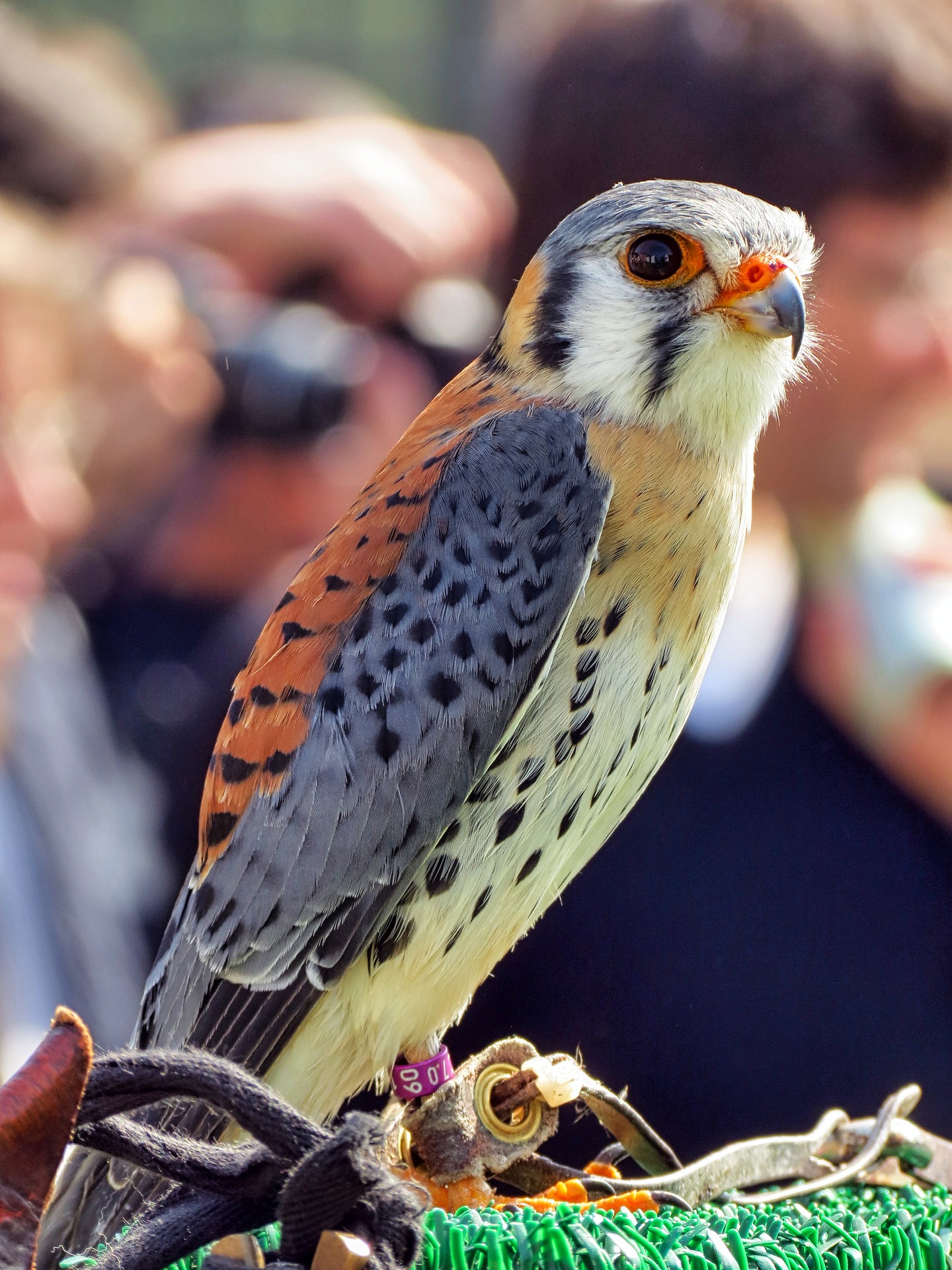
Merlins are a subject of much debate when it comes to whether they are hard to train. Some people say they are incredibly difficult to tame, while others claim they are very easy to work with. So, which is it? Are Merlins hard to train, or are they simple creatures that can be taught basic commands without too much trouble?
Merlins are relatively easy birds to train, but they require more patience and dedication than other birds. It is important to remember that Merlins are intelligent creatures, so you must put in the time and effort to train them properly. The key is establishing a calm and consistent environment and providing positive reinforcement when they do something correctly.
Training a merlin can be an easy task if done right and diligently, so this article will explore the pros and cons of training these birds and let you decide for yourself if they are indeed simple to train or do they require that little bit extra!

Can I domesticate a Merlin?
While Merlins are not commonly kept as pets, there have been instances of people successfully domesticating them. The most important factor in domesticating a Merlin is finding one that has already been imprinted on humans. Imprinting is a process by which young animals learn to recognize and respond to their parents or other caretakers. If a young Merlin imprints on a human, it will form a strong bond with that person and be much more likely to accept them as part of its family. Once a Merlin imprint on a human, regular contact is essential for maintaining the bond. Without regular contact, the Merlin will eventually lose its connection to the person and become wild again. So, while it is possible to domesticate a Merlin, it requires patience, dedication, and a bit of luck.
Would Merlins be suitable for beginners?
If you’re considering getting a raptor, you might wonder if Merlins are suitable for beginners. The answer is that it depends. Merlins are intelligent birds which can be very affectionate with their owners. However, they also require a lot of attention and interaction. If you need to prepare to give them the time and attention they need, then a Merlin might be a better bird for you. However, suppose you’re willing to treat them well and provide them with the love they deserve. In that case, a Merlin could make a wonderful companion.
Merlins are intelligent beasts, but can they be trained to hunt for humans?
Merlins are beautiful creatures with sleek feathers and piercing eyes. Unfortunately, they are also notoriously difficult to train, which has led many to question whether they can be trained to hunt for humans. The answer, it turns out, is yes – but only under the right conditions. First of all, the Merlin must be raised in captivity from a young age. This allows trainers to establish a bond of trust and respect. Secondly, the Merlin must be motivated to hunt, such as food or toys. Finally, the trainer must have the patience to work with the merlin day after day, slowly teaching it the skills it needs to be a successful hunter. With time and patience, any merlin can be trained to hunt for humans – making them one of the most feared predators in the world. Have a look at what you could hunt with a merlin.
Does working with Merlins present any challenges for trainers?
While many birds of prey can be trained to perform tricks or tasks, Merlins are often considered among the most difficult. This is because they are notoriously independent and stubborn and require a great deal of patience and understanding to work with. In addition, their wild nature means that they are often resistant to being domesticated. As a result, trainers must be willing to put in the extra time and effort required to build a strong rapport with their Merlins. However, those who are up to the challenge will find that working with these creatures can be an incredibly rewarding experience.
When it comes to Merlins, is it better to buy one already trained or train one from birth?
When it comes to choosing a pet Merlin, there are two main options: buying an already trained bird or raising one from birth. Both have their pros and cons. Buying a trained Merlin has the advantage of being less time-consuming and requiring less patience. It can be easier to find a well-trained bird since many professional trainers specialize in this type of animal. However, trained Merlins can be more expensive, and finding one that perfectly matches your lifestyle and personality may not be easy. On the other hand, training a Merlin from birth requires more time and effort, but it can be very rewarding. You will have complete control over the bird’s training, and you can bond with your pet in a special way. Whether you buy a trained bird or raise one from birth, the most important thing is to research and pick the best option.

In order for Merlins to fly freely, what kind of training process is required
Training a Merlin to fly in falconry is a lengthy process that requires patience and expertise. The speed of a merlin plays and important role in hunting with these birds. First, the bird must be taught to perch on the glove of the falconer. This can be done through positive reinforcement, such as offering the bird a treat when it perches correctly. Once the bird is comfortable perching, it will need to learn to take off from the glove. This is usually accomplished by attaching a line to the bird’s leg and teaching it to launch when given the command. Once the bird has mastered taking off from the glove, it can begin to learn basic hunting techniques. The falconer will start by teaching the bird to soar and then progress to more advanced skills such as stooping or dive-bombing prey. The training process can take anywhere from several months to a year, depending on the individual bird’s progress.
If you’re considering getting a Merlin, be prepared to put in the work. They are very intelligent birds and can be taught a wide variety of tricks, but they require patience and consistency from their trainers. With a little bit of effort, however, you’ll have a feathered friend who will provide hours of entertainment.