
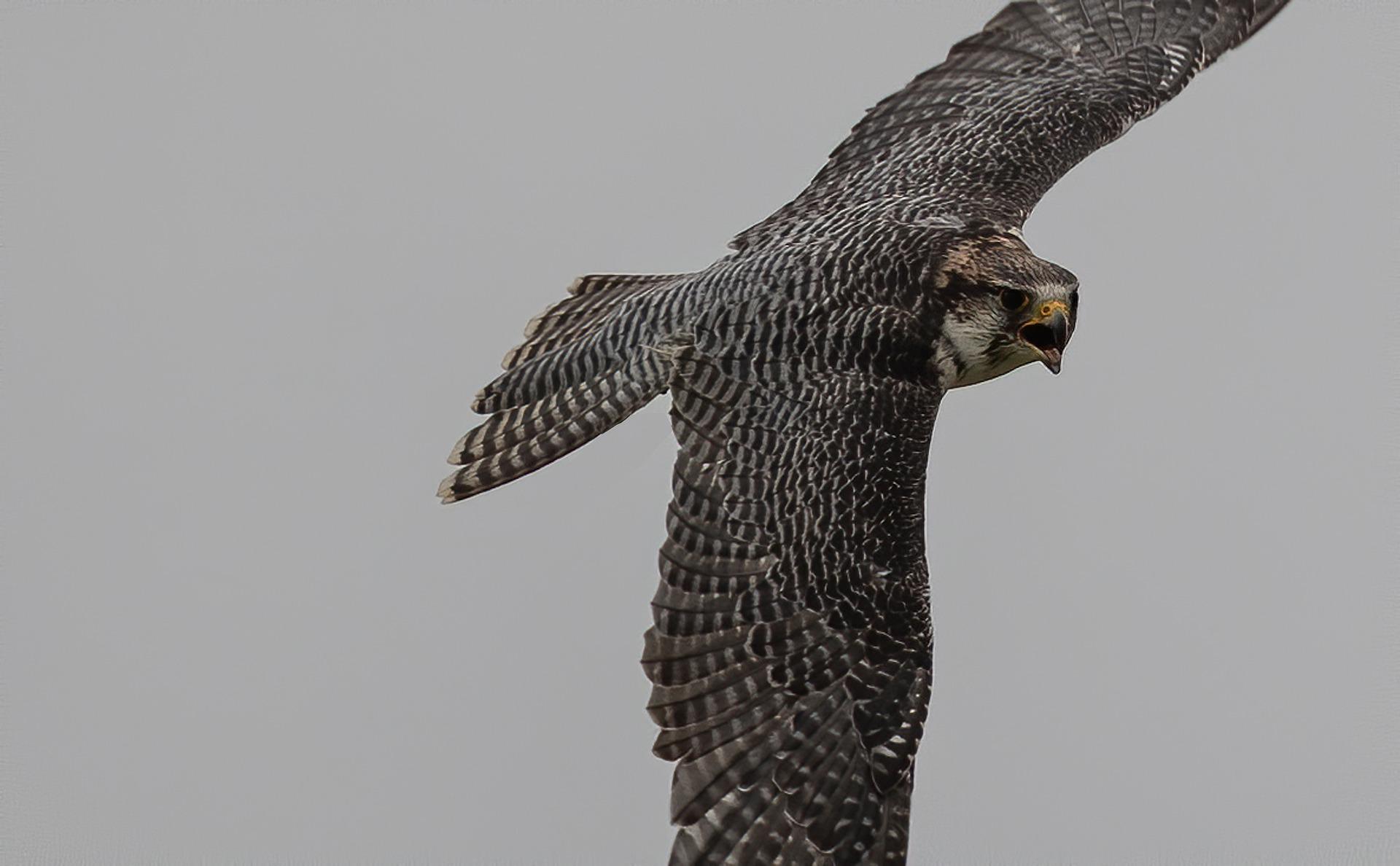
Did you know that the peregrine falcon is the most fast-moving animal on earth? This bird can fly up to 240 miles per hour! Peregrine falcons can be spotted all over the world, and they are known for their amazing hunting skills. But how high can these majestic birds fly?
A peregrine falcon can reach an Altitude of Around 3500 feet (1066 meters). They typically fly at about 35-65 mph but can reach speeds of up to 240 mph. When they aren’t chasing down prey or migrating, Peregrine falcons will commonly soar at 500-1000 feet (152-305 meters).
Peregrine falcons are known for their ariel abilities. While we may only be able to cover some things about their ariel displays, the following content will discuss the altitude from which they can fly and hunt. We also have a post that discusses the speed of a peregrine falcon.
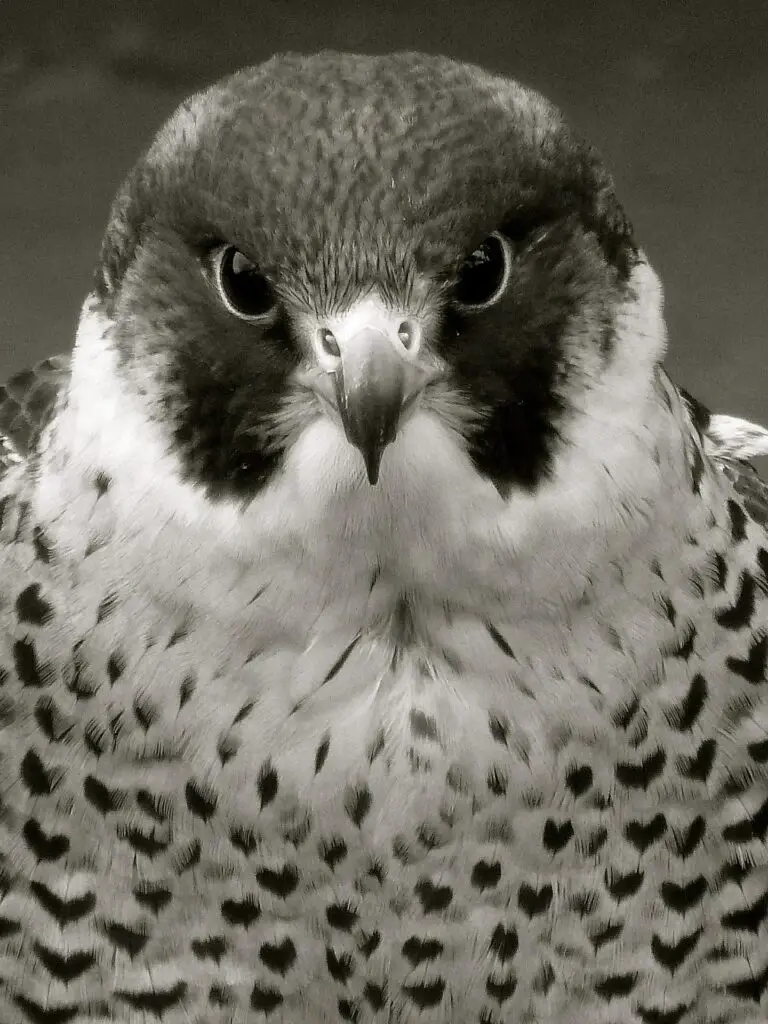
What altitude can a peregrine falcon reach, and how does this affect their speed
The peregrine falcon is arguably the fastest bird in the world, with the capability of reaching speeds of up to 240 mph. What makes such speed possible is the altitude at which these birds can fly; they can reach altitudes of 3,500 feet when they are hunting or migrating. These altitudes allow them to take advantage of increased wind speed when they start their dive and thus reduce air resistance. This extra speed gives them an edge when chasing down their prey since they can move faster than most other predators within their range. In addition, by taking advantage of the currents and winds at higher altitudes, they are also able to conserve more energy while travelling long distances during migration. Finally, the ability to soar so high also provides protection from potential predators who cannot reach such heights or keep up with these birds’ speeds. All in all, the peregrine falcon’s amazing altitude capabilities largely contribute to its enviable reputation as one of nature’s most adept flyers.
What distance can peregrine falcons hunt
Peregrine falcons are incredibly powerful predators and can hunt prey from a very long distance. Unlike most birds of prey, peregrines dive-bomb their prey before delivering a powerful punch with their wings, talons, and beaks. The peregrine falcon boasts a mighty punch that we have written an article about to educate you on the strength of these birds when they dive-bomb their prey. This skill allows them to dive up to 240 miles per hour and capture unsuspecting prey over vast distances. In fact, peregrine falcons can hunt smaller birds from as far away as 2 miles so long as they remain vigilant for the optimal dive angle and spot. Even so, when hunting larger prey such as cranes or waterfowl, their dive bombing technique usually only works within one-and-a-half miles of their target. Their remarkable skills truly make these birds some of the most skilled hunters in the avian kingdom.
How fast is a peregrine falcon
The peregrine falcon is easily among the fastest animals on the planet. It can reach speeds of up to 240 mph (386km/h) when it dives out of the sky to ambush its prey – making it lethal when hunting. The co-adaptations of their physique help them generate and maintain this speed; they have shorter, broader wings with more surface area that allows them to build more kinetic energy during mid-air dives, and their tail is serrated, which helps them swerve fluidly through the air. Their streamlined body shape cuts through wind resistance. In addition, their powerful gluteal muscles help them propel themselves forward with each flap of their wings. All this combined will ensure that when a peregrine falcon strikes their prey, there isn’t a chance for survival.
How does a peregrine falcon hunt its prey?
The peregrine falcon is one of the most efficient predators in nature. These skilful birds soar through the sky, dive-bombing and swooping at potential prey before snatching them up with their sharp talons. They often dive bombs from great heights, sometimes reaching speeds up to 240 miles per hour (386 kilometres per hour), making it impossible for many animals to escape their grasp. Once they catch their prey in their strike, they use their feet or beak to stun the animal further and secure it in their grip. Thanks to this incredible hunting prowess, peregrine falcons are able to thrive in some of the harshest environments while still rarely going hungry.
How can I train my peregrine falcon to hunt at altitude?
Training a peregrine falcon to hunt at altitude doesn’t have to be intimidating. The first and most important step is to make sure your bird has the basic skills it needs for flight and free-flying. After that, kites are an excellent tool; kites on long tethers can be used to gradually get your bird used to flying lower and further away from you with each successive attempt. Lures can also be utilized; attaching streamers or other materials to kites or large balloons attached to the ground can provide larger targets for the bird to focus on and hone its hunting precision. Accessories like drones hovering overhead can also add extra interest and variety when hunting. With dedication and patience, using these tools, you’ll soon find that your peregrine falcon is equipped to take wing confidently in any environment–even great heights!
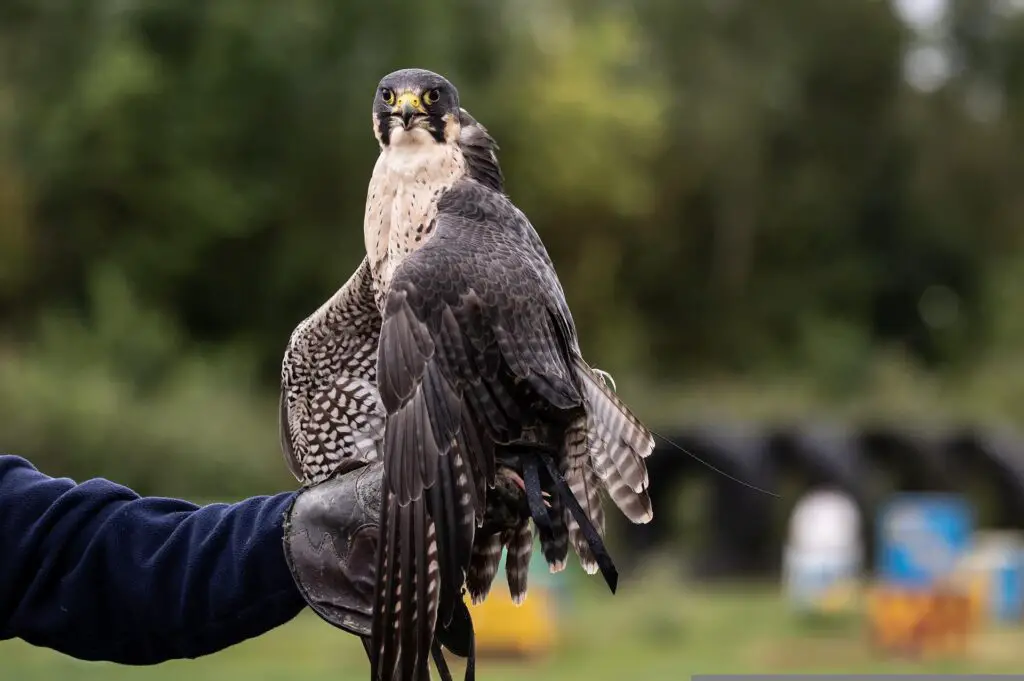
Are younger peregrines able to fly higher and faster?
Peregrine falcons are some of the most talented avians in flying. Known for their impressive speeds and being able to soar at great heights, peregrines flick and roll in complex yet graceful manoeuvres. While older peregrines have a lifetime of experiences that younger ones don’t, scientists believe that younger birds can soar faster than their more seasoned relatives because younger birds have less muscle mass. Not only that, but because younger birds are also lighter in weight, they can stretch out further on thermals, rising higher than their elders every time. So the agility of youth really is a major factor when it comes to performance in peregrine flight!
By understanding how high a peregrine falcon can fly, bird enthusiasts will be able to better appreciate these magnificent creatures when they see them in the wild. Peregrine falcons are an important part of the ecosystem, and their role in keeping populations of other birds in check should not be underestimated, thehe next time you see a peregrine falcon flying high overhead, take a moment to appreciate the natural wonder that is taking place right before your eyes.