
Falconry has been a beloved pastime for centuries – using birds of prey to hunt wild animals. While some may think that any bird of prey can be used for falconry, certain species and breeds are better suited than others. Hawks, for example, are great additions to the aviary or mew, but which one is the best for falconry and why?
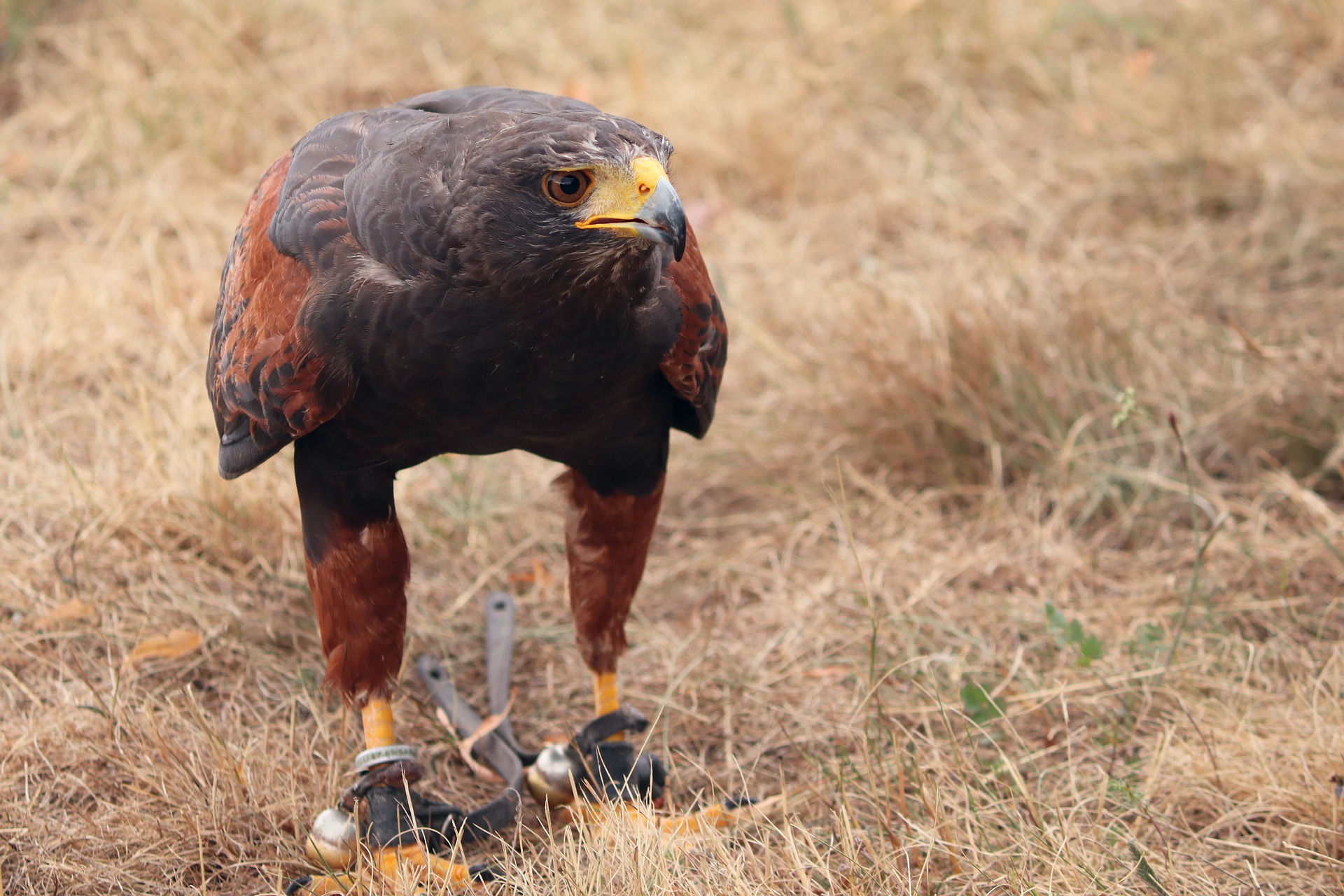
Harris hawks, Redtail hawks, and the Goshawk are the best hawks for falconry because of their innate ability to work together with humans. In addition, Harris hawks are among the most intelligent raptors. Redtails have a reputation for being bold and fearless hunters, willing to take on large prey, while a Goshawk and their cooperative hunting skills make them ideal for falconry.
From my experience with these birds, I found that the harris hawk is by far one the best, but I have still covered points on the other hawks frequently used in falconry, so read on to find out more. I have done a post about the personality of the harris hawk that might give you some inside on these birds.

Why are hawks a good choice for falconry
Hawks are an ideal choice for falconry due to their outstanding characteristics in the air. With their strong vision, hawks can easily identify their prey from high up in the sky and swoop down to capture it. In addition, they have a powerful grip, so they can carry larger prey than most other birds of prey. They also have great agility and speed, allowing them to make sharp turns as needed during a flight. In addition, hawks are generally very fearless animals and are not intimidated by large crowds or loud noises. This makes them ideal for use in hunting demonstrations or other forms of public entertainment featuring raptors. Finally, the hawk’s long-lasting energy provides plenty of time for those practising falconry to learn and observe different techniques used by these majestic birds of prey.
Different types of hawks are used in falconry.
Everyone is familiar with the great raptor family known as hawks. These birds of prey are often seen circling high above local parks and even residential areas, captivating the attention of onlookers. In the sport of falconry, different types of hawks can be used depending on the purpose and experience level of the individual. Some popular choices include redtail hawks, Harris hawks, and Goshawks.
Red tail hawks
Because of their intelligence and ease to training, redtail hawks are a great choice for falconry. These birds of prey have exceptional eyesight and manoeuvrability, allowing them to identify and chase small game with laser precision accuracy. Also, their size helps them appear more impressive in the air. Redtail hawks have a simple diet, making it very straightforward to provide appropriate nutrition in captivity. Many of these characteristics make redtail hawks ideal for falconry. Have a look at this post to see what you could hunt with a Red-tailed Hawk.
Harris hawks
Harris hawks are a popular choice in the sport of falconry due to their docility and cooperative nature. Unlike other birds, Harris hawks hunt in packs, allowing hunters to release multiple hawks at once, leading to a more efficient hunt. Their temperament and close-knit family structure make them easier to train, and they are very responsive. These amazing hawks have a comparatively long lifespan, making them a good investment earning year after year with an experienced master. Harris hawk can also target various quarries, from small game such as rabbits to larger quarries like foxes. With its calm demeanour, sharp vision, strong and powerful talons combined with its social behaviour that allows for hunting in pairs or trios – there’s no wonder why the Harris hawk has established its reputation as one of the best raptors for falconry use today.
Goshawks
While more difficult to train than other types of hawks, Goshawks provide a great option for those interested in getting into falconry. Goshawks are powerful hunters and come with unique characteristics that make them particularly suited to the activity. For example, their keen eyesight allows Goshawks to spot prey even from long distances, making hunting easier and faster. Additionally, Goshawks are incredibly intelligent birds that can be easily trained to follow commands and take directions. This makes them especially well-suited to falconry because most of the activity requires precision flying and working with directions given by the trainer. For these reasons, Goshawks make an excellent choice for those looking to get into falconry and experience it firsthand.
What is the easiest hawk to train?
While it is not easy to train any hawks, the easiest to train is generally Harris’s hawk. They are sociable and relatively calm, and their lengthier training period of five to six months makes them more suitable for a beginner. In addition, this particular breed of hawk has a naturally inquisitive nature, allowing it to adapt better to captivity, unlike other species, which can be very skittish. The Harris’s hawk is also known for its great teamwork abilities, allowing them to hunt with up to four members of the same species when left in the wild. All of these traits make Harris’s hawk an ideal choice if you are looking for a trained hawk that can be handled safely and reliably.
What can you hunt with a hawk?
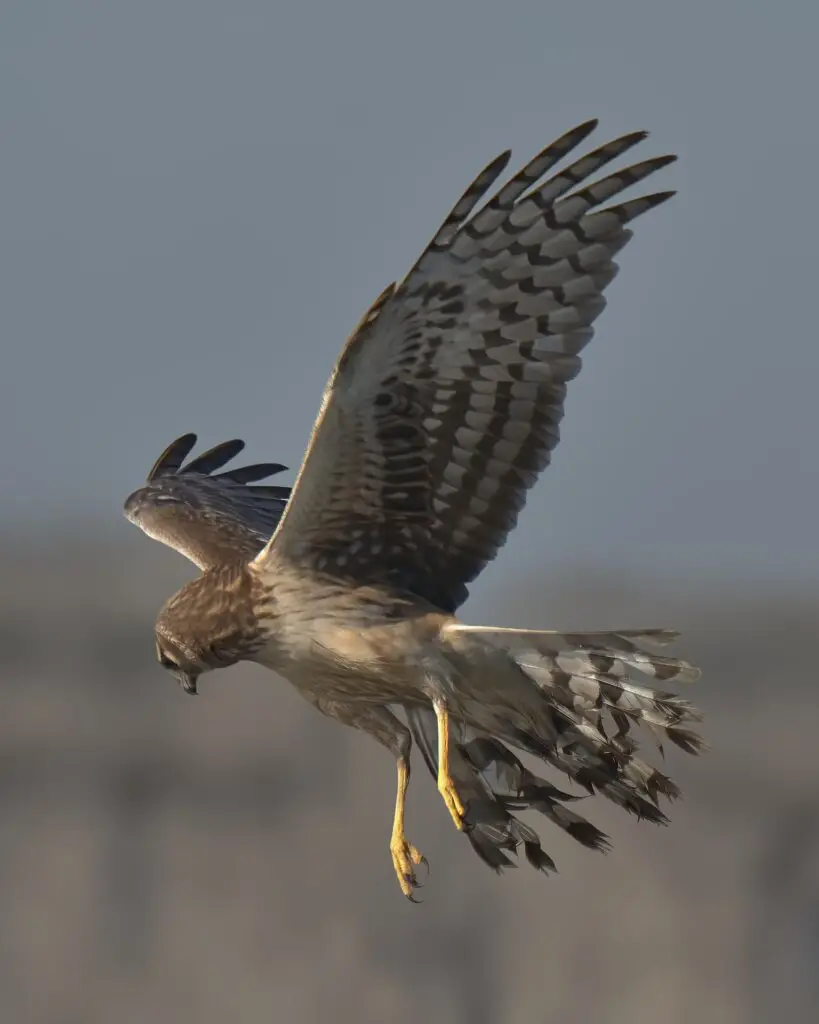
When it comes to hunting with a hawk, the experience can differ greatly depending on the situation. When hunting alone, the hunter can use their hawk to take small game, such as squirrels and rabbits, from a distance or to flush prey up toward another hunter or a waiting dog. By contrast, when two or more hawks are used for a successful hunt – known as ‘hawking in a cast’ – the efficiency of capturing larger game, such as deer and boar, is significantly increased through greater coverage of an area. During this method of hunting, the hawk(s) will be trained to fly upwind of other prey in order to lead them into an ambush. Whether hunting with one hawk or many, it is certainly hard to beat the adrenaline rush that comes with these aerial displays of skill and concentration by both man and hawk when out on a hunt!
If you’re interested in getting started with falconry, you should consider a few things before choosing a hawk. The best hawk for falconry depends on your level of experience, what type of prey you’ll be hunting, and where you live. With so many factors to consider, it’s important to do your research before making a decision. We hope this information has helped you narrow down your options and choose the best hawk for your needs.