
When designing or upgrading your falconry mews, the flooring you choose is super important for keeping your birds healthy and happy. A falconry mews is more than just a structure. It’s a sanctuary where your raptors rest, recover, and prepare for their hunting adventures.
Selecting the right flooring can impact hygiene, ease of maintenance, and the safety of your feathered companions. This guide is based on my experiences. I will explain the essential factors and options to consider when choosing flooring for your mew to create the perfect environment.
Understanding the Importance of Proper Flooring
Before getting into specific options, it’s essential to understand why flooring is so critical in a mews:
- Health and Comfort: The right flooring can promote healthy feet and prevent injuries.
- Hygiene: Proper flooring facilitates easy cleaning and helps maintain a sanitary environment.
- Drainage: Good drainage prevents moisture buildup and associated health issues.
- Pest Control: Some flooring options can deter and prevent pests from entering the mews.
- Maintenance: The flooring choice affects your mews’ long-term maintenance requirements.
Popular Flooring Options for Falconry Mews

Pea Gravel
Pea gravel is one of the most popular choices among falconers for mews flooring. This is, by far, my favorite option for flooring.
Advantages:
- Easy to clean and maintain
- Provides good drainage
- Allows for natural wear of talons
- Relatively inexpensive
Disadvantages:
- It can be challenging to disinfect thoroughly
- It may require frequent replacement of dirty gravel.
Maintenance Tips:
Many falconers use a method similar to cleaning a cat litter box to clean pea gravel. Scoop out dirty areas regularly and clean the gravel in a concrete mixer with a bleach solution, followed by a rinse cycle. For those without a mixer, soaking the dirty gravel in bleach solution in a small concrete mixing tub is an alternative. Always ensure the gravel is completely dry before returning it to the mews.

Dirt or Grass
A natural dirt or grass floor can provide a more authentic environment for your bird.
Advantages:
- Natural environment for the bird
- Promotes healthy feet
- Easy to maintain
- Allows for foraging behavior
Disadvantages:
- Can harbor parasites
- It may become muddy in wet conditions
- Potential for toxic plants to take root
Maintenance Tips:
Regular raking and removal of droppings are essential. The natural microbes in the soil help break down food particles and mutes. However, be vigilant about checking for and removing any toxic plants that may grow.
Concrete
While not ideal on its own, concrete can serve as a solid base for other flooring materials.
Advantages:
- Very easy to clean
- Deters rodents and other pests
- Provides a stable foundation
Disadvantages:
- Poor drainage, unless specifically designed
- It can be hard on birds’ feet if not covered
- It may become slippery when wet
Maintenance Tips:
If using concrete, consider covering it with a softer material like a padded Astroturf or plywood to protect your bird’s feet. Ensure proper slope for drainage if concrete is used as a base.
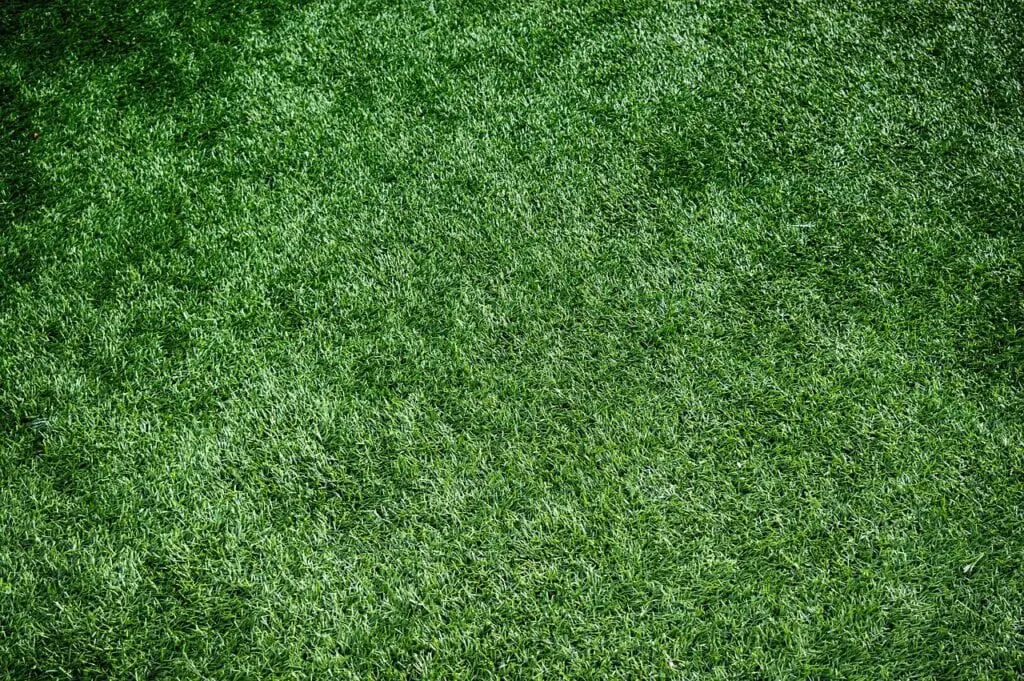
Astroturf/Artificial Grass
Astroturf or artificial grass can provide a comfortable surface that’s easy to clean.
Advantages:
- Easy to clean and replace
- Provides a soft surface for birds’ feet
- Good drainage capabilities
Disadvantages:
- May need frequent replacement
- Can harbor bacteria if not cleaned regularly
Maintenance Tips:
Use genuine Astroturf rather than imitation products, which may have sharp edges. Many falconers recommend using old driving range mats, which are padded and have stadium Astroturf adhered to one side. These can be easily removed, power-washed, and replaced.
Sand
While sand is used by some falconers, it comes with several caveats.
Advantages:
- Easy to clean and rake
- Good for certain species, particularly falcons
Disadvantages:
- It can reflect considerable heat
- May sharpen talons excessively
- Risk of ingestion leading to crop impaction
- It can get under anklets and abrade skin
Maintenance Tips:
If using sand, limit it to a small area, perhaps directly under perches, for easy cleaning. Be vigilant about preventing sand ingestion during feeding.
Discover the best flooring options for falconry mews, ensuring comfort, hygiene, and durability for your birds of prey.
Factors to Consider When Choosing Mews Flooring

Bird Species
Different bird species may have varying needs. For example, Harris’s Hawks may have different requirements compared to falcons or owls. Consider your bird’s natural habitat and behaviors when selecting flooring.
Climate and Weather Conditions
Your local climate plays a significant role in flooring choice:
- In wet climates, prioritize materials with good drainage properties.
- In hot climates, avoid materials that retain heat excessively.
- In cold climates, ensure the flooring doesn’t become too hard or slippery in freezing conditions.
Maintenance Capabilities
Consider your ability to maintain the flooring:
- How often can you clean the mews?
- Do you have access to equipment like pressure washers or concrete mixers?
- How much time can you dedicate to mews maintenance?
Budget
While the health and comfort of your bird should be the primary concern, budget considerations are also important:
- The initial cost of materials
- Long-term replacement costs
- Cleaning and maintenance expenses
Combining Flooring Options
Many experienced falconers find that combining different flooring types can provide the best of multiple worlds. For example:
- Using pea gravel in the main area of the mews for easy cleaning and drainage
- Incorporating a small sand area under perches for easy mute removal
- Adding a section of natural grass or dirt for foraging behavior

Additional Considerations for Mews Flooring
Drainage
Regardless of the flooring material you choose, proper drainage is crucial. Consider slightly sloping the floor towards a drain or designing a system that allows water to flow away from the mews easily.
Predator Protection
If using permeable flooring like dirt or gravel, consider lining the ground with chicken wire or hardware cloth to prevent predators from digging into the mews. Extend this barrier out from the mews walls for added protection.
Perch Areas
Pay special attention to the flooring beneath the perches. This area will receive the most mutes and may require more frequent cleaning. Some falconers use different materials in these high-impact zones for easier maintenance.
Temperature Control
Some flooring materials can affect the temperature inside the mews. For example, concrete can retain cold in winter and heat in summer. Consider how your flooring choice might impact the overall climate control of your mews.

Conclusion
Choosing the right flooring for your mews is essential for the health and comfort of your bird. Consider factors like species, climate, maintenance capabilities, budget, and potential combinations to determine the best flooring option. Regular cleaning and maintenance are crucial for keeping your bird’s living space safe and comfortable.
Remember always to prioritize your bird’s well-being when making any decisions regarding their housing. So don’t be afraid to experiment with different flooring options until you find what works best for you and your feathered friend!
Discover More About Falconry?
Are you fascinated by the world of falconry? Dive deeper into this ancient art and explore other essential aspects of raptor care. From training techniques to equipment selection, there’s always more to learn. Click here to read our article on falconry basics and expand your knowledge of this captivating practice.
Check Out Our Related Articles below:
How to keep your bird occupied when in their aviary
Advanced Falconry Techniques for Climate Control in Outdoor Aviaries