
In falconry, the well-being and performance of birds of prey hinge on various factors, with temperature management standing out as a crucial element. Outdoor aviaries present unique challenges, where extreme heat or cold can significantly affect the health and behaviour of these majestic birds. Understanding how to regulate climate within these environments is essential for comfort and optimizing hunting performance and overall health.
This blog post delves into advanced falconry techniques for effective climate control in outdoor aviaries. We’ll explore the importance of temperature management, discuss strategies for selecting optimal locations and materials, and provide actionable tips for maintaining ideal conditions year-round. From creating shaded areas to employing advanced monitoring technologies, we’ll cover everything you need to know to ensure your raptors thrive in their perfect aviary habitat.

Understanding the importance of temperature management.
Understanding the importance of temperature management in falconry is crucial for the well-being and performance of birds of prey. In outdoor aviaries, maintaining appropriate temperatures through climate control techniques is vital. Extreme temperatures can negatively impact the health and behaviour of birds, affecting their ability to hunt effectively.
Falconry techniques often involve monitoring temperature fluctuations within the aviary to ensure that birds are comfortable and stress-free. By implementing climate control measures such as shade structures, misting systems, or heating elements, falconers can create a suitable environment for their avian companions.
Proper temperature management enhances the birds’ well-being and contributes to their overall performance and success in falconry activities.
Choose the right location for your aviary.
Selecting the optimal location for your aviary is a critical decision that significantly influences the well-being and performance of your birds of prey. When considering the aviary location, keep in mind the following:
- Ensure ample sunlight exposure for natural warmth and lighting.
- Shield the aviary from strong winds to prevent discomfort for the birds.
- Choose a spot with good drainage to avoid water logging issues.
Select appropriate materials for temperature regulation.
When selecting materials for temperature regulation in aviaries and mews, it’s crucial to prioritize both insulation and durability. Opt for materials that can effectively maintain a stable internal temperature while withstanding the elements. Wood is an excellent choice for its natural insulating properties, but ensure it’s treated to resist moisture and pests.
Metal roofing can reflect sunlight, reducing heat absorption in hot climates. For insulation, consider using foam boards or reflective barriers to minimize heat transfer.
Concrete floors can help regulate temperature by acting as a heat sink. When constructing walls, double-layered designs with an air gap can enhance insulation.
For ventilation, incorporate adjustable openings with weather-resistant materials. Remember to choose non-toxic materials that are easy to clean and maintain.
Ensure adequate insulation for seasonal changes.
After looking into selecting materials for temperature regulation, it becomes evident that ensuring adequate insulation for seasonal changes is paramount in maintaining the health and well-being of birds in falconry. When considering climate control, especially for larger falcons like Harris hawks, it is crucial to remember the following:

Insulation Tips:
- Properly insulate aviaries to protect birds from bad weather.
- Inexperienced falconers may lose hawks if insulation is inadequate.
- Implement insulation strategies to maintain consistent temperatures.
- Ensure insulation effectiveness through regular checks and adjustments.
- Adequate insulation aids in providing a comfortable and stable environment for your birds.
Incorporate proper ventilation systems.
Proper ventilation systems play a critical role in maintaining a healthy and comfortable environment for birds in falconry. Adequate airflow is essential to regulate temperature, remove excess moisture, and prevent the buildup of harmful gases like ammonia. Incorporating ventilation openings near the top and bottom of the mews in outdoor aviaries ensures proper air circulation.
This design allows for the expulsion of stale air containing dust and pathogens, promoting a cleaner and healthier environment for falconry birds. The ventilation system should also be adjustable to accommodate seasonal temperature variations and specific bird species’ needs.
Defining safe temperature ranges for specific raptor species
Incorporating safe temperature ranges for specific raptor species within falconry practices is paramount to ensuring their well-being and performance. Understanding the thermal needs of these birds is crucial for maintaining their health and behaviour. Here are some key points to consider:
- Different raptor species have varying temperature preferences.
- Optimal temperature ranges can enhance hunting success and breeding outcomes.
- Extreme temperatures can lead to stress, illness, or even death in raptors.
- Monitoring temperature fluctuations is essential for adjusting environmental conditions.
- Providing temperature gradients within aviaries allows birds to self-regulate their body temperature efficiently.
Monitor ambient air temperature regularly.
When regularly monitoring ambient air temperature in falconry, it’s crucial to stay vigilant to ensure the well-being and comfort of the raptors in your care. Tracking temperature fluctuations throughout the day helps you understand the birds’ conditions. Sudden drops or spikes in temperature can stress them, impacting their health and behaviour.
Using accurate thermometers placed strategically in the aviary provides precise readings. You can identify patterns and make proactive adjustments by recording temperatures at different times.
This practice protects raptors from extreme temperatures and helps create a stable climate within outdoor aviaries, promoting optimal conditions for falconry activities.
Measure and adjust humidity levels
Humidity plays a significant role in the health and comfort of the birds, impacting their respiratory function and overall stress levels. Here are some key points to consider:
Important Factors in Humidity Control:
- Regularly measure humidity levels in the aviary.
- Adjust humidity using methods like misting systems or dehumidifiers.
- Maintain humidity within the optimal range for the specific bird species.
- Monitor bird behaviour and health indicators to assess the impact of humidity.
- Ensure proper ventilation to prevent moisture buildup in the aviary.

Consider seasonal variations and their impacts.
Considering seasonal variations is essential in falconry to ensure optimal bird health and well-being conditions. As the seasons change, temperature, humidity, and daylight hours fluctuate, impacting the birds’ behaviour and physiological needs.
Adequate heating in the mews is crucial during winter to prevent hypothermia, while proper ventilation and shaded areas are necessary in summer to avoid heat stress. Seasonal moulting patterns should also be taken into account when designing a mews maintenance schedule.
Additionally, adjusting feeding regimens based on seasonal changes in activity levels can optimize the birds’ health. By understanding and adapting to these seasonal variations, we falconers create a comfortable and supportive environment for their avian companions year-round.
Create shaded areas for heat management.
For effective heat management in falconry mews, it is essential to create shaded areas that offer refuge from direct sunlight and excessive heat exposure. When designing shaded spots, consider the following:
- Natural foliage: Utilize trees or bushes to provide natural shade.
- Artificial structures: Install awnings or shelters to offer protection from the sun.
- Strategic positioning: Place shade structures where they can block the most intense sunlight.
- Ventilation: Ensure shaded areas still have adequate airflow to prevent heat buildup.
- Monitoring: Regularly assess the effectiveness of shaded areas to make adjustments as needed.
Provide suitable perches for temperature regulation.
Moving from the necessity of creating shaded areas for heat management, the provision of suitable perches is vital for temperature regulation within falconry mews. Proper perches allow birds to regulate their body temperature by choosing surfaces that either absorb or dissipate heat. Providing a variety of perch types and materials caters to different preferences and needs of the birds. Here is a table highlighting some suitable perch options:
| Perch Type | Material |
| Wooden Perches | Natural wood |
| Concrete Perches | Cement mixture |
| Rope Perches | Natural fibers |
| PVC Perches | Plastic material |
| Heated Perches | Electric heating |
Each type of perch offers distinct benefits and considerations, contributing to the overall climate control strategy in the aviary.
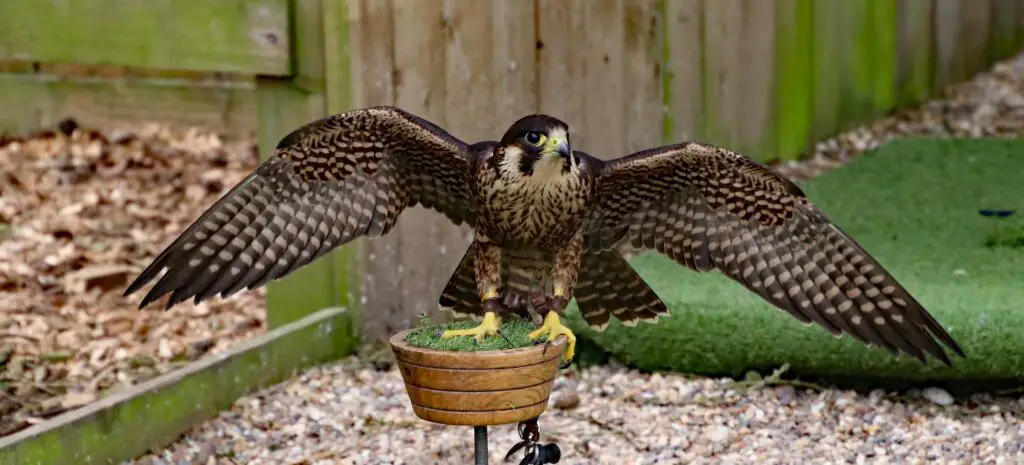
Design insulated shelters for cold protection
To ensure optimal well-being and comfort for falcons during cold weather conditions, designing insulated shelters within falconry mews is essential. These shelters provide necessary protection and warmth for our avian companions. Here are some key considerations:
- Insulated shelters help maintain a stable temperature for falcons.
- Proper ventilation is crucial to prevent condensation and humidity buildup.
- Utilize materials like foam boards or reflective barriers for effective insulation.
- Ensure shelters are spacious enough for birds to move comfortably.
- Regularly monitor and adjust insulation based on weather changes to optimize comfort levels.
Understand the specific needs of your raptor species.
Understanding the specific needs of your raptor species is paramount in ensuring their health and well-being in falconry practices. Different raptor species have unique requirements when it comes to housing, diet, exercise, and social interactions.
By tailoring your aviary setup to cater to the specific needs of your raptor, you can provide a correct housing and enriching environment for them to thrive. Below is a table summarizing some key considerations for understanding the specific needs of your raptor species:
| Aspect | Consideration |
| Housing Requirements | Size of mews, perch height, nesting preferences |
| Diet | Prey type, feeding schedule, nutritional supplements |
| Exercise Needs | Flight space, hunting opportunities, enrichment activities |
| Social Interaction | Solitary vs. social species, compatibility with other birds |
Utilize temperature monitoring technology.
When monitoring the temperature within your falconry mews, incorporating temperature monitoring technology is essential for ensuring the comfort and well-being of your birds. Utilizing advanced technology can provide precise data on environmental conditions, allowing for targeted climate control measures. Here are some key benefits of temperature monitoring technology:

- Real-time monitoring of temperature fluctuations
- Early detection of potential overheating or chilling risks
- Integration with automated climate control systems
- Historical data analysis for long-term climate trends
- Alerts for immediate intervention based on predefined temperature thresholds
In conclusion, implementing advanced falconry techniques for climate control in outdoor aviaries is essential for maintaining the well-being and performance of birds of prey.
If you’re committed to enhancing the comfort of your aviary for your raptors, there’s so much more to explore! Discover additional tips and techniques for creating an ideal habitat that promotes the well-being and performance of your birds.
Check Out Our Related Articles below:
Falconry Mews Safety: A Comprehensive Guide to Protecting Birds of Prey
Falconry Raptors at Risk: A Comprehensive Analysis of Health Risks and Management Practices