When it comes to providing the ideal habitat for birds of prey, key considerations can make all the difference in their well-being. From ample flight space to the importance of natural light and environmental enrichment, each element plays a crucial role in their overall health and happiness.
But what truly sets the perfect aviary apart, and how can you create it? Let’s explore the finer details that can elevate raptor housing to the next level and ensure these magnificent creatures thrive in their environment.
Understanding the unique needs of birds of prey
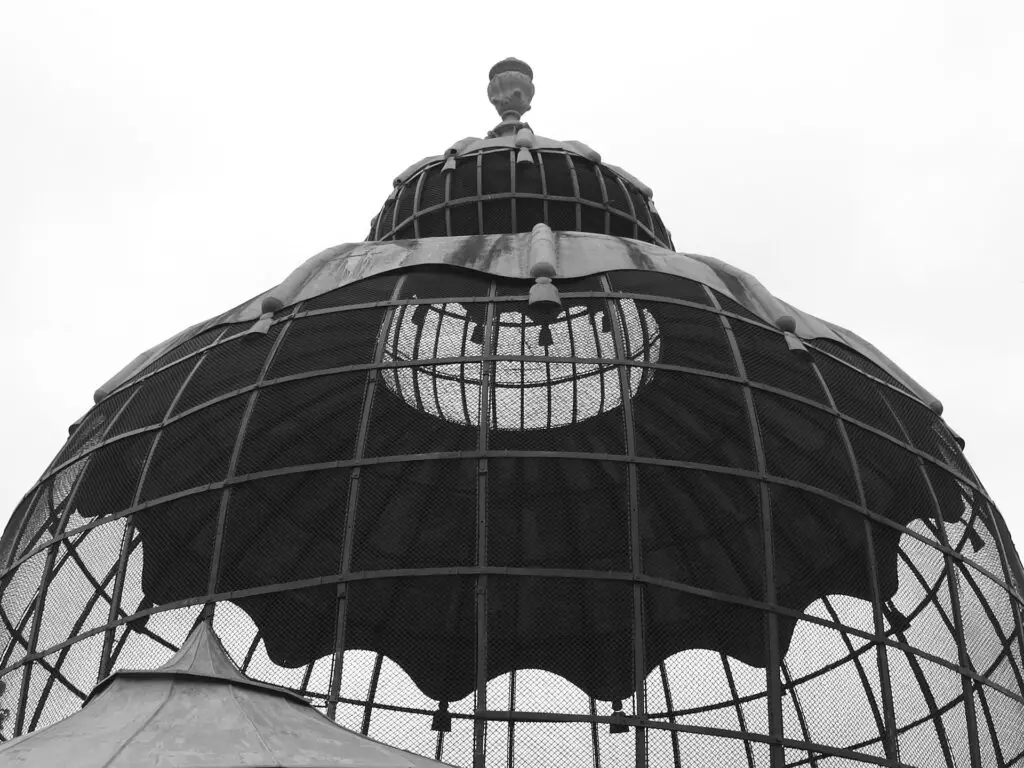
Birds of prey require spacious enclosures to accommodate their large wingspans and allow for short flights. The aviary should be at least 2-3 times the bird’s wingspan in width and length, with a height that allows the bird to fly upward without touching the roof.
These raptors need multiple perches of varying diameters and textures to maintain foot health and prevent pressure sores.
Natural branches, wrapped perches, and artificial perches should be provided at different heights.
A double-door entry system is crucial to prevent escapes, as raptors are intelligent and may attempt to fly out when the door is opened.
Birds of prey require areas for bathing and drinking. A shallow water basin or pool large enough for the bird to bathe comfortably should be provided.
Environmental enrichment is essential for mental stimulation. This can include natural elements like rocks and logs and safe toys and accessories designed for raptors.
Proper ventilation is crucial, but drafts must be avoided. The aviary should have areas that provide shelter from wind, rain, and direct sunlight.
Lastly, the aviary must be predator-proof, with secure fencing and a sturdy structure to protect these valuable birds from potential threats.
Aviary Design
When designing an aviary for birds of prey, it is crucial to select the location to provide suitable environmental conditions carefully. Spatial considerations play a vital role in determining the layout and size of the aviary. Using natural materials can help recreate the birds’ natural habitats while strategically designing perching areas and flight paths to ensure their safety and promote physical activity.
Selecting the right location for your aviary
Positioning your aviary is critical in ensuring the well-being and comfort of your birds of prey.
- Choose a location with good drainage to prevent water accumulation.
- Ensure the aviary receives ample sunlight for warmth and vitamin D synthesis.
- Select a spot away from loud noises to minimize stress for the raptors.
- Avoid areas prone to strong winds that could disturb the birds’ flight and comfort.
Importance of spatial considerations in aviary design
As we shift our focus to the design of the aviary itself, spatial considerations play a pivotal role in providing an optimal living environment for birds of prey. Adequate space for natural movement, flight, and perching is essential.
Careful planning of perches, roosts, and flight paths ensures the physical and mental well-being of the birds. The proper spatial design promotes natural behaviours, exercise, and overall health in captive raptors.
Using natural materials to mimic wild habitats
To create an aviary that closely resembles the natural habitats of birds of prey, utilizing natural materials is paramount. Incorporating elements like branches, rocks, and grasses can enhance the environment for these majestic birds. Mimicking the varied terrain found in the wild, such as cliffs and trees, provides mental and physical stimulation. Utilizing soil and sand can also help replicate the natural ground cover for a more authentic habitat.
Designing safe and comfortable perching areas
Designing safe and comfortable perching areas in an aviary for birds of prey is crucial to ensuring their well-being and natural behaviours are supported.
Perches should vary in diameter to exercise different foot muscles and be placed at various heights to encourage natural movement. Materials like untreated wood or textured surfaces help prevent foot problems. Perches should also be positioned away from food and water sources to maintain cleanliness and hygiene.

Creating flight paths for exercise and movement
Moving from perching areas to flight paths in an aviary for birds of prey, the design must prioritize space that allows for natural exercise and movement.
Flight paths should
– Be wide enough for wingspan clearance
– Include varying heights for aerial manoeuvres
– Offer obstacles for agility training
– Incorporate perches for resting and observation
Incorporating environmental enrichment elements
When designing an aviary for birds of prey, various environmental enrichment elements that cater to their natural behaviours and instincts must be incorporated. These elements are crucial, such as providing perches at different heights, hiding spots, and objects for hunting simulations.
These elements stimulate mental and physical activity, promoting the bird’s overall well-being and ensuring a more natural and engaging environment within the aviary.
Choosing appropriate plant life for habitat simulation
Considering the intricacies of creating an optimal environment for birds of prey in an aviary, a key aspect to address is the selection of suitable plant life for habitat simulation.
- Native Species: Choose plants indigenous to the region for authenticity.
- Height Variation: Include tall trees for roosting and shorter shrubs for ground cover.
- Texture Diversity: Incorporate plants with different textures to enrich the sensory experience.
- Edible Options: Integrate edible plants for natural foraging behaviour.
Aviary Size
From my experience in raptor housing design, one of the fundamental considerations that significantly impacts the well-being and behaviour of birds of prey is the size of the aviary. The ideal size allows for natural flight patterns and exercise, promoting physical health and mental stimulation. Insufficient space can lead to stress, aggression, and even health issues. Adequate dimensions are crucial for the overall welfare of raptors in captivity. Below is a guide on the minimum space required, but remember bigger is always better:
Aviary Dimensions
6′ x 8′ x 7′ (183 cm x 244 cm x 213 cm)
- Ferruginous Hawk
- Northern Goshawk
- Swainson’s Hawk
- Harris Hawk
- Gyr Falcon
- Peregrine Falcon
- Red-tailed Hawk
- Rough-legged Hawk
- Prairie Falcon
6′ x 6′ x 6′ (183 cm x 183 cm x 183 cm)
- Sharp-shinned Hawk
- Cooper’s Hawk
- American Kestrel
- Merlin
Double-Door System
I have found that incorporating a double-door system into an aviary design is critical for facilitating the smooth entry and exit of birds of prey.
Benefits of a Double-Door System:
– Minimizes risk of escapes
– Prevents birds from flying out during maintenance
– Provides a safe airlock for entering and exiting
Roofing and Shelter
When designing the roofing and shelter for an aviary housing birds of prey, the structural integrity and functionality of these elements play a crucial role in ensuring the well-being and safety of the raptors.
The roofing should be sturdy, weather-resistant, and provide adequate protection from the elements. Shelter structures need to offer protection from wind, rain, and excessive sunlight while allowing for proper ventilation within the aviary environment.
Perch Design
When designing perches for birds of prey in an aviary, one must prioritize both functionality and the raptors’ natural behaviours. Use varying perches, but try to include at least one block perch or shelf perch (or both) and keep the following points in mind:
- Varying heights and widths stimulate different muscle groups.
- Natural materials like wood provide gripping surfaces.
- Branches with textured bark promote foot health.
- Perches should be positioned for flight paths and resting spots.
Flooring Options
Falconry birds flooring in an aviary for plays a crucial role in ensuring the well-being and comfort of the raptors. Optimal flooring options include materials like concrete, gravel, or grass. Concrete is easy to clean but can be hard on the raptors’ feet. Gravel provides natural drainage but may be challenging to maintain. Grass offers a softer surface but requires regular upkeep to prevent overgrowth.
Predator Protection
Having established the importance of flooring options for raptor housing, predator protection through effective aviary design is the next critical consideration in creating an ideal aviary for birds of prey.
- Use mesh with small openings to prevent entry.
- Install secure locks on doors and windows.
- Choose a roof style that deters aerial predators.
- Utilize underground barriers to prevent burrowing intruders.
Cleaning and Maintenance:
How can one ensure the cleanliness and upkeep of an aviary designed for falconry birds? Regular maintenance is vital. Remove uneaten prey, feathers, and waste daily to prevent contamination. Deep clean the aviary monthly using avian-safe disinfectants.
Check perches and structures for wear and tear, replacing them when needed to prevent injury. Proper drainage and ventilation are crucial to prevent mould and ensure a healthy environment for the raptors.
Adaptations for Non-Flying Birds
For non-flying birds, such as injured raptors ( when the issue potentially arises), designing an aviary requires specific adaptations to meet their unique needs.
- Lower Perches: Place perches closer to the ground to prevent falls and further injury.
- Padded Flooring: Use soft, cushioned surfaces like rubber mats or thick bedding to protect the bird if it falls or stumbles.
- Wider Spaces: Ensure there’s enough room for the bird to move around without bumping into obstacles.
- Easy Access: Position ground-level food and water containers for easy reach.
- Ramps: Install gentle slopes or ramps to help the birds access different areas of the mews.
- Increased Monitoring: Check on the bird more frequently to ensure it’s not struggling or in distress.
- Environmental Enrichment: Provide safe toys or objects at ground level to stimulate the bird mentally.
Health and Hygiene
Ensuring the health and hygiene of birds of prey in captivity is paramount. Clean water sources and proper drainage are essential to prevent the growth of harmful bacteria. Regular veterinary care and assessment, along with maintaining optimal temperature levels, play a crucial role in maintaining the well-being of these magnificent creatures.
Providing clean water sources and proper drainage
When surveying a raptor aviary’s landscape, one must pay close attention to providing clean water sources and implementing proper drainage systems.
- Ensure water is free of debris and contaminants
- Regularly clean and disinfect water containers
- Install gravel or sand-based drainage systems
- Monitor water flow to prevent stagnation and promote cleanliness
Maintaining hygiene to prevent health issues
Maintaining optimal hygiene within a raptor aviary is paramount to safeguarding the health and well-being of the resident birds of prey. Regularly remove droppings, uneaten food, and debris to prevent the accumulation of bacteria and parasites.
Disinfect perches, surfaces, and equipment to reduce the risk of infections. Clean water and food containers daily, ensuring they are free from contamination. A clean environment is crucial for the overall health of raptors.
Regular veterinary care and assessment
Regular veterinary care and assessment play a vital role in maintaining the health and hygiene of birds of prey housed in aviaries. It helps to detect and address any health issues promptly, ensuring the well-being of the raptors. Here are important aspects to consider or implement:
- Regular health check-ups
- Monitoring of weight and behaviour
- Parasite prevention and control
- Emergency care protocol

Importance of temperature regulation in the aviary
Ensuring proper temperature regulation within an aviary is paramount for the health and well-being of birds of prey. Birds require specific temperature ranges to thrive, as deviations can impact their metabolism, immune system, and behaviour.
Maintaining optimal temperatures in the aviary mimics their natural habitat conditions, reducing stress and potential health issues. Regular monitoring and adjustments, such as providing shade or heating sources, are crucial for the overall health of raptors.
Safety and Security
When considering the safety and security of housing birds of prey like the harris hawk among many more, sturdy fencing and a well-structured aviary are crucial to prevent escapes and protect the raptors from potential threats.
Providing sheltered areas within the aviary can offer protection from harsh weather conditions and ensure the well-being of the birds. Additionally, understanding proper handling techniques and safety measures around these magnificent creatures is essential for the falconer and the raptors.
Implementing secure fencing and aviary structure
Securing an aviary for birds of prey involves meticulous planning and attention to detail.
- Choose sturdy materials like welded wire mesh.
- Ensure fencing is at least 8 feet high to prevent escapes.
- Regularly inspect and repair any structure damage to prevent wild animals from getting in.
- Consider adding a roof style to protect against aerial threats.
Creating sheltered areas for protection
For the safety and security of birds of prey, it is vital to create sheltered areas within their aviary that provide protection from the elements and potential threats. These areas should offer refuge from harsh weather conditions like heavy rain, strong winds, or extreme temperatures.
Sheltered spots can be incorporated using materials like dense foliage, artificial roofing, or enclosed structures to ensure the well-being and comfort of the raptors.
Handling and safety measures around raptors
Ensuring the safety and well-being of raptors requires meticulous attention to handling and safety measures.
- Always wear protective gloves when handling raptors.
- Approach raptors calmly and avoid sudden movements.
- Use equipment designed for raptor handling to minimize stress.
- Have a trained professional supervise interactions to ensure the safety of both the raptor and handler.
Legal considerations and permits for housing raptors
Legal considerations and permits for housing raptors are crucial aspects of falconry that must be addressed before acquiring or keeping birds of prey. In most countries, including the United States, keeping raptors without a falconry license or permits from the U.S. Fish and Wildlife Service is illegal.
Falconers typically need to obtain both state and federal permits. These permits often require passing written exams and practical tests to demonstrate knowledge of raptor care and falconry techniques. They may also specify the species and number of birds allowed, as well as housing requirements.

Housing regulations often dictate minimum aviary sizes, construction materials, and safety features to ensure the birds’ well-being. Wildlife officials may be required to inspect the facilities regularly to maintain compliance.
Additionally, there are often strict rules regarding the acquisition of raptors, whether through captive breeding or trapping from the wild. Many countries have specific quotas and seasons for capturing wild birds. Legal requirements can vary significantly between jurisdictions, and experienced falconers must stay informed about local, state, and federal regulations. Failure to comply with these laws can result in hefty fines and the revocation of permits.
Bird Care and Interaction
When caring for raptors, designing a feeding station that mimics their natural hunting behaviour is crucial. Understanding their dietary needs and providing a balanced diet ensures their health and well-being. Introducing safe toys and accessories can keep them mentally stimulated and physically active while fostering a bond with your raptor through consistent interaction, which allows for a deeper understanding of their individual needs.
Designing a feeding station and diet considerations
During the design process of a raptor aviary, careful consideration must be given to creating an efficient and hygienic feeding station that meets the dietary needs of birds of prey.
Key Points for Feeding Station Design:
- Proper drainage to prevent food contamination
- Easy-to-clean surfaces to maintain hygiene
- Adequate spacing to prevent food competition
- Secure storage for food to prevent access by pests
Introducing safe toys and accessories for stimulation
Ensuring the birds’ physical and mental well-being is paramount in designing a raptor aviary. Providing safe toys and accessories is crucial for their stimulation. These items can include enrichment like puzzle feeders, branches for perching, and even objects for shredding. Check out the table below for some examples of stimulating toys and accessories for your raptor companions.
| Toy/Accessory | Purpose |
| Puzzle Feeders | Mental Stimulation |
| Perching Branches | Physical Exercise |
| Shredding Objects | Behavioral Enrichment |
| Foraging Toys | Problem-Solving Skills |

Fostering a bond with your raptor
To establish a strong bond with your raptor, approach interactions with patience, consistency, and respect for the bird’s natural behaviours.
- Spend quality time together daily (crucial)
- Use positive reinforcement techniques
- Learn to interpret your raptor’s body language
- Respect their personal space and boundaries
Observing and adapting to individual bird needs
With birds of prey, each individual possesses unique characteristics and requirements that must be carefully observed and accommodated. Understanding these specific needs is crucial for their well-being. Here’s a table illustrating some common individual bird needs:
| Characteristic | Requirement | Adaptation |
| Hunting Style | Diurnal or Nocturnal | Adjust feeding times accordingly |
| Social Behavior | Solitary or Group | Provide appropriate perch space |
| Flight Pattern | High or Low Altitude | High or Low Altitude | Design aviary with varying heights |
In conclusion, the key to creating the perfect aviary for birds of prey lies in understanding their unique needs and providing a well-designed living space that accommodates their natural behaviours. By incorporating spacious enclosures, sturdy perches, and environmental enrichment, we can ensure the well-being and happiness of these magnificent raptors. Remember, attention to detail in aviary design, health, safety, and bird care is essential for fostering a thriving environment for raptors to flourish.
Curious about how to create the ideal habitat for birds of prey? Keep reading to uncover expert tips and insights to help you design the perfect aviary. Let’s ensure these majestic creatures thrive in their environment!
Check Out Our Related Articles below:
How Much Is It To Build A Mew?
Navigating Falconry Permits: A Look at Raptor Possession Regulations