
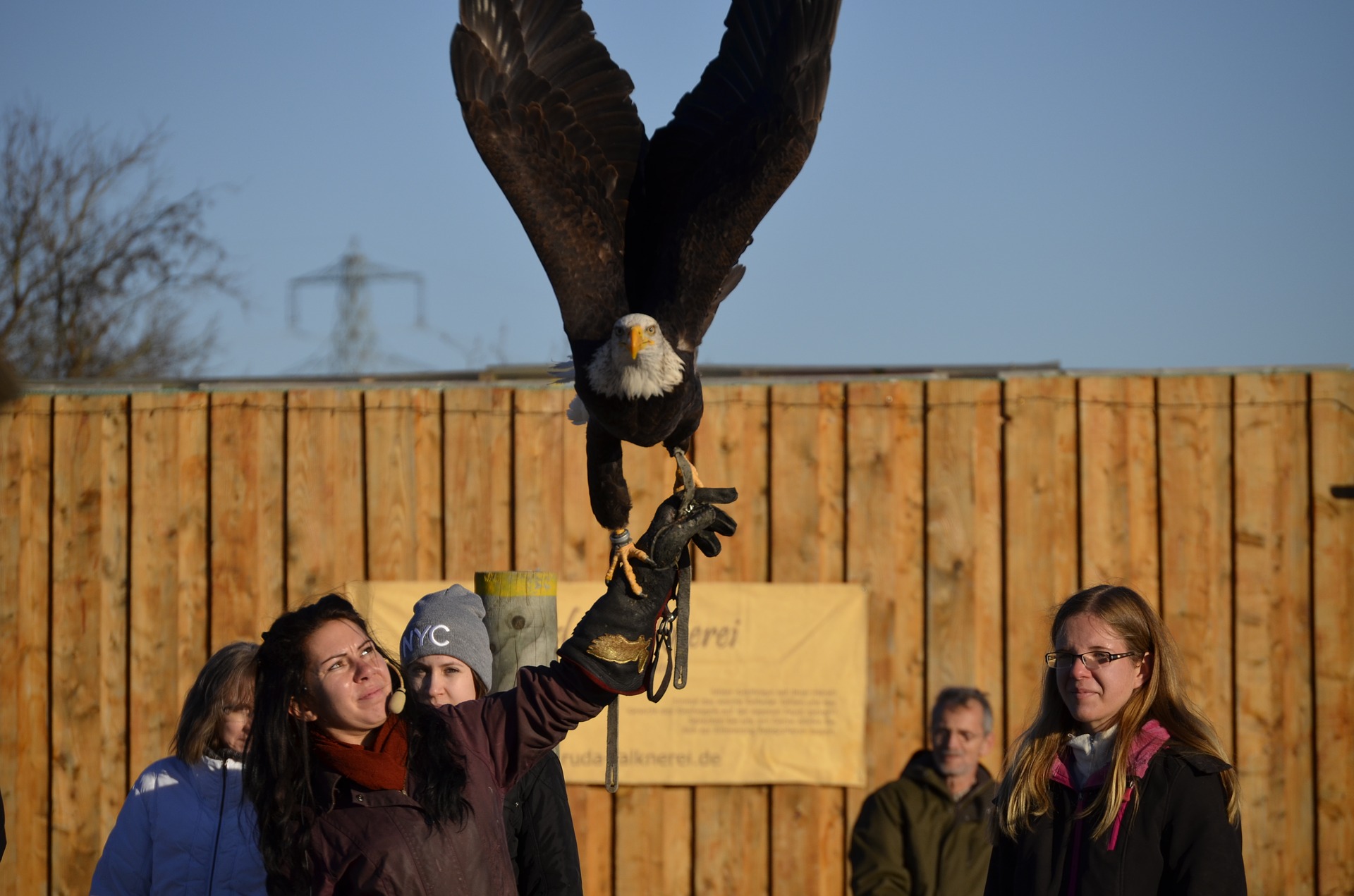
When it comes to understanding the diet of your raptor, it’s crucial to know what these creatures eat in the wild. Most common birds of prey primarily feed on small mammals, birds, reptiles, amphibians, and insects. From my experience, I will cover the various food sources that raptors rely on in their natural habitats and how we, as falconers, try to mimic that.
What do birds of prey eat?
While working with many species of birds of prey, I have observed that their diet consists of a variety of tiny mammals, birds, reptiles, amphibians, and insects. These predators are highly skilled hunters, using their sharp beaks and strong talons to capture their prey. Small mammals like mice and voles, along with birds like pigeons and sparrows, are a common food source. Additionally, reptiles and amphibians, such as snakes and frogs, as well as insects like beetles and grasshoppers, are also part of their diet.
Small mammals
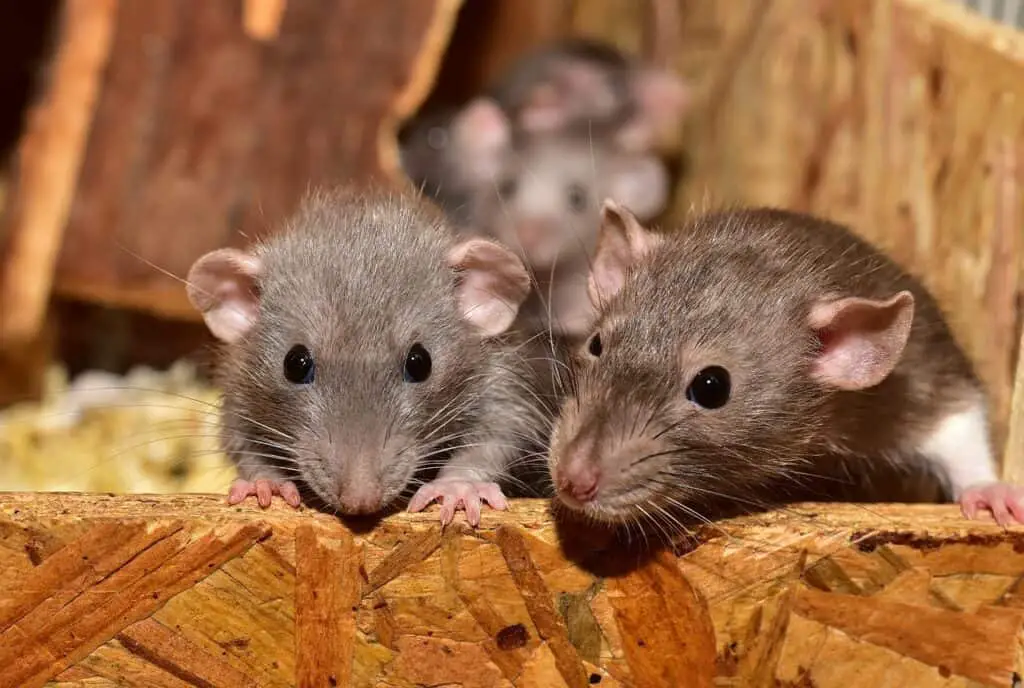
Small mammals like mice, voles, shrews, and rabbits are among their common food sources. By preying on small mammals, they help regulate their populations, preventing overpopulation and maintaining ecosystem balance. Additionally, the nutritional value of small mammals provides the necessary energy and nutrients required for raptors to survive and reproduce. Thus, the consumption of small mammals by birds of prey significantly impacts the overall health and stability of the ecosystem and the raptor itself.
Birds
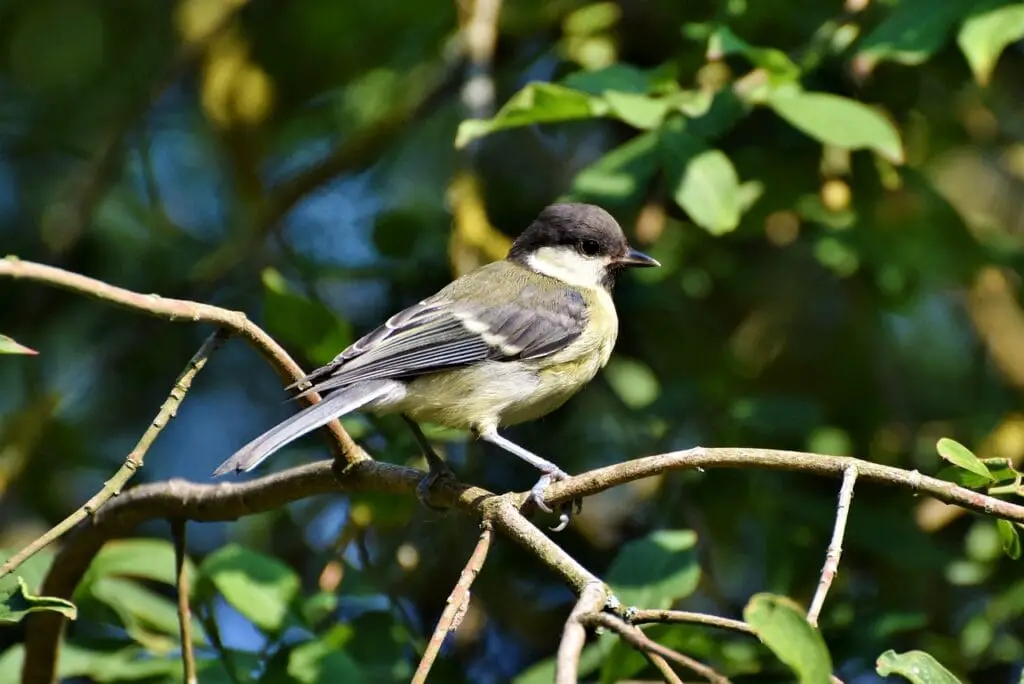
Birds, such as waterfowl and songbirds, are also part of a raptor’s diet. Raptors often hunt for birds while they’re in flight, making them even more impressive predators. Birds are important food sources for raptors because they provide an abundance of protein and fat that the birds require to maintain their health. Furthermore, hunting birds helps to keep bird populations balanced so that their numbers don’t become too large.
Reptiles
Raptors have been observed to consume a wide array of reptiles. Species such as snakes, lizards, and even young turtles are often found in their diet. Larger raptors, like the eagle, are known to prey on larger snakes and even baby crocodiles in some regions. On the other hand, smaller birds of prey, such as the kestrel, often focus on smaller reptiles like lizards, skinks, and small snakes. Reptiles play an important role in the diet of birds of prey, providing them with a diverse source of nutrients. The behaviour of reptiles, such as their hunting techniques and defensive mechanisms, greatly influence the hunting strategies of raptors.
Amphibians
Amphibians are also often found in the diet of birds of prey. Frogs, toads, and newts all provide an important source of protein and vitamins for raptors. When hunting amphibians, birds typically search near water sources where these creatures tend to live. They use their sharp eyesight or sense of hearing to detect potential prey and swoop down quickly for a successful catch. Amphibians offer unique challenges when it comes to hunting for raptors, as they can be difficult to spot and may try to swim away in water sources.
Insects
Insects are another popular food source for raptors. Common prey include large beetles, grasshoppers, crickets, and dragonflies. Raptors use their beaks to pluck insects from the ground or capture them mid-flight. They also often use their talons to scoop up a variety of insect species from the ground and vegetation. Insects provide an important source of essential nutrients for birds of prey, particularly during breeding season when they need more energy than usual.
How often do you feed birds of prey?
I feed birds of prey daily to ensure they receive the proper nutrition and energy they need to thrive. Here’s why a consistent feeding schedule is crucial for the overall care of these magnificent creatures:
1. Prey size: Birds of prey have specific prey size requirements based on their species and age. Daily feeding allows me to tailor their diet to meet these needs.
2. Nutritional requirements: Birds of prey have high metabolic rates and require a balanced diet rich in proteins, fats, vitamins, and minerals. Daily feeding ensures they get all the nutrients they need.
3. Feeding behaviour: Birds of prey are opportunistic hunters and have adaptations for catching and consuming prey. Daily feeding simulates their natural feeding behaviour and keeps them mentally and physically stimulated.
4. Hunting techniques: Regular feeding prevents birds of prey from becoming dependent on humans for food. It encourages them to maintain their hunting skills and instincts.
Understanding the diet of a raptor is crucial for their well-being. By examining what birds of prey consume and how often they need to be fed, we can ensure their nutritional needs are met. This scientific knowledge allows us to appreciate the intricate balance of nature, where the fierce hunters rely on a specific diet to survive.

Frequently Asked Questions
Are There Any Specific Nutritional Requirements for Raptors?
- There are specific nutritional requirements for raptors. Their dietary adaptations, feeding behaviour, and prey preferences determine their unique nutritional needs.
Do Raptors Eat Only Live Prey, or Do They Also Consume Carrion?
- Raptors exhibit diet flexibility, as they consume both live prey and carrion. Their scavenging behaviour allows them to take advantage of available food sources. Prey preferences vary among species.
Are There Any Species-Specific Dietary Preferences Among Raptors?
- Raptors have species-specific dietary preferences, as their dietary adaptations, carnivorous tendencies, hunting techniques, prey preference, and food availability vary.
How Do Raptors Acquire Their Food in the Wild?
- Raptors acquire their food in the wild through various hunting techniques, prey selection, and feeding habits. They have evolved hunting adaptations such as sharp talons and keen eyesight to capture their prey efficiently.
Check Out Our Related Articles below: