
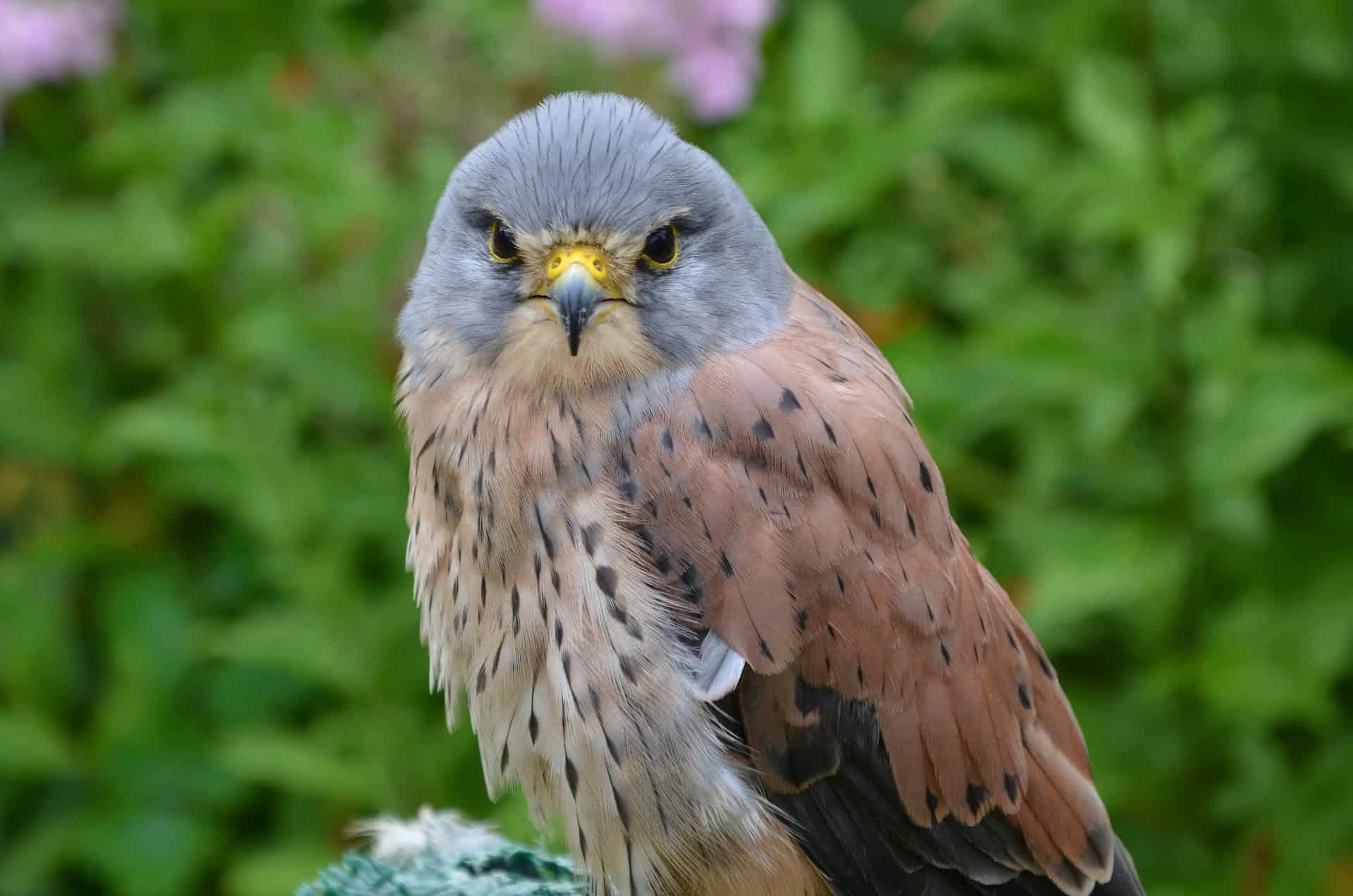
Birds of prey are carnivorous hunters that require a high-protein diet to fuel their active lifestyle. Their diets consist mainly of small mammals, such as mice and voles, and occasionally larger animals, like rabbits or snakes. They also feed on smaller birds, reptiles, amphibians, fish, and insects. A varied diet ensures they receive the necessary nutrients for optimal health. If you are unsure about raptor diets, read on as I cover all you need to know about birds of prey.
Understanding the nutritional needs of falconry birds
Like all living beings, birds require essential nutrients for survival. These include proteins, carbohydrates, fats, vitamins, minerals, and water. However, raptors have specific needs for each of these nutrients due to their unique physiology and hunting habits.
Proteins
Proteins are vital when building and repairing body tissues, maintaining feathers’ health, and supporting reproduction. Birds of prey require a high percentage of proteins in their diet compared to other birds. This is because they have a high metabolic rate, and their flight muscles require large amounts of protein for energy.
Carbohydrates
Carbohydrates are primary sources of energy in birds’ diets. However, raptors do not rely heavily on carbohydrates as they can quickly burn fat for energy during flight. They mostly obtain carbohydrates from seeds or fruits found in their diet.
Fats
Fats provide energy, insulation, and protection for birds’ organs. They are also crucial in maintaining the health of their feathers and waterproofing them. Raptors require a high-fat diet as they need significant amounts of energy for hunting and flying.
Vitamins and Minerals
Vitamins and minerals serve crucial roles in the functions of various body systems. For example, Vitamin A is crucial for maintaining good eyesight, while calcium is essential for strong bones. Birds of prey obtain these nutrients from the food they consume, and a lack of them in their diet will lead to various health issues.
Amino acids
Amino acids are a foundation for proteins and play a pivotal role in maintaining the overall health of birds of prey. Some amino acids cannot be produced by the birds’ bodies and must be obtained through their diet.
Water
Water is vital for all living beings, and birds are no exception. However, raptors have an efficient system that minimizes water loss during flight, making them less reliant on regular water intake. They mostly obtain water from the prey they consume.
How to maintain a healthy bird of prey
Maintaining a healthy bird of prey involves providing a balanced diet with appropriate nutrients. To ensure the well-being of these creatures, here are four important considerations:
1. Feeding routine: Establishing a consistent feeding routine is crucial for a bird of prey’s overall health. Regular and predictable meal times help maintain their metabolism and prevent digestive issues.
2. Dietary supplements: In some cases, dietary supplements may be necessary to meet specific nutritional requirements. These supplements, prescribed by avian veterinarians, can help address any deficiencies and promote optimal health.
3. Prey size: Offering prey of appropriate size is essential. It ensures that the bird can consume its food safely and efficiently, reducing the risk of choking or injury.
4. Food safety and seasonal variations: Birds of prey are susceptible to foodborne illnesses. Therefore, it is essential to prioritize food safety, handling and storing their food properly. Additionally, considering seasonal variations in prey availability and adjusting their diet accordingly is crucial to maintain their health throughout the year.
What do falconers feed their birds?
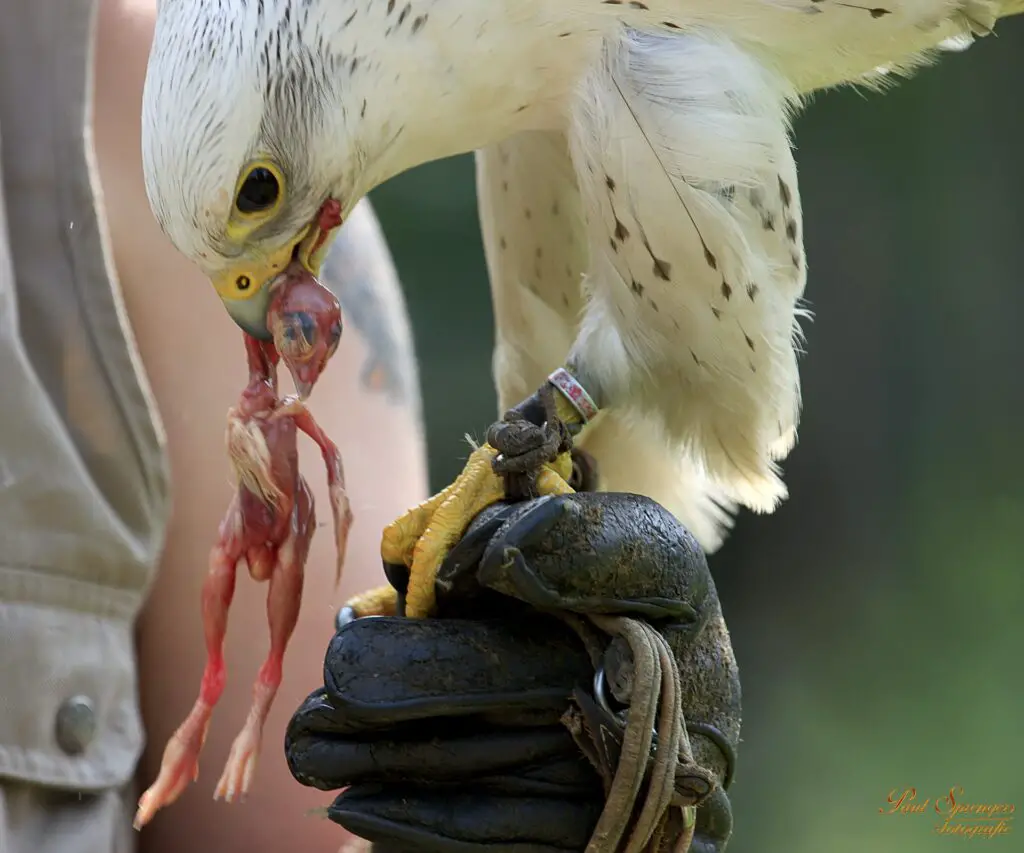
I feed my birds a specialized diet that is specific to each type of bird. In general, they are fed a combination of rodents, small mammals, and birds such as quails or pigeons. The primary source of food for falcons is rodents. This includes mice, rats, squirrels, and rabbits. These animals provide the necessary protein and fat that falcons need to maintain their energy levels and stay healthy. Falconers may raise their own rodents or purchase them from specialized breeders.
Additionally, small mammals such as voles and shrews can also be fed to falcons. These animals are smaller than rodents, and they provide a good source of nutrition for birds of prey, especially during the breeding season when they need to consume more calories. Falconers also feed their birds a variety of smaller birds, such as quails or pigeons. These birds are often used for training purposes and are a good source of nutrition for falcons due to their high protein content. They can be fed whole or in pieces, depending on the size and age of the raptor.

What is the best food to feed your raptor?
Since raptors are such highly specialized predators, choosing the best food for them is crucial to their health and well-being. Their diet should be based on their natural wild prey, including small mammals, birds, reptiles, and even insects. In addition to this, here are some other factors to look at when determining the best food for your raptor:
Species of raptor:
Different species of raptors have different dietary requirements. For example, a falcon’s diet will differ greatly from an owl’s. When choosing their food, it is important to research the specific needs of your raptor’s species.
Age and size:
Just like humans, raptors have different nutritional needs at different stages of life. Younger birds will require more protein and fat for growth and development, while older birds may need a diet lower in calories to maintain a healthy weight.
Health and condition:
If your raptor is recovering from a health problem or illness, their diet may need to be adjusted accordingly. A vet or experienced falconer can provide advice on the best food options for a sick or injured bird.
Availability:
Certain prey species may be more readily available than others, depending on where you live. It’s important to choose food sources that are sustainable and easily accessible for the long-term care of your raptor.
Quality:
The quality of the food you feed your raptor is crucial in ensuring their health and longevity. Always make sure to source high-quality, fresh food from reputable suppliers.
Variety:
In the wild, raptors have a varied diet that includes different types of prey. Mimicking this variety in captivity can help provide them with a well-rounded and nutritious diet.
Do Birds of prey require water?
To ensure the overall health and hydration of my raptor, I provide it with access to fresh water at all times. Hydration is crucial for birds of prey as it aids in digestion, temperature regulation, and overall body function. In the wild, birds of prey obtain water from various sources such as rivers, lakes, and even rainwater. However, captive raptors rely on their caretakers to provide them with adequate water.
Dehydration will lead to serious health issues, so it is important to be aware of the signs, including sunken eyes, dry beaks, and lethargy. To meet the water requirements of different species of birds of prey, it is recommended to offer water in a shallow dish or through misting techniques, ensuring that it is always clean and accessible.
What nutrients do birds of prey require
Understanding the specific nutrients these creatures require for optimal health and well-being is important. Here are the essential nutrients that birds of prey need:
Essential vitamins: Birds of prey require a range of vitamins, including vitamin A, vitamin D, and vitamin E. These types of vitamins play a crucial role in maintaining their overall health, promoting proper growth and development, and supporting their immune system.
Protein sources: Birds of prey are carnivorous and require a high-protein diet to thrive. They need sources of lean meat, such as rodents, rabbits, and birds, to meet their protein requirements.
Calcium intake: In breeding birds, calcium is essential for strong bones and eggshell formation. Birds of prey obtain calcium from the bones of their prey, but it is also important to supplement their diet with additional calcium sources like crushed eggshells or calcium supplements.
Dietary supplements: In some cases, birds of prey may require additional dietary supplements to ensure they are receiving all the necessary nutrients. These supplements can include multivitamins, minerals, and probiotics.
Amino Acids: Amino acids are a foundation for protein and play an immense role in maintaining the health of birds of prey. Taurine, in particular, is a very important amino acid for raptors as it helps with digestion and maintains healthy eyesight.
Understanding the specific nutritional requirements of birds of prey, especially during breeding seasons, is crucial for their overall health and successful breeding. Providing a balanced and varied diet that sustains their nutritional demands is vital for their well-being and longevity.
How often do falconers feed their birds?
Falconers feed their raptors daily to ensure they receive nutrition for their health and well-being. Establishing a consistent feeding schedule is crucial in maintaining the bird’s energy levels and overall condition. The meal size is carefully determined based on the bird’s species, age, and activity level. Falconers consider the bird’s natural prey types in the wild and aim to replicate a similar diet in captivity.
Feeding techniques may vary, but many falconers opt for offering whole prey items to allow the bird to exhibit natural hunting behaviours. By adhering to a regular feeding routine and providing appropriate prey types, falconers can ensure the optimal nutrition and well-being of their birds of prey.
In conclusion, understanding the nutritional needs of birds of prey is essential for maintaining their health and well-being in falconry. Falconers feed their birds a balanced diet that includes a variety of prey species, ensuring they receive the necessary nutrients such as proteins, carbohydrates, fats, vitamins, and minerals. Water is also crucial for their hydration. By providing proper nutrition and regular feeding, falconers can ensure their raptors’ optimal health and performance.
Frequently Asked Questions
Can Birds of Prey Survive on a Vegetarian Diet?
· No, birds of prey cannot survive on a vegetarian diet. They have specific nutritional demands that can only be met by consuming a diet of meats. Beneficial nutritional supplements can be provided, but overfeeding can have consequences.
Are There Any Specific Nutritional Requirements for Female Birds of Prey During Mating Season?
· During the mating season, female birds of prey have specific nutritional needs to support breeding. Their diet must provide the necessary nutrients for egg production and healthy offspring development.
Can Birds of Prey Develop Nutritional Deficiencies if They Are Given a Diet Consisting Solely of Frozen Prey?
· Raptors can develop nutritional deficiencies if fed a diet of solely frozen prey. It is important to provide frozen prey alternatives to ensure a balanced diet and prevent health issues. Variety is crucial in bird-of-prey diets to avoid potential risks.
Are There Any Nutritional Supplements That Can Be Beneficial for the Overall Health of Birds of Prey?
· There are nutritional supplements that can provide benefits for the overall health of birds of prey. However, it is important to consider these supplements’ risks, alternatives, dosage, and effectiveness before incorporating them into their diet.
What Are the Potential Consequences of Overfeeding a Bird of Prey, and How Can This Be Avoided?
· Overfeeding a bird of prey can have serious consequences, such as obesity and related health issues. To avoid this, feeding them a balanced diet that meets their specific nutritional needs, including the appropriate amount of meat, is important.
Check out our related articles on:
Understanding the Weight Requirements of Birds of Prey
Animal Welfare in Falconry: Prioritizing the Well-Being of Birds