
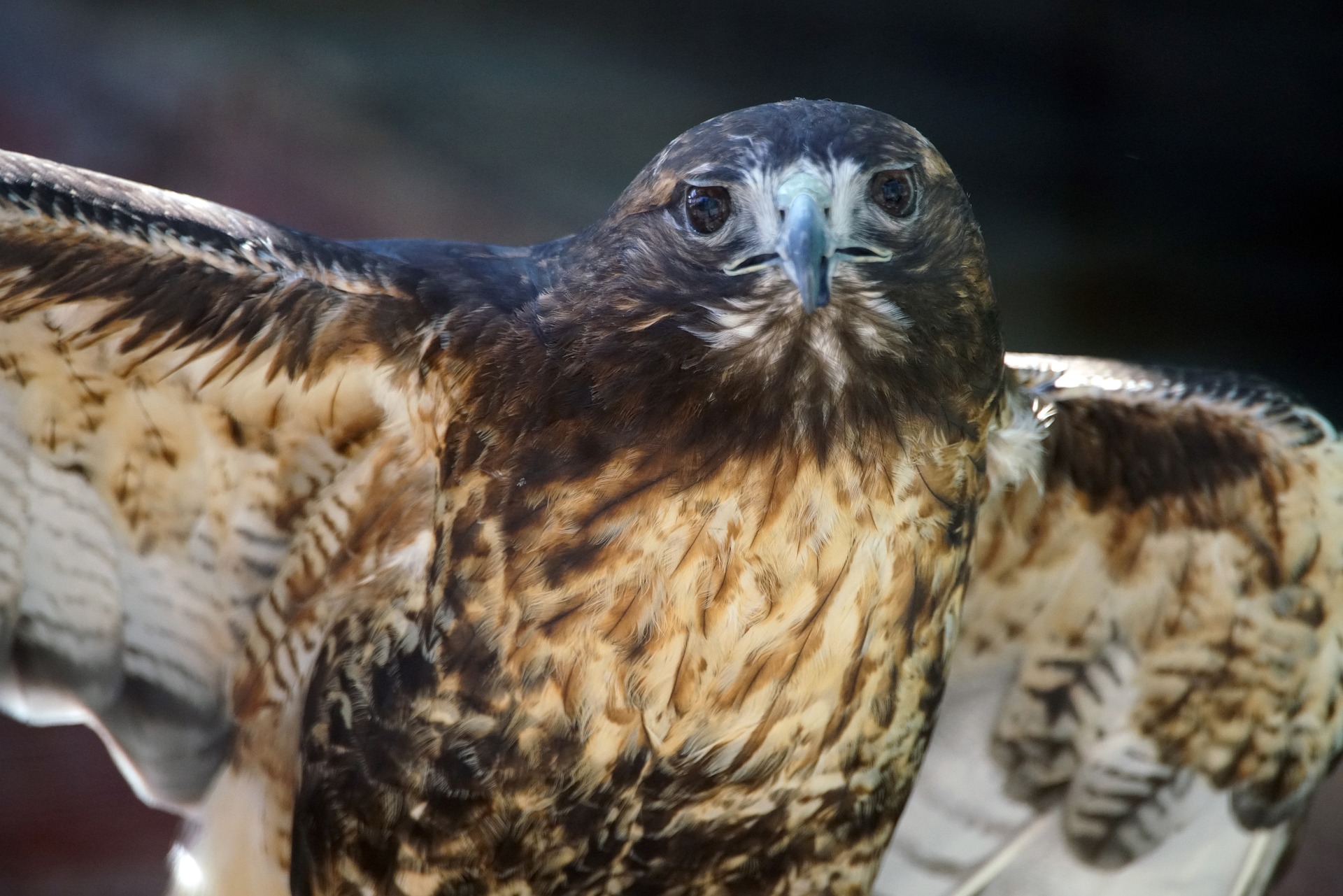
Falconers have a unique and interesting hobby. They train birds of prey to hunt for food. This can be challenging, as these birds are not domesticated and must be taught how to obey their human masters. Falconers have a unique and close relationship with their birds. Feeding falcons the right amount is important for these bird enthusiasts, so what should they eat?
Falconers feed their birds a range of live prey, such as mice, rats, rabbits, and other small mammals. They also feed them various bird or game meat types like quail, pheasant, duck, or pigeon. It is recommended that they give their birds a variety of food to keep them healthy and interested in hunting. Falconers must ensure that the food given to their birds is fresh and of the highest quality.
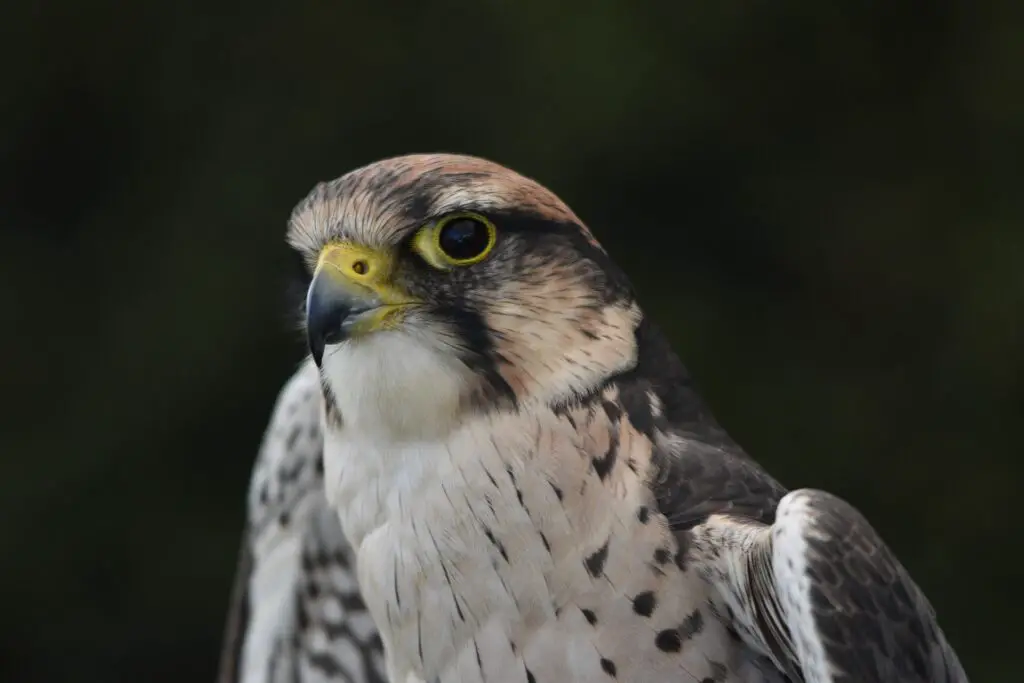
Feeding birds of prey poses many challenges, including cost and time, so we will take a look at what falconers feed their birds and discuss the benefits of good food and the consequences of poor food.
What is the most common food raptors eat in captivity?
Regarding feeding raptors in captivity, the two most popular choices among falconers are mice and rats. The mice and rats used for feeding come from a controlled source and are generally less expensive than buying food specially formulated for use in bird-of-prey diets. Understanding that these birds will not eat a monotonous diet, dietary variety such as poultry (wings and meat scraps), day-old chicks, fish, eggs, and properly cooked lean meats can be included to ensure the raptors receive a stimulating diet.
In addition, many premixed diets are available if one is particularly concerned about providing optimal nutrition for their feathered friend. Knowing exactly what these magnificent predators need helps them stay healthy and thrive in captivity.
How often do falconers feed their birds?
Falconers feed their birds two to three times a day, and the portion sizes typically depend on the age and size of the bird as well as the activity level. Larger meals are good for younger birds or those getting ready to hunt or show, but too much food can lead to an overweight bird. The variety of food items allowed by falconers also plays a role; while they usually feed mostly rodents and rabbits, they may throw in some extra items like chicken parts or small pieces of steak, too.
Furthermore, it is important for falconers to identify when their birds are full so that they don’t overfeed them. By monitoring their bird’s eating habits, falconers can ensure that their raptor is properly nourished and able to work optimally.
Do falconers cook the food or provide it raw to their raptors, and why?
Falconers often provide their raptors with raw food in its natural state. This mimics what birds of prey would eat in the wild and allows for the most nutritious diet. It also helps facilitate a more natural hunting behavior in raptors, where falcons can hunt and catch their own food. The food is generally frozen as soon as it’s available from a trusted butcher so that it is safe for consumption and lasts longer in storage before being served to the raptor.
A regular diet provides structure to the schedule, making it easier for both falconer and raptor. It’s often not convenient for the falconer to cook food for their raptors, so providing fresh and raw food is the best practice.

How does the diet of a captive bird compare to that of its wild counterpart, and why is this important for conservation efforts?
Captive birds have diets that significantly differ from their wild counterparts. The importance of this distinction goes beyond mere convenience or managing cost—it has a major impact on conservation efforts. Wild birds typically require specific diets to stay healthy, including food sources that provide minerals, vitamins, fats, carbohydrates, and proteins. However, due partly to the lack of control over the diet, captive birds must provide supplemental nutrients through specialized commercial Nutri-Paks or individually formulated supplements.
Without these components in the diet, captive birds can’t maintain the same level of health that wild birds do, significantly decreasing their survival rate if released back into the wild and affecting future recruitment for conservation efforts. Accordingly, much effort must be given to ensure a closely monitored and balanced diet during captivity to ensure an optimal outcome upon release.
Which foods are poisonous to raptors and must be avoided at all costs
Many birds of prey, such as hawks and falcons, ingest food that may be toxic to the birds, even leading to death in extreme cases. It is, therefore, essential to ensure that these birds do not consume any poisonous foods. Common toxic items to many bird species include chocolate, caffeine, avocado, and alcohol. Along with these more well-known items, some household plants, such as holly and azaleas, also contain toxins that are highly dangerous for avian predators.
Of course, it’s important for owners of birds of prey to research what their animals can and cannot safely eat in order to prevent costly health emergencies or even worse. Heeding this warning and providing a healthy diet is paramount in ensuring the health of our feathered friends.
What happens if a falconer gives a raptor the wrong food?
The consequences can be dire if a falconer gives incorrect food to a raptor. For example, raptors require nutrients not found in people’s food, such as carbohydrates and vitamins. As a result, the bird will become weak and susceptible to illness and even death if not provided in its diet. As such, it is important for falconers to research the most appropriate foods for their raptors and ensure they are provided in sufficient amounts.
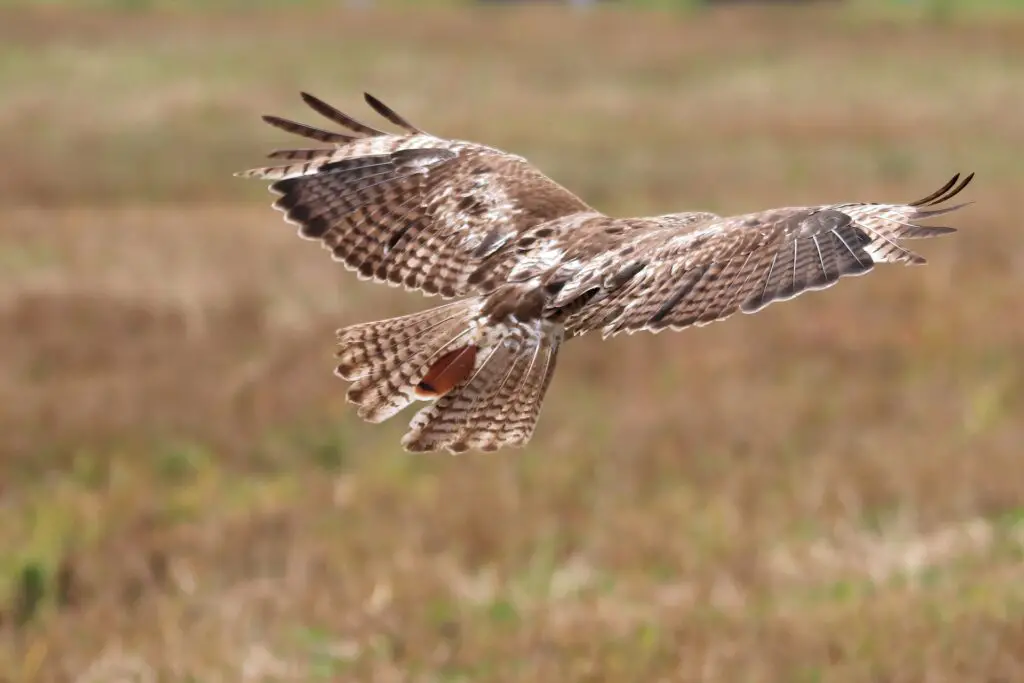
If you’re interested in becoming a falconer, it’s important to know what kind of food to feed your bird. Make sure to consult with an expert before starting out to provide your bird with the best possible diet.
Master the Art of Aviary Care!
Keeping your bird of prey’s home clean is essential for their health and well-being. Learn expert tips, DIY cleaning techniques, and best practices to maintain a safe and hygienic environment.
Check Out Our Related Topics: