
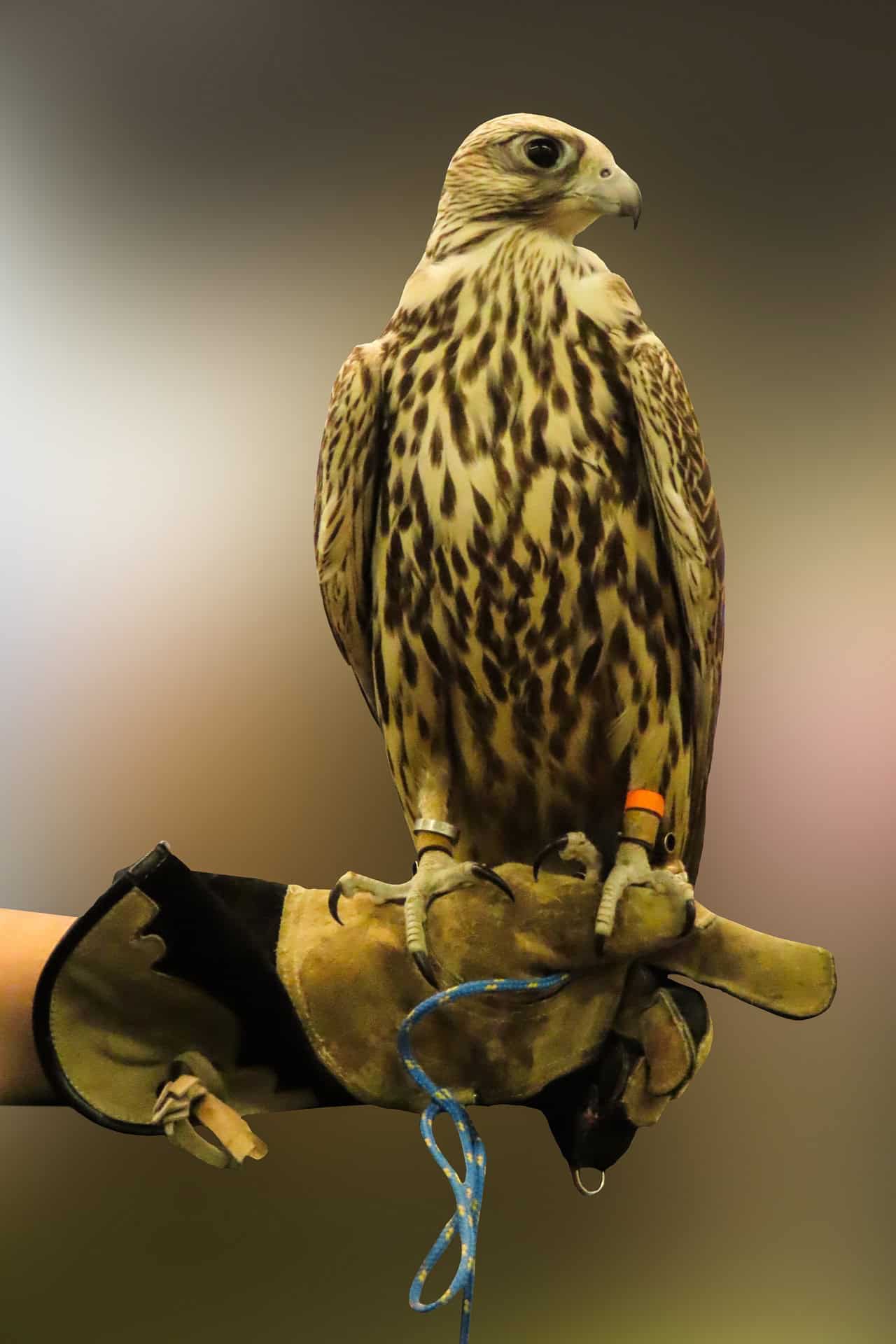
Birds of prey, like any animal, require a balanced diet to maintain their weight. By tailoring their diet for proper nutrition, establishing a regular schedule for feeding times, and monitoring portion sizes, we can ensure that they stay fit and strong. I aim to provide adequate exercise opportunities and training to keep my birds at their optimal weight. It is essential to avoid overfeeding and obesity, as excessive weight can hurt their hunting and feeding abilities.
How to sustain the weight of your bird of prey?
Feeding a bird of prey can be challenging, as they have specific dietary needs and preferences. The first step in sustaining their weight is to understand the nutritional requirements of your particular bird species. Let us explore some essential recommendations for ensuring optimal weight management in birds of prey:

Tailoring Diet for Proper Nutrition
Raptors require a diet high in protein and fat, as these nutrients provide them with the energy they need for flying and hunting. It is crucial to feed them a variety of fresh whole foods, such as mice, rats, quails, rabbits, fish, and even insects. The specific type of food may vary depending on the species of bird you have. To ensure that my bird receives the necessary nutrients, I follow these three guidelines:
1. Balanced Diet: I provide a variety of prey items that mimic the natural diet of my bird. This includes offering a mix of small mammals, birds, and insects. By offering a balanced diet, I ensure that my bird receives all the essential nutrients it needs for optimal health and care.
2. Nutritional Supplements: I suggest you consult with a veterinarian to determine if any specific nutritional supplements are necessary for your bird. These supplements can help address any potential deficiencies and promote overall well-being.
3. Monitoring and Adjustments: I regularly monitor my bird’s weight and behaviour to ensure that it is maintaining a healthy weight. If necessary, I make adjustments to its diet to prevent underweight or overweight conditions.
Establishing a Regular Feeding Schedule
Birds of prey are accustomed to hunting and eating at specific times. Therefore, it is essential to establish a regular feeding schedule for your bird. The frequency and portion sizes of meals may vary based on the species’ age, size, and activity level. For adult birds, I recommend feeding once or twice a day, while younger birds may require more frequent meals. It is crucial to maintain consistency in meal times to ensure that their biological rhythms remain stable.
Monitoring and Adjusting Portion Sizes
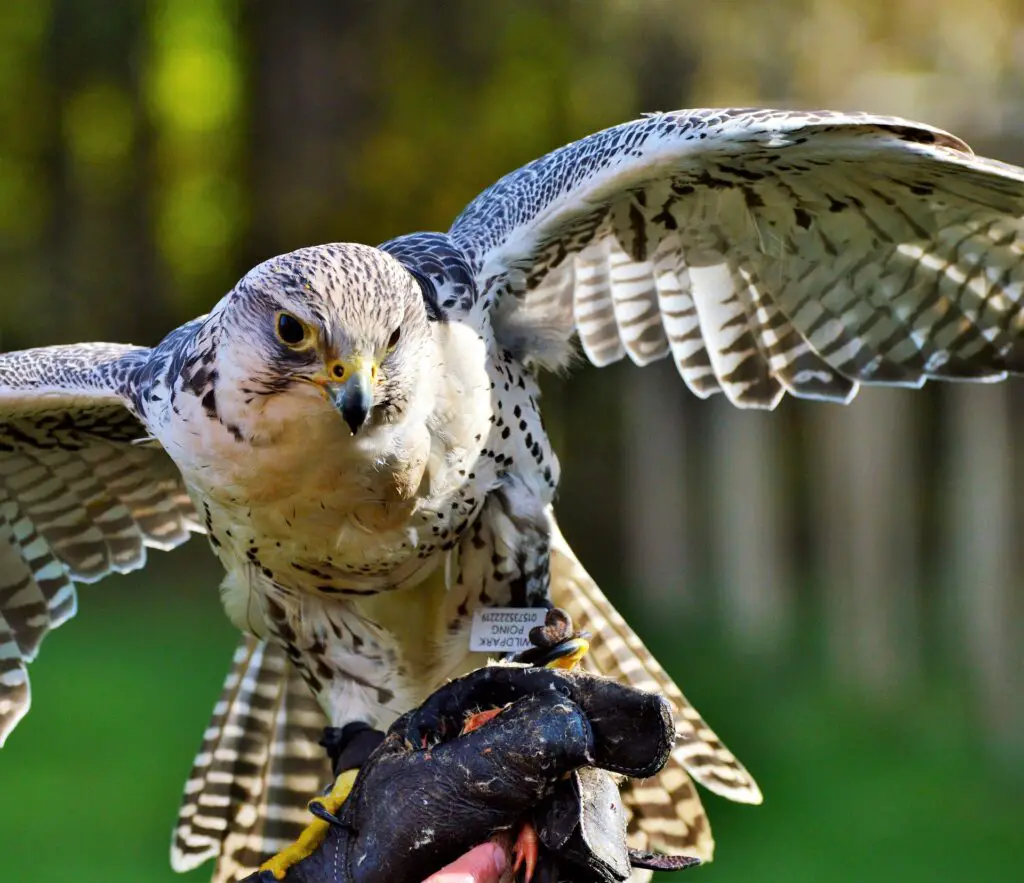
By regularly monitoring and adjusting portion sizes, you can effectively sustain the weight of your bird. It is crucial to ensure that the bird is getting the right amount of food to maintain a healthy weight. Here are three key points to consider when monitoring and adjusting portion sizes:
1. Assess the bird’s current weight: Regularly weigh the bird to establish a baseline weight. This will help determine if adjustments to the portion sizes are needed.
2. Observe the bird’s behaviour: Pay attention to the bird’s eating habits and energy levels. If the bird appears lethargic or has a decreased appetite, it may be necessary to adjust the portion size accordingly.
3. Consult with a veterinarian: Seek professional guidance from a vet who specializes in raptor care. They can give you specific advice based on the bird’s species, age, and activity level.
Providing Adequate Exercise Opportunities and Training
Regular exercise is vital to keep your birds active, healthy, and mentally stimulated. Maintaining their weight includes more than just their diet; training and exercise are equally crucial in helping them maintain a healthy weight. Here are some ways I ensure my bird has ample opportunities for exercise and training:
- Encouraging flying: Allow your bird to fly freely in a safe and secure outdoor environment.
- Providing toys: Offer different types of toys that encourage physical activity and mental stimulation.
- Training exercises: Engage your bird in training exercises, such as recall training or agility courses. These activities not only provide exercise but also foster a strong bond between you and your bird.
By following these guidelines and providing sufficient exercise opportunities, we can ensure that our birds of prey maintain their optimal weight for a healthy and fulfilling life.
| Exercise Opportunities | Benefits |
| Free-flight sessions | Allows the bird to stretch its wings, practice hunting behaviours, and strengthen flight muscles |
| Simulated hunting exercises | Stimulates the bird’s natural instincts, provides mental stimulation and encourages exercise through chasing and capturing prey. |
| Interactive toys | Keeps the bird engaged and active, promoting physical activity and preventing boredom. |
Avoiding Overfeeding and Obesity
Overfeeding can lead to obesity in birds of prey, which can have detrimental effects on their health and well-being. Here are some tips to avoid overfeeding:
- Monitor food intake: Keep a record of the amount of food your bird consumes each day. This will help you track any changes in eating habits.
- Limit high-fat foods: While fat is an essential part of their diet, providing too many high-fat foods can result in obesity. Ensure a balance between protein and fat sources.
- Measure portion sizes: Use a digital scale to measure the food portions accurately.
Remember, it is always better to slightly underfeed than overfeed your bird. If you are unsure about the correct portion size for your bird’s weight and activity level, consult with a veterinarian for guidance.
How Does Excessive Weight Impact a Bird of Prey During Hunting
The excessive weight of a bird of prey can significantly hinder its hunting abilities. When a bird is carrying excess weight, it becomes less agile and efficient in capturing prey. Here are three specific impacts of excessive weight on hunting and feeding:
1. Reduced Flight Speed: Excess weight increases drag during flight, making it harder for birds to reach high speeds. This reduces their ability to chase and catch fast-moving prey, limiting their hunting success.
2. Decreased Maneuverability: Birds of prey rely on their agility to maneuver through the air and swiftly change direction while hunting. Excessive weight can impair their ability to make quick turns and adjustments, making it more difficult to capture prey.
3. Increased Energy Expenditure: Carrying extra weight requires birds to exert more energy during flight and hunting. This increased energy expenditure can lead to fatigue more quickly, reducing their overall hunting and feeding efficiency.
Therefore, it is essential to maintain a healthy weight for your bird of prey to ensure its survival and success when hunting.
Finding the Perfect Balance to a Healthy Weight for Your Bird
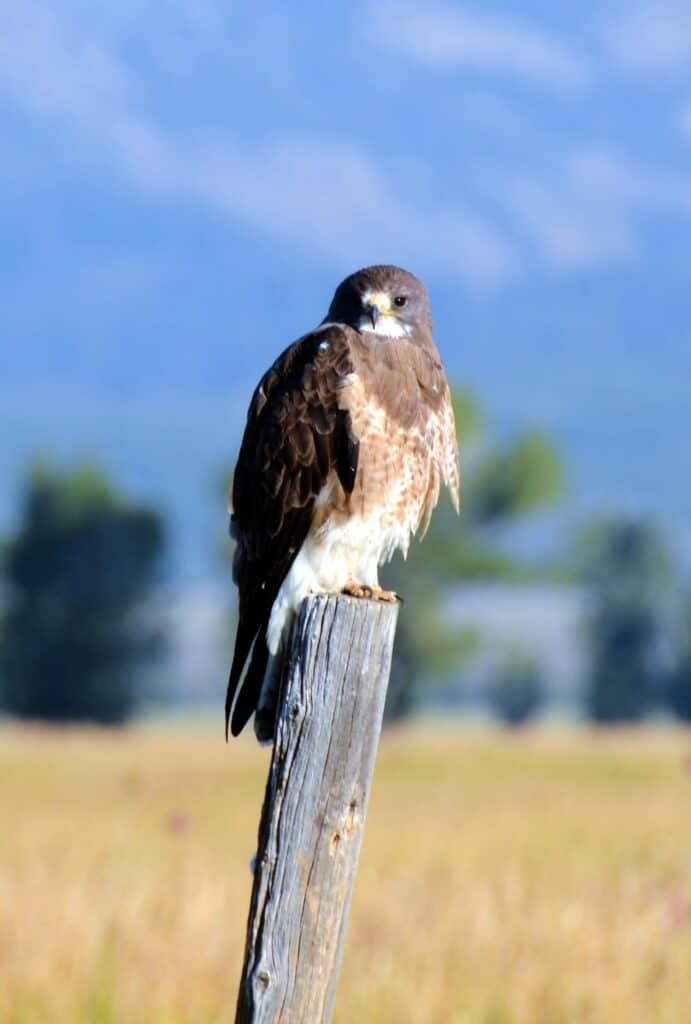
Keeping your bird at a healthy weight is crucial for its overall well-being and performance. A bird that is too heavy may struggle to fly efficiently, affecting its hunting skills and agility. On the other hand, a bird that is underweight may lack the necessary energy and stamina required for successful hunting.
Finding the perfect balance involves monitoring your bird’s weight regularly and adjusting its diet accordingly. Consult with a bird specialist or veterinarian to determine the appropriate weight range for your specific bird species. They can provide guidance on proper nutrition, feeding schedules, and exercise routines to help your bird maintain a healthy weight and thrive in its natural habitat.
As you can see, monitoring and maintaining a healthy weight for your bird of prey is crucial for its overall well-being and hunting success.
Frequently Asked Questions
How Can I Determine the Ideal Weight Range for My Bird of Prey?
- The ideal weight range for a bird of prey can vary depending on its species, age, and activity level. Consult with a vet to determine the appropriate weight range for your specific bird.
How Often Should I Monitor My Bird’s Weight?
- It is recommended to monitor your bird’s weight at least once a week. This will help you track any changes and make necessary adjustments to their diet and exercise routine.
What Are Some Signs of Obesity in Birds of Prey?
- Some common signs of obesity in birds include difficulty flying, decreased activity levels, and a noticeable increase in weight. Consult with a veterinarian if you suspect your bird may be overweight.
What Are the Potential Health Risks Associated With Underweight Birds of Prey?
- Underweight birds may experience a weakened immune system, increased susceptibility to illnesses and infections, and reduced fertility.
Can Excessive Weight Affect the Flight Abilities of My Bird of Prey?
- Excessive weight can significantly impact the flight abilities of a bird of prey. It can make them slower, less agile, and reduce their endurance.
Check Out Our Related Articles below:
Comprehensive Guide to Supplements for Birds of Prey in Falconry