
In my experience with falconry, the right perch can significantly impact the bird’s well-being. I’ve explored various types, each serving a unique purpose, from ring to block perches. The design and materials matter, affecting grip and stability. Proper height is crucial for ease of landing. However, the care and maintenance of these perches often get overlooked.
Types of Perches Used in Falconry
Regarding perches in falconry, each type serves a specific purpose that can enhance the bird’s comfort and performance. I find the nuances between a ring perch, screen perch, block perch, bow perch, and strike perch fascinating, as they all contribute uniquely to a falconer’s toolkit. Understanding these variations allows us to create an optimal environment for our raptors, ensuring they thrive in our care.
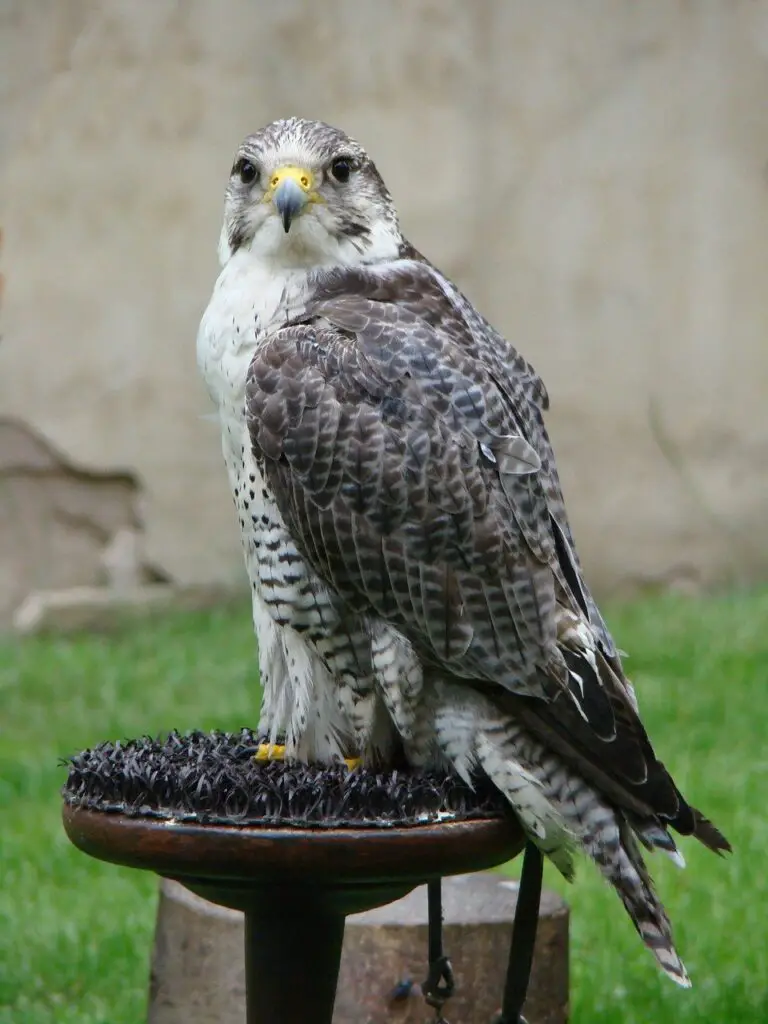
Ring perch
Though various types of perches exist in the world of falconry, the ring perch stands out for its unique design and functionality. Its benefits include promoting foot health and providing stability. Typically made from durable materials like wood or metal, I ensure the dimensions and placement suit my bird’s needs. Accessories like padding enhance comfort, making it an essential choice for falconers.
Screen perch
After discussing the ring perch, it’s important to explore another popular option: the screen perch. These perches come in various types and are typically made from durable materials like aluminum or PVC. Their height and placement are crucial for comfort and visibility. Here’s a quick comparison of screen perch features:
| Type | Materials | Benefits |
|---|---|---|
| Standard | Aluminum | Lightweight |
| Portable | PVC | Easy to transport |
| Adjustable | Wood/Metal | Customizable height |
| Fixed | Composite | Stability |
| Wall-mounted | Metal | Space-saving |
Block perch
Block perches are fundamental in falconry, providing birds with a sturdy and secure resting place. Crafted from durable block perch materials, their height and stability can be tailored to suit various species. Placing them in optimal block perch locations enhances comfort, while the benefits of proper design ensure our birds feel safe and at ease, promoting their overall well-being.
Bow perch
While block perches serve as a solid foundation for our birds, bow perches offer a unique alternative that caters to specific needs and behaviors in falconry. I love the versatility they provide with various bow perch materials and adjustable height. Proper placement ensures stability, while accessories enhance their functionality.
– Encourages natural perching behavior
– Aesthetic appeal in your setup
– Enhances bird comfort and safety
– Fosters a deeper bond with your bird
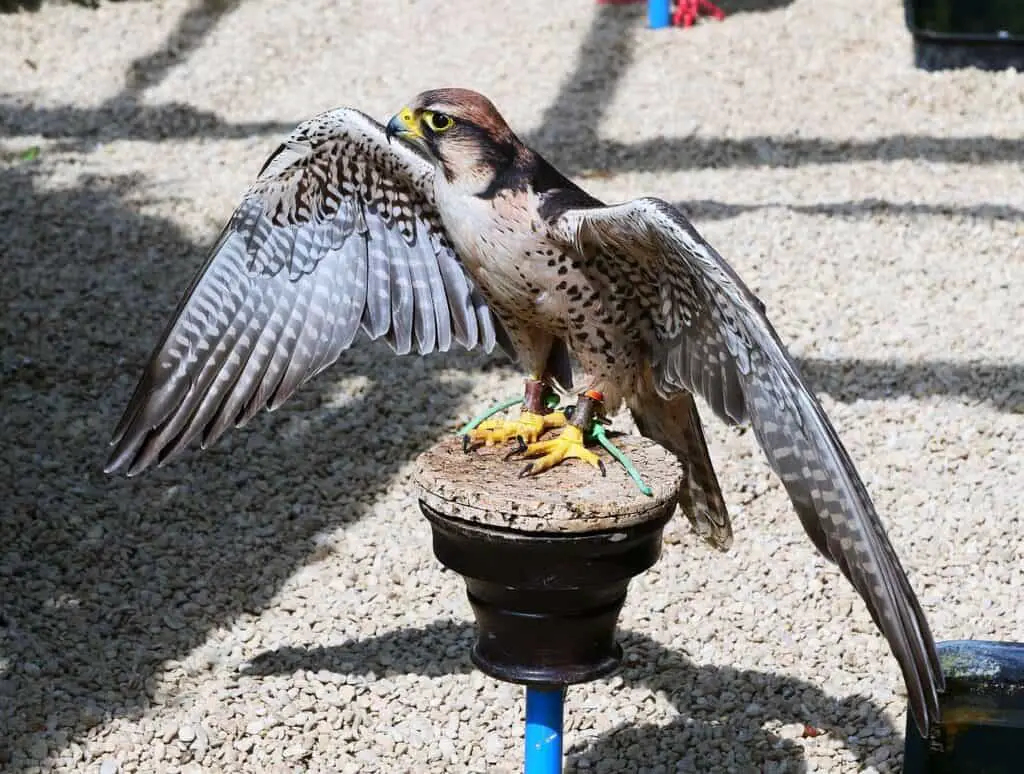
Strike Perch
Strike perches play a crucial role in falconry. They offer a specialized platform designed for training and hunting scenarios. Their benefits include enhancing a bird’s striking ability and comfort.
Placement and dimensions are critical for stability, and they are made from durable materials like wood or metal. I also make adjustments to accommodate different birds, ensuring optimal performance and safety.
Weighing Perch
A weighing perch is an essential tool in falconry. It is meticulously designed to monitor a bird’s weight and health. It ensures accurate perch measurements and effective weight management, promoting bird comfort and perch stability.
– Helps maintain optimal health
– Enables precise weighing methods
– Supports training and performance
– Fosters a bond between falconer and bird
The Importance of Perch Design
While having the right type of perch for your bird is essential, ensuring proper design elements and regular maintenance is equally crucial. Factors like grip, stability, height, and placement contribute to a bird’s comfort and well-being.
- Grip: A falconer must carefully consider the materials used for perches. The texture and diameter should allow optimal foot grip without causing discomfort or injury.
- Stability: Proper dimensions and placement promote stability, allowing birds to land comfortably without fear of falling or losing balance.
- Height: Depending on the species and behavior of our birds, we must understand how different heights can impact their comfort levels when perching. Placing perches at varying heights can add variety and stimulation to their environment.
- Placement: When placing perches, consider environmental factors like sunlight, wind, and shelter. This ensures our birds are comfortable and protected while perching.

Maintenance and Care for Perches
Maintaining perches in falconry is as important as their initial design. I focus on effective perch cleaning techniques and thoughtful perch material choices. I also consider perch placement strategies to ensure the safety of my birds. Seasonal perch adjustments help accommodate environmental changes.
- A clean perch promotes health.
- Durable materials ensure longevity.
- Strategic placement enhances comfort.
- Safety is paramount for my raptor’s well-being.
Expert tips for perch use
Utilizing perches effectively can significantly enhance a falcon’s training and overall well-being. I recommend employing perch placement strategies that consider the bird’s natural instincts.
Seasonal perch adjustments and considerations of perch height help accommodate their needs. Don’t overlook perch material selection, as it impacts comfort and grip. Lastly, be mindful of environmental perch effects, ensuring your falcon thrives in its surroundings.
Best Dimensions For Perches
| Raptor Species | Recommended Perch Diameter | Recommended Perch Height | Notes |
|---|---|---|---|
| Peregrine Falcon | 3-5 inches | 24-36 inches | Ideal for medium-sized raptors, ensures grip and comfort. |
| Red-tailed Hawk | 4-6 inches | 24-36 inches | Larger perch diameter supports their heavier build. |
| American Kestrel | 2-3 inches | 12-24 inches | Smaller perch fits their compact frame. |
| Harris’s Hawk | 3-5 inches | 18-30 inches | Versatile with good weight distribution. |
| Golden Eagle | 6-8 inches | 36-48 inches | Adequate for their large size and significant weight. |
| Owl | 2-4 inches | 12-24 inches | Provides stability while accommodating their lightweight body. |
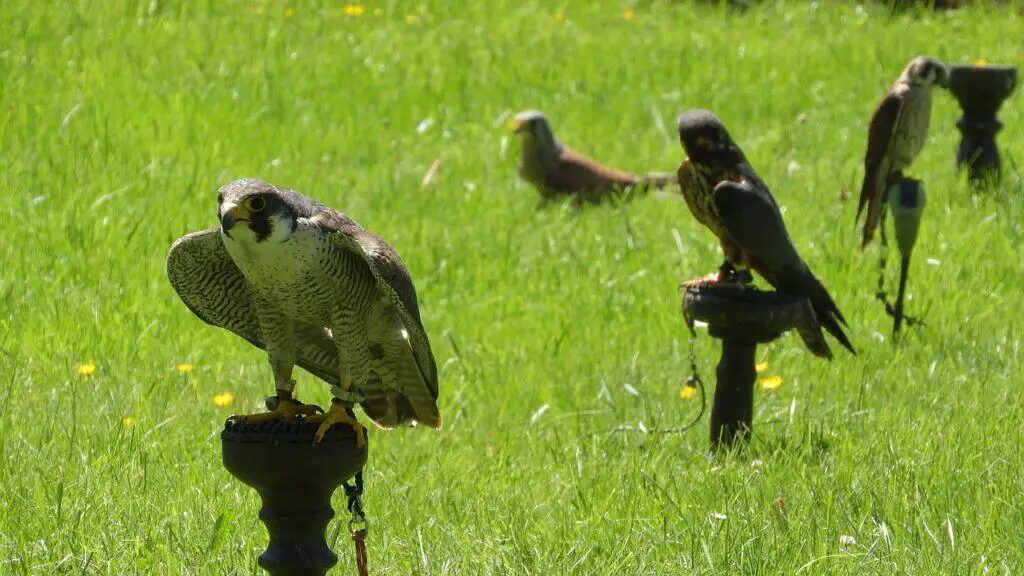
This table provides general guidelines, but your raptor’s preferences and needs should always be considered. Adjust dimensions as necessary to ensure their safety and comfort.
In falconry, the right perch isn’t just an accessory; it’s vital for my bird’s well-being. I’ve seen firsthand how the proper design and materials can enhance their comfort and encourage natural behaviors. By prioritizing maintenance and thoughtful placement, I ensure their health and happiness.
Want to master the art of perch selection and maintenance for your raptor? Dive deeper into expert insights and best practices—explore our related topic on falconry today!
How to keep your bird occupied when in their aviary
What types of security can I add to keep my birds of prey safe in their aviary?