
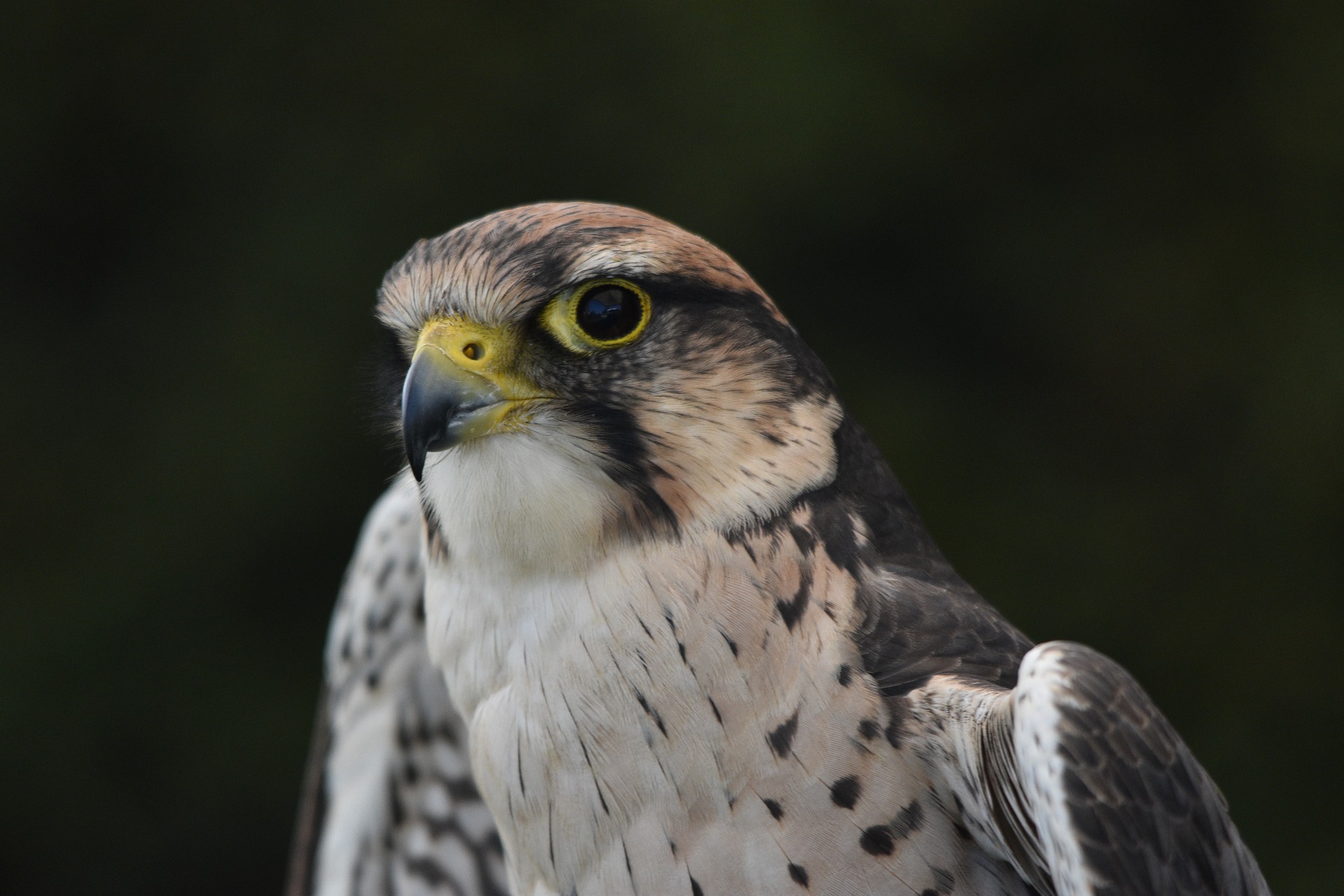
Keeping your birds of prey safe and secure is no small task. Whether you own hawks, owls, falcons, or all of them, you must ensure that their aviary is as comfortable for them as possible and securely protected from potential intruders or predators. Fortunately, you can take several practical steps to safeguard your raptors’ home. Let us take a look:
When securing your aviary, you can explore various options and products. But first, let’s take a look at the most common security features used to keep predators out of your aviary:
- Padbars
- Padlocks
- Infra-Red Beam Systems
- Vibration sensors
- CCTV
- Floodlighting
- Alarms
- Microchipping
- Proofing
From locks and alarms to specially designed mesh roofing and intruder deterrents, there are many different ways to secure your aviary from potential predators or thieves. In this blog post, we will provide helpful tips on the various security measures important for protecting birds of prey in an outdoor aviary setup.

What are the functions of specific security features?
Security features serve many important functions, from protecting the safety of raptors to deterring criminals.
Padbars
Padbars provide strong security for mews doors and weathering areas, offering better protection than standard locks. These heavy-duty steel bars span the door frame and are secured with quality padlocks, making forced entry difficult. For falconry facilities, install padbars with concealed fixings to prevent tampering and ensure your birds are safe from theft or release.
Padlocks
High-security padlocks are vital for securing mews doors, safety corridors, and weathering areas. Choose padlocks designed to resist cutting, drilling, and picking. For better security, use different padlocks for different areas instead of a single key system, and regularly check for tampering. A good padlock is your first line of defense.
Infra-Red Beam Systems
Infra-Red beam systems create invisible security barriers around your facility. When a beam is broken, an alarm alerts you to potential threats. These systems are especially useful for remote facilities or overnight protection. Position beams around entry points and between mews for full coverage.
Vibration Sensors
Vibration sensors detect forced entry by sensing unusual movement or impacts on doors, windows, and walls. Installed on mews and weathering areas, they provide an early warning against break-ins. Modern systems can distinguish between environmental vibrations and actual threats, reducing false alarms while maintaining protection.
CCTV
CCTV provides 24/7 monitoring, deterring thieves and offering evidence in case of a breach. AI-driven CCTV systems can identify unusual activity and send alerts to your phone. Place cameras to cover entry points, mews, and weathering areas for full security.
Floodlighting
Floodlighting removes shadows where intruders might hide. Motion-activated lights are effective at startling thieves and drawing attention to unauthorized activity. Position lights carefully to avoid disturbing your birds, particularly during rest or breeding periods. Solar-powered options ensure security during power outages.
Alarms
Integrated alarm systems provide instant notifications of breaches. Modern systems can be monitored remotely via smartphone apps. Consider both audible alarms to deter intruders and silent alarms to notify security without alerting the thief. Place sensors where birds can’t accidentally trigger them.
Microchipping
Microchipping permanently identifies your birds, essential for recovery if stolen. Each microchip has a unique code proving ownership. Though not preventive, microchipping increases chances of recovery and provides undeniable proof. Pair microchips with traditional ID methods like leg bands or tags.
Proofing
Proofing reinforces weak spots in your mews and weathering areas to prevent escape or intrusion. Use vertical bars on windows (spaced narrower than your bird’s width), secure, cut-resistant mesh, and proper door sweeps to stop birds from pushing underneath. Proofing protects against theft and accidental loss.
Security features are essential elements of any home or business security plan today.
What is the best measure to keep foxes out of my aviary?
Keeping foxes away from your aviary is essential to protecting your birds, but it can seem daunting. However, there are some easy, effective measures to keep foxes out of your aviary:
- Build an enclosure with a solid fence at least 2 metres tall, made from materials such as galvanized wire and metal brackets that are difficult for foxes to break through or dig under. Ensure the fence has a heavy-duty gate which can be securely closed and locked whenever needed.
- Keeping your aviary clean by ensuring all food leftovers are cleaned up and disposed of immediately will help to prevent foxes from finding and accessing the area.
- Consider using predator deterrents such as motion-activated sprinklers, which will shock intruders when they come close, giving them a reason to move away rather than linger in your aviary grounds.
These measures should successfully keep foxes out of your aviary and ensure that your feathered friends are safe and secure.

What are the reasons for installing security in my aviary?
Installing security in an aviary is essential for protecting your birds and their eggs from potential intruders and predators. Not only do burglars seek to steal valuable, exotic birds, but animals such as cats, foxes and other predators are a significant threat. An adequate security system should include metal mesh or bars on the walls and roof of the aviary, as well as thick-gauged wiring on windows and door points.
There should also be access control systems using locks which can restrict entrance to authorized personnel only. Furthermore, an alarm system installed outside can alert owners if any suspicious activity occurs in the vicinity of their aviary. Taking the time to consider all aspects of installing security into your aviary allows peace of mind knowing that your precious feathered inhabitants will remain safe from harm.
Is there any equipment that can help find my bird if I lose them while hunting?
When it comes to hunting, the last thing you want is to worry about losing a beloved pet bird. Fortunately, there are now advanced pieces of equipment available that can help you stay connected to your feathered friends even when they go off searching for prey. These devices include GPS tracking systems that allow you to pinpoint the coordinates of your birds with pinpoint accuracy, giving you peace of mind of knowing their exact whereabouts at all times.
You can also purchase smaller, more compact systems that will send out an alert if your bird lands in an area where it should not be, allowing you to retrieve and put them back on the hunt quickly. With these solutions, hunting with birds can become safe and enjoyable for everyone involved!
As you can see, many aspects must be considered when designing an aviary for your birds of prey. However, by researching and planning, you can create the perfect environment for your birds that will keep them healthy and happy for years.