
As a falconer, I’ve encountered the many challenges of keeping my raptors healthy in the face of various diseases. Understanding the symptoms associated with these illnesses is crucial for early detection and treatment in falconry. From respiratory distress to gastrointestinal disturbances, recognizing the signs of diseases like Aspergillosis and Frounce can make all the difference in safeguarding the well-being of these magnificent birds.
Throughout this post, I will cover the diseases that can affect raptors, and hopefully, it will help you highlight any problems before they occur.
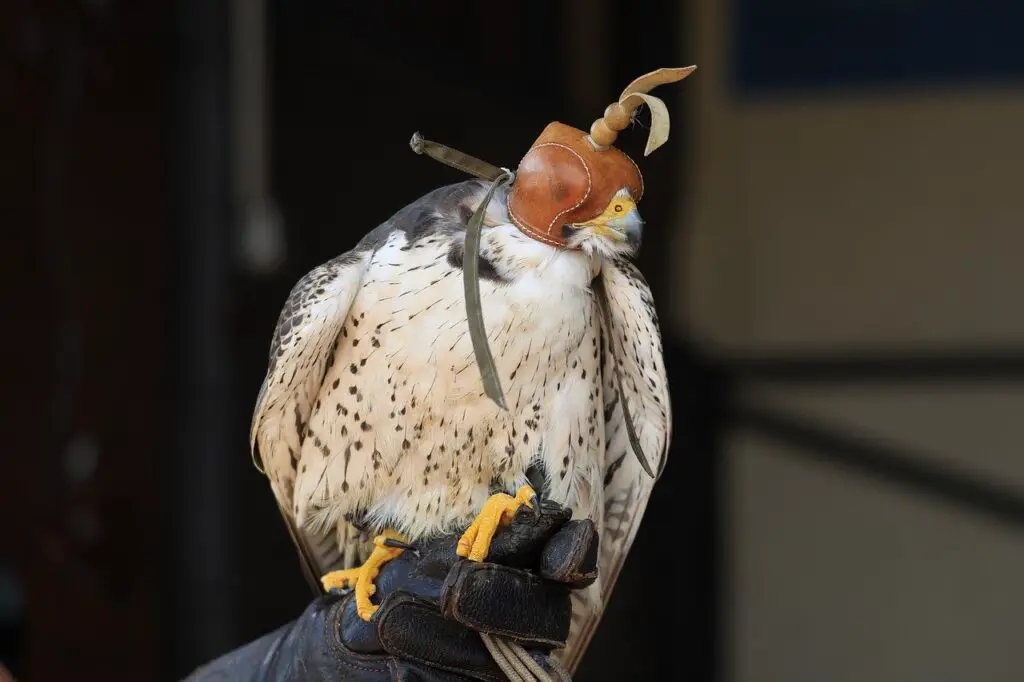
25 diseases or sickness that can affect your birds of prey in falconry
Coccidiosis
Coccidiosis in raptors can present a significant challenge for falconers and bird enthusiasts alike. This gastrointestinal disease, caused by the protozoan parasite coccidia, primarily affects the mucous membranes of the digestive tract in infected birds. The parasite’s presence damages the intestinal lining, resulting in symptoms such as diarrhoea, weight loss, and dehydration.
Coccidiosis spreads through ingestion of contaminated food or water, making prevention crucial through proper hygiene and management practices. Diagnosis involves faecal testing to identify oocysts, the parasite’s resistant stage. Treatment usually includes medications targeting the coccidia life cycle stages. Prompt veterinary intervention and supportive care are essential for managing coccidiosis and ensuring the health and well-being of raptors.
Aspergillosis
Aspergillosis, a respiratory disease caused by the fungus Aspergillus, poses a significant threat to raptors such as Gyrfalcons, Goshawks, and Snowy Owls. This fungal infection primarily affects avian species, leading to respiratory signs like difficulty breathing, coughing, and nasal discharge. Diagnostic methods for Aspergillosis include radiographs, blood tests, and fungal cultures from respiratory secretions.
Treatment options involve antifungal medications such as itraconazole, voriconazole, or amphotericin B. Additionally, supportive care like nebulization therapy and maintaining optimal environmental conditions are crucial for the recovery of affected raptors. Early detection and prompt treatment are essential to combat the devastating effects of Aspergillosis on these magnificent birds’ respiratory systems.
Newcastle Disease
Newcastle Disease, a highly contagious viral infection affecting a wide range of bird species, poses a significant threat to raptors kept in captivity for falconry purposes. This avian paramyxovirus can have devastating effects on the health of falcons and other raptors if not properly managed.
Symptoms of Newcastle Disease can vary but commonly include respiratory signs such as coughing, sneezing, and nasal discharge.
In more severe cases, neurological signs like tremors, paralysis, and twisted necks may also manifest. Vaccination is crucial in preventing Newcastle Disease outbreaks among captive raptors. Regular vaccination schedules and strict biosecurity measures are essential in safeguarding the health and well-being of these magnificent birds.

Avian Influenza
Avian Influenza, also known as bird flu, is a highly contagious viral infection that primarily affects birds but can also infect mammals, including humans. This respiratory tract infection is caused by avian influenza viruses, leading to a range of clinical signs such as coughing, sneezing, nasal discharge, and difficulty breathing. In raptors, avian influenza can result in severe illness and potentially fatal outcomes.
Understanding the transmission dynamics of this infectious disease is crucial to prevent outbreaks and protect both avian populations and humans. Rapid diagnosis and appropriate management are essential in controlling the spread of avian influenza within falconry settings. Regular monitoring for clinical signs and prompt veterinary consultation is key in managing this significant viral disease.
Fowl Cholera (Avian Cholera)
Birds of prey face various health challenges, from viral infections like Avian Influenza to bacterial diseases such as Fowl Cholera (Avian Cholera). Fowl Cholera, caused by Pasteurella multocida bacteria, poses a significant threat to wild birds and can be zoonotic. Here are some key points to consider:
- Bacterial infections like Fowl Cholera can spread rapidly among raptor populations.
- Wild birds are particularly vulnerable to contracting Fowl Cholera.
- Signs of disease include sudden death, swollen joints, and difficulty breathing.
- Fowl Cholera is a fatal disease if left untreated.
Immediate veterinary attention is crucial upon observing any symptoms of Fowl Cholera to prevent its spread and ensure the well-being of affected birds.
Pneumonia
Experiencing inflammation in the lungs, Pneumonia is a respiratory condition commonly affecting raptors, characterized by the presence of fluid or pus in the air sacs. This bacterial disease poses a significant threat to avian health, leading to various respiratory symptoms such as coughing, difficulty breathing, and lethargy.
Raptors with Pneumonia may exhibit decreased appetite and weakness due to the infection compromising their respiratory function. Immediate veterinary attention is crucial to diagnose and treat Pneumonia promptly, as untreated cases can worsen rapidly, impacting the overall well-being and performance of the affected bird. Regular monitoring for respiratory symptoms and maintaining optimal avian health practices are essential in preventing and managing Pneumonia in falconry raptors.
Heamoproteus
Heamoproteus, a parasitic protozoan commonly found in birds, particularly raptors, poses a significant health concern in falconry. This blood parasite can lead to severe health issues in our avian companions. When dealing with Heamoproteus, watch out for these key symptoms and considerations:
- Anaemia and weakness due to blood loss.
- Poor hunting performance and lethargy in affected raptors.
- Jaundice, a yellowing of the skin and eyes, indicating liver damage.
- Increased heart rate and respiratory distress due to the parasite’s impact on vital organs.
Regular blood screenings and veterinary consultations are crucial for early detection and treatment of Heamoproteus infections.
Lead poisoning
Lead poisoning is a well-documented threat to raptors in falconry, with detrimental effects on their health and hunting abilities. This condition arises from environmental contamination, where raptors ingest lead particles, leading to heavy metal toxicity. Clinical signs of lead poisoning in these birds include weakness, weight loss, tremors, and neurological abnormalities. As lead accumulates in their bodies, it can severely impact their organ function and overall health.
Prompt detection and treatment are crucial to prevent irreversible damage. Falconers must be vigilant in monitoring their birds for any signs of lead poisoning, ensuring a safe environment free from lead exposure to protect the well-being of their raptors.
Gapeworms
Gapeworms, scientifically known as Syngamus trachea, are parasitic nematodes that infect the respiratory tracts of various bird species, including raptors like falcons. When dealing with gapeworm infestations, here are key points to consider:
- Gapeworms cause respiratory distress in infected birds.
- Tracheal infestation by Syngamus trachea can lead to coughing and gasping.
- Avian parasites like gapeworms can obstruct the airways, causing breathing difficulties.
- Symptoms of gapeworm infection include head shaking and open-mouth breathing.
Prompt veterinary intervention is crucial to diagnosing and treating gapeworm infestations effectively.
Metabolic Bone Disease (MBD)
Metabolic Bone Disease (MBD) is a significant concern in raptor management, particularly for birds of prey like falcons. MBD is often caused by a calcium deficiency, leading to bone deformities due to a nutritional imbalance. Raptors suffering from MBD may exhibit weakened bones, fractures, or abnormal growth patterns.
Calcium plays a crucial role in bone formation and maintenance, making it essential for the health of these magnificent birds. To prevent MBD in raptors, it is vital to provide a well-balanced diet rich in calcium and other essential nutrients.
Regular monitoring of calcium levels and bone health is necessary to detect MBD early, and intervention by providing a well-balanced diet rich in calcium and other essential nutrients is vital with appropriate treatment to ensure the well-being of these majestic creatures.
Torticollis (Wry Neck)
Experiencing Torticollis, commonly known as Wry Neck, can be distressing for falcons and other raptors. When dealing with this issue, it is crucial to be aware of the following:
- Symptoms: Torticollis presents as a twisted or tilted neck, making it difficult for the bird to keep its head straight.
- Causes: This condition can be caused by various factors, including infections like Aspergillosis or injuries.
- Impact: Wry Neck can severely hinder a raptor’s ability to hunt, fly, and even groom itself.
- Treatment: Veterinary intervention is necessary to diagnose the underlying cause and provide appropriate treatment.
- Prevention: Maintaining a clean and stress-free environment can help prevent infections like Aspergillosis, reducing the risk of developing Torticollis.
Gout
Gout is a condition of concern among falconry enthusiasts and practitioners. In avian species, gout is characterized by joint inflammation caused by the accumulation of uric acid crystals. This metabolic disorder often affects birds with diets high in purines, leading to increased uric acid levels in the bloodstream.
In raptors, gout can manifest as swollen joints, lameness, and discomfort during movement. Diagnosis involves evaluating clinical symptoms and conducting blood tests to assess uric acid levels. Treatment typically includes dietary modifications to reduce purine intake and medication to manage pain and inflammation. Regular monitoring and preventive measures are essential to safeguard the well-being of birds susceptible to gout.
Sinusitis
Developing inflammation within the sinus cavities and sinusitis poses a significant concern for raptors utilized in falconry. Avian sinusitis, also known as sinus infection or sinus inflammation, can severely impact a bird’s respiratory health. Here are some key points to consider:
- Upper respiratory tract disease can lead to sinusitis.
- Symptoms may include nasal discharge and difficulty breathing.
- Regular veterinary check-ups are crucial for early detection.
- Treatment often involves antibiotics and supportive care.
- Preventative measures include maintaining optimal hygiene in the bird’s environment.

French Moult
What is French Moult, and how does it impact falconry raptors? French Moult is a condition that affects the feather development of birds, particularly aviary birds like falconry raptors. It is caused by a viral infection known as “Tory Disease” that weakens the immune system, leading to abnormal feather growth and severe feather loss.
This disease can significantly impact falconry raptors’ overall health and hunting abilities, as feathers play a crucial role in their flight, insulation, and protection. Proper diagnosis and management of French Moult are essential to prevent further feather loss and ensure the well-being of these magnificent birds in captivity.
Rickets
Rickets is a metabolic bone disorder primarily caused by a deficiency in vitamin D, calcium, or phosphorus, leading to weakened and soft bones in falconry raptors.
- Bone Deformities: Rickets can cause bowed legs, enlarged joints, and poor bone growth.
- Vitamin D Deficiency: Inadequate exposure to sunlight or a lack of dietary vitamin D can contribute to rickets.
- Calcium Absorption: Insufficient calcium absorption due to vitamin D deficiency further exacerbates bone weakening.
- Growth Retardation: Young raptors are particularly vulnerable to stunted growth and developmental delays.
- Treatment: Providing vitamin D supplements, improving diet, and ensuring proper exposure to sunlight can help manage rickets in falconry raptors.
Chlamydiosis (Avian Chlamydia)
With a global impact on avian populations, Chlamydiosis, also known as Avian Chlamydia, is a bacterial infection caused by Chlamydia psittaci. Raptors are particularly susceptible to this respiratory infection, which can lead to severe illness and even death if left untreated. Avian chlamydia not only poses a threat to the affected raptors but also carries the risk of zoonotic transmission to humans, highlighting the importance of prompt diagnosis and treatment.
Symptoms of chlamydiosis in raptors may include respiratory distress, nasal discharge, lethargy, and decreased appetite. If you observe any of these signs in your birds, seek veterinary care immediately to prevent this infectious disease’s spread and safeguard the raptors and yourself from its consequences.
Blackhead
Blackhead disease, also known as histomoniasis, is a parasitic infection that primarily affects turkeys and chickens.
- This disease is caused by the protozoan parasite “Histomonas meleagridis.”
- This disease predominantly affects chickens and turkeys but can affect raptors.
- Symptoms in affected birds include weight loss, lethargy, drooping wings, and yellowish droppings.
- Preventative measures include maintaining a clean environment, preventing contact with wild birds, and administering coccidiostats.
- If left untreated, blackhead disease can be fatal for turkeys and chickens, impacting falcons indirectly through the reduction of available prey.
Fluke or flatworms (Trematodes)
Having discussed Blackhead disease and its impact on turkeys and chickens, the focus now shifts to the topic of fluke or flatworms, scientifically known as Trematodes. Fluke worms, or trematodes, are parasitic flatworms that can cause serious digestive issues in raptors. These worms infect the digestive system, leading to symptoms such as weight loss, diarrhoea, and decreased appetite.
Raptors can contract these parasitic infections through contaminated food sources or water. Regular faecal floats are essential for detecting and addressing these infections promptly. If left untreated, fluke worms can severely impact falconry raptors’ health and hunting capabilities. Therefore, understanding the signs and symptoms of these parasites is crucial for maintaining the overall well-being of these magnificent birds.
Roundworms (Ascarids)
Investigating the realm of avian parasites, the focus now converges on roundworms, scientifically termed Ascarids. These intestinal parasites can pose significant risks to raptors if left untreated. When dealing with roundworms in falconry raptors, it’s essential to consider the following:
- Roundworms (Ascarids) are common causes of intestinal infections in birds.
- Veterinary diagnosis is crucial for identifying and treating roundworm infestations.
- Symptoms of roundworm infections include weight loss, poor performance, and digestive disturbances.
- Regular faecal floats should be conducted to detect and monitor parasitic infections.
- Prompt treatment is necessary to prevent the adverse effects of parasitic infections on raptors’ health and hunting abilities.
Louse or Lice
Regularly inspecting and monitoring the plumage and skin of falconry raptors is crucial for detecting the presence of louse or lice infestations. These parasites can lead to sick birds, causing discomfort and potential health complications. Lice can contaminate the birds’ food source, leading to secondary infections and impacting their overall well-being. In adult birds, louse or lice infestations can be particularly concerning as they can affect the intestinal tract, causing digestive issues and nutrient absorption problems.
Therefore, swift identification and appropriate treatment are essential to prevent the spread of these parasites and maintain the health of falconry raptors. Regular checks and good hygiene practices can also help prevent and control louse or lice infestations.
Maggots
Maggots, the larvae of flies, can pose a significant threat to the health and well-being of falconry raptors. These tiny creatures can cause severe issues if left untreated. When dealing with maggots in raptors, keep in mind the following:
- Fly strikes can lead to rapid maggot infestation.
- Myiasis is the term used for maggot infestation in living tissue.
- Wound infection risk increases with maggot presence.
- Larvae feeding on live flesh can exacerbate the bird’s condition.
- Swift removal and proper wound care are crucial to prevent complications.
Being vigilant and acting promptly when maggots are detected can make a substantial difference in the recovery and well-being of the affected falconry raptors.
Seizures
When considering the health and well-being of falconry raptors, one crucial aspect to address is the occurrence of seizures. Seizures, also known as convulsions, are neurological symptoms that can indicate underlying brain disorders such as epilepsy. In raptors, seizures may manifest as sudden, uncontrolled movements, loss of consciousness, or abnormal behaviour.
These episodes can be distressing for both the bird and the falconer, highlighting the importance of prompt veterinary evaluation. Monitoring for any signs of seizures and understanding the potential causes, such as metabolic imbalances or neurological conditions, is essential for maintaining the overall health of falconry raptors. Early detection and appropriate treatment are vital in managing seizures and their impact on these majestic birds.
Blockage
Moving from the discussion on seizures to the topic of blockages in falconry raptors, it is crucial to address the potential risks and implications of this condition. Blockages in raptors can be challenging and require prompt attention. Here are key points to consider:
- Symptoms: Watch for signs like regurgitation, lethargy, or difficulty breathing.
- Diagnosis: X-rays are often necessary to identify the location and severity of the blockage.
- Prevention Strategies: Ensure proper housing and diet to minimize the risk of blockages.
- Treatment Options: Surgery may be needed in severe cases to remove the blockage.
- Post-Recovery Care: Monitor the bird closely and adjust its diet to prevent future blockages.
Frounce (Avian Trichomoniasis)
Upon examination of raptor health concerns, one prevalent issue that warrants attention is Frounce, also known as Avian Trichomoniasis. Avian Trichomoniasis is caused by the parasite Trichomonas gallinae and primarily affects the upper digestive tract of raptors.

Symptoms of Frounce include regurgitation, difficulty swallowing, weight loss, and lethargy. To diagnose Frounce, a veterinarian may perform a physical examination, swab the lesions for testing, or conduct a crop wash to identify the parasite.
Treatment typically involves administering antiprotozoal medications like dimetridazole or ronidazole. Preventative measures such as maintaining good hygiene, preventing overcrowding, and providing a balanced diet can help reduce the risk of Frounce in falconry raptors. Early detection and prompt treatment are crucial in managing Avian Trichomoniasis effectively.
Dehydration
In falconry, dehydration poses a critical risk to the health and performance of raptors. Dehydration in raptors can lead to severe health issues if not addressed promptly. Here are some key points to consider:
- Raptors can show symptoms of dehydration, such as sunken eyes, lethargy, and dry skin.
- Immediate veterinary attention is crucial if dehydration is suspected.
- Dehydration can impact the bird’s hunting abilities and overall well-being.
- Providing access to clean water at all times is essential to prevent dehydration.
- Monitoring the raptor’s water intake and hydration levels is vital for maintaining their health and performance.
In conclusion, falconers must be vigilant in monitoring their raptors for any signs of disease and seek immediate veterinary care if symptoms arise. By understanding the common diseases and their associated symptoms, falconry enthusiasts can better protect the health and well-being of their birds of prey. Early detection and prompt treatment are key in ensuring the longevity and performance of these magnificent creatures in the sport of falconry.
Protect Your Raptors! Stay informed about the health of your birds by learning to recognize early symptoms of disease and how to avoid it. Explore our comprehensive guides and resources to ensure your raptors thrive in falconry.
Check Out Our Related Topics:
Caring for Raptors in Falconry: Essential Guide
Handling and Safety Tips For Birds Of Prey In Falconry