
When it comes to handling and ensuring the safety of birds of prey in falconry, a keen focus on proper techniques and equipment is paramount. From the selection of suitable gear to understanding the nuances of approaching and handling these birds, every step plays a crucial role in their well-being. In this guide, we will discuss some essential tips for handling and ensuring the safety of birds of prey in falconry.
Proper Equipment
The first and most important aspect of safely handling your bird is to have the correct equipment.
Here’s a list of equipment that I feel is a must-have for any falconer:
Falconry Gloves
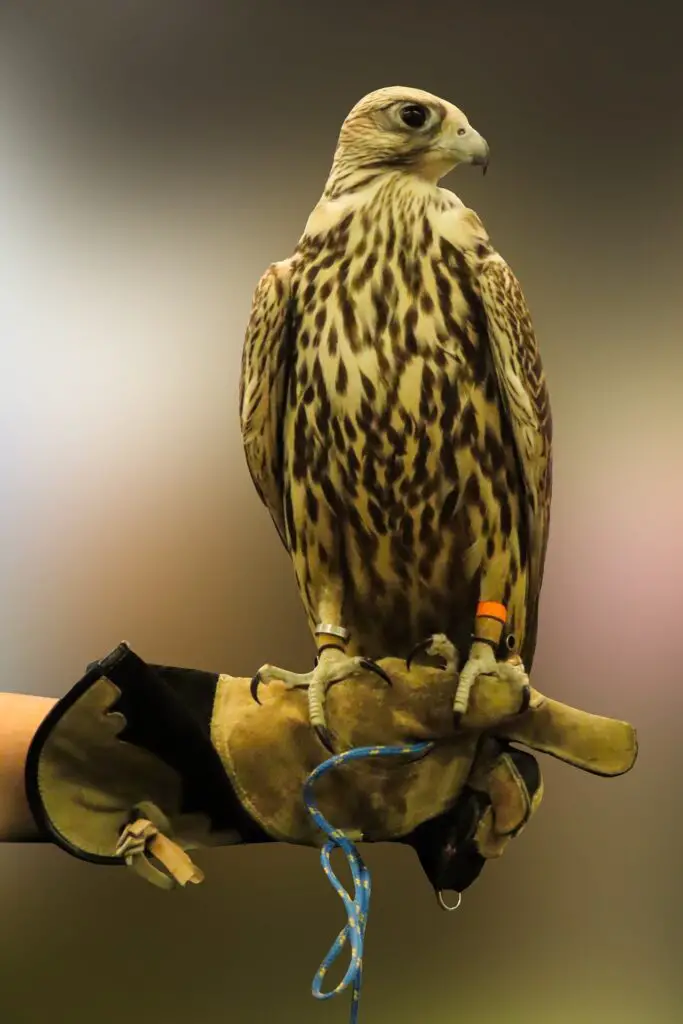
Falconry gloves are an essential piece of equipment that protects your hand from the sharp talons and beaks of birds of prey. They should fit snugly and not be too long, as this can impede movement and decrease handling effectiveness.
Jesses
Jesses are leather straps used to secure the bird’s legs during handling or training. Properly fitted jesses allow for a secure hold on the bird without causing any harm or discomfort.
Leash and Swivel
A leash, along with a swivel, is crucial for controlling your birds while they are flying or hunting. The leash acts as an extension of your hand, ensuring constant control over the bird’s movement.
Hood
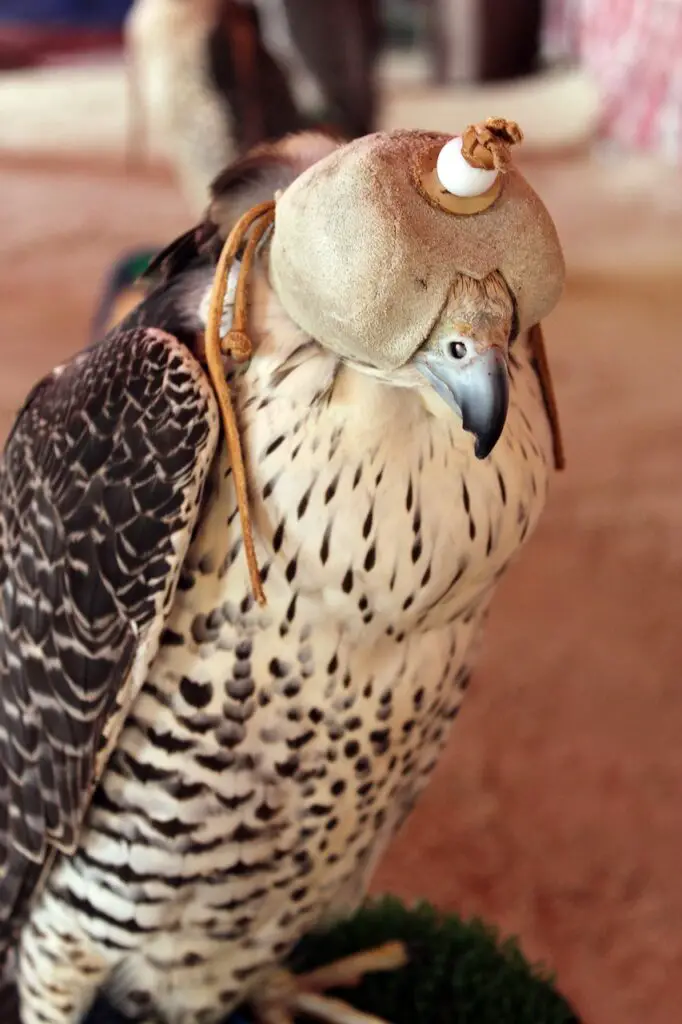
Hoods cover the birds’ eyes and block out distractions, providing a sense of security for them during transportation or when not being handled.
The Safety Grip
Correct hand position on the glove
Ensuring a secure and confident grip on the glove is crucial when handling birds of prey in falconry. Proper hand positioning not only ensures your safety but also the well-being of the bird. Here are some tips on achieving the correct hand position on the glove:
- Find your balance: Position your hand on the glove so that it feels balanced and comfortable, ensuring you have full control over the bird’s movements.
- Maintain a firm yet gentle grip: Grip the glove firmly to prevent the bird from slipping off, but avoid squeezing too tightly, which could cause discomfort or injury to the bird.
- Keep your wrist straight: Keeping your wrist straight provides stability to the glove and prevents any sudden movements that could startle the bird.
Proper placement of jesses behind thumb and fingers
Learning the proper placement of jesses behind your thumb and fingers, also known as the Safety Grip, is essential for ensuring the security of the bird during handling. When holding your bird, the Safety Grip technique provides a secure and comfortable hold that minimizes the risk of the bird escaping or causing harm.
To execute the Safety Grip properly, follow these steps:
| Thumb | Fingers |
| Place the jesses behind your thumb, ensuring a firm grip. | Curl your fingers around the jesses to secure them in place. |
| Keep your thumb positioned over the jesses to prevent slippage. | Avoid squeezing too tightly to allow for proper blood circulation. |
| Maintain a relaxed but firm grip to ensure control over the bird. | Check periodically to ensure the jesses are securely in place. |
| Practice the Safety Grip technique regularly for proficiency and comfort. | Remember that a secure grip is crucial for the safety of both you and the bird. |

Securing Excess Leash
During hunting or flying sessions, securing any excess leash is essential to prevent the bird from becoming entangled or hurt. Here are some tips for securing an excess leash:
- Tuck and twist: Tuck any loose leash into your belt or pocket and then twist it to form a loop.
- Attach to glove: Attach the looped leash to your glove using a carabiner or other attachment method.
- Use an elastic band: Wrap an elastic band around the excess leash and attach it securely to your glove.
Approaching and Handling
A Slow, Calm Approach
Here are some tips for approaching and handling your bird:
- Approach slowly: Birds of prey can get easily startled, so approach them slowly and calmly to avoid any sudden movements that could cause them harm.
- Avoid eye contact: Direct eye contact with a bird of prey can be seen as a threat, so try to avoid it while approaching or handling them.
- Use calm, reassuring tones: Speaking to the bird in a calming and reassuring tone can help build trust between you and the bird.
- Avoid touching the feathers: Birds of prey have delicate feathers that play a crucial role in their flight and hunting abilities. Avoid touching them to prevent any damage or discomfort.
- Observe body language: Pay attention to the bird’s body language, as it can give valuable insights into its mood and comfort level. If it appears agitated or uncomfortable, take a step back and reassess your approach.
- Maintain a relaxed posture: Birds of prey are highly sensitive to body language. Slowing and deliberate movements can help convey a sense of calm and assurance to the bird.
- Use soothing vocalizations: Speaking softly and using gentle, reassuring tones can help relax the bird and establish a positive connection between you and the bird.
- Avoid sudden movements: Sudden movements can startle the bird and lead to stress or aggression. By moving slowly and predictably, you can create a sense of security for the bird, making the handling process smoother and safer for both of you.
Vocalization techniques
In my experience with raptors, I’ve learned how crucial it is to master various methods to enhance my vocal abilities. By practicing different exercises, I’ve been able to improve my pitch, control, and overall sound. Each technique has taught me something unique about how to use my voice effectively.
Transferring the bird from perch to glove
To smoothly transfer a bird of prey from its perch to your glove, the key lies in maintaining a calm and confident demeanor. Approach the bird slowly and steadily, avoiding sudden movements that could startle it. Keep your focus on the bird and project a sense of assurance through your body language. Here are some tips to help you with the transfer:
- Breathe deeply and relax: Your bird can sense your energy, so staying calm will help keep the bird at ease during the transfer.
- Use a gentle, deliberate approach: Move your hand towards the bird smoothly and with purpose, showing respect for its space.
- Stay patient and attentive: Observe the bird’s body language for any signs of discomfort or agitation, adjusting your movements accordingly.
Hooding Techniques
Let’s discuss the important aspect of hooding techniques in falconry. Hooding helps keep birds calm and reduces visual stimuli, aiding in their training and overall well-being.
Benefits of hooding
- Reduced Stress: Hooding helps reduce stress levels during transportation or in unfamiliar environments by limiting the bird’s visual stimuli.
- Calming Effect: The darkness provided by the hood calms the bird, allowing it to relax and conserve energy.
- Security and Focus: Hooding helps the bird focus on the task at hand, such as training or hunting, by eliminating distractions and keeping it focused on the handler’s cues.
Proper hooding methods
When hooding your bird, I suggest you find a hood that fits correctly and comfortably. The hood should rest snugly on the bird’s head, covering its eyes completely without obstructing its breathing or causing any discomfort.
To hood a bird effectively, gently grasp the bird’s head with one hand and use your other hand to slide the hood over its head from the back. Make sure to be swift and smooth in your movements to minimize any stress on the bird. Adjust the hood as needed once the hood is in place to ensure a proper fit. Always monitor your bird’s behavior after hooding to ensure it’s calm and comfortable.
Training birds to accept hoods
When training birds of prey to accept hoods, it’s crucial to approach the process with patience and persistence. This training is essential for their well-being and safety during transportation or stressful situations. Here are some tips to I use help you train your bird to accept hoods effectively:
- Consistency: Consistently exposing your bird to the hood in short, positive sessions will help them become familiar and comfortable with it over time.
- Positive Reinforcement: Reward your bird with treats or praise when it shows acceptance of the hood. This positive association will make it more willing to cooperate.
- Gradual Progression: Introduce the hood gradually, starting with short periods and gradually increasing the duration. This gradual approach helps prevent overwhelming your bird and ensures a successful training experience.
Preventing and Managing Baiting
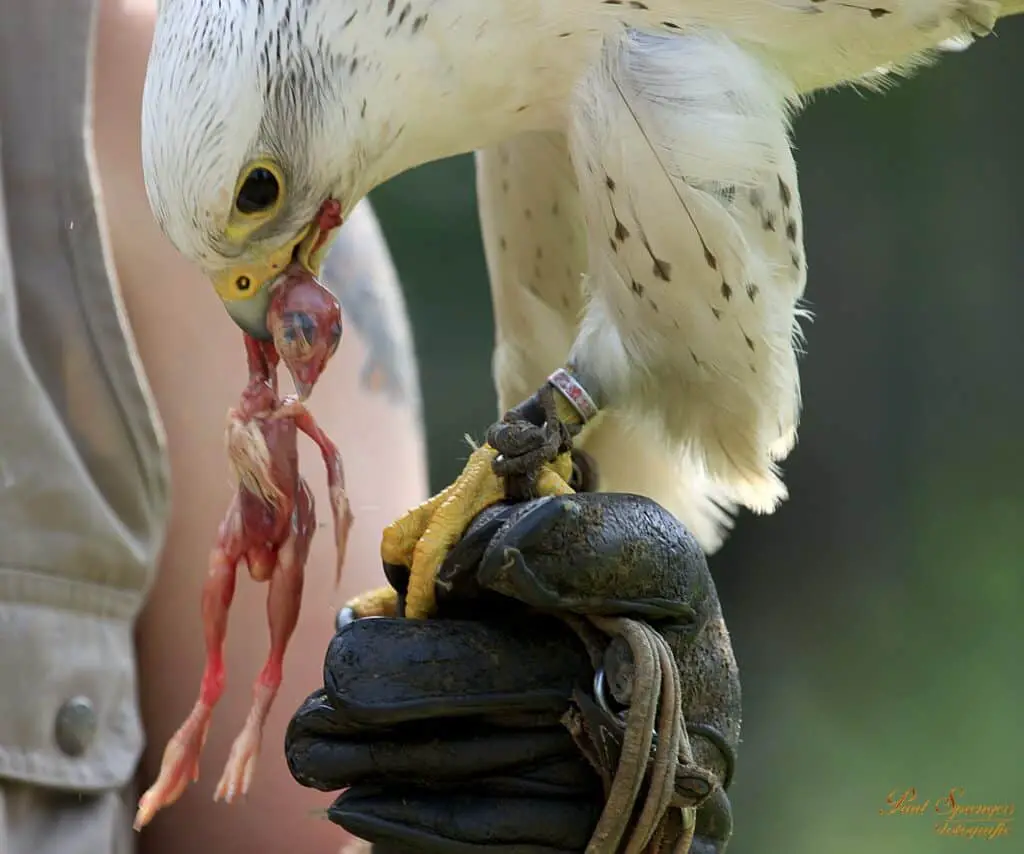
Baiting is when a bird tries to fly off the glove, usually due to fear, excitement, or discomfort. Proper techniques can help prevent baiting and safely manage it when it occurs.
Understanding what causes baiting
- Fear: Birds of prey may bait when they feel threatened or scared, prompting them to seek escape or protection.
- Hunger: An empty stomach can lead to restlessness and frustration, causing birds to engage in baiting behavior in anticipation of food.
- Stress: Environmental stressors such as loud noises, unfamiliar surroundings, or excessive handling can induce anxiety in birds, resulting in baiting as a coping mechanism.
Techniques to prevent baiting
- Proper training: A well-trained bird is less likely to bait as it has learned to trust and respect its handler.
- Sufficient food: Make sure your bird is fed adequately and on a consistent schedule. A full stomach can help prevent frustration or impatience, reducing the likelihood of baiting behavior.
- Safe and comfortable housing: Providing a secure enclosure with enough space for exercise and natural behaviors can help reduce stress levels in birds of prey, minimizing baiting tendencies.
Safely handling a bird that attempts to bait
Remaining calm and focused when handling a bird of prey that attempts to bait is essential to ensuring the safety of both the bird and the falconer. When faced with a bird trying to bait, follow these crucial steps:
- Stay composed: Take deep breaths and remind yourself of the bond you share with your bird. Keeping a clear mind will help you make rational decisions.
- Assess the situation: Determine the cause of the baiting behavior. Is the bird hungry, uncomfortable, or scared? Understanding the root of the issue is key to addressing it effectively.
- Implement corrective measures: Adjust the bird’s environment or training regimen as needed. Seek guidance from experienced falconers or bird behavior specialists to develop a tailored plan for overcoming baiting tendencies.
Conclusion
In conclusion, successfully handling and training birds of prey requires patience, confidence, and a deep understanding of their behaviors. By following proper techniques for hooding, preventing baiting, and safely managing it when it occurs, you can ensure the well-being of your bird and foster a strong bond between you and your raptor.
Remember to always approach these tasks with respect for the bird’s space and needs, and maintain a calm and confident demeanor for a successful falconry experience.
Ready to Master Safe Handling Techniques?
Whether you’re new to falconry or an experienced practitioner, ensuring the safety and well-being of your birds is always a top priority. Discover expert tips on Caring, Health, and keeping your raptors safe in all situations.
- Just starting out? Explore our beginner’s guide to falconry and learn the essentials of equipment and bird care. How to become a falconer.
- Experienced falconer? Dive deeper into advanced techniques for Hunting, training, and preventing baiting with our exclusive training resources.
Join our community and start your journey toward becoming a confident and skilled falconer, handling birds with care and precision!
Check