
When it comes to the well-being of our feathered companions in falconry, knowing how to administer essential first aid can make all the difference in their road to recovery. From assessing their injuries to providing immediate care, each step plays a crucial role in ensuring their health and safety.
But what specific techniques should one employ in these critical moments? Join me as we explore the fundamental principles of first aid for injured birds of prey in falconry, shedding light on the necessary skills and knowledge to assist these magnificent birds in times of need.
Recognizing Signs of Sickness or Injury
Identifying signs of illness or injury in raptors is essential for their health and survival. Vigilant observation can help detect problems early, allowing for timely intervention and treatment.
Physical Indicators
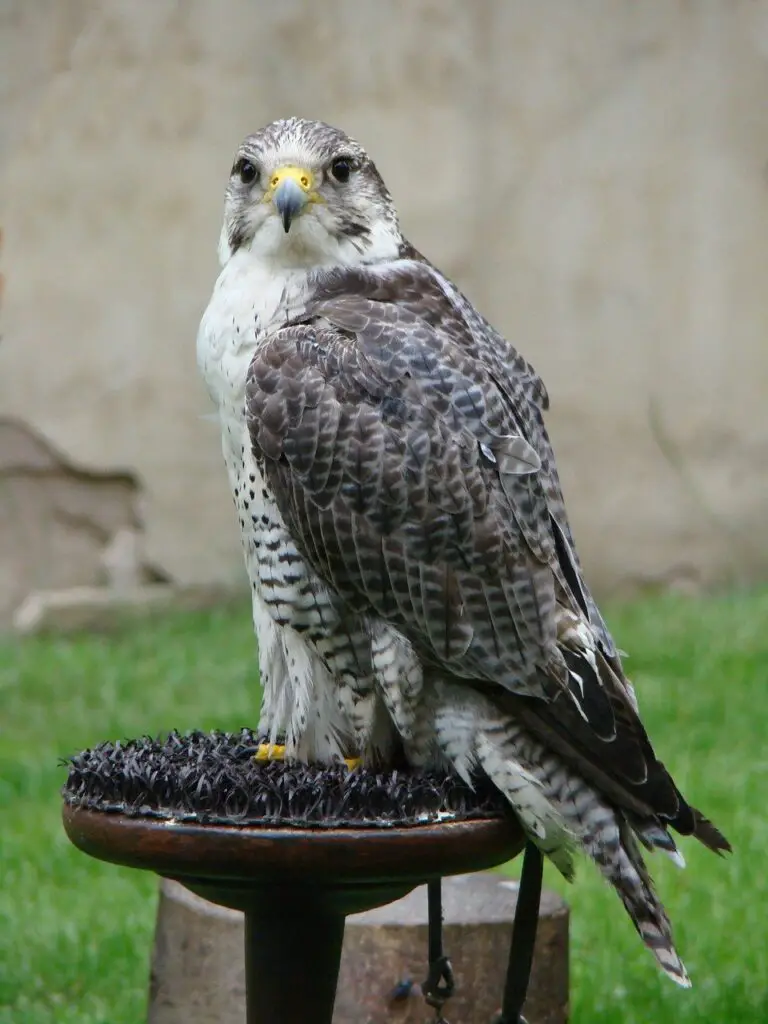
Obvious wounds, blood, or visible injuries are clear signs that a raptor needs immediate attention. Pay close attention to any abnormal movements, such as limping or favoring a leg, which may indicate an injury to the lower extremities. The inability to fly or maintain balance while perched can also signal serious health issues.
Behavioral Changes
Lethargy or unusual inactivity is a common sign of illness in raptors. Healthy birds are typically alert and responsive to their surroundings. If a raptor appears unusually docile or unresponsive, it may be suffering from a severe condition.
Materials Needed for First Aid
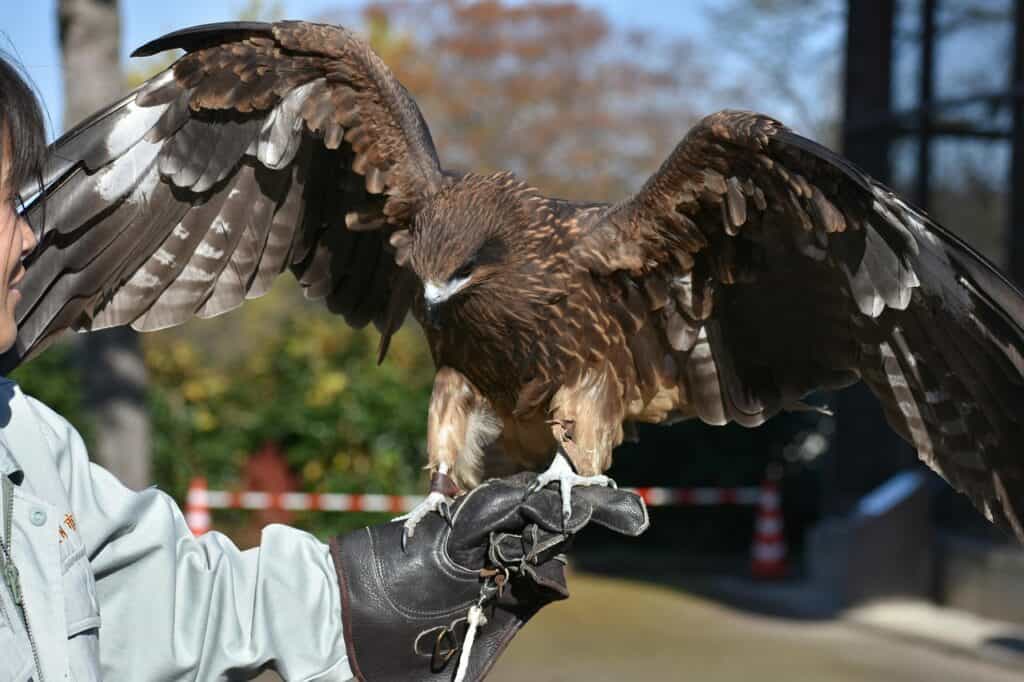
When it comes to providing first aid for injured raptors in falconry, having the right materials is crucial. Emergency kits tailored for raptors, extended with specific supplies, are highly recommended. Additionally, ensuring you have access to detailed raptor first aid instructions is mandatory for effective care.
First Aid (Emergency)
As we delve into emergency first aid for injured raptors in falconry, it’s crucial to have a well-equipped arsenal. Being prepared can make a significant difference in handling unforeseen situations swiftly and effectively, from essential medicines and tools to various dressings, topicals, and other supplies.
With the right materials in place, you can provide immediate care and support to your feathered companions in times of need. Here is a comprehensive table to follow:
| Tools | Dressings | Medicines | Topicals | Other |
|---|---|---|---|---|
| Penlight/Mini flash | Cotton balls | Benadryl Allergy | Aloe Vera | Favorite food |
| Nail clippers | Gauze pads | Antacid preparation (TUMS) | Antiseptic towelettes or wash | Squirt bottle (with water) |
| Nail file | Hot/cold pack | Pepto-Bismol | Artificial tears | Paper towels |
| Needle-nose pliers | Popsicle sticks or tongue depressors | KY Jelly | Sterile water | — |
| Rubber gloves | Q-Tips | Cornstarch | Water and cup | — |
| Scissors | Vet Wrap/Paper Tape | Neosporin Ointment | — | — |
| Stockinette or sock | — | Rubbing alcohol | — | — |
| Syringes | — | Alcohol swabs | — | — |
| Towel | — | Tissue glue | — | — |
| Tweezers | — | Band-Aids | — | — |
| Wire cutters | — | — | — | — |
| Cutter and crusher | — | — | — | — |
Extended Raptor kit – Suggestions
Betadine or Hibitane (chlorhexidine) – A potent disinfectant. Do NOT use hydrogen peroxide as it may cause tissue damage in birds.
Clotisol – A blood clotting gel effective for minor wounds, feather follicles, or bleeding talons and beaks. It stops bleeding quickly and safely, is less caustic than powders, and can be applied with cotton-tipped applicators. Avoid contact with mucus membranes (eyes, mouth, cloaca).
Eye dropper
Goo Gone is effective for removing grease or other substances from the bird’s skin or feathers. Alternatively, Polysorbate 80 can be used. Apply with a soft toothbrush, let sit briefly, and rinse with warm water.
Kaopectate
Lactated Ringer’s solution—This solution is used to rehydrate dehydrated birds via IV or flushing wounds. It can also be administered subcutaneously if the bird is dehydrated or in shock (available from your veterinarian).
Latex tubing – Use as directed by your avian veterinarian to administer medications and fluids or to flush a crop that won’t empty. Discuss these procedures with your Vet to learn proper techniques before an emergency arises.
Neck brace – Gray foam, cut to length to prevent the bird from chewing feathers or injuring itself. Ensure the bird can still access food and water.
Ophthalmic ointment – For treating scratched eyes and minor conjunctivitis.
Povidone iodine swab – Suitable for cleaning and treating wounds as directed by your avian veterinarian.
Tegaderm – Ideal for covering specific open wounds, aiding healing, and encouraging granulation.
Sterile lubricant – Use as directed by your Vet to keep an open wound moist and prevent infection. Sterile KY Jelly is effective and can be included in a first aid kit for immediate care.
Sterile surgical blade – Use as directed by your avian Vet; useful for cutting fibers tied around toes.
Suturing materials (surgical needles and thread) – Only use if you are trained or in a life-threatening situation. Seek veterinary care immediately.
Raptor First Aid Instruction (Mandatory)
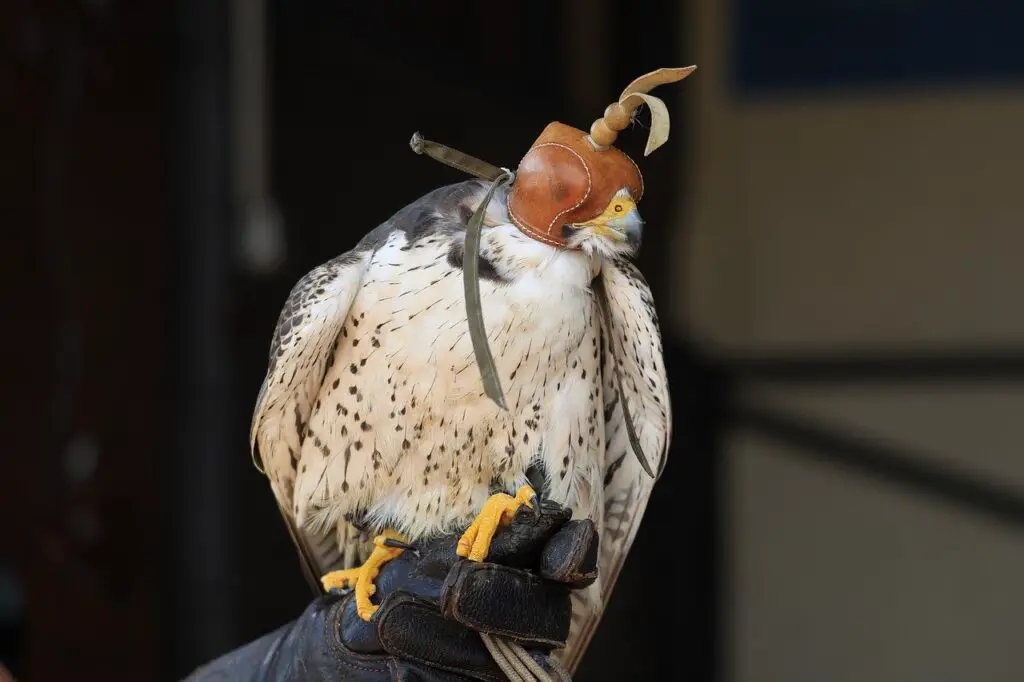
When faced with raptor emergencies, recognizing danger signs and knowing how to respond is crucial. Being prepared with the right materials and first aid instructions is mandatory for injuries and illnesses. In emergencies, staying calm and following proper protocols can significantly affect the outcome for the injured bird.
Danger Signs and Emergencies
In times of emergency, recognizing danger signs and responding swiftly with appropriate first aid measures can be crucial for the well-being of injured raptors.
- Obvious wounds or blood on the body
- Fluffy or sleepy appearance, allowing close approach
- Inability to fly
- Wings, legs, or head pointing in the wrong directions
- Limping or favoring a leg while walking
In Emergencies
During emergencies involving injured raptors, it is vital to have the necessary materials and instructions readily available for providing immediate first aid. Keep the injured bird warm during transport using heating pads, hot water bottles, or makeshift water bottles. Secure the bird in a carrier, box, or plastic container covered with a towel to minimize visual stimuli and prevent escape. Remember warmth, darkness, and a carrier for safe transportation to the Vet.
Emergency Feeding
Emergency feeding is a crucial skill for falconers to master, as it can mean the difference between life and death for a sick or injured bird of prey. This specialized technique involves preparing a nutrient-rich slurry that can be easily digested by a weakened raptor, providing essential sustenance when standard food is not an option.
The emergency feeding mixture typically consists of equal parts meat-based baby food or finely pureed meat, Karo syrup or a suitable sugar substitute, and Pedialyte or Lactated Ringer’s solution. Additional ingredients include egg yolk for added nutrition, a small amount of salt to aid fluid retention and liquid vitamins. This carefully balanced concoction is designed to deliver readily absorbable nutrients and hydration to the bird’s system with minimal digestive effort.
Administration of the emergency feed requires careful attention to detail. The mixture should be warmed to body temperature and can be delivered via a small syringe, eyedropper, or by dipping small pieces of meat into the slurry. For more experienced handlers, tube feeding directly into the crop is an option, but this technique carries risks if not performed correctly.
Proper dosage and feeding frequency are critical factors in emergency feeding. For smaller birds like Kestrels, 2-3 CC of the mixture every 3-4 hours is recommended, always ensuring the bird is kept warm to maintain digestion. It’s essential to avoid overfeeding, as this can lead to complications such as aspiration or further health issues.
Emergency Feeding Tips:
- Create an emergency feeding recipe with specific ingredients.
- Warm the mixture to body temperature before feeding.
- Use a syringe or eyedropper to administer the food.
- Be cautious when tubing food into the crop.
- Feed small amounts multiple times a day to prevent overfeeding.
Types of Injuries and how to deal with it
When dealing with injured raptors in falconry, it’s crucial to be prepared for various types of injuries. Lacerations and wounds, puncture injuries, broken bones and fractures, eye injuries, and feather damage are common concerns. Identifying and addressing these specific injuries is essential for providing effective first aid and promoting successful recovery.
Lacerations and Wounds
Amidst the array of injuries that raptors can sustain, lacerations and wounds present unique challenges requiring prompt and precise intervention.
- Thoroughly clean the wound with a gentle disinfectant.
- Apply a suitable clotting agent like Clotisol to stop bleeding.
- Use sterile dressing to cover and protect the wound.
- Monitor for signs of infection, such as swelling or pus.
- Seek veterinary care for deep or severe wounds.
Puncture Injuries
Puncture injuries, often caused by sharp objects or other raptors, require careful handling. Flush the wound with a disinfectant like Betadine and apply a sterile dressing. Seek veterinary care promptly to prevent infection. Proper treatment is vital for the raptor’s recovery and well-being.
Broken Bones and Fractures
Dealing with broken bones and fractures in raptors requires immediate attention and proper care to ensure the bird’s well-being and recovery. When faced with such injuries, remember these crucial steps:
- Stabilize the affected area to prevent further damage.
- Keep the bird calm and minimize movement.
- Seek immediate veterinary assistance for proper diagnosis and treatment.
- Avoid attempting to set or manipulate the bones yourself.
- Ensure the bird is transported safely and securely.
Eye Injuries in Raptors
Understanding the types of eye injuries and how to address them promptly is crucial for ensuring the bird’s recovery and well-being. Common eye injuries in raptors include scratches, foreign object penetration, and infections. Immediate veterinary consultation is necessary for proper diagnosis and treatment. Avoid attempting to treat eye injuries without professional guidance to prevent further harm to the bird.
Feather Damage and Imping
Encountering feather damage in raptors is not uncommon during falconry endeavors. Imping, the process of fixing or replacing damaged feathers, is crucial for a falconer’s bird. Here are essential points to consider:
- Repairing broken feathers enhances hunting ability.
- Imping shows respect for the bird’s welfare.
- NYSFA supports imping for bird care.
- Imping involves joining broken feathers with replacements.
- Materials like imping pins and clippers are necessary.
Air sac Rupture
In falconry, encountering injuries like air sac ruptures in raptors is a critical situation that requires immediate attention and proper care. To address this issue, disinfect the skin and use a sterile needle to release trapped air from the sacs in the bird’s neck, chest, or belly. Continuous monitoring is crucial, and if no improvement is observed within 48 hours, surgical repair or antibiotic therapy may be necessary.
What to do if your raptor suffers from these types of problems
If your raptor is experiencing issues like bleeding, broken bones, vomiting, diarrhea, or bites, immediate action is crucial. Addressing these problems promptly can significantly affect the bird’s recovery. Let’s explore the necessary steps to take in handling these specific situations.
Bleeding
When dealing with bleeding in raptors, acting swiftly and decisively is crucial. Bleeding can arise from various sources like broken blood feathers, talons, beaks, mouths, or vents. Understanding how to address each type of bleeding is essential for the well-being of your raptor.
Bleeding from Broken Blood Feathers
Experiencing bleeding from broken blood feathers in your raptor can be concerning and requires prompt action to control the situation. If the bleeding persists, follow these steps:
- Apply cornstarch or flour to the feather shaft.
- Grasp the bleeding feather shaft firmly and pull it out quickly.
- Apply pressure to the follicle if it bleeds.
- Use Gelfoam or tissue glue if necessary.
- Avoid routinely pulling blood feathers to prevent damage.
Bleeding from Talons
After addressing bleeding from broken blood feathers in your raptor, it’s important to be prepared to handle bleeding issues that may arise from talons. Apply cornstarch or flour and use pressure to stop the bleeding. Avoid using substances like Quik Stop on talons to prevent accidental scratching. Always prioritize safety and use caution when treating talon bleeding to prevent further harm.
Bleeding from Beak
When handling bleeding from a raptor’s beak, immediate action is crucial to ensure the bird’s well-being. Apply pressure, cornstarch, or flour. If available, use Gelfoam and tissue glue. Have an avian vet assess the bird’s condition and stabilize the beak with acrylic if necessary. Beak injuries can be painful, so provide a soft diet until normal eating resumes.
Bleeding from the Mouth
If your raptor is experiencing mouth bleeding, it is crucial to recognize this as a serious emergency that typically indicates internal injuries. Large blood losses can occur quickly. Keep the bird warm and quiet. Transport it to a veterinarian as soon as possible.

| Emergency Action | Description | Additional Tips |
|---|---|---|
| Keep bird warm | Prevent hypothermia | Use a heating pad |
| Keep bird quiet | Minimize stress | Dark, quiet environment |
| Transport quickly | Seek vet care | Avoid delays |
Bleeding from the Vent
Upon noticing bleeding from the vent in your raptor, immediate action is crucial as it can indicate serious underlying issues such as egg-binding, polyps, or ulcers.
Actions to Take:
- Keep the bird warm and quiet.
- Transport to a veterinarian as soon as possible.
- Treat by dipping a finger in mineral oil.
- Consider having a veterinarian inject the bird with calcium.
- Long-term treatment may involve medication like Lupron.
Broken bones
If your raptor experiences broken bones, immediate action is crucial to prevent further complications. Each injury requires specific care and attention, from wings and toes to feathers, talons, and beaks. Stay calm, assess the situation, and prepare to stabilize the affected area before seeking professional veterinary assistance.
Wings
When addressing a raptor suffering from broken bones in the wings, immediate action is crucial to ensure the bird’s well-being.
- Support the broken bone without attempting to straighten it.
- Provide a comfortable environment for the bird to prevent further stress.
- Seek professional veterinary care promptly.
- Avoid handling the bird excessively.
- Monitor the bird closely for any signs of distress or deterioration.
Toes
For raptors suffering from broken toe bones, immediate and proper care is essential to ensure their comfort and recovery. Wrap gauze into a ball, put the foot around it, and secure it with more gauze. Contact the Vet and transport the bird promptly for professional treatment. Quick action can help alleviate pain and prevent further complications in the injured raptor.
Broken Feathers
Moving from addressing the care of broken toe bones in raptors, we now shift focus to handling broken feathers, a common issue that often necessitates imping for proper repair.
Handling Broken Feathers:
- Imping is crucial for fixing broken feathers.
- Bent feathers can be straightened with warm water.
- Consult a vet for severe cases.
- Proper imping materials are essential.
- Seek guidance from experienced falconers.
Broken Talon
Handling a broken talon in a raptor requires prompt and careful attention to ensure the bird’s well-being and recovery. Apply styptic and observe for bleeding cessation. If bleeding persists, apply ice and seek immediate veterinary care. Protect the sensitive core with clear nail polish. Restrain the hawk from hunting until fully healed. Broken nails will grow back over time, but vigilant care is crucial for successful recovery.
Broken Beak
When faced with a broken beak in your raptor, immediate attention and proper care are paramount to ensure the bird’s well-being and recovery. Restrain the bird, apply styptic, and observe bleeding. Temporary repairs with dental epoxy and fiberglass are possible (consult experts). If bleeding persists, seek immediate vet care. Be prepared for a long recovery and frequent maintenance as the beak grows.
Vomiting
If your raptor is experiencing vomiting, it is crucial to address the issue promptly and effectively. Treat with a few drops of Pepto Bismol. This can help alleviate the symptoms and provide relief. However, if the vomiting persists or worsens, it is imperative to seek professional veterinary assistance immediately to determine the underlying cause and appropriate treatment.
Diarrhea
Let’s now focus on managing diarrhea if your bird encounters such issues.
Diarrhea Management:
- Feed a few drops of Pepto Bismol.
- Monitor the bird’s condition closely.
- Ensure the bird stays hydrated.
- Contact a vet or wildlife rehabilitator if diarrhea persists.
- Adjust the diet to ease gastrointestinal distress.
Bites
To address bites in your raptor, immediate and proper care is crucial to prevent potential complications and promote healing. Wash out with alcohol, apply antibiotic ointment if not deep, and consult a vet for injectable ampicillin. Cats transmit Pasteurella bacterium, which causes septicemia in birds, leading to death within 24 hours if untreated. Clavamox is effective for skin wounds.
Shock
During a falconer’s journey, encountering a raptor in shock can be distressing. Immediate action is crucial if your raptor exhibits symptoms like fluffed feathers and rapid breathing. Remember these key steps:
- Place the bird in a warm, dimly lit environment.
- Treat any life-threatening injuries promptly.
- Keep the bird cooler if head trauma is suspected.
- Monitor closely for changes in condition.
- Seek veterinary assistance as soon as possible.
Burns
If your raptor has suffered burns, it’s crucial to identify the burn type – whether from acid, a base like bleach, or grease. Different types of burns require specific care and treatment to avoid further complications. Understanding the nature of the burn will guide you in providing the appropriate first aid to help your raptor recover effectively.
Acid Burns
In the event that your raptor sustains acid burns, immediate action is crucial to minimize further damage and aid in their recovery.
- Rinse the affected area with cool water.
- Apply a thin coat of baking soda paste.
- Seek immediate veterinary care.
- Keep the raptor calm and comfortable.
- Avoid attempting to treat severe burns at home.
Burn caused by a base (such as bleach)
After addressing acid burns in raptors, it is important to be prepared for burn injuries caused by bases like bleach. If your raptor suffers from a burn caused by a base, treat it with vinegar to neutralize the base. This step is crucial in preventing further damage and aiding in the healing process. Remember to handle the bird gently and seek veterinary care promptly for proper treatment.
Burn By Grease
When faced with a burn caused by grease on your raptor, it is crucial to act swiftly and effectively to minimize further damage and promote healing.
- Immediately cool the affected area with water.
- Gently pat dry the burn without rubbing.
- Apply aloe vera or honey to soothe the skin.
- Cover the burn with a sterile, non-adhesive dressing.
- Seek veterinary attention for further evaluation and treatment.
Choking
To address choking incidents in your raptor, it is essential to act swiftly and decisively. If your bird struggles to breathe due to food blockage, attempt to dislodge it by tipping it upside down with a short jolt. If needed, carefully remove the blockage from the beak. Prevent such incidents by cutting up the bird’s food to avoid potential choking hazards like bones or large pieces.
Heatstroke
Addressing heatstroke in a raptor demands immediate action to prevent further harm.
- Spray feathers with cool water.
- Put feet in cool water.
- Place in a cool, dark room.
- Watch for shock signs.
- Wrap loosely in a towel to prevent chills.
Eye problems
If your raptor is experiencing eye problems, it is crucial to handle the situation with care and precision. Keep the bird away from intense light and flush the eye with clean water using a cotton ball or syringe. If there is an object in the eye, float it out with KY Jelly or Ophthalmic ointment; do not try to remove it mechanically to avoid scratching the eye.
Crop tear
When handling a raptor with a crop tear, it’s important to approach the situation with caution and attentiveness. This type of injury can be delicate and requires specific care. Remember these key points:
- Monitor for signs of infection.
- Feed the bird in small quantities to prevent further tearing.
- Administer a course of antibiotics. (consult Vet)
- Avoid suturing; tissue glue may be used instead.
- Provide rest and small meals for healing.
Anorexia
Regularly observing your raptor’s eating habits is crucial in maintaining their health and well-being. If your raptor is showing signs of anorexia, such as refusal to eat or significant weight loss, it is essential to consult a vet immediately. In cases of anorexia, emergency feeding with a syringe may be necessary, but only if you have the proper knowledge and expertise to do so safely.

Egg binding
During falconry, encountering the issue of egg binding in raptors can be a concerning situation that requires prompt and precise action.
- Place the bird in a steamy room.
- Keep the temperature at 85-90°F with 60% humidity.
- Offer high-calorie, high-calcium food.
- Use vegetable or mineral oil for lubrication.
- Try gently removing the egg manually.
Stings
It is not uncommon to encounter varying challenges while practicing falconry. Bee stings are a risk due to yellow jackets being attracted to meat smells. The most dangerous scenario is a throat sting, which can potentially lead to breathing difficulties. Prevent contact with bees. For external stings, apply a paste of baking soda and water to draw out venom effectively.
| Stings | Action |
|---|---|
| Throat Sting | Seek immediate vet help. |
| External Sting | Apply baking soda paste to draw out venom. |
Poison
If your raptor encounters poisoning, swift and appropriate action is crucial to their well-being.
Poisoning Response:
- Call the Vet immediately.
- For acid, alkalis, or petroleum, administer milk, Pepto Bismol, or Kaopectate.
- For other substances: induce vomiting with mustard and water.
- Contact poison control if known substances are ingested.
- Be cautious of common bird poisons like mushrooms, chocolate, and fruit pits.
If you are aware of the type of poisoning, contact the poison control center. 1-800-548-2423 If not, then contact 1-900-680-0000
Note: mushrooms, crayons, some fruit pits, nicotine, chocolate, and foil may be bird poisons.
Collision
In the event of a collision involving your raptor, it is crucial to act swiftly and with care to ensure the bird’s well-being. Avoid moving a bird excessively due to potential fractures when handling a bird after a collision. Transport the bird on a towel to support her. Immediate concern should be head trauma, and veterinarians typically treat it with Metacam (meloxicam).
| Action | Description |
|---|---|
| Handle Carefully | Avoid excessive movement to prevent further harm. |
| Transport on Towel | Use a towel to support the bird during transport. |
| Head Trauma Concern | Immediate focus on potential head injuries. |
| Veterinary Treatment | Veterinarians often treat with Metacam (meloxicam). |
| Monitoring | Observe for any signs of deterioration in the bird’s condition. |
Convulsions
Experiencing convulsions can be distressing for your raptor, requiring immediate action to ensure their well-being.
Convulsions First Aid:
- Place the raptor in a quiet, padded box.
- Causes include poisoning, nutritional deficiency, epilepsy, or infectious disease.
- If apoplexy, provide Pedialyte, Gatorade, or a sugar-salt water solution.
- Monitor closely for any changes in condition.
- Seek veterinary care promptly for further evaluation and treatment.
Hydration for sick birds
Ensuring proper hydration is crucial for their recovery and well-being when dealing with sick birds in falconry. Offer Pedialyte, Gatorade, or fruit juices orally. Use a gavage tube only if experienced. Administer Lactated Ringers subcutaneously if knowledgeable. Hydration plays a vital role in aiding sick raptors, so providing fluids carefully and appropriately is essential to support their health during recovery.
Sprang wing
Having addressed the importance of hydration for sick birds in falconry, the focus now shifts to a specific issue that raptors may encounter known as “Sprang wing.” When a raptor suffers from this condition, it is crucial to provide appropriate care to support their recovery and well-being.
Sprang wing care:
- Gently immobilize the affected wing.
- Provide a quiet and stress-free environment.
- Consult a licensed avian veterinarian promptly.
- Follow Vet’s treatment plan diligently.
- Monitor the raptor’s progress closely.
Electrocution
If your raptor has suffered from electrocution, swift and appropriate action is crucial to ensure their well-being and recovery. Remember to keep the bird confined and warm, avoid giving any fluids, and seek veterinary assistance promptly. Diuretics like Lasix or Azium may be necessary and should be dosed appropriately for raptors.
| Electrocution First Aid | Action | Notes |
|---|---|---|
| Keep bird warm | Confine | Avoid fluids |
| Seek vet assistance | Administer diuretics | Dose properly |
Crop burns
For raptors suffering from crop burns, immediate action is crucial to prevent further complications.
- Flush the crop with cold water if caught in time.
- Apply vitamin A and D ointment for swollen, discolored crops.
- Feed small meals to aid in recovery.
- Monitor for signs of infection or worsening condition.
- Contact a vet if the condition persists or worsens.
Oil contamination of feathers
When oil contamination of a raptor’s feathers occurs, prompt action is crucial to prevent potential harm and ensure the bird’s well-being. To address this issue, dust the affected areas with cornstarch or flour, then wash with warm water and mild detergent. Avoid using OxyClean directly on the bird’s body, as it may harm its sensitive skin. Repeat the cleaning process if necessary, ensuring the bird stays warm and dry.
Feather Cleaning Steps
Repeat if necessaryDust with cornstarch or flour
Wash with warm water and mild detergent
Avoid OxyClean directly on the bird
Crop emptying problems
When encountering crop emptying problems, a few drops of Maalox or Digel or a few drops of mineral oil (orally) and massaging the crop can help. Remember to:
- Administer a few drops of Maalox or Digel
- Use mineral oil orally and massage the crop
In conclusion, providing essential first aid for injured raptors in falconry requires careful assessment, gentle handling, and prompt medical attention. Being prepared with the necessary materials and knowledge to address various injuries is crucial for the bird’s well-being and recovery. Remember to stay calm, seek veterinary assistance promptly, and follow proper first aid protocols to ensure the best possible outcome for your feathered companion.
To continue learning about this ancient sport you should explore more topics and enhance your knowledge, so that in the event of an accident you will be well equipped to handle it.
Check Out Our Related Topics:
Caring for Raptors in Falconry: Essential Guide
Falconry Raptors at Risk: A Comprehensive Analysis of Health Risks and Management Practices
Animal Welfare in Falconry: Prioritizing the Well-Being of Birds