
Have you ever wondered how to care for the majestic raptors in falconry? It’s not all fun and games; Falconry, an ancient art, requires dedication and expertise. There is a lot that goes into caring for raptors in falconry, and throughout this post, I aim to help you understand what is required and how to get the job done.
Discover how to house, feed, train, and keep your raptors healthy. This guide is perfect for both new and experienced falconers.
Understanding Falconry Raptor Care
Importance of Proper Raptor Care
In today’s world, falconry is key to raptor conservation and rehab. Falconers keep captive raptors healthy by providing the best care, including food, shelter, and medical help.
Good raptor care is vital for the bird’s health and for raptor conservation. A falconer’s knowledge and dedication help protect these birds.
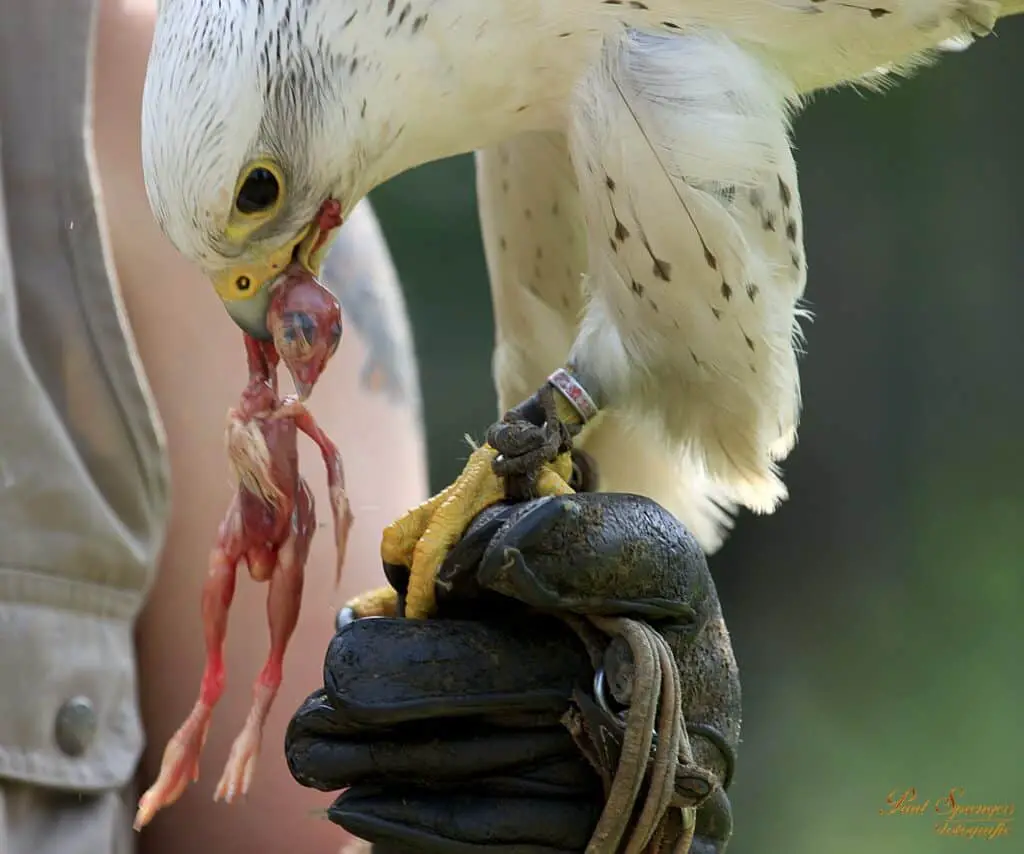
| Raptor Species | Frequency of Use in Falconry |
|---|---|
| Hawks | Very Common |
| Falcons | Very Common |
| Owls | Occasional |
| Vultures | Rare |
| Crows and Ravens | Rare |
The table shows which raptors are used in falconry. Hawks and falcons are most common. But owls, vultures, and crows are used too, though less often.
Exploring falconry care for raptors helps us see its importance. It shows how this ancient art helps protect these amazing birds.
Housing and Facilities for Raptors
Raptors need special housing to thrive. Creating the right environment is key to their health and happiness. We’ll look at the important parts of raptor housing, from indoor mews to outdoor areas.
Indoor Facilities (Mews)
The mews is the raptor’s home, an indoor space designed for their needs. It should be about eight feet high and square, fitting raptors like red-tailed hawks. It needs good ventilation, light, and perches and must be safe from predators.
Accipiters, like sharp-shinned and Cooper’s hawks, need extra safety to avoid harming other birds.
Outdoor Weathering Areas
Raptors also love outdoor spaces. These areas let them enjoy sunlight, fresh air, and room to move. They must be fenced to keep out wild predators, with each bird needing at least an 8×8 to 10×10 foot area.
Good falconry facilities, indoors or outdoors, are crucial for raptors’ well-being. By making their environments comfortable and safe, we help them live happy, healthy lives.
Feeding and Nutrition for Raptors
Proper nutrition is key to the health and performance of captive raptors. As falconers, we need to know what different raptors eat and give them a balanced diet that matches their natural prey.
By getting and handling the right food, we can keep our birds healthy and happy.
Dietary Requirements and Prey Sources
Red-tailed hawks love to eat rabbits, rats, and pigeons. Sharp-skinned hawks prefer sparrows, pigeons, and small birds. Gyrfalcons do well with chicken necks and drumsticks from the supermarket.
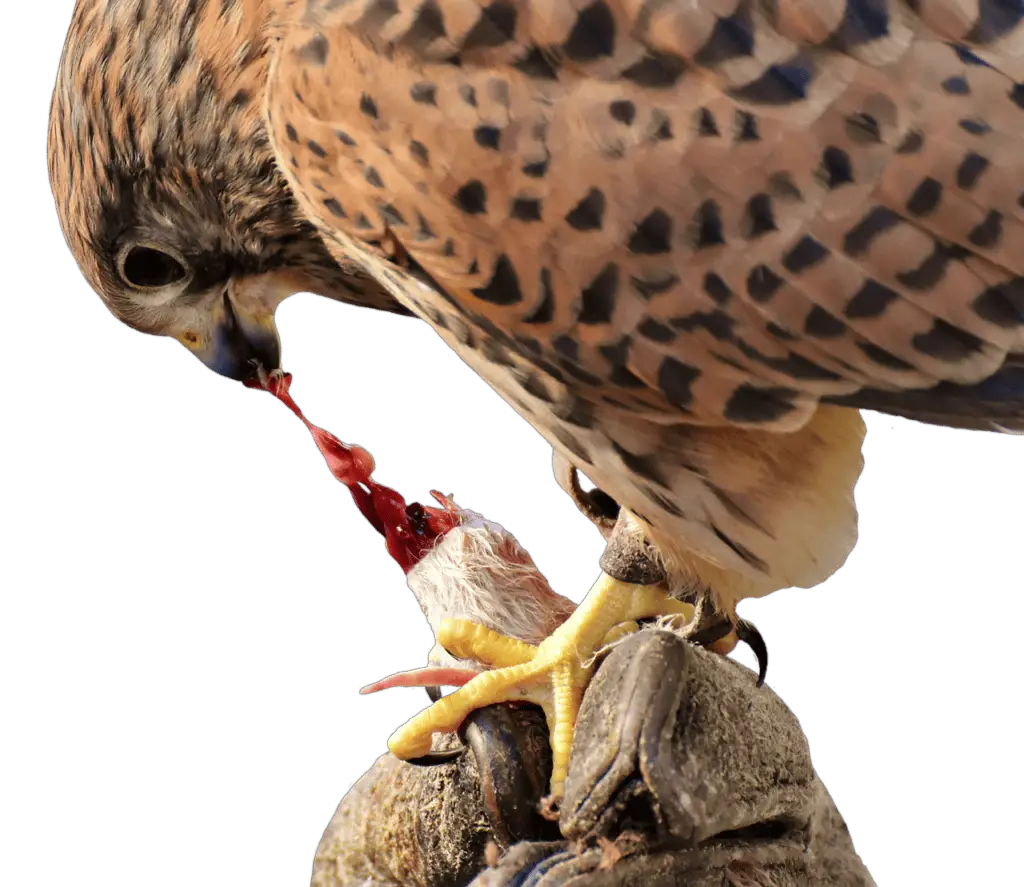
Kestrels start with chicken hearts and livers. Then, they move to sparrows or small birds. They also eat mice or insects.
Falconers keep frozen food like organic rabbits and day-old chicks on hand. They also have rats, mice, beef heart, and chicken. But, they avoid cooked and processed foods because they’re not nutritious enough.
Here’s a properly formatted version of your table:
| Raptor Species | Recommended Prey Sources |
|---|---|
| Red-Tailed Hawk | Rabbit, Rat, Pigeon |
| Sharp-Shinned Hawk | Sparrow, Pigeon, Small Birds |
| Gyrfalcon | Chicken Necks, Chicken Drumsticks |
| Kestrel | Chicken Hearts, Chicken Livers, Sparrows, Mice, Insects |
Let me know if you need any modifications! 😊
Keeping raptors at the right weight is important for their health. We need to know how much food they need based on their size and activity. Bones in their diet also help with minerals and digestion.
When breeding raptors, it’s important to evaluate the food’s quality. This affects the eggs and the chicks’ health. Avoiding cooked and processed foods ensures our raptors get the nutrients they need.
Caring for raptors in falconry
As dedicated falconers, we know the big responsibility of caring for our majestic raptors. Keeping them healthy and happy is key. We clean and disinfect everything, take care of their perches, and groom their feathers. This is how we provide top-notch raptor care.
Cleanliness is crucial in our mews, where our raptors live. We clean and disinfect their perches and water bowls; more often than not, this keeps diseases away and things clean. It shows our commitment to falconry best practices.
Keeping the perches in good shape is important for raptor maintenance. We groom and trim them to support our birds, allowing them to rest comfortably and stay in their natural posture. We also check and adjust the perches regularly.
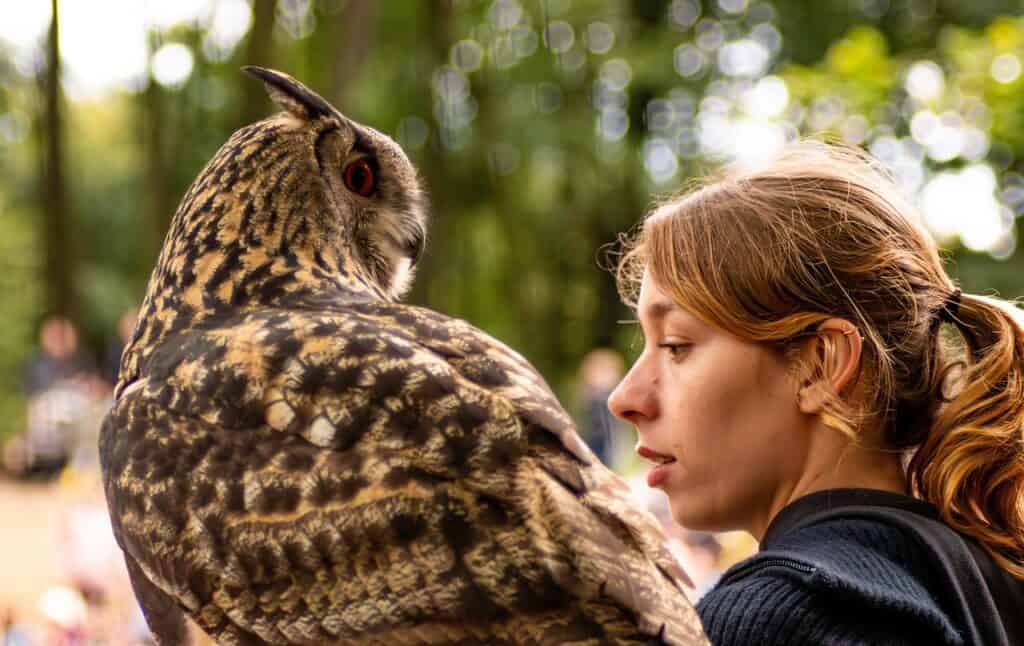
Feather care is delicate but very important. We groom and check our raptors’ feathers, fixing any damage. This keeps their wings in top shape, makes them look great, and helps them hunt better.
Focusing on these key areas of raptor care ensures our birds are healthy and ready to fly. Our dedication to falconry best practices shows our respect and love for these amazing creatures.
Handling Raptors
Proper handling techniques are essential for both the safety of the falconer and the well-being of the bird. Raptors are powerful and sensitive animals, and understanding their behaviour can greatly improve the handling experience. Here are some key points to consider:
- Approach Calmly: Always approach raptors quietly and confidently. Sudden movements or loud noises can startle them, leading to stress or fear.
- Use Proper Equipment: When handling raptors, employ a glove designed for bird handling. This provides protection for both the bird and the falconer. Ensure that the glove is padded and fits snugly.
- Secure Grip: When lifting a raptor, use a firm but gentle grip. Hold the feet securely to prevent scratching or injury, ensuring that the bird feels supported.
- Respect Their Space: Allow the birds a time period to acclimate before initiating any contact. Respect their body language; if the raptor appears agitated, give them space but always provide mental stimulation.
- Regular Interaction: Engage in daily handling sessions to build trust. Regular interaction at all times of day helps the raptor become comfortable with being handled, fostering a strong bond between the bird and the falconer.
Handling Guidelines for Raptors
| Handling Aspect | Best Practices |
|---|---|
| Approach | Calm, quiet movements |
| Equipment | Padded gloves for protection |
| Grip | Firm, secure grip around the feet |
| Space Management | Allow birds to acclimate, respect their comfort |
| Interaction Frequency | Daily sessions to build trust |
Learning to handle raptors properly creates a strong bond with them. It ensures their safety and boosts our hunting success. With patience and dedication, we can unlock their full potential.
Grooming and Molting
Keeping raptors clean and well-groomed is vital for their health and looks. As falconers, we must make sure their feathers are in top shape. This is key for their hunting skills and overall health.

Proper Feather Maintenance
Regular grooming is crucial for raptors’ feathers. This includes cleaning, preening, and managing molting. Molting happens once a year for falcons and can last several months.
Feathers are a big part of a bird’s body, making up about 1/6 of its weight. A peregrine falcon’s feathers can weigh three times more than its skeleton. Coastal areas may start moulting earlier because of the mild weather. Inland areas may have longer moulting periods due to harsher weather and extreme temperatures. Keep in mind that during the molting stages your birds behaviour will be affected.
Hormonal changes trigger feather growth and shedding in falcons. During moulting, they replace their feathers in a symmetrical pattern. A diet rich in protein, vitamins, and minerals is essential during this time. They may need extra calories to meet the energy demand.
“Feathers are the most important factor in a falcon’s flight, and their proper care is crucial for the bird’s health and hunting success.”
By grooming our raptors regularly and watching their moulting, we keep their raptor plumage in great shape. This improves their feather care and overall raptor grooming.
Check out our article on how to care for molting raptors
Transporting Raptors
Transporting raptors needs careful planning and following specific rules. As falconers, we must keep these birds safe and happy during transport. This guide will help with the right equipment, cages, and handling to reduce stress and risks.
The Migratory Bird Treaty Act limits activities with raptors. Falconry, which includes many bird types, has its own rules. The Bald and Golden Eagle Protection Act also has rules for golden eagles in falconry.
We must follow all laws and get the right falconry permits for raptor transport. This includes state, tribal, and federal permits. We need proper documents, secure cages, and gentle handling for a safe trip.
Key Considerations for Raptor
Transportation Best Practices for Raptors
| Aspect | Best Practices |
|---|---|
| Caging and Containment | – Use sturdy, well-ventilated transport cages designed for raptors. |
| – Ensure the cage size is appropriate for the size and species of the raptor. | |
| – Provide perches, bedding, and water during longer journeys. | |
| Handling and Restraint | – Utilize experienced handlers trained in the proper techniques. |
| – Minimize handling and stress during the loading and unloading process. | |
| – Secure the raptor’s feet and wings to prevent injury during transport. | |
| Environmental Considerations | – Maintain appropriate temperature and humidity levels inside the transport vehicle. |
| – Protect raptors from direct sunlight, wind, and other environmental stressors. | |
| – Avoid sudden movements, loud noises, or excessive disturbances that can startle the birds. |

By following these best practices and keeping up with regulations, we can transport raptors safely. Their well-being is our main concern. We aim to provide the best care during their journeys.
Rest and Recovery for Raptors
Raptors in falconry need rest and recovery to stay healthy and hunt well. Giving them downtime and respite is key to helping them physically and mentally recover. Knowing how important raptor rest and recovery are helps these birds do well in falconry.
Strategies for Managing Rest Periods
Raptors have special dietary needs that require a skilled caretaker. Veterinarians may not know enough about raptors. We must closely watch their mood, activity, hunger, and other signs for raptor rest and recovery.
Good housing is vital for the raptor’s welfare from the weather. Pneumonia is a big risk for raptors with Aspergillosis. We should often check their beaks, feet, and talons for their health.
“Proper rest and recovery are essential for the health and well-being of raptors used in falconry.”
Emergency Preparedness and Safety
As dedicated falconers, we must always be ready for unexpected emergencies and accidents with our raptors. Keeping these amazing birds safe is our top priority. We need a clear plan for handling different emergency situations, such as injuries, escapes, rehabilitation, and natural disasters.
Handling Emergencies and Accidents
Raptor emergencies and accidents can happen in many ways. Our response must be quick, effective, and focused on giving the right first aid and keeping the birds safe. Whether it’s a serious injury, a bird flying away, or danger from bad weather, we must act fast but within a reasonable time and wisely.
- Learn about common raptor injuries and illnesses, like broken bones, cuts, and breathing problems, to give the right first aid.
- Have a plan for catching and bringing back escaped birds, using special tools and working together in the search.
- Know how to handle natural disasters or other environmental dangers, keeping your raptors safe and moving them if necessary.
- Keep a first aid kit and emergency supplies ready, and check and update your emergency plans often.
Focusing on safety and being proactive can reduce risks and get the best results for our birds in emergencies. Remember, our raptors rely on us to keep them safe, and it’s our duty to be ready for any emergency.
“The safety and well-being of our raptors must always come first. By being prepared and vigilant, we can ensure that they receive the care and attention they deserve, even in the most challenging situations.”
Conclusion
This guide covered key points on housing, feeding, training, grooming, and transport, emphasizing that these practices enhance the bond between falconers and their raptors.
Raptor care is complex and requires commitment and knowledge, reflecting the efforts of wildlife experts and vets. We encourage falconers to continually enhance their care skills, staying updated on new methods that benefit both birds and their habitats. The journey of caring for raptors is rewarding, and I hope this guide serves as a solid foundation for your falconry endeavours.
FAQ
Why is proper raptor care important in falconry?
- Good care helps raptors hunt better and stay healthy. It’s key to their happiness and helps protect them. It also helps in conservation and rehab efforts.
What are the legal requirements and permits needed for falconry?
- Before getting a raptor, you need to know falconry regulations and laws. You must get the right permits. This makes sure you follow local and federal regulations for birds of prey.
How do I choose the right raptor species for falconry?
- Choosing the right raptor is important. You need to think about size, temperament, and hunting skills. Make sure it fits your experience and environment.
What are the key considerations for housing and facilities for raptors?
- Raptors need special homes, indoors and outdoors. Good design and upkeep are vital. They keep the birds safe and healthy.
How do I recognize and address health issues in my raptor?
- Keeping raptors healthy is a big part of falconry. Falconers must spot and fix health problems quickly. They also need to keep their birds well through wellness programs.
Check out our related topics on Care:
How to Clean a Bird of Prey Mew or Aviary
Animal Welfare in Falconry: Prioritizing the Well-Being of Birds