
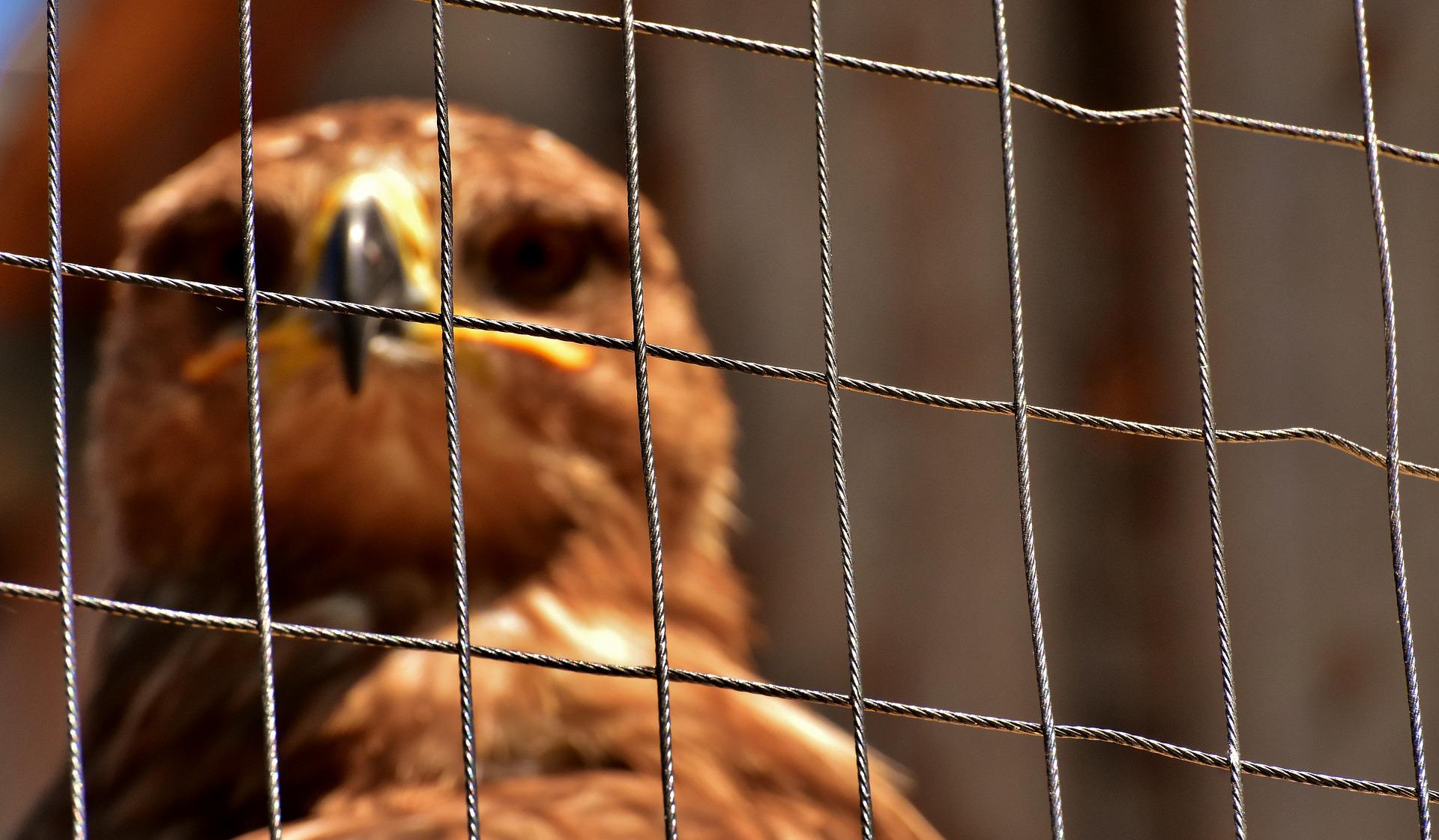
Keeping your aviary at a comfortable temperature is essential for the health and well-being of your feathered friends. In the summer, high temperatures can cause heat stress and even death in birds, while cold temperatures in the winter can lead to hypothermia and illness.
In this guide, I’ll share some tips I’ve used for keeping my aviary cool in the summer and warm in the winter, so that you can create the perfect environment for you feathers friends.
Summer Cooling Tips:
To keep an aviary cool in the summer, there are several key points to consider. Take a look below:
Shade:
I find that providing ample shade is essential for keeping an aviary cool in the summer. Shade helps to block out direct sunlight and reduces the temperature inside the aviary. Here are some tips on how to provide shade effectively:
– Planting trees or installing shade sails: These can provide natural shade and help to lower the temperature inside the aviary.
– Using shade cloth: This is a cost-effective option that can be easily attached to the roof or walls of the aviary to block out sunlight.
– Creating shaded areas: Adding structures such as pergolas or awnings can create designated shaded areas where birds can retreat from the heat.
Ventilation:
Ventilation is a key component to keeping your aviary cool. Adequate airflow is crucial to maintaining a comfortable environment for the birds, as it helps dissipate heat and prevent the buildup of humidity. There are a few key considerations to achieve optimal ventilation.
Firstly, installing vents or windows that can be opened and closed allows for the regulation of airflow. Fans that are strategically placed throughout the aviary can help circulate the air and promote cooling. It is important to ensure that the fans are well-positioned to avoid direct drafts on the birds. Regular cleaning and maintenance of the ventilation system is also essential to prevent the accumulation of dust and debris that could hinder its effectiveness.
Misting Systems:
I found that installing a misting system is an effective way to keep my aviary cool during the summer months. Misting systems work by spraying a fine mist of water into the air, which then evaporates and cools down the surrounding area. Here are some benefits of using a misting system for summer cooling:
– Temperature regulation: The misting system helps to lower the temperature inside the aviary, creating a more comfortable environment for the birds.
– Humidity control: By adding moisture to the air, the misting system helps to maintain optimal humidity levels, which is important for the well-being of the birds.
– Dust reduction: The misting system also helps to reduce dust particles in the air, creating a cleaner and healthier environment for the birds.
Water Features:
Water features not only provide a refreshing environment for the birds but also contribute to the overall aesthetics of the aviary. One option is to install a small pond or a shallow water basin in the aviary. This allows the birds to bathe and drink water whenever they need to cool down. It is important to ensure that the water features are regularly cleaned and maintained to prevent the growth of algae or bacteria. By incorporating water features, you can effectively keep the aviary cool in the summer while providing a visually appealing environment for the birds.
Planting Trees:
Trees provide shade and can significantly reduce the temperature inside the aviary. Here are some tips for planting trees to maximize their cooling effects:
– Choose the right species: Opt for trees that have large, dense canopies and are fast-growing. Popular choices include maple, oak, and pine trees.
– Proper placement: Plant the trees strategically to provide shade during the hottest parts of the day. Consider the direction of the sun and the prevailing winds in your area.
– Regular maintenance: Prune the trees regularly to ensure healthy growth and to prevent any potential hazards, such as falling branches or overcrowding.
Winter Warming Tips:
When it comes to keeping an aviary warm during the winter, there are several key points to consider such as:
Insulation
I found that adding insulation to the aviary walls helped keep it warm during the winter months. Insulation is an effective way to retain heat and prevent cold drafts from seeping into the aviary. Here are some key tips on insulating your aviary for winter:
- Choose the right insulation material: Opt for materials such as foam panels or fibreglass that have high R-values, indicating their ability to resist heat transfer.
- Insulate walls and ceilings: Apply insulation to the walls and ceilings of the aviary to create a barrier against the cold. This will help maintain a warm and cosy environment for the birds.
- Seal any gaps: Insulation alone won’t be effective if there are gaps or cracks in the aviary. Seal these openings with caulk or weatherstripping to prevent heat loss.
Heating Devices:
During the winter months, I often rely on heating devices to keep my aviary warm and cosy. There are several options available to ensure the comfort of my feathered friends. One of the most common heating devices is a ceramic heat emitter. This device produces heat without emitting light, which can disturb the birds’ sleep patterns. Another effective option is a radiant heat panel, which provides a gentle and even heat distribution throughout the aviary.
For larger aviaries, a propane or natural gas heater may be necessary. These heaters are efficient and can quickly warm up the entire space. It is important to regularly monitor the temperature in the aviary and adjust the heating devices accordingly to maintain a comfortable and safe environment for the birds.
Windbreaks:
Windbreaks are essential for maintaining a comfortable environment for the birds during the colder months. Here are three key tips for using windbreaks effectively:
1. Location: Place the windbreaks on the north and west sides of the aviary, as these are the directions from which the cold winter winds usually blow. This will shield the birds from direct exposure to the chilling drafts.
2. Materials: Choose sturdy and durable materials for the windbreaks, such as wood or plastic sheets. These materials should be able to withstand harsh weather conditions and provide a reliable barrier against the wind.
3. Height: Ensure that the windbreaks are tall enough to block the wind effectively. The height should be at least as tall as the aviary itself to provide adequate protection.

Enclosed Areas:
It is important to have an enclosed area for the birds to retreat to during particularly cold or harsh weather. This can be a small shed, greenhouse, or even a section of the house designated specifically for the birds. The enclosed area should have proper insulation, heating devices, and ventilation, just like the main aviary. It is also important to regularly clean and maintain the enclosed area to prevent the buildup of bacteria or mould. Providing a warm and sheltered space for the birds during the winter months is essential for their well-being and comfort.
Bedding and Nesting Material:
I find that using appropriate bedding and nesting material is essential for keeping the aviary warm during the winter months. Here are some tips on choosing the right materials:
– Straw: This natural material is an excellent insulator and can provide warmth for birds during cold nights.
– Shredded Paper: This is a cost-effective option that can help retain heat. Make sure to use non-toxic paper and avoid glossy or coloured materials.
– Dried Leaves: Leaves can create a cosy and warm environment for birds. They are also readily available and easy to replace.
General Tips:
Here are some additional tips to keep in mind for maintaining a comfortable temperature inside the aviary:
Temperature Monitoring:
One effective method for monitoring the temperature in an aviary is through the use of a thermometer. A thermometer allows you to accurately measure the temperature inside the aviary and ensure that it remains within the optimal range for the birds’ comfort and health. Here are some general tips for temperature monitoring:
– Place the thermometer at bird level: Position the thermometer at the same height as the birds to get an accurate reading of their environment.
– Regularly check the temperature: Monitor the temperature multiple times throughout the day to identify any fluctuations or deviations from the desired range.
– Consider using a digital thermometer: Digital thermometers provide quick and precise temperature readings, making it easier to track any changes in the aviary’s temperature.
Seasonal Adjustments:
To adjust an aviary for seasonal changes:
- Follow these tips for bird comfort.
- Monitor temperature regularly for fluctuations.
- Provide shade and ventilation in summer using awnings or shade cloth.
- Use fans or misting systems for cooling.
- Insulate the aviary in winter with straw or blankets.
- Add heat lamps or heated perches for warmth.
- Create a comfortable environment for your avian friends all year round!
Regular Maintenance:
I always suggest that your aviary should be regularly maintained to ensure the well-being of your birds. Here are some general tips for regular maintenance:
– Cleanliness: Regularly clean the aviary to prevent the buildup of dirt, waste, and bacteria. Remove any uneaten food, feathers, or debris.
– Inspect for Damage: Check the aviary for any signs of wear and tear, such as loose wires or broken perches. Repair or replace damaged parts promptly.
– Monitor Ventilation: Ensure proper air circulation by checking the vents and windows. Clean or replace air filters as needed.
In conclusion, maintaining a comfortable temperature inside the aviary is crucial for the well-being of your birds during the winter months. By using heating devices, windbreaks, enclosed areas, appropriate bedding and nesting materials, and implementing general tips for temperature monitoring and seasonal adjustments, you can create a warm and cosy environment for your Bird of prey.
Frequently Asked Questions
What Type of Flooring Is Best for an Aviary to Keep It Cool in the Summer and Warm in the Winter?
- I prefer using concrete flooring in my aviary as it helps regulate temperature. In the summer, it stays cool, and in the winter, you can easily add insulation to keep the space warm.
How Often Should the Water in the Aviary Be Changed to Maintain a Comfortable Temperature for the Birds?
- I change the water in the aviary regularly to maintain a comfortable temperature for the birds. It helps regulate the humidity and keeps them hydrated.
Are There Any Specific Plants or Trees That Can Be Planted Around the Aviary to Provide Natural Shade or Insulation?
- There are several plant species that can be planted around the aviary to provide natural shade and insulation. These plants include deciduous trees, such as maples and oaks, as well as tall grasses and shrubs.
Can Fans or Air Conditioning Units Be Used Inside the Aviary to Regulate Temperature More Effectively?
- Yes, fans or air conditioning units can be used inside the aviary to regulate temperature more effectively. They help to circulate air and maintain a comfortable environment for the birds.
Check Out Our Related Articles below:
Best Materials for Falconry Mews: Building Durable and Safe Raptor Housing