
Animal welfare is a fundamental aspect of modern falconry practices, reflecting a commitment to the well-being and ethical treatment of birds of prey. As falconry continues to evolve and adapt to contemporary standards, the emphasis on animal welfare has become increasingly paramount.
The humane treatment of raptors in falconry ensures their physical health and upholds the ethical principles of this ancient art form.
To better understand the importance of animal welfare in modern falconry, consider these points:
- Health Monitoring: Consistent health checks and monitoring of the birds ensure early detection of any issues.
- Proper Housing: Providing suitable housing that meets the birds’ needs is crucial for their well-being.
- Nutritional Needs: A well-balanced diet tailored to the specific requirements of each bird is essential for their health.
- Training Methods: Using positive reinforcement techniques in training ensures the birds are not subjected to unnecessary stress.
- Environmental Enrichment: Enriching the birds’ environment with stimuli that mimic their natural habitat promotes their mental and physical well-being.
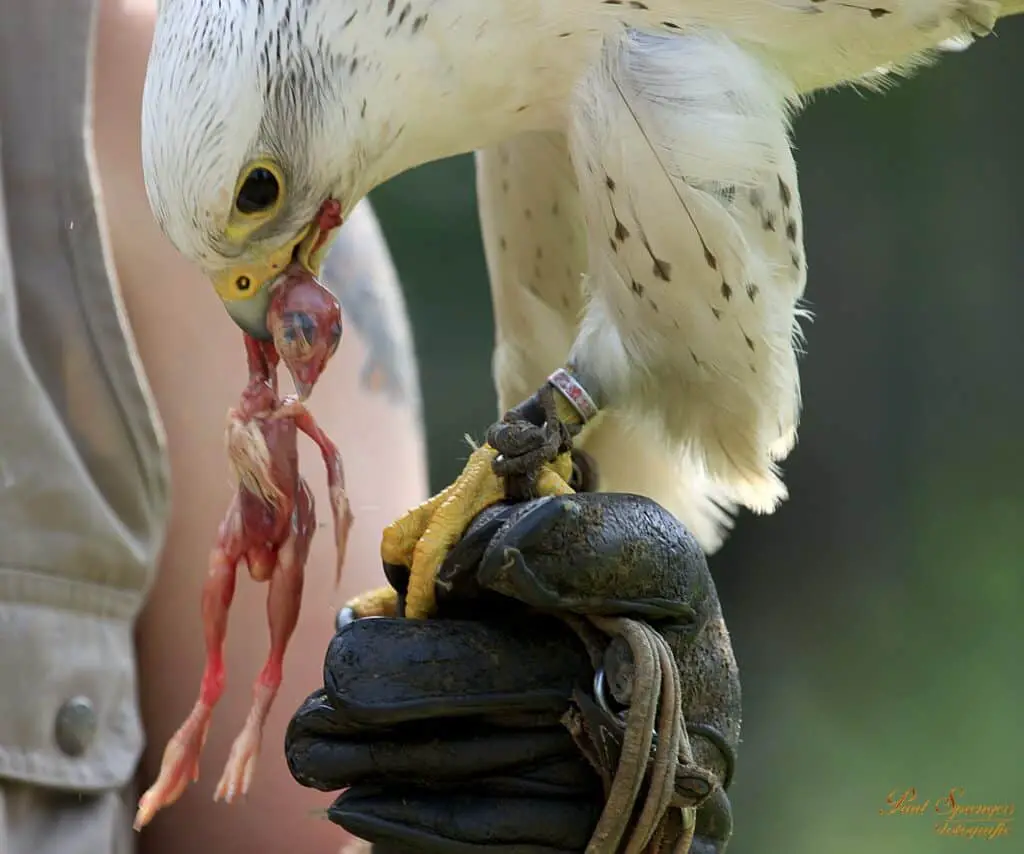
Housing and Equipment
The living environment provided for birds of prey must offer adequate space for movement and allow for natural behaviours.
Proper Accommodation
When it comes to animal welfare in falconry, providing proper housing is paramount.
Importance of adequate space and shelter
Adequate space and shelter are fundamental components in ensuring the well-being and welfare of falcons kept for falconry.
- Proper space: Room for flight and exercise.
- Protection from elements: Shelter from harsh weather conditions.
- Privacy: Areas for undisturbed rest and nesting.
- Security: Protection from predators and other threats.
- Hygiene: Clean and well-maintained living quarters.
Comfortable resting areas for birds
Providing birds of prey with comfortable resting areas is critical to their overall well-being and care in falconry. These areas should be spacious enough to allow the bird to extend its wings and move freely and fully. Soft bedding materials like straw or shredded paper can help cushion the bird’s feet and ensure a comfortable resting experience. Access to perches of varying sizes and textures also promotes foot health and comfort.
Essential Equipment
Proper equipment is vital to maintain the physical health and well-being of birds in falconry. This includes items such as hoods, leashes, jesses, and anklets.
Types of jesses and their proper use
Various types of jesses are utilized in falconry, each serving specific purposes in the training and handling of birds of prey.
- Traditional Leather Jesses: Used for general falconry activities.
- Lightweight Nylon Jesses: Ideal for birds that prefer less weight on their legs.
- Adjustable Jesses: Provide flexibility in fitting different bird sizes.
- Flying Jesses: Designed for use during free flight training.
- Jess Extenders: Assist in preventing tangling during flight.
Perches and other necessary furniture
Proper perch placement and variety are essential in maintaining the health and well-being of birds used for falconry. To promote foot health, perches should be made of materials that are natural, such as untreated wood or sandblasted branches.
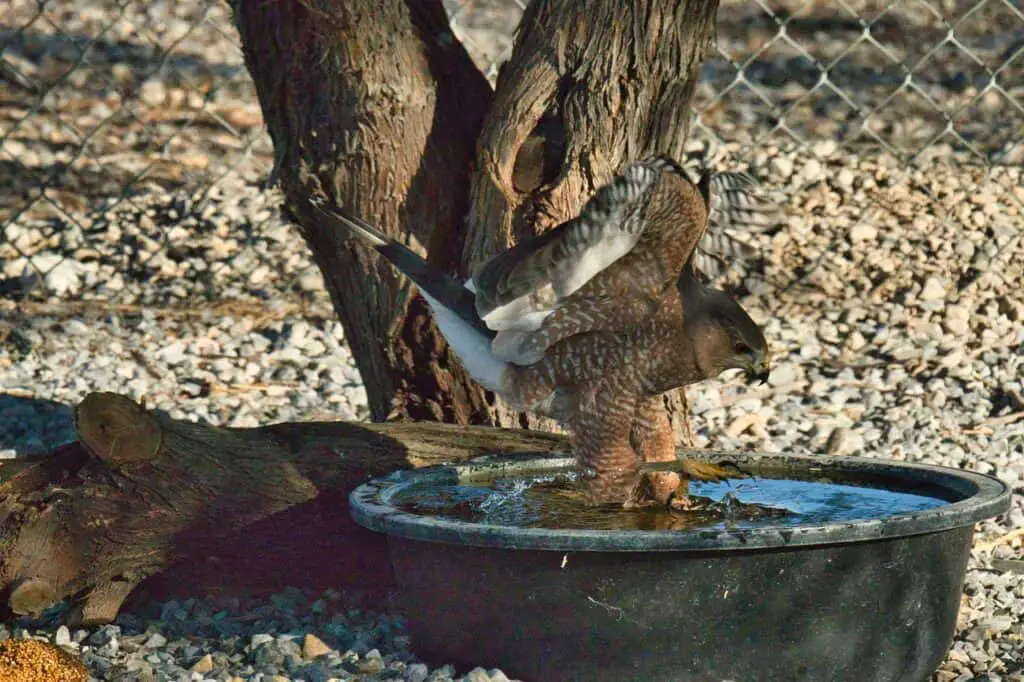
The table below highlights key furniture items necessary for a bird’s welfare in falconry.
| Furniture Item | Purpose |
| Perches | Provide resting spots |
| A weathering area | Allows exposure to elements |
| Bath Pan | Facilitates bathing |
Nutrition and Health
When it comes to the well-being of falcons in falconry, two critical aspects that demand attention are feeding practices and health monitoring. Proper nutrition is essential for the overall health and performance of these birds of prey, making feeding schedules and diets crucial considerations.
Feeding Practices
A carefully planned diet that provides a diverse range of nutrients ensures optimal physical condition and performance during hunting activities.
Importance of a balanced diet for optimal health
Ensuring that falcons receive a balanced diet is fundamental to their overall health and well-being.
- Proper nutrition supports strong feathers and healthy growth.
- Balanced diets prevent nutritional deficiencies and associated health issues.
- Adequate protein intake is essential for muscle development and maintenance.
- Varied diets help prevent boredom and encourage natural foraging behaviours.
- Monitoring food intake ensures birds maintain an optimal weight for agility and performance.
Regular access to fresh water
Staying properly hydrated is crucial for raptors’ health and well-being. Water is key for digestion, regulating body temperature, and maintaining the body’s functions.
Clean and fresh water should always be available, especially during hot weather or after consuming a meal. Regular access to water ensures the optimal health of birds in falconry.
Health Monitoring
Monitoring the raptor’s health through regular check-ups and veterinary care is crucial to ensuring their well-being and longevity in falconry practices. Maintaining feathers is essential for the bird’s ability to fly and hunt effectively.
Regular health checks and veterinary care
How crucial is the regular monitoring of falcon health in falconry practices? Regular health checks and veterinary care are essential components in ensuring the well-being of birds of prey.
These are the methods I use to make sure my bird is healthy:
- Routine physical examinations – These are carried out to assess the bird’s overall health and identify any potential issues.
- Weight monitoring – A regular check of the bird’s weight helps determine whether it is receiving adequate nutrition and may also indicate underlying health concerns.
- Feather condition checks – Monitoring feather quality is essential in ensuring a bird’s ability to fly and hunt effectively. Any abnormalities or signs of stress should be addressed promptly.
- Regular parasite prevention – Parasites can cause serious health issues in birds of prey, so preventive measures should be implemented, such as regular deworming and mite treatments.
- Vaccinations – Depending on the avian species and location, vaccinations may also be necessary for protection against specific diseases. Consultation with a veterinarian is recommended to determine the appropriate vaccinations for a bird used in falconry.
Importance of maintaining intact feathers
Feathers are not just for flight; they also play a vital role in insulation and protection from the elements. Proper feather maintenance is crucial to a bird’s overall health and well-being, so regular grooming and moulting are essential practices in falconry. Birds should be regularly checked for any damaged or missing feathers that may affect their ability to fly or hunt effectively.

Training and Exercise
When it comes to training and exercise in falconry, ethical methods play a crucial role in ensuring the well-being of the birds of prey. Implementing positive reinforcement techniques and building trust between the falconer and the bird are essential aspects of ethical training practices.
Regular exercise is also vital to maintain the physical and mental health of the raptors, allowing them to exhibit their natural behaviours and stay in optimal condition.
Ethical Training Methods
By focusing on positive reinforcement techniques, trainers can establish trust and respect with their falcons, leading to a more effective and humane training process. Positive reinforcement involves rewarding desired behaviours and ignoring or redirecting negative ones rather than using punishment or coercion.
Focus on positive reinforcement techniques.
Using positive reinforcement techniques in falconry training is essential for ensuring the well-being and mental health of the birds of prey involved.
I find that using positive reinforcement:
- Encourages desired behaviours without the use of force
- Builds trust and strengthens the bond between the falconer and the bird
- Enhances the bird’s confidence and willingness to engage in training
- Reduces stress and anxiety in the bird during training sessions
- Creates a more enjoyable and effective training experience for both the bird and the falconer
Importance of stress-free training environments
The training environment should be peaceful and stress-free to promote a positive learning experience for both the bird and the falconer. Loud noises, sudden movements, or distracting stimuli can cause unnecessary stress and anxiety in birds of prey, leading to ineffective training results.
Creating a quiet, controlled environment helps maintain focus during training sessions and provides a safe space for birds to learn and develop new skills. It is also crucial to ensure that training sessions are not too long or demanding, as this can cause physical strain on the bird.
Regular Exercise
Exercise is vital for maintaining the physical health and well-being of birds used in falconry. In addition to allowing them to exhibit their natural behaviours, regular exercise
Creating a stress-free training environment is paramount in falconry to ensure the physical and mental well-being of the birds under training. Stress can hinder learning and lead to health issues in raptors.
Importance of flying birds regularly for physical and mental health
Regular exercise is essential to maintaining the physical and mental well-being of birds used in falconry.
- Flying regularly helps birds maintain muscle tone.
- It aids in preventing obesity and associated health issues.
- Flying stimulates mental alertness and reduces stress.
- Regular flight exercise supports cardiovascular health.
- It allows birds to exhibit natural behaviours, promoting overall well-being.
Various exercises to improve fitness
I find that consistent physical conditioning is crucial for the overall fitness of birds engaged in falconry. Various exercises can help improve their strength, agility, and endurance. Activities like flying at different altitudes, chasing lures, and performing controlled flights can enhance the bird’s muscle tone and cardiovascular health.
Regular practice of these exercises ensures the bird’s physical well-being and sharpens their hunting skills, making them more effective predators.
Hunting Practices
Two key aspects of falconry hunting practices that demand attention are safety considerations and ethical hunting.
Safety considerations involve ensuring the well-being of both the falcon and the prey, including proper equipment and supervision during the hunt.
Ethical hunting pertains to the humane treatment of prey animals and the adherence to established guidelines to minimize harm and ensure a respectful approach to the natural order.
Safety Considerations
When practising falconry, it is crucial to prioritize the safety of the birds involved. Awareness of potential environmental risks and hazards is essential to ensure the well-being of the raptors and maintain ethical hunting practices.
By emphasizing bird safety and understanding the surroundings, falconers can uphold the principles of animal welfare in falconry.
Prioritizing bird safety during hunts
Safety considerations are crucial in falconry hunts to ensure the birds’ well-being.
- Checking weather forecasts and avoiding extreme conditions.
- Familiarize oneself with the hunting area and potential hazards.
- Ensuring appropriate equipment for both bird and prey, such as properly sized jesses and leashes.
- Managing encounters with other predators or humans during hunts.
- Proper training for both the birds and the falconer
Awareness of environmental risks and hazards
Falconers must be aware of potential environmental risks and hazards that may affect their birds’ safety during hunts.
- Hazards such as power lines, fences, bodies of water, and other natural obstacles should be identified and avoided.
- Understanding the prevalence of certain diseases in prey animals is important to prevent transmission to the bird of prey.
Ethical Hunting Practices
Falconry is a centuries-old practice that has evolved over time, with many ethical considerations now in place to ensure the humane treatment of prey animals. These include guidelines for proper hunting techniques, minimizing harm to the environment, and respecting the natural order.
Matching the Birds size to the appropriate quarry
Selecting the right bird size in falconry for hunting specific quarry is critical to ethical hunting practices.
Try the following to reduce the stress of prey:
- Matching hawk size to prey prevents unnecessary suffering
- Larger hawks for larger prey, smaller hawks for smaller prey
- Ensures efficient and humane hunting
- Prevents injuries to hawks and prey
- Maintains balance in the ecosystem
Legal and Ethical Considerations
Legal and ethical considerations must be addressed when considering animal welfare in falconry. This involves ensuring compliance with regulations governing the practice of falconry and upholding ethical standards related to the treatment and care of birds of prey.
Compliance with Regulations
Compliance with regulations is paramount in the realm of falconry to ensure the welfare of birds of prey and wildlife. Adhering to falconry and wildlife laws not only upholds ethical standards but also safeguards the conservation of these magnificent creatures. Proper licensing and documentation play a crucial role in promoting responsible and sustainable practices within the falconry community.
Importance of adhering to falconry and wildlife laws
Adherence to falconry and wildlife laws is paramount in ensuring this ancient sport’s ethical and legal practice.
- Ensures the conservation of wild bird populations
- Prevents illegal trafficking of protected species
- Promotes responsible ownership and care of birds of prey
- Protects the environment from potential harm caused by improper falconry practices
- Upholds the traditions and reputation of falconry as a respected cultural heritage
Proper licensing and documentation
Proper licensing and documentation play a pivotal role in maintaining compliance with regulations to ensure the ethical and legal practice of falconry. Falconers must obtain the necessary permits and licenses required by their local authorities.
Documentation of bird origins, health records, and training logs is essential for transparency and accountability. Adherence to these legal requirements safeguards both the birds’ welfare and the falconry practice’s integrity.
Ethical Standards
Exploring ethical standards in falconry involves examining the codes of conduct that guide practitioners in their interactions with birds of prey and the environment. Additionally, it encompasses promoting responsible social media practices to ensure that falconers portray their activities respectfully and ethically.
Adhering to these standards not only upholds the integrity of the falconry community but also contributes to raptors’ overall welfare and conservation.
Codes of Conduct
Falconry associations and clubs worldwide have established codes of conduct that guide falconers in their interactions with birds of prey and the natural environment. These codes often include principles such as respecting wildlife, promoting sustainable hunting practices, and ensuring proper care and welfare of birds.
Promoting responsible social media practices
In recent years, the rise of social media has brought increased attention to falconry. With this attention comes a responsibility for falconers to portray their activities respectfully and ethically online. This means avoiding glorifying or glamorizing hunts, respecting the privacy of birds, and educating others about ethical falconry practices.
Conclusion
Animal welfare is an essential aspect of falconry that must be prioritized to ensure the well-being of birds of prey, maintain ethical hunting practices, and safeguard the future of this ancient sport. By prioritizing bird safety, being aware of potential environmental risks and hazards, adhering to legal and ethical considerations, and promoting responsible social media practices, falconers can uphold the principles of animal welfare in falconry.
Take Action for Responsible Falconry
Join the community of ethical falconers dedicated to the preservation and well-being of birds of prey! Educate yourself on ethical standards and legal requirements, and commit to responsible falconry practices. Whether you’re a seasoned falconer or new to the tradition, your dedication can make a positive impact. Learn more, engage in discussions, and connect with like-minded individuals by following leading falconry organizations online.
Check Out Our Related Topics:
Falconry Raptors at Risk: A Comprehensive Analysis of Health Risks and Management Practices