
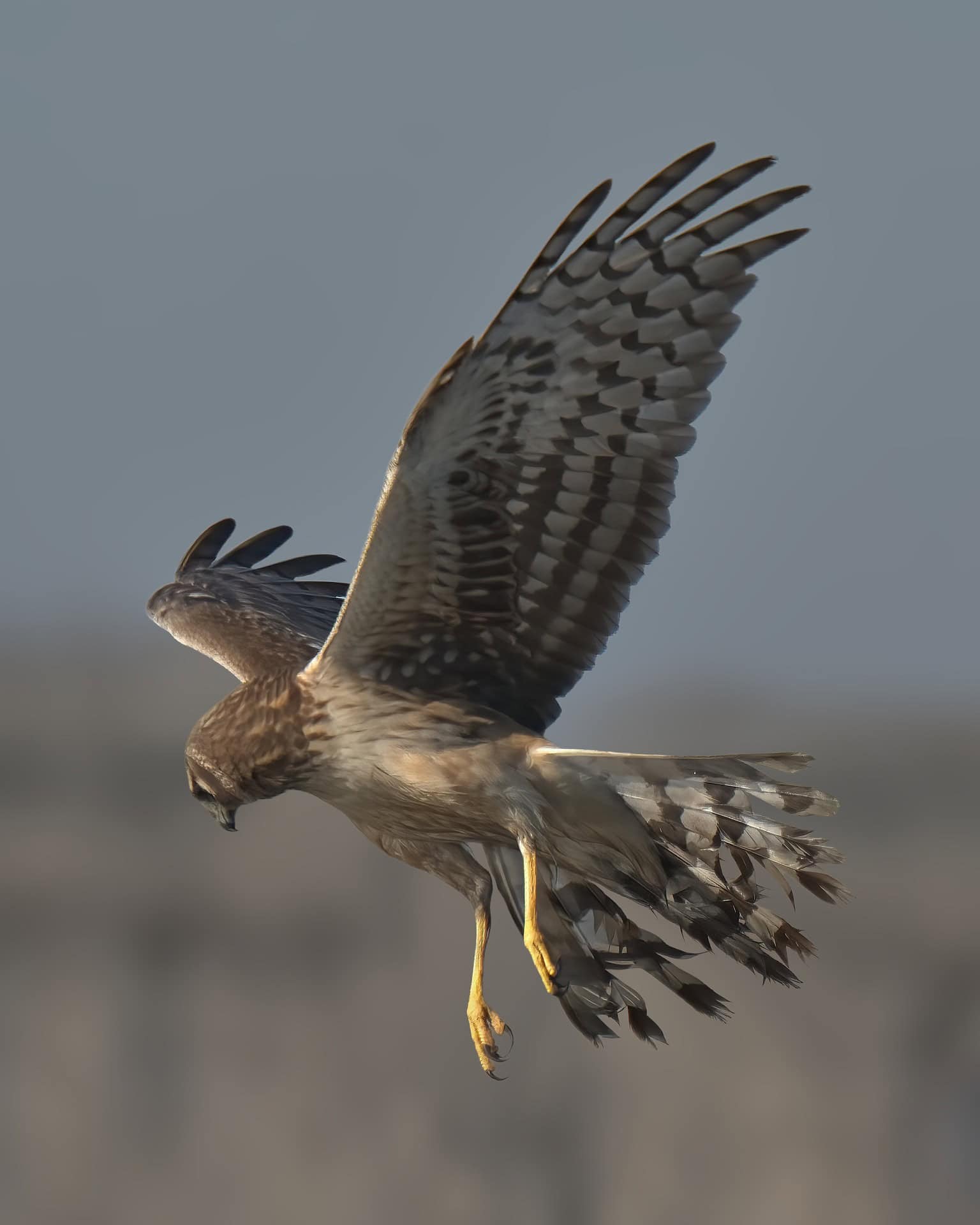
Ferrets have been used in falconry for centuries and are still a popular choice today. Some people think that ferrets are only good for hunting small game, but this is not the case. Ferrets are natural predators and will aid in catching prey when they are trained to do so.
Ferrets can be used to hunt a wide variety of prey, including rabbits, hares, and even birds. Ferrets make great hunting companions for falconers because they are fearless and have excellent sight, smell, and hearing. They can be trained to flush out prey from hiding spots in dense vegetation or underground burrows.
When utilizing ferrets in falconry, careful attention to detail is important. I have found that the more often they hunt together, the better they will develop a bond and better understand each other. The content below is designed to explain how to use them and the key factors when doing so.
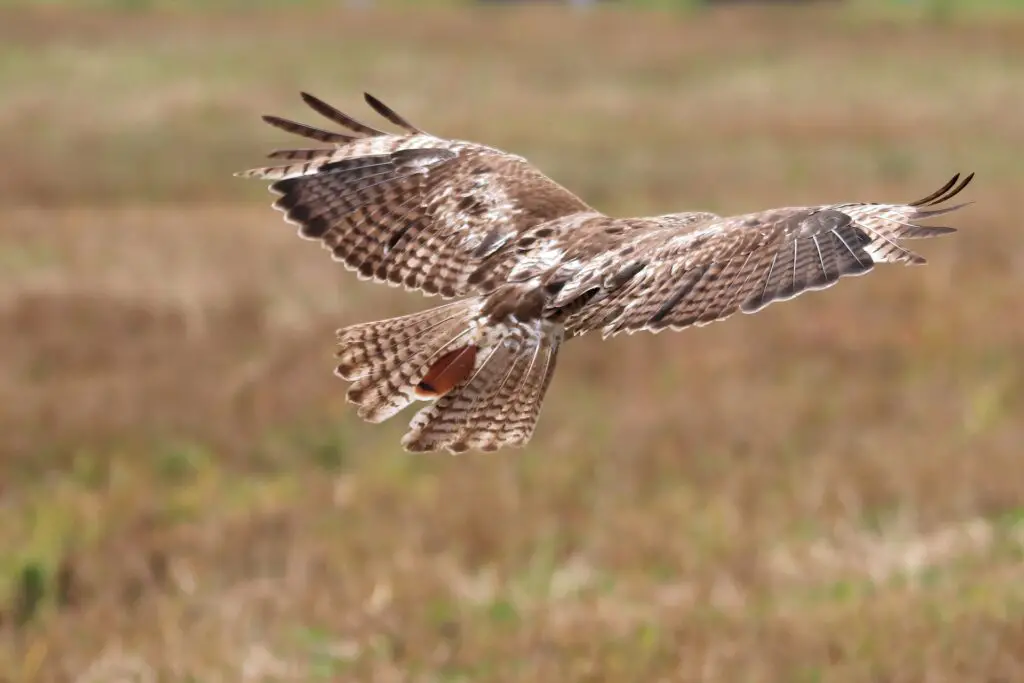
What is the purpose of using ferrets in falconry?
Falconry is an ancient art of hunting using trained birds of prey like hawks and falcons. To ensure a successful hunt, falconers often employ the use of ferrets to flush out their desired prey. The ferret’s sharp sense of smell works to quickly sniff out small animals like rabbits into open terrain for the raptors to easily identify and seize.
Once the ferret successfully completes its job, it returns to the handler or enters its pre-dug den. However, some experienced falconers have succeeded in training their ferrets to stay with them and return after the hawk or falcon has achieved a kill, providing further assistance. Ultimately, by incorporating the use of ferrets into their practices, falconers not only gain a stronger bond between themselves and their bird but also have greater chances of achieving a successful hunt.
How can ferrets be helpful in a hunt when used in falconry?
Ferrets have a unique ability when it comes to falconry – they can be used as part of a successful hunting strategy. By releasing the ferret into a burrowed area, the bird of prey is drawn in by its instinctive prey-predatory behaviors, as they naturally hunt smaller animals such as rodents. Using the ferret allows the bird to use its natural will and skills more freely, leading to better results not only during the flight but also when landing on the prey.
An experienced falconer knows how to handle animals involved in their activity and may choose to put multiple ferrets into play for maximum performance. The intelligent management of these little helpers certainly has some benefits: with disciplined training, the hunt can be far more productive and efficient!
Will birds of prey view ferrets as prey or vice versa
When it comes to the relationship between birds of prey and ferrets in the ancient sport of falconry, opinions are often divided. With a bird of prey choosing to work with a hunter, that bird must trust the hunter, which includes trusting any other animals the hunter brings along into the hunting field. In this case, those animals are likely to be ferrets. Because birds of prey often pursue small quarry animals, such as rodents and rabbits, there is a danger that they might consider ferrets as potential prey.
However, depending on how well-familiarized a bird is with the ferret, as well as how confident it feels in its environment and its handler, it will only necessarily view ferrets as potential prey when there is no prior relationship or bond between the two species. This type of relationship between the two species must be honed for a long time, and proper manning that includes the ferret must be a constant norm among everyone before even attempting to add an addition to the hunting team.
Handling a Ferret-Raptor Incident During a Hunt
If an incident occurs between your ferret and bird of prey during a falconry hunt:
- Quickly separate the animals to prevent injury
- Check both for wounds and administer first aid if needed
- End the hunt immediately and seek veterinary care if injuries are serious.
- Review and adjust your hunting techniques to prevent future incidents
- Consider hunting with either the ferret or raptor separately until better control or relationship is established
Remember, safety for both animals is paramount. Always supervise interactions closely and be prepared to intervene swiftly.

How to create a stronger bond between ferrets and birds of prey if falconry
One of the best ways to create a strong bond between ferrets and birds of prey if falconry is by ensuring that they spend plenty of time together in the same environment. This can include allowing them to eat meals together and even going on short walks when the ferret is leashed, as it allows the two species to become increasingly familiar with each other.
Building trust, respect, and affection between a ferret and a bird may take some time, but with careful observation and encouragement from experienced falconers, it all becomes remarkably achievable. Regular positive reinforcement for both parties will help transform these disparate creatures into an inseparable hunting team that knows how to work together seamlessly.
Conclusion
Ferrets have been used in falconry for centuries, and there are many benefits to using them. They are relatively easy to train, they bond well with their handlers, and they are small enough to carry around without being too heavy. Ferrets are also very intelligent creatures, and they can be taught tricks and commands just like a dog or cat., In recent years, they have become increasingly popular.
Want to Master Falconry with Ferrets?
Discover expert tips, safe practices, and the fascinating history of ferrets in hunting. Explore more related articles and take your falconry knowledge to the next level!
Step-by-Step Socialization Training in Falconry: Building Trust with Your Bird of Prey