Socialization in falconry is an intricate process that differs significantly from training other animals. Through years of working with various raptors, I’ve developed a systematic approach to creating a cooperative hunting partnership based on trust and positive association.
This guide walks through the essential steps of socializing a bird of prey, from initial handling to preparing for the hunt.
Understanding Raptor Psychology
Before diving into different techniques, it’s crucial to understand what makes raptor socialization unique. Unlike dogs or horses, raptors are not social creatures by nature.
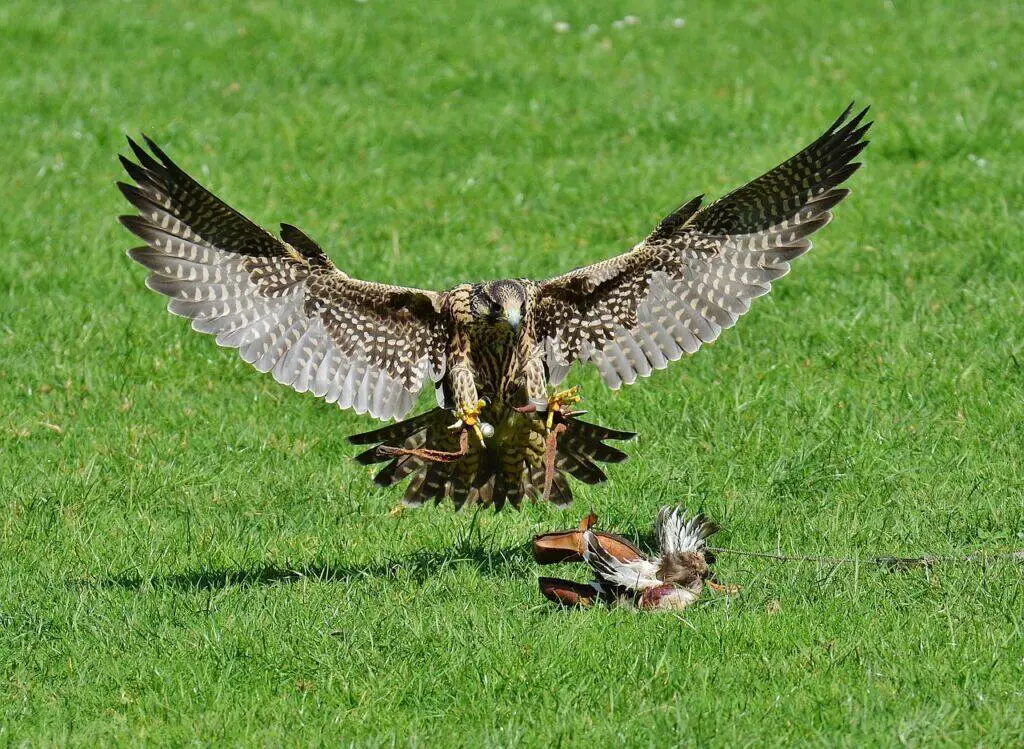
“Raptors are, generally, not social. Your very presence is not a positive thing to them. Eventually, the falconer’s presence will become associated with food and, therefore, will be a positive thing for the bird. However, a bird will generally not be pining for your company.”
This fundamental difference shapes our entire approach to socialization. We’re not creating a pet that enjoys human companionship but rather establishing a cooperative hunting relationship based on mutual benefit. Raptors are solitary, territorial predators that don’t naturally seek social bonds. This means traditional training methods used for social animals don’t apply.
Step 1: Initial Manning – First Introductions
The process of acclimating a raptor to human presence is called “manning.” There are two main approaches:
Traditional Manning
The traditional approach involves a technique called “waking” – taking advantage of the bird’s state of shock after being trapped:
- Hold the bird continuously on the glove
- Expose it to various household stimuli (TV, dogs, people)
- Keep the bird awake for 24+ hours
- Leave the digestive system empty to reach flying weight
This method works well for many birds, particularly passage (wild-caught) hawks. However, it can occasionally create deep-seated fears of specific stimuli.
Modern Progressive Approach
For more sensitive birds or those with different backgrounds (like retired breeding birds), a gentler approach may be better:
- Place the bird in a quiet environment initially
- Approach only for necessary handling and feeding
- Gradually increase human interaction
- Focus on positive associations through food
Step 2: Building Trust Through Food Association
Food is our primary language of communication with raptors. Through consistent, positive feeding experiences, we transform our presence from a potential threat to a reliable food source.
Effective Feeding Protocol:
| Stage | Technique | Purpose |
|---|---|---|
| Initial | Offer food with minimal handling | Establish basic positive association |
| Intermediate | Feed only on the glove | Create value in coming to you |
| Advanced | Vary feeding locations and timing | Build flexibility and response |
Remember that weight management is crucial, but extreme hunger creates stress rather than cooperation. The goal is motivation, not desperation.
Step 3: Controlled Exposure Techniques
Once basic trust is established, systematic exposure to various stimuli begins. This requires careful observation of the bird’s body language to avoid pushing too far too fast.
The Dark to Light Method
This effective technique involves:
- Having the bird start eating in controlled light
- Gradually increasing visibility of the human form
- Allowing association of human presence with positive feeding experience
Many falconers have found this approach significantly reduces stress and accelerates trust-building, particularly with wild birds.
Effective Body Language Techniques
- Hold Higher Than Eye Level: Holding the bird above eye level often increases confidence in early training sessions
- Lower Your Eyes: Avoiding direct staring can dramatically improve a sensitive raptor’s comfort level
- Slow, Deliberate Movements: All movements should be smooth and predictable
Step 4: Expanding Environmental Comfort
As trust builds, gradually expand the bird’s exposure to different environments:
Indoor to Outdoor Progression
- Quiet room → Various household areas
- Enclosed yard → Open field
- Rural setting → Areas with ambient noise
- Solo outings → Presence of other people/animals
For each new environment, maintain a comfortable weight and ensure positive experiences through reliable feeding opportunities.

Creance Training
Using a training leash (creance) for outdoor work is essential for safety:
- Attach the creance to the bird’s jesses
- Begin with short recall distances
- Gradually increase the distance as confidence builds
- Practice in various locations and conditions
Step 5: Advanced Socialization
While raptors aren’t social animals, their comfort around various people and environments is crucial for practical falconry.
The Three Principles of Socializing Raptors
- Acclimation to Environment: Systematically introduce new surroundings
- Positive Association: Everything new should come with a reward
- Respect Thresholds: Recognize and honor the bird’s comfort boundaries
Remember that socialization isn’t about forcing tolerance but building genuine comfort through positive experiences.
Do’s and Don’ts of Raptor Socialization
Do:
- Keep early sessions short and impactful
- End on success with adequate food rewards
- Prepare for husbandry needs to minimize stress
- Allow the bird to set the pace when possible
Don’t:
- Force prolonged exposure beyond comfort
- Rely on punishment (raptors don’t respond to it)
- Overwhelm with multiple new stimuli simultaneously
- Mistake tolerance for comfort
Step 6: Preparing for the Hunt
The culmination of socialization is preparing the bird for cooperative hunting – “entering” the bird to game.
- Introduce game-specific lures
- Practice with dragged lures that mimic natural prey
- Progress to live quarry in controlled settings
- Ensure early success to build confidence
- Gradually increase hunting challenge
Conclusion
Effective socialization in falconry requires understanding the unique psychology of raptors. By respecting their non-social nature while systematically building positive associations, we create trust that forms the foundation of a successful hunting partnership.
The journey from predator to cooperative hunting partner represents one of falconry’s most rewarding challenges.
Through patient, consistent application of these socialization techniques, you’ll develop a relationship based not on dominance or affection, but on mutual benefit and respect – the hallmark of true falconry.
Check Out Our Related Articles below: