
Falconry, the ancient art of hunting with birds of prey, is a practice steeped in tradition, skill, and a deep connection with nature. Over centuries, falconers have developed various techniques and styles to adapt to different terrains, prey species, and bird behaviors. Whether you are a seasoned falconer or a curious beginner, understanding these methods is essential to appreciating the diversity of falconry.
This guide provides an overview of key falconry techniques and styles, each of which is explored in detail in our in-depth articles. Use this page as your starting point to delve deeper into the fascinating world of falconry.
Falconry Techniques and Styles
Direct Pursuit
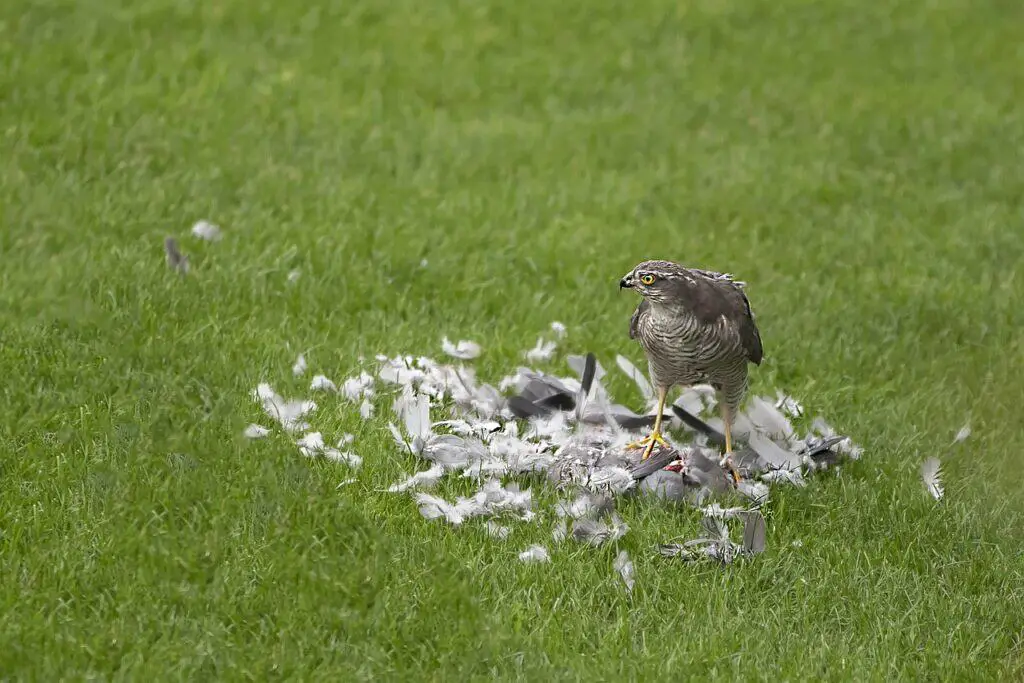
Direct pursuit is one of the most straightforward and thrilling forms of falconry. In this style, the raptor directly chases its prey in a fast-paced pursuit. This method relies on the bird’s speed, agility, and determination to close the distance between itself and its target. It is often used in open terrains where the prey has limited cover to escape.
Waiting on Style
The waiting-on style involves a more strategic approach. Here, the raptor soars high above the falconer and waits for the prey to be flushed out into the open. Once the prey is spotted, the bird dives at incredible speeds to capture it. This method showcases the raptor’s patience and aerial prowess.
Stooping
Stooping is one of the most iconic maneuvers in falconry. It involves a raptor diving from great heights at astonishing speeds to strike its prey in mid-air. This technique requires precise timing and control from both the bird and the falconer. Peregrine falcons are particularly famous for their stooping ability.
Ringing Flights
Ringing flights are characterized by a raptor circling upwards in a spiral motion while pursuing its prey. This style is often seen when chasing agile birds that attempt to evade capture by gaining altitude. Ringing flights highlight the endurance and tactical intelligence of hunting birds.
Ground Pursuit
Ground pursuit involves raptors chasing prey that remains on or near the ground. This technique is commonly used for hunting small mammals such as rabbits or hares. Birds like Harris’s hawks excel at ground pursuits due to their cooperative nature and adaptability.
Find out more about this method in our Ground Pursuit article.
Waterfowl Hunting
Waterfowl hunting focuses on capturing birds such as ducks or geese near water bodies. Raptors trained for this style must be skilled at navigating wet environments and dealing with slippery or evasive prey. This challenging but rewarding technique often requires additional training for both birds and falconers.
Cooperative Hunting
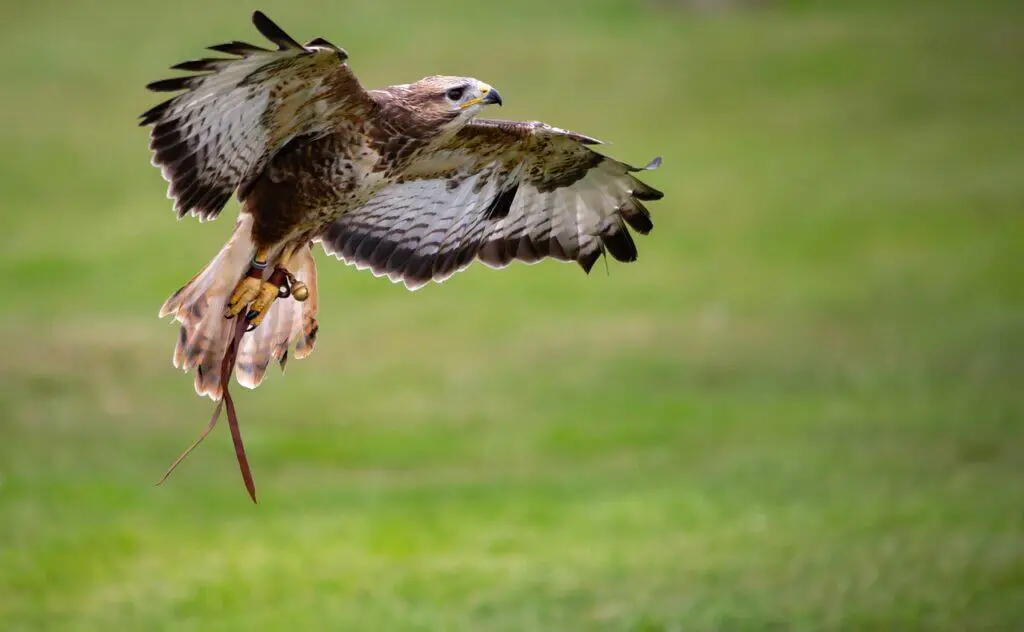
Cooperative hunting involves teamwork between multiple raptors or between a raptor and its human handler. This method leverages collaboration to increase hunting success rates, particularly when targeting difficult or elusive prey. Harris’s hawks are renowned for their ability to hunt cooperatively.
Uncover the secrets of cooperative hunting in our Cooperative Hunting article.
Dart Hawking
Dart hawking is a unique form of falconry where the bird is released from a high perch or “dart” towards its prey on the ground. This technique requires immense trust between the falconer and the bird and specialized training for both parties. Dart hawking is often used to hunt elusive birds, such as grouse or partridge.
Conclusion
Falconry offers a rich tapestry of techniques, each tailored to specific environments, prey types, and bird capabilities. Whether you are captivated by the speed of stooping, the strategy of waiting-on style, or the teamwork of cooperative hunting, there is always something new to learn and appreciate in this timeless art.
Use this guide as your hub for exploring each technique further through our in-depth articles. Falconry is not just about hunting—it’s about forging a bond with your bird of prey and immersing yourself in nature’s beauty.

Ready to Master Falconry? Explore Each Technique in Detail!
If you’re fascinated by falconry and want to refine your skills or deepen your knowledge, dive deeper into our dedicated articles and videos on falconry techniques. Whether it’s mastering the art of stooping or perfecting cooperative hunting, we have resources to help you on your journey.