

Cleaning a bird of prey mew can feel like tackling a monumental task, but with the right approach, it can be manageable. The key to it, in my opinion, lies in understanding the unique needs of these majestic birds and creating a space that promotes their health and well-being. Each step plays a crucial role in maintaining a clean and safe environment for your feathered companions, from removing debris to disinfecting surfaces. So, let’s look at the intricacies of mew cleaning and learn how to provide a spotless sanctuary for your birds.
How to deep clean an aviary
Deep cleaning of an aviary is essential for ensuring the health and care of your birds of prey. The process should be thorough and performed regularly to prevent disease and maintain a pleasant environment. Here’s a step-by-step guide:
- Prepare the Aviary: Begin by removing the birds from the Aviary and moving them to a safe, temporary location. This prevents them from being exposed to cleaning chemicals and reduces their stress.
- Remove Debris: Clear out any toys, perches, and feeding dishes. Discard old food and any visible waste. Sweep or vacuum the floor to remove feathers and other detritus.
- Wash Surfaces: Use a bird-safe disinfectant to scrub the walls, floor, and any permanent fixtures in the Aviary. Pay special attention to areas that are prone to accumulating droppings or food waste.
- Rinse Thoroughly: After scrubbing, rinse all surfaces with clean water. This step is pivotal to remove any remaining disinfectant, as chemical residues can be harmful to birds.
- Disinfect Accessories: Clean all the removable items, such as toys, feeding dishes, and perches, with a bird-safe disinfectant. Rinse them thoroughly with water before returning them to the Aviary.
- Dry the Aviary: Ensure the Aviary is completely dry before reintroducing the birds. Moist environments can encourage the growth of mould and bacteria, which are harmful to birds.
- Return the Birds: Once the Aviary is dry and aired out, you can safely return the birds to their home, along with their clean toys and accessories.
How often should you clean your mew or Aviary?
The frequency of cleaning your mew or Aviary depends on various factors such as the number of birds, the type of enclosure, and the weather. However, as a general rule, it is recommended to deep clean the Aviary at least once every 1 to 2 months.
In addition to regular deep cleaning, daily maintenance is also essential for keeping your bird’s home tidy. This can include spot-cleaning any visible waste, replacing old food and water dishes, and removing any debris that may have accumulated.
How to clean toys and perches
Maintaining the cleanliness of toys and perches in an aviary is crucial for the health and well-being of the birds they are meant for.
Cleaning Toys and Perches:
- Toy Sanitation: Regularly clean toys with a bird-safe disinfectant to avoid the buildup of bacteria and germs.
- Perch Maintenance: Inspect perches for any signs of wear and tear and clean them to remove droppings and debris.
- Cage Decoration: Rotate toys and perches to provide environmental enrichment and prevent boredom in the birds.
To ensure a hygienic environment, it’s essential to practice toy rotation, inspect and clean perches regularly, and replace any worn-out or damaged perches promptly. This regimen not only promotes the birds’ physical health but also enhances their mental stimulation.
How to disinfect a bird of prey mew
Disinfecting a bird of prey cage is a meticulous process that requires thorough attention to detail and dedication to maintaining a clean and safe environment for the birds. Cage disinfection is essential for the health and well-being of the birds. To disinfect the cage, I use cleaning solutions recommended for bird habitats, ensuring they are safe for the birds. Proper ventilation during and after cleaning is crucial to prevent fumes from harming the birds. A steam cleaner can also be used to disinfect the cage and kill any bacteria or viruses that may be present.
How to clean raptor feeders
Ensuring the cleanliness of a bird feeder is crucial for maintaining a safe and healthy environment for avian predators. When cleaning a bird feeder, consider the following key points:
- Seed Management: Regularly remove old or mouldy seeds to discourage the growth of harmful bacteria and fungi.
- Squirrel Deterrents: Install baffles or use feeders specifically designed to deter squirrels to prevent them from consuming bird food. Squirrels can transmit diseases to birds, so keeping them away from the feeder is essential.
- Cleaning Routine: Disinfect the feeder with a bird-safe solution at least once a month. Rinse properly and allow to dry before refilling it with fresh food.
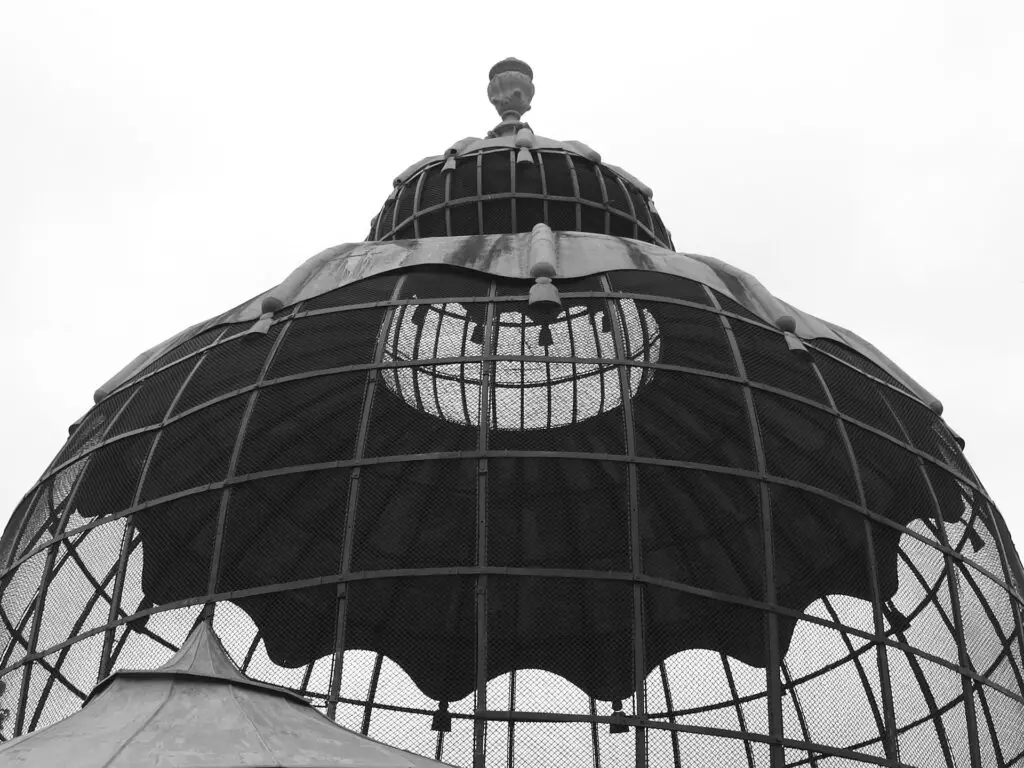
How to clean rust off aviaries
I remove rust from my aviaries to ensure the safety and well-being of my feathered friends. Preventing rust in aviaries is crucial for maintaining a healthy environment for birds. To clean rust off aviaries, start by using a wire brush or sandpaper to rub the affected areas. For tougher rust spots, a rust converter can be applied to neutralize the rust.
Regular maintenance, such as inspecting for rust and addressing it promptly, is key to preventing its recurrence. Applying a rust-resistant coating after cleaning can also help prevent future corrosion. Some essential cleaning supplies needed include a wire brush, sandpaper, rust converter, and rust-resistant paint. By following these rust removal techniques and rust prevention tips, we can ensure a safe and clean aviary for our feathered friends.
What is the best DIY equipment to use when cleaning aviaries?
When it comes to DIY cleaning equipment for aviaries, simplicity and safety are key. Utilizing household items can be both cost-effective and efficient. A long-handled scrub brush, a toothbrush, or a sponge is indispensable for reaching into all corners of the Aviary. A pressure washer set to a gentle mode can quickly rinse down walls and floors, although care should be taken to not damage the aviary structure or frighten birds in the vicinity.
Large, absorbent microfibre towels can speed up the process of drying while ensuring a safe and dry environment before reintroducing the birds. Additionally, a handheld steam cleaner can be a great investment for sanitizing surfaces without the use of harsh chemicals, offering a natural and effective way to kill germs and parasites that might be present. Always ensure that any equipment used is thoroughly rinsed and free from any soap or disinfectant residue to safeguard the birds’ health.
To conclude, maintaining a clean and safe environment for birds in captivity is crucial for their health and well-being. Regular cleaning, disinfecting, and inspecting aviaries and accessories are essential tasks. By following the guidelines and utilizing the recommended DIY tools and practices I mentioned, falconers can ensure their feathered friends thrive in a hygienic and stimulating environment.
Frequently Asked Questions
Can I use bleach to clean my Aviary?
- While bleach is an effective disinfectant, it is not recommended for use in bird habitats as it can be harmful to their respiratory system. It’s best to stick to bird-safe cleaning solutions.
How often should I replace toys and perches?
- Toys and perches should be replaced as soon as they show signs of wear or tear or if they become soiled. It’s also beneficial to rotate toys and perches regularly for environmental enrichment.
How do I know if my bird feeder needs cleaning?
- If you notice mould, mildew, or a foul odour coming from the feeder, it is time for a thorough cleaning. It’s also important to regularly check and remove old or mouldy seeds from the feeder.
Can I use a pressure washer to clean my Aviary?
- Yes, but it’s essential to use a gentle setting and not direct the spray toward the birds or their nesting areas. Care should also be taken to not damage the aviary structure.
Keep Your Aviary in Top Shape!
Want to ensure a safe and healthy environment for your birds of prey? Dive deeper into expert falconry care and discover pro tips, cleaning solutions, and essential maintenance strategies.
Check Out Our Related Topics:
How Much time Does Falconry Take?
Handling and Safety Tips For Birds Of Prey In Falconry
Animal Welfare in Falconry: Prioritizing the Well-Being of Birds