
As a falconer, have you ever wondered how seasonal changes impact your raptor’s health and behavior during molting? Understanding the intricate relationship between molting and falconry practices is key to ensuring your bird’s well-being and performance. From flight abilities to hunting success, the effects of molting are profound. Let’s explore the fascinating world of falconry birds molting and discover practical strategies to support your feathered partner through this critical phase.
Understanding Raptor Molting
Understanding raptor molting is essential for comprehending the impact of this natural process on the health and behavior of these birds of prey. Molting is the process through which raptors shed and replace their old feathers, ensuring optimal flight performance and thermoregulation.
This intricate process is crucial for maintaining the health and care of the bird, as damaged or worn feathers can impair their ability to hunt and survive in the wild. By shedding old feathers and growing new ones, raptors can also regulate their body temperature more effectively, which is crucial for their overall well-being.
Monitoring the timing and patterns of molting in raptors is vital for understanding their seasonal behaviors and adapting conservation efforts to support these magnificent creatures.
Factors Influencing Molting
When it comes to raptor molting, factors such as size dimorphism play a crucial role in determining the timing and duration of the molt. Understanding the molt status of a raptor can provide valuable insights into its overall health and physiological condition. Additionally, variations in body mass during the molting period can indicate the energy investment required for feather replacement and maintenance.
Size dimorphism
The size dimorphism observed in raptors plays a significant role in influencing the molting process. Larger raptors tend to have longer primary feathers, which are crucial for flight. Due to their size and extensive wing surface area, the energy required to replace these feathers is higher in larger birds during molting.
This can impact their hunting capabilities and overall behavior during the molting period. On the other hand, smaller raptors may molt more quickly as they have fewer and shorter feathers to replace. Size dimorphism also affects the timing of molting, with adult raptors often starting their molting process earlier to ensure they have fully functional feathers for optimal flight performance. Understanding these size-related differences is essential for managing raptors’ health and behavior during molting.
Molt status
The molting process is essential for raptors as it allows them to replace old or damaged feathers with new ones, ensuring optimal flight performance and insulation. The timing and duration of molting can vary among species and individual birds, affecting factors such as hunting efficiency and energy expenditure.
Captive raptors may alter their behavior during molting to reduce physical strain and conserve energy, often displaying reduced activity levels and altered hunting strategies. Understanding raptors’ molting patterns is crucial for falconers as it informs them about the birds’ condition and capabilities, enabling appropriate training and care strategies.
Body mass variation
Observing body mass variation in raptors during the molting process provides valuable insights into their physiological state and overall health. Changes in body mass can indicate shifts in metabolic activity, nutritional status, and energy expenditure during molting.
Raptors may experience fluctuations in body mass as they grow new feathers, requiring additional nutrients and energy. Monitoring these variations is crucial for falconers to adjust their diet and care routines accordingly.
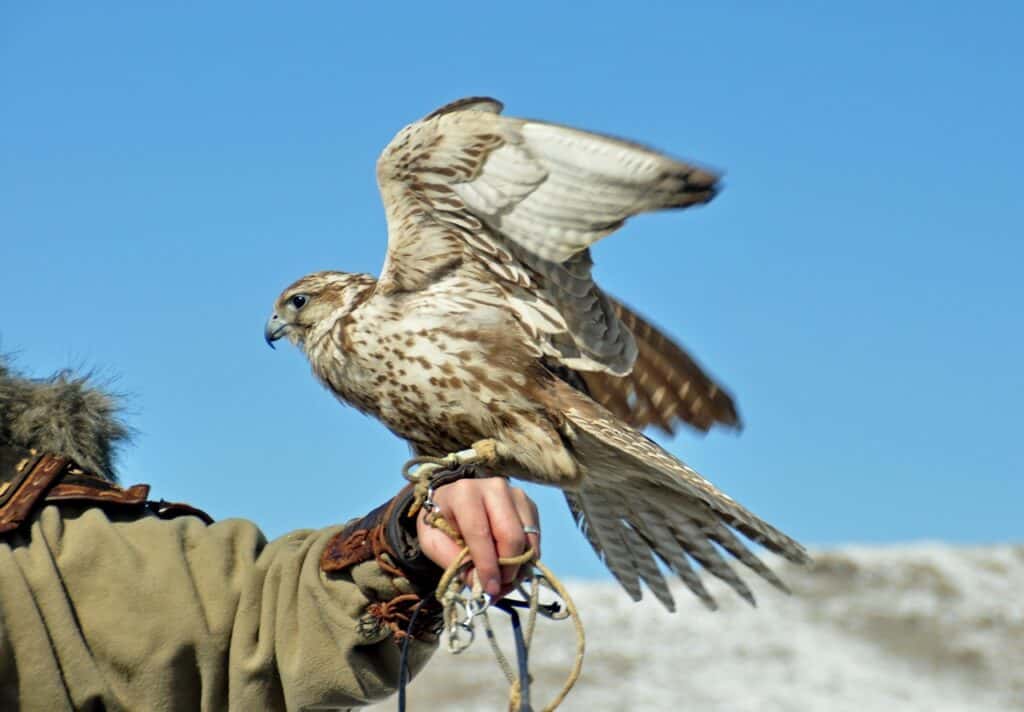
Sudden drops in body mass could signal health issues or inadequate nutrition, impacting the molting process and overall well-being. Conversely, unexpected increases in body mass might suggest excessive feeding or decreased physical activity. Understanding these fluctuations in body mass is essential for maintaining raptors’ health and ensuring successful molting in falconry practices.
The Molting Process
The molting process is a crucial phase in a raptor’s life cycle, involving distinct stages: pre-basic molt, pre-alternate molt, basic molt, and alternate molt. The timing and duration of molting can vary among species, with factors like age, sex, health, and environmental conditions influencing this critical period. Understanding the molting process and providing grooming opportunities is essential as it directly impacts a raptor’s health, feather quality, flight performance, and overall survival.
Stages of molting
During the molting process, raptors go through several distinct stages as they shed and regrow their feathers. The first stage is pre-basic molt, where old feathers are shed to make way for new growth. This is followed by the basic molt stage, during which primary flight feathers are replaced.
Next is the pre-alternate molt, during which birds shed some feathers in preparation for the breeding season. Finally, the alternate molt stage occurs, during which the remaining feathers are replaced. Each stage is crucial for maintaining feather quality and flight performance. Monitoring raptors closely during these stages is essential to ensure they have the necessary resources and care to support healthy feather regeneration.
Timing and duration
Molting typically occurs once a year, following the breeding season. The timing varies among species and individuals and is influenced by factors such as age, health, and environmental conditions. The duration of the molting process can last anywhere from a few weeks to several months, depending on the species and the extent of feather replacement needed.
Raptors may exhibit reduced activity levels during this period as their energy is redirected toward feather growth. It is essential for falconers to closely monitor their birds during this time to ensure they receive adequate care and support for a successful molt.
Impact on health and performance
Understanding the impact of molting on raptor health and performance provides valuable insights into the physiological changes these birds undergo. During molting, raptors experience a significant strain on their bodies as they replace old feathers with new ones. This process requires substantial energy and nutrients, potentially decreasing overall health and performance.
Feathers play a crucial role in raptors’ aerodynamics and hunting abilities, so any disruptions in their plumage can directly impact their ability to fly efficiently and capture prey. Additionally, the stress of molting can weaken their immune system, making them more susceptible to illnesses. Therefore, it is essential for falconers to provide proper care, nutrition, and support to help raptors navigate this challenging period successfully.
Practical Recommendations for Falconers During Moulting
As a falconer, it is essential to closely monitor your raptor’s condition throughout the molting process. Implementing best practices and adding supplementation if necessary can significantly influence your bird’s health and behavior during this critical period.
Monitoring Raptor Conditions
When observing your raptor during molting, it’s vital to notice subtle shifts in behavior and physical health. Regularly weigh your bird to track any unexpected weight loss, which may signal health issues. Pay special attention to adult plumage quality, as the molting phase can significantly impact weather conditions.
Additionally, monitor droppings for irregularities, such as variations in color or consistency, that may indicate digestive disturbances. Keeping detailed records of food intake, activity levels, and hunting successes can help identify deviations from your bird’s normal patterns.
Establishing a baseline for your raptor’s typical behavior and health parameters will enable you to quickly recognize any concerning changes and take appropriate action to ensure its well-being.
Best Practices During Moulting
During the molting phase, specific best practices should be implemented to maintain the health and well-being of your raptor. To avoid stressing the bird, refrain from flying it during this period, as flight feathers are delicate and susceptible to damage. Create a calm and stress-free environment that supports the molting process.
Regularly inspect for signs of feather damage or abnormalities, and seek veterinary care if you notice anything unusual. Ensure that your raptor has easy access to fresh water, which is vital for hydration and healthy feather growth.
Additionally, provide a well-balanced diet rich in essential amino acids, vitamins, and minerals to support rapid feather regeneration and overall health and well-being. Following these recommendations can help your raptor navigate the molting process more smoothly and effectively.
In conclusion, raptor molting is a critical period significantly impacting their health and behavior in falconry. Falconers can support their birds through this physical transition by closely monitoring the timing and duration of molting and providing proper care and nutrition. Understanding the factors influencing molting and implementing practical recommendations will ensure that raptors maintain optimal health and vitality for successful hunting and flight performance.
Learn More About Raptor Care
Are you curious to dive deeper into the world of falconry and raptor care? Explore our comprehensive resources and articles to better understand raptor health, undesirable behaviors, and best practices during molting. Equip yourself with the knowledge you need to ensure your feathered partner thrives through every season. Check Out Our Related Articles below!