
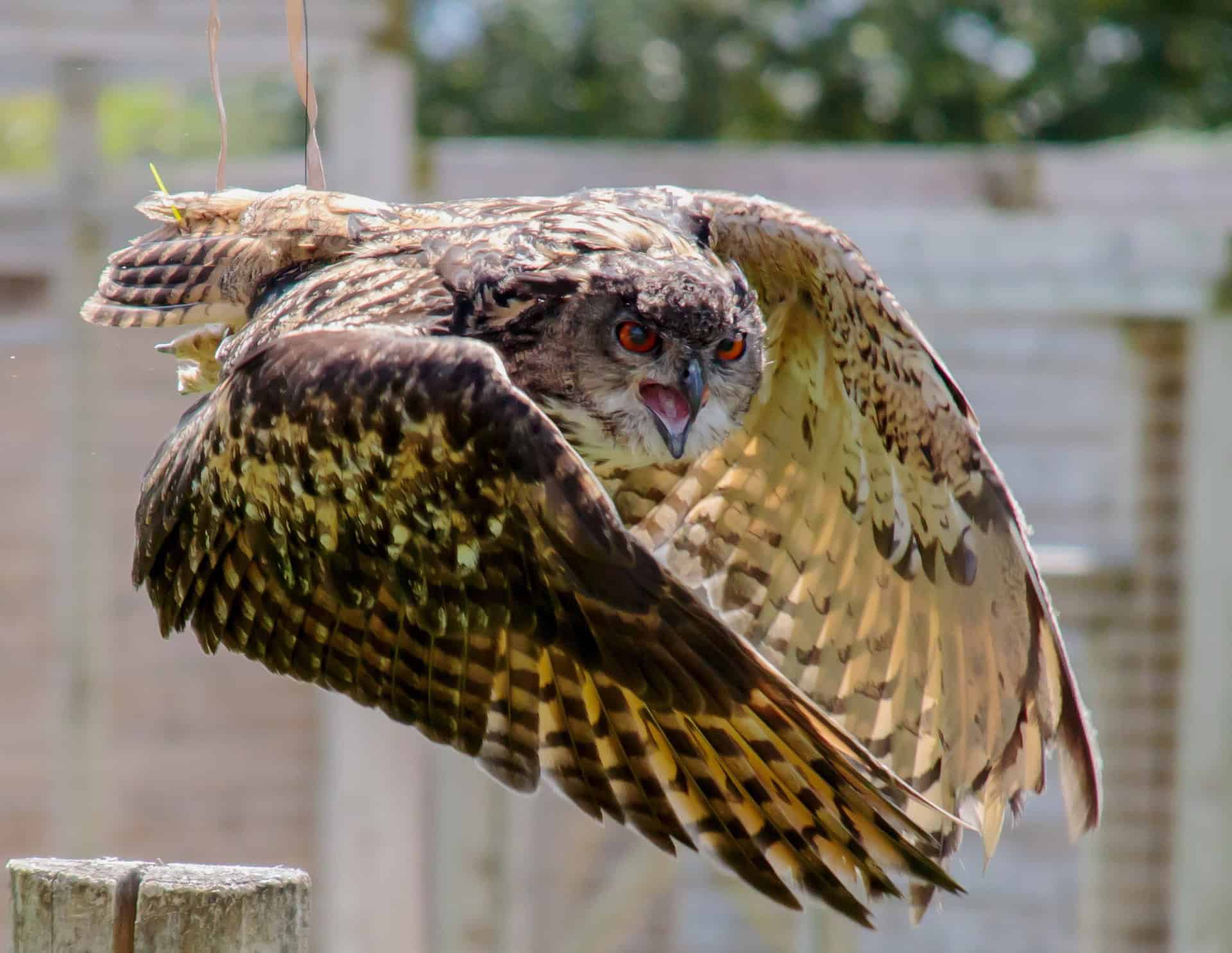
Have you ever noticed how birds of prey change their appearance throughout the year? Well, that’s all thanks to their moulting cycle. I have been through this process numerous times, so let me share my experiences with you. In this short guide, we’ll explore the timing, symptoms, and duration of this natural phenomenon.
What time of year do birds of prey moult
Birds of prey molt at different times of the year, depending on their species and geographical location. Seasonal patterns and environmental factors play a crucial role in determining when birds of prey undergo molting. Molting is a natural process through which birds shed and replace their old feathers. This process is essential for feather regeneration and maintaining optimal flight and hunting abilities.
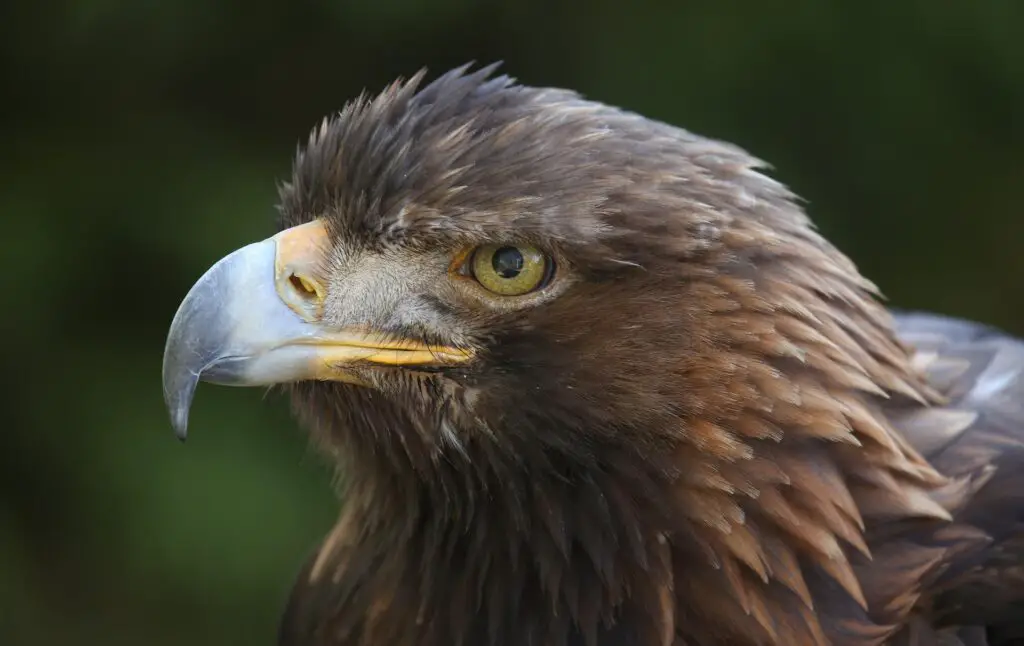
During molting, birds require a higher intake of nutrients to support feather growth and development. The availability of food sources rich in proteins, vitamins, and minerals is crucial for meeting their nutritional requirements during this period. Molting can temporarily impact the hunting abilities of birds of prey, as the regrowing feathers may affect their flight performance and agility.
Birds of prey molting symptoms
The first signs of moulting in birds of prey are often subtle, with a gradual change in feather colour and texture. As the process progresses, you may notice an increase in feather loss and bald patches on your body. This is completely normal and should not cause alarm.
Other common symptoms include increased preening and scratching as birds try to remove loose feathers. You may also notice a decrease in overall activity levels and an increase in rest periods. This is because molting can be physically demanding for birds, and they require extra energy to support feather growth. If you wish to assist your raptor, you can follow general grooming practices but do not pluck or pull any feathers. This can be very painful and may cause permanent damage.
What does it mean when a bird of prey is moulting
When a bird of prey is molting, it undergoes a natural process of shedding and regenerating its feathers. Feather regrowth is an essential part of this cycle. Molting patterns can vary among different species of birds of prey, but generally, feathers are shed and replaced gradually to maintain the bird’s ability to fly. The duration of the molting process can range from a few weeks to several months, depending on the species and the individual bird’s condition.
During this time, the bird may experience temporary changes in flight capabilities due to incomplete feather regrowth. These effects on flight can impact hunting behavior, as birds of prey rely heavily on their aerial abilities to catch prey. Therefore, molting can temporarily alter hunting strategies and patterns until the new feathers are fully grown.
How long does a bird of prey moult last
The duration of moulting can vary among different species of birds of prey. Generally, larger raptors such as eagles take longer to moult compared to smaller birds like falcons and hawks. The process typically begins with shedding the outermost feathers, followed by the inner ones. This gradual replacement ensures that the bird maintains its ability to fly throughout the moulting period.
The actual duration of the moult can range from a few weeks to several months, depending on external factors such as climate and food availability. It is crucial to note that birds may take breaks in between moults, so do not be alarmed if you notice some feathers growing back while others are still being shed.
How does moulting affect captive birds of prey?
Captive birds of prey, such as falcons and hawks, may exhibit a slightly different moulting pattern compared to their wild counterparts. In the controlled environment of captivity, where the availability of a consistent food supply is ensured, these birds may undergo moulting earlier or later than their expected natural schedule.
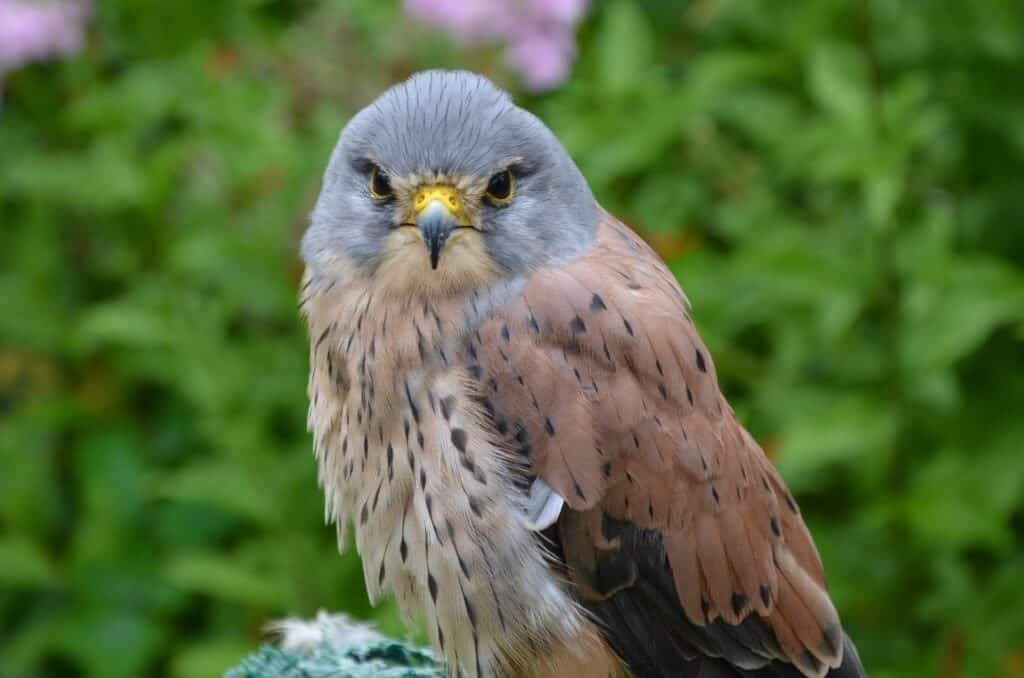
This deviation in timing, however, does not significantly alter the overall molting process or impact their hunting abilities. Caretakers of captive birds of prey play a crucial role in closely monitoring their molting progress, ensuring that feather regrowth is supported through a well-balanced diet.
By providing this additional detail, caretakers can ensure that the captive birds of prey under their care thrive and maintain a healthy life overall, ready for their next hunting endeavours.
Do Birds of prey behave differently when they moult?
While molting, birds of prey may exhibit distinct behavioral changes. These changes can be attributed to the physiological and energetic demands of feather growth and the molting process. Here are some key behavioral changes that birds of prey may display during molting:
- Decreased activity levels: Birds of prey may become less active during moulting, conserving energy for feather regeneration.
- Altered hunting behaviour: Moulting birds may modify their hunting strategies to compensate for reduced flight capabilities or changes in their visual field caused by missing or growing feathers.
- Changes in diet: Some birds of prey may adjust their diet during molting, favoring easily digestible prey items that require less energy to obtain and process.
- Increased preening: Birds of prey may spend more time preening during moulting, ensuring that new feathers are properly aligned and maintained.
- Social interactions: Moulting birds may display altered social behaviours, such as increased aggression or reduced territorial defence, possibly due to the temporary decrease in physical fitness.
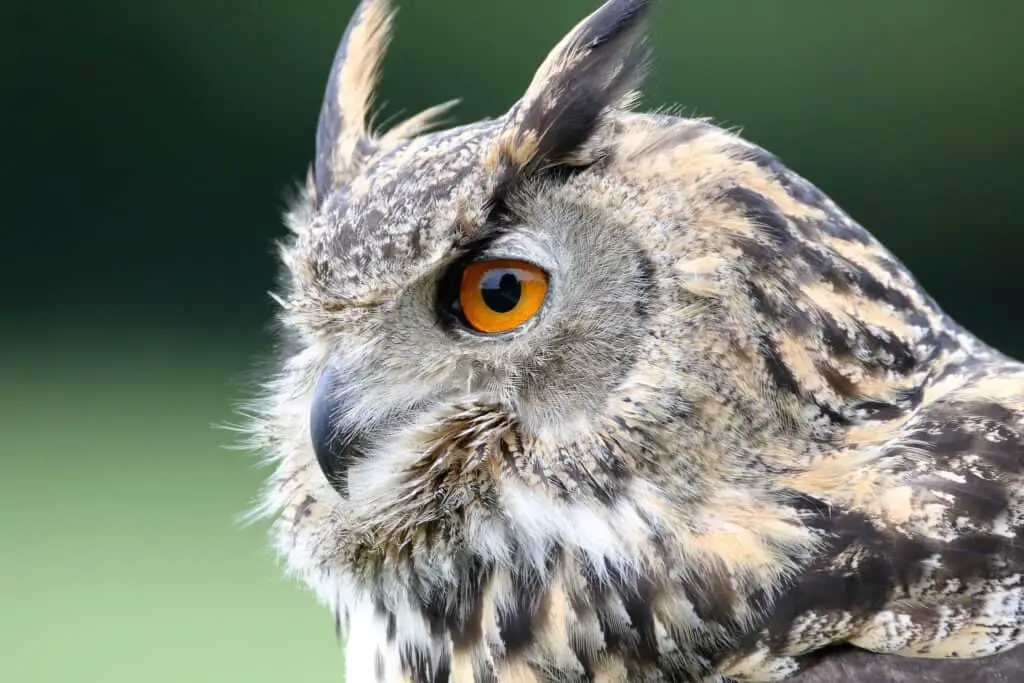
The moulting process of birds of prey occurs annually and typically takes place during the late summer or early fall. During this time, these majestic creatures shed their old feathers and grow new ones, which allows them to maintain their optimal flight performance and hunting capabilities. Although moulting may temporarily affect their appearance and behaviour, it is a natural and necessary process for the health and survival of birds of prey.
Frequently Asked Questions
Are All Birds of Prey Affected by Moulting at the Same Time of Year?
- All birds of prey have distinct moulting patterns, which are influenced by seasonal changes and hormonal fluctuations and are also impacted by climate.
Can the Moulting Process in Birds of Prey Cause Any Health Issues or Discomfort?
- During the moulting process in birds of prey, potential health risks and discomfort can arise. Proper nutrition is crucial for their well-being during this time.
Are There Any Specific Environmental Factors That Can Influence the Moulting Process in Birds of Prey?
- There are specific environmental factors that can influence the moulting process in birds of prey. These include migration patterns, hormonal changes, diet variations, and the need for plumage camouflage in different habitats.
Can Birds of Prey Still Fly and Hunt Effectively While They Are Moulting?
- While moulting, birds of prey may experience temporary limitations in their flying abilities and hunting skills.
Do raptors moult all their fathers at once?
- No, birds of prey do not moult all their feathers at once. Instead, they go through a gradual process of shedding and regrowth to maintain their ability to fly. This is essential for the survival of these birds, as losing all feathers at once would render them flightless and vulnerable to predators.
Check Out Our Related Articles below:
How Do Falconers Maintain Their Bird’s Feathers?
Beak and Talon Maintenance in Captive Birds of Prey: Techniques, Safety, and Species-Specific Tips