
When caring for molting raptors, you must ensure they have the right diet, hygiene, and environment. Proper nutrition and hygiene are crucial, but there’s more to it than that. Maintaining their physical and mental well-being during this period is key.
So, what other essential aspects contribute to the successful care of molting raptors? Let’s explore further to uncover the comprehensive approach needed to support these majestic birds through their molting process.
Understanding Molting in Raptors
Understanding the molting process is crucial when caring for molting raptors. Raptors molt annually to replace old or damaged feathers, which is vital for maintaining their ability to fly effectively and stay warm.
Molting typically occurs in stages, with flight feathers being replaced first to ensure the bird can still fly during the process.
Understanding the different types of molts, such as partial or complete molts, can help you understand the raptor’s varying needs during this time.
Raptors may also molt at different rates depending on their species, age, and health status. It’s essential to monitor the molting progress closely, as any abnormalities in the process could indicate underlying health issues.
Providing a stress-free environment with minimal disturbances can support the raptor during this vulnerable period. Regularly checking for any signs of stress or discomfort and seeking veterinary advice when needed are crucial steps in caring for a molting raptor.
Providing a Nutritious Diet
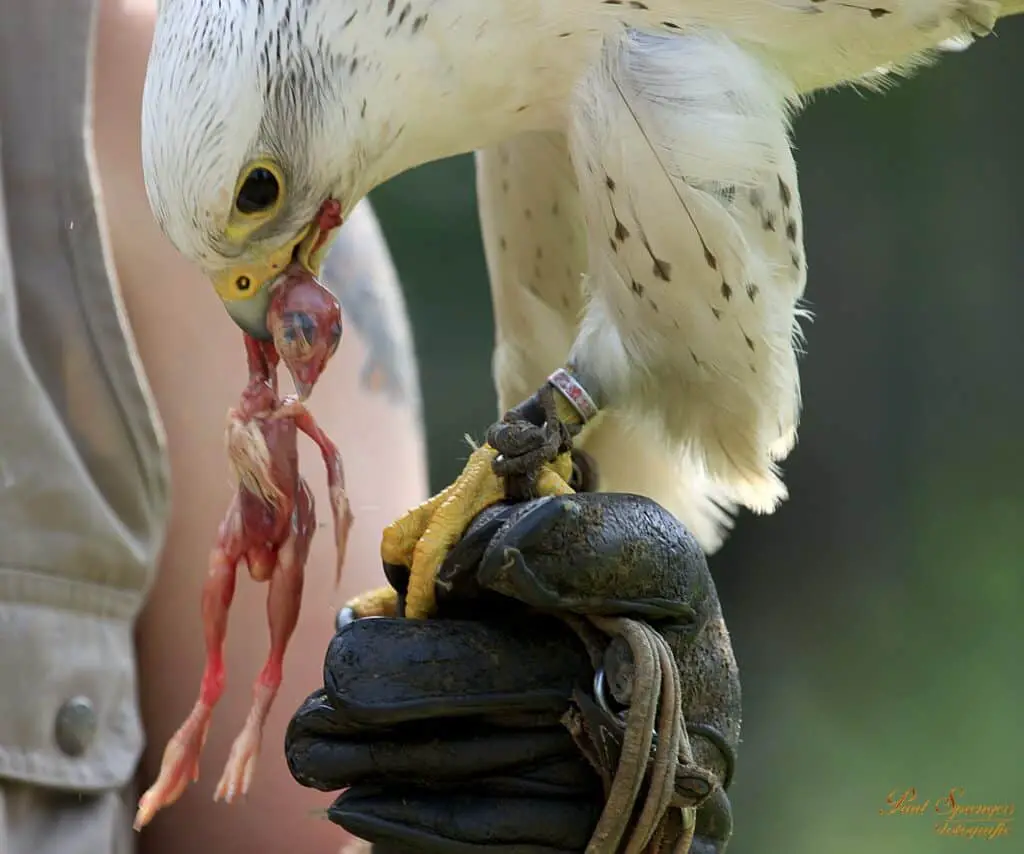
A balanced diet for molting raptors should include lean meats like mice or rats and organ meats like heart and liver. Offering a variety of fresh foods can also provide additional nutrients and stimulate the bird’s natural hunting instincts. Some raptors may require supplements, such as calcium or vitamins, during molting to support their feather growth.
Following a feeding schedule and monitoring the bird’s weight closely during this period is crucial. Overfeeding leads to excessive weight gain, which can strain the bird’s body and hinder molting. On the other hand, underfeeding can result in nutrient deficiencies that could affect the health and care of these raptors.
Maintaining Proper Hygiene
During molting, your bird’s feathers are delicate and more prone to damage and infection due to the increased fragility of new feather growth. To keep the bird healthy and comfortable during this vulnerable time, it is crucial to maintain a high standard of cleanliness in its living environment. Regularly cleaning the enclosure helps prevent the build-up of harmful pathogens.
Start by removing any droppings, uneaten food, or other debris that could harbor bacteria or attract pests. This keeps the environment sanitary and reduces stress on your raptor. Use a mild avian-safe disinfectant to thoroughly clean perches, toys, and other surfaces in the enclosure, ensuring that all areas of your raptor contacts are hygienic.
Additionally, pay close attention to your raptor’s feet, as they are vital indicators of overall health. Regularly groom them and look for signs of infection, such as redness, swelling, or discharge. If you notice any abnormalities, gently clean the affected areas with avian-safe solutions and consult a veterinarian if necessary. Prioritizing these hygiene practices will contribute to the well-being and vitality of your raptor during the molting period and beyond.
Offering Adequate Rest
From my experience, I’ve learned that providing them with adequate rest is absolutely crucial. During the molting period, I prioritize ensuring the birds have a quiet space free from disruptions. This means carefully planning the location of their enclosure to avoid high-traffic areas and keeping noise levels to a minimum. Providing hiding spots and dim lighting can also help promote a restful environment.
It’s important to limit handling and other forms of physical activity during this time. Handling can cause stress, which can be detrimental to the molting process. As tempting as it may be to interact with your bird regularly, remember that their health should always come first.
Minimizing Stress Factors
Stress can lead to feather damage, reduced appetite, and other health issues that could prolong the molt or affect your bird’s overall well-being.
To minimize stress, it’s essential to maintain a routine and avoid sudden changes in your raptor’s environment. This includes keeping their enclosure clean and consistent in temperature and providing regular access to fresh water. Loud noises, sudden movements, and disruptions can agitate your bird and hinder molting.
Another crucial factor in reducing stress is socialization. Raptors are social animals and thrive on interactions with their owners or other birds of prey. During molting, limit interactions to only essential care tasks and keep them brief and gentle.
Monitoring Feather Growth
Monitoring feather growth in raptors during the molting season is essential for understanding their health, age, and readiness for various activities. Here are some key aspects to consider in feather growth monitoring:
Feather Molt Patterns
Each raptor species has specific molting patterns. Primary, secondary, and tail feathers generally molt in a predictable sequence that varies by species and age:
- Adults often undergo a complete or near-complete molt annually.
- Juveniles may experience partial molts, depending on the species.
Understanding these patterns helps identify gaps in feather replacement and determine if a raptor is molting healthily.

Molting Stages and Feather Replacement
- Anagen (Growth): The new feather starts growing, and you can see a pin feather (encased in a keratin sheath).
- Catagen (Transitional): Growth slows as the feather nears its full length, and the sheath begins to peel.
- Telogen (Resting): The feather is fully developed and remains until it is shed during the next molt cycle.
Observing these stages can help identify any abnormalities in feather development.
Measuring Feather Growth Rate
- Photographic Documentation: Taking regular photos from the same angle and distance provides a visual record to track progress.
- Using Calipers: Measuring feather length with calipers can provide accurate data on growth rate.
- Feather Growth Bars: Growth bars or “day bands” can reveal daily growth rates and are visible as lighter and darker sections on the feather.
Monitoring these helps in assessing if feathers are growing at expected rates.
Tracking and Recording Data
- Data Collection: Consistently recording feather length, molting stage, any abnormalities, and environmental conditions is key for monitoring progress and making informed decisions.
- Long-term Records: Comparing molting data year-over-year can reveal patterns and potential changes in health or behavior due to environmental changes.
I find that this method of monitoring and recording feather growth helps provide a good understanding of my bird’s health during the moulting season. It also helps determine any potential concerns that may require attention.
Engaging in Light Exercise
Incorporating light exercise into your bird’s routine during molting can greatly benefit their overall health and well-being. During molting, involve your raptor in gentle activities to keep their muscles toned, agile, and mentally stimulated. Simple exercises like short flights in a safe and controlled environment or perching on different surfaces can help keep your raptor active without stressing its growing feathers.
Remember, regular exercise can also promote blood circulation, which aids in the delivery of essential nutrients to support healthy feather regrowth.
However, avoiding strenuous activities or excessive flying is crucial, as this can hinder the molting process and potentially lead to feather damage or stress. Be sure to provide ample opportunities for your raptor to move around and stretch their wings, but always monitor their behavior and adjust the intensity of the exercise based on their comfort level.
Seeking Veterinary Care if Needed
If your bird shows any signs of unusual behavior or discomfort, or if you notice any abnormalities in its feather growth, it’s crucial to seek veterinary care promptly. Raptors can be sensitive during molting, and any deviations from their normal behavior or feather development could indicate underlying health issues that need professional attention.
Only a qualified avian veterinarian will be able to assess your raptor’s condition, provide a proper diagnosis, and recommend appropriate treatment.
When looking for veterinary care, make sure to choose a veterinarian experienced in treating birds of prey. They’ll have the necessary knowledge and resources to address the specific needs of your feathered friend.
During the veterinary visit, provide detailed information about your raptor’s diet, environment, and any recent changes in behavior or appearance. This information will assist the vet in making an accurate assessment and developing a tailored treatment plan.
Conclusion:
Molting is a natural yet demanding phase for raptors, requiring attentive care to ensure a smooth transition. By providing proper nutrition, hygiene, rest, and a stress-free environment, you can support your bird’s feather regeneration and overall health. Monitoring their progress and seeking veterinary advice when needed will help your raptor thrive through this process.
Want to dive deeper into raptor care? Explore our other guides on handling, training, and maintaining optimal health for these majestic birds. Understanding their needs beyond molting will help you build a stronger bond and ensure their long-term well-being.