
Housing a raptor is not as simple as keeping a regular pet bird. Raptors, also known as birds of prey, require specialized care and housing to ensure their health and well-being. In this guide, we will discuss everything you need to know about housing a raptor.
Where do falconers keep their birds?
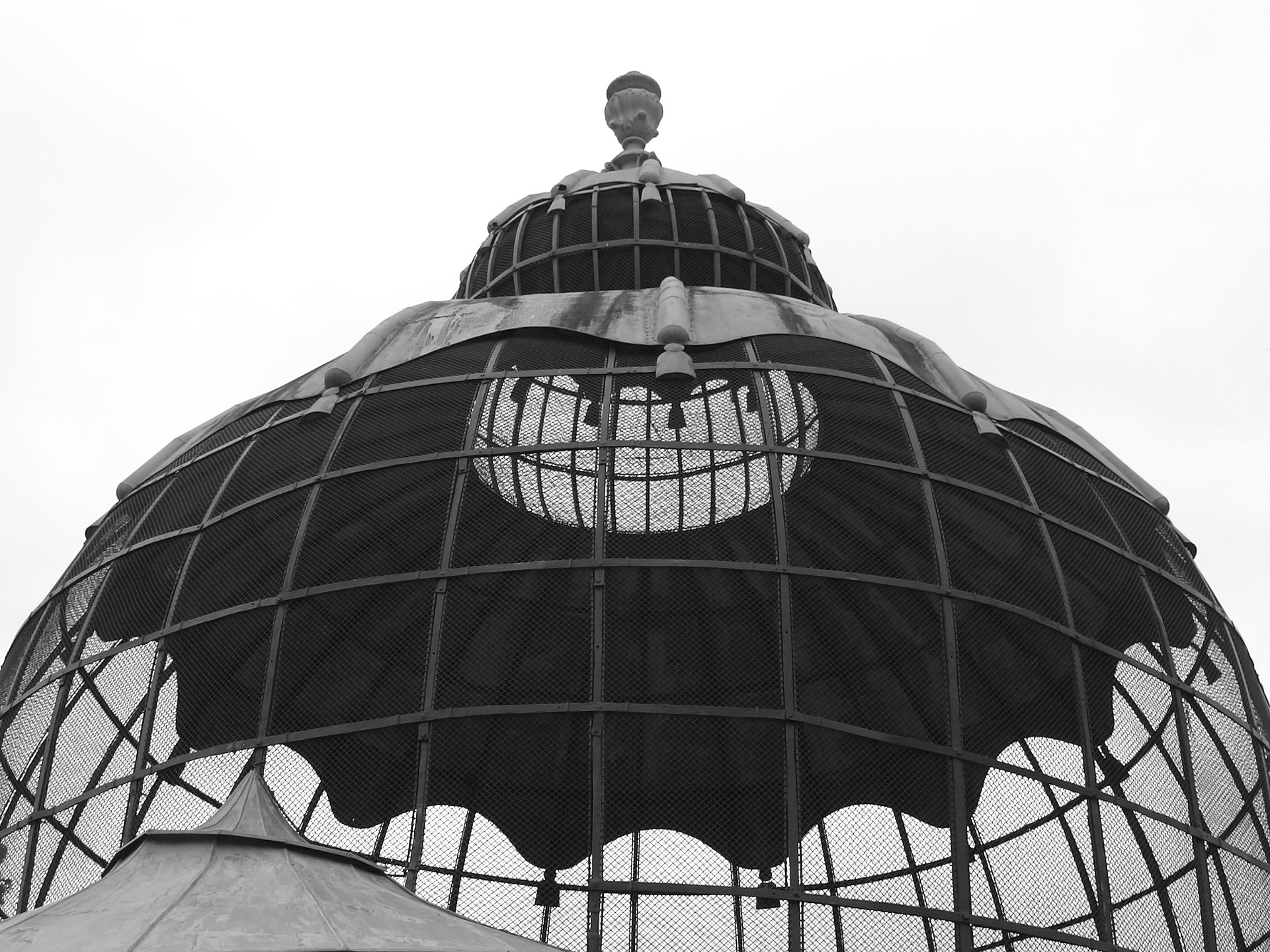
Falconers typically house their birds in specially designed enclosures called mews/aviaries. These mews serve as a safe and comfortable home for the raptors, providing them with the necessary space and amenities to thrive. Mews are often built outdoors, but some falconers also have indoor mews for their birds.

Different Types of Falconry Mews
The design and type of mews can vary based on factors such as the type of birds being kept, the local climate, and the personal preferences of the falconer. Here are some different types of falconry mews:
- Traditional Block Mews:
- This is a classic design consisting of separate, individual enclosures or rooms for each bird.
- Each compartment usually has a perch, a sheltered area for roosting, and a perch for the bird to rest on.
- Weathering Yard:
- A weathering yard is an outdoor facility where birds are allowed to spend time outdoors, experience natural weather conditions, and get exercise.
- Besides keeping the birds physically fit, it allows them to acclimate to the weather.
- Flying Mews:
- A flying mews is a larger enclosure that allows birds to fly short distances within the facility. It often includes perches, perching structures, and a space for flight training.
- Flying mews are used for training birds to fly to the falconer’s glove and for exercise.
- Block Perch Mews:
- This type of mews features a central block perch where the bird can rest and sleep. The block perch is a raised platform with a central post.
- It provides a simple and clean environment for the bird to rest and perch.
- Indoor Mews:
- An indoor mews is a structure designed for birds to be housed indoors. It may include perches, blocks, and other features for the bird’s comfort.
- Indoor mews are used in regions with extreme weather conditions or to provide a more controlled environment for certain birds.
Factors to Consider When Selecting a Mew
First and foremost, I always ensure that the mew provides adequate space for the raptor to move around comfortably. Raptors need enough space to exercise their wings and fly short distances within the enclosure. The size of the mew should be proportionate to the size of the bird, allowing it to stretch its wings fully without any restrictions.
Secondly, it is crucial to consider the material and construction of the mew. Materials should be sturdy enough to withstand the raptors’ strength and weather resistance. Additionally, the mew should have a secure door and proper ventilation to ensure the raptor’s safety and well-being.
Another important factor is the location of the mew. It should be situated in a quiet and secluded area, away from any potential disturbances or predators. The surroundings should be peaceful, providing a calm and stress-free environment for the raptor.
Furthermore, the mew should have suitable perches and nesting areas for the raptor. These should be designed to mimic the natural habitat of the bird, providing it with a comfortable and familiar space to rest and roost.
Last but not least, the mew must be maintained and cleaned regularly to prevent disease transmission and ensure a hygienic environment for the birds.
How to Build a Mew
Building a mew involves creating a secure and comfortable space for the birds to rest, perch, and, in some cases, fly. The design and size of the mew will depend on the specific needs of the bird species you’re working with and local regulations. Here is a general guide on how I built a basic mew:
Materials and Tools:
- Wood: Use sturdy and weather-resistant wood for the frame and walls.
- Wire Mesh: Choose a strong and durable mesh to create walls and partitions.
- Roofing Material: Select a weatherproof material for the roof.
- Perches: Include various sizes and types of perches for the bird’s comfort.
- Nesting Boxes: If needed for the species you’re working with.
- Doors and Latches: Install secure doors with reliable latches to access the new.
- Ventilation: Ensure good airflow while keeping the mew draft-free.
- Outdoor Weathering Area: If possible, incorporate an outdoor space for the birds to experience natural weather conditions.
- Tools: Screwdriver, saw, hammer, nails/screws, measuring tape, and other basic carpentry tools.
Steps:
Plan the Design:
- Consider the size and needs of the bird species.
- Decide on the type of mew (e.g., indoor, outdoor, flying mew).
- Plan for perches, roosting areas, and nesting boxes if necessary.
Construct the Frame:
- Build a sturdy frame using the chosen wood.
- Ensure the frame is level and securely anchored.
Install Walls:
- Attach wire mesh to the frame to create walls.
- Provide proper ventilation by leaving gaps in the mesh or installing vents.
Roofing:
- Add a weatherproof roof to protect the birds from rain and sun.
- Slope the roof to allow water runoff.
Perches:
- Install perches at various heights and thicknesses.
- Consider using natural branches to mimic the bird’s natural environment.
Nesting Boxes:
- If your falconry birds require nesting boxes, install them in a quiet and secluded area of the mew.
Doors and Latches:
- Install a secure door with proper latches.
- Ensure the door is wide enough for easy access.
- Consider using a substrate like wood shavings or straw on the floor for cleanliness and comfort.
Outdoor Area:
- If possible, create an outdoor weathering area connected to the mew.
- Include perches and possibly a bath pan for the bird.
Secure the Mew:
- Ensure all edges and corners are smooth to prevent injury to the birds.
- Check for any potential escape points or weak spots.
Comply with Regulations:
- Check local regulations and falconry guidelines to ensure your mew meets legal requirements.
Regular Maintenance:
- Inspect and clean the mew regularly.
- Make repairs promptly to ensure the safety and well-being of the birds.
If you’re unsure about any aspect of the construction, I suggest you seek advice from experienced falconers or consult local authorities for guidance on regulations.

Benefits of Having a Customized Mew
What are the advantages of having a personalized mew for housing a raptor? A customized mew offers several benefits that can greatly enhance the well-being of your raptor. Firstly, it allows you to tailor the space to meet the specific needs of your bird. By considering factors such as size, perch placement, and temperature control, you can create an environment that promotes comfort and optimal health. Additionally, a personalized mew enables you to incorporate safety features that protect your raptor from potential hazards.
This can include reinforced walls, secure doors, and predator-proofing measures. You will also have greater control over the aesthetics of the enclosure. By selecting materials, colours, and design elements that complement your surroundings, you can create a visually pleasing space that seamlessly blends with your property. Finally, a personalized mew allows for easier maintenance and cleaning. By including features such as removable perches, easy-to-clean surfaces, and efficient drainage systems, you can ensure a hygienic living environment for your raptor.
The Importance of Comfortable and Safe Living Environments for Bird
Creating a comfortable and safe living environment is essential for the well-being of your bird. As responsible bird owners, it is our duty to provide them with a habitat that meets their physical and psychological needs. By doing so, we ensure that they can thrive and live a healthy and fulfilling life.
To help you understand the importance of a comfortable and safe living environment, let’s take a look at the following table:
| Aspect | Importance |
| Proper cage size | Allows for natural movement and prevents physical discomfort |
| Appropriate perches | Supports foot health and prevents muscle and joint problems |
| Adequate ventilation | Ensures fresh air circulation and prevents respiratory issues |
| Proper temperature | Maintains optimal body temperature and prevents stress |
| Secure enclosure | Prevents escapes and protects the bird from potential dangers |
| Enrichment and toys | Stimulates mental and physical activity and prevents boredom |
In conclusion, housing a raptor requires careful consideration and attention to detail. Selecting the right type of mew to creating a safe and secure living environment is crucial for the well-being of these magnificent birds.
Frequently Asked Questions
How Much Does It Cost to Build an Aviary for a Raptor?
- Building an aviary for a raptor can be quite pricey. The cost depends on various factors like size, materials, and specialized features. It’s essential to consider all these aspects to create a safe and comfortable habitat for our majestic feathered friends.
Are There Any Legal Restrictions on Housing a Raptor in a Residential Area?
- There are legal restrictions on housing a raptor in a residential area. It is important to check local regulations and obtain the necessary permits and licenses before keeping a raptor in your backyard.
What Are the Dimensions of a Typical Falconry Mew?
- The dimensions of a typical falconry mew vary depending on the size of the raptor. It should provide enough space for the bird to stretch its wings and move comfortably.