
Ground pursuit falconry is an exciting hunting technique where falconers work with trained birds of prey to track and pursue game that is on foot. This method combines the ancient art of falconry with physical endurance, requiring both the falconer and the raptor to work in harmony.
Whether using hawks to flush prey or falcons to dive at incredible speeds, ground pursuit falconry tests skill, precision, and the deep bond between falconer and bird. It offers a unique, hands-on hunting experience rooted in tradition and teamwork.
What is Ground Pursuit Falconry?
Ground pursuit falconry is a dynamic and challenging hunting technique that involves actively tracking and pursuing game on foot with trained birds of prey. This method combines the ancient art of falconry with the physical demands of ground pursuit hunting, creating a unique and exhilarating experience for both falconer and raptor.
How Ground Pursuit Falconry Works
The process of ground pursuit falconry typically involves several key steps:
- Preparation: Falconers meticulously train their birds of prey for months before a hunt. They condition the raptors to respond to commands and return to the glove.
- Scouting: Hunters scout locations in advance, identifying areas rich in potential quarry. They consider factors like wind direction, terrain, and cover to plan the most effective hunting strategy.
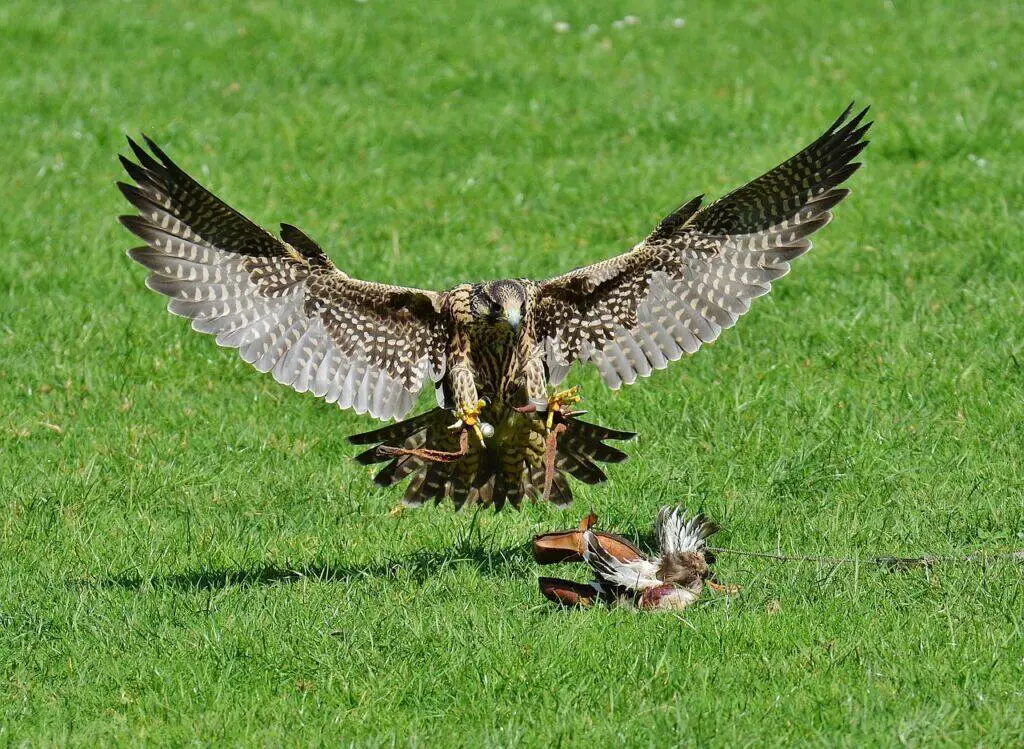
- Release: The hunt begins as the falconer releases their bird. Different raptors employ various hunting techniques. Hawks typically fly from tree to tree, flushing out prey, while falcons often soar high and then dive at incredible speeds to strike their target.
- Pursuit: The falconer works in tandem with their bird, flushing prey from cover. Success depends on the raptor’s skill and the hunter’s ability to predict animal behavior.
- Capture: When the raptor successfully captures the prey, the falconer quickly approaches to secure the quarry and reward the bird.
The Falconer-Raptor Bond
A strong bond between falconer and raptor is essential for successful hunting partnerships. Daily interaction, including feeding, training sessions, and general care, fosters this connection. Falconers must read their birds’ body language and vocalizations to understand their needs and moods. This awareness helps prevent stress and promotes a harmonious working relationship.
Training for Ground Pursuit
Training a raptor for ground pursuit falconry is a complex and time-consuming process:
- Imprinting and Early Training: This phase may take several weeks, during which the falconer works to establish trust and familiarity with the bird.
- Basic Obedience: Falconers introduce hunting skills, often beginning with lure training using an artificial target to simulate prey.
- Flight Training: Birds practice chasing and striking the lure, honing their aerial prowess. Falconers may use a creance, a long line attached to the jesses, for added safety during early flights.
- Live Prey Introduction: As skills improve, falconers introduce live prey in controlled settings. This allows the bird to practice natural hunting behaviors while reinforcing the return to the glove.
- Weight Management: Proper nutrition and health checks for the birds are crucial before setting out. Falconers ensure their raptors are at an ideal hunting weight – neither too heavy nor too light.
Raptor Species in Ground Pursuit Falconry
Different species of raptors are suited to various hunting styles and prey:
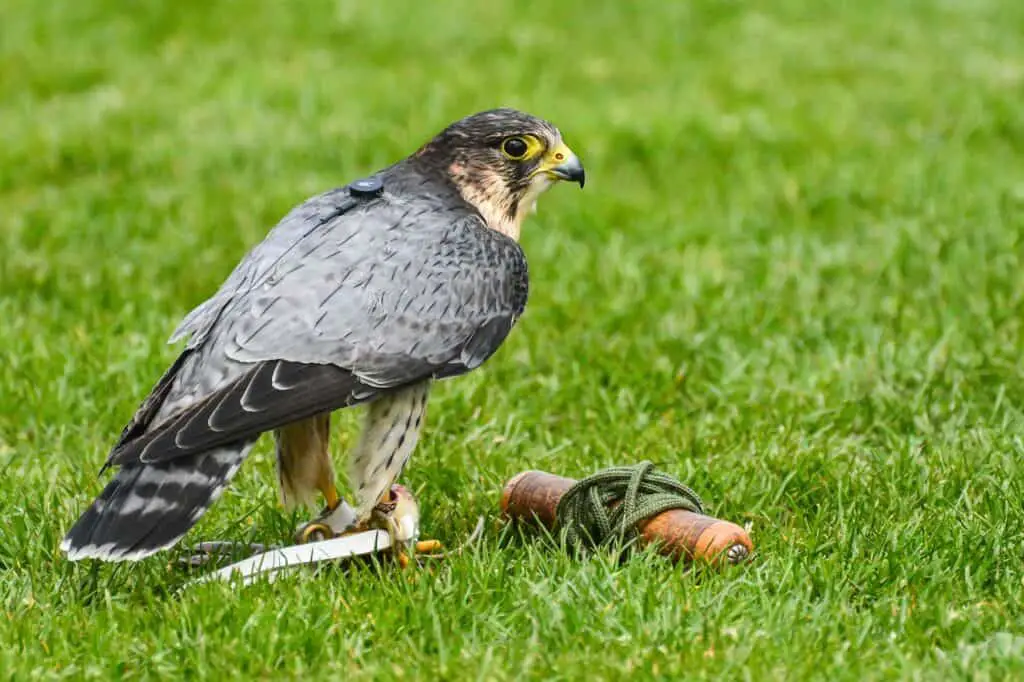
- Falcons: Renowned for their swift flight and keen vision, falcons are adept at pursuing avian prey in open spaces. Their striking speed, which can reach over 240 miles per hour in a stoop, enables them to swiftly and skillfully intercept their quarry.
- Hawks: These versatile hunters are often used for pursuing ground game like rabbits and squirrels. They excel at maneuvering through wooded areas and flushing prey from cover.
- Eagles: While less commonly used in falconry, eagles are powerful hunters capable of taking larger prey. Their use is often restricted due to legal and ethical considerations.
Hunting Techniques and Strategies
Ground pursuit falconry requires a deep understanding of both the raptor’s abilities and the behavior of the quarry:
- Flushing: The falconer moves through the terrain, attempting to flush out hidden prey for the raptor to pursue.
- Waiting on: In this technique, the falcon circles high above the falconer, waiting for prey to be flushed out.
- Tail Chase: This involves the raptor pursuing fleeing prey in a direct chase, often at high speeds.
- Stooping: A falcon’s signature move, where it dives from a great height to strike prey with tremendous force.
Conclusion
Ground pursuit represents a unique blend of ancient art and modern sport. It demands physical endurance, mental acuity, and a profound connection with nature. For those who practice it, it offers an unparalleled experience of partnership with one of nature’s most magnificent predators.
Want to Take Your Falconry Knowledge to the Next Level?
Ground pursuit falconry is just one of many fascinating techniques that make this ancient art so captivating. If you’re eager to explore the world of falconry, dive deeper into our related articles covering everything from basic bird training to the types of falcons used in falconry.
Unleashing Potential: Types of Training for Falconry Raptors