
Cooperative hunting in falconry is a sophisticated technique that harnesses the collective power of multiple predators to enhance hunting success. Rooted in both natural raptor behavior and human innovation, this method represents a fascinating intersection of instinct and training. By leveraging the strengths of different species or multiple birds of the same species, falconers create a formidable hunting team capable of tackling challenging prey and environments.
Understanding Cooperative Hunting
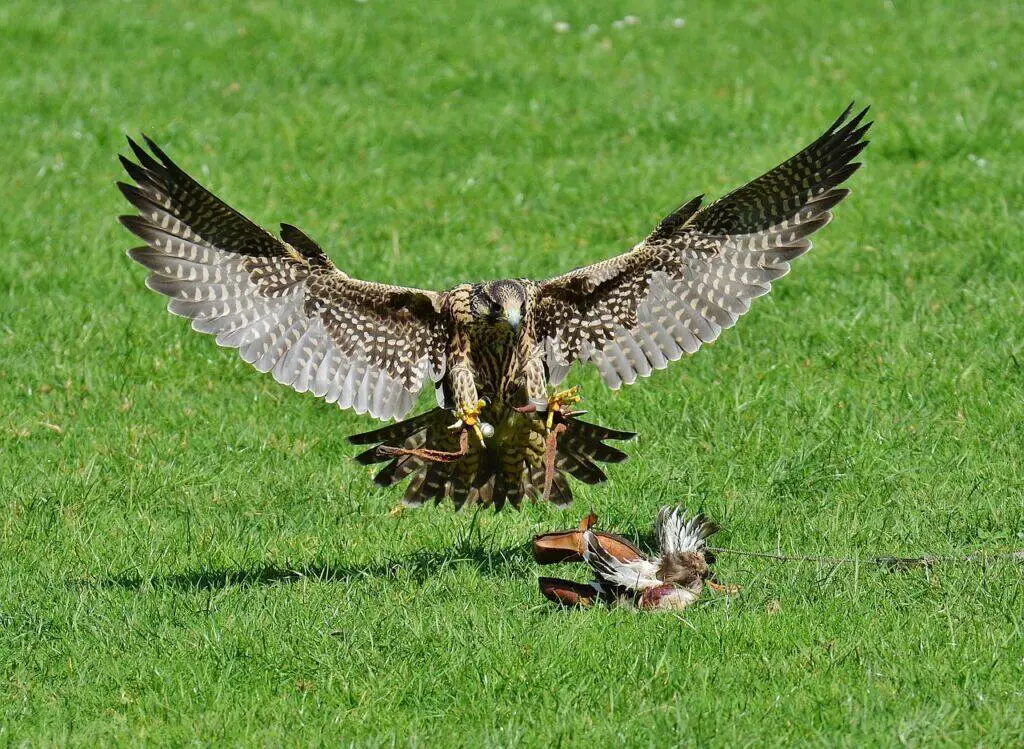
Cooperative hunting in falconry involves the coordinated efforts of multiple predators—whether raptors, dogs, or even ferrets—working in tandem with human falconers to pursue and capture prey. This technique goes beyond the traditional one-on-one relationship between falconer and bird, creating a more complex and often more effective hunting dynamic.
How It Works
The core principle of cooperative hunting is synergy—the idea that the combined effort of the group is greater than the sum of individual efforts. In practice, this can take several forms:
- Multiple raptors working together
- Raptors partnering with ground-based predators like dogs or ferrets
- A combination of different species, each with unique hunting strengths
The falconer’s role is crucial, requiring deep knowledge of each animal’s behavior, strengths, and limitations to manage the group effectively.
Examples of Cooperative Hunting Techniques
Harris’s Hawks: Nature’s Team Hunters
One of the most renowned examples of cooperative hunting techniques in falconry involves Harris’s Hawks (Parabuteo unicinctus), which naturally hunt in groups. Falconers have adapted this behavior for sport.
Group Dynamics:
- Harris’s Hawks typically form hunting parties of two to six during the non-breeding season, improving their capture success rate and allowing them to take down larger prey.
Hunting Strategy:
- Harris’s Hawks it harder for prey to escape. Some hawks may flush prey, while others guard exits.
Benefits:
- Cooperative hunting with Harris’s Hawks improves capture success and increases energy efficiency, allowing them to tackle prey larger than themselves.
Falconry with Dogs: A Classic Partnership
The combination of raptors and dogs represents a timeless example of cooperative hunting, blending the unique strengths of two highly skilled animals to create an effective hunting team. This ancient practice dates back centuries and continues to fascinate hunters and wildlife enthusiasts alike.
Complementary Skills:
- Dogs, particularly breeds like Jack Russell terriers, beagles, and other hunting breeds, excel at flushing prey out of hiding places and tracking scents through dense terrain. Meanwhile, raptors, such as hawks and falcons, use their sharp vision and aerial agility to pursue and capture prey with astonishing precision. Together, their complementary abilities create a seamless partnership where each plays to its strengths.
Training Process:
- Training a raptor and a dog to work together requires patience and careful coordination. Raptors are trained first to hunt independently, developing their instinct to scan the landscape and strike at prey. Dogs, on the other hand, are gradually introduced to the raptor, ensuring they become familiar with its presence and learn to avoid accidental attacks. Over time, both animals learn to trust each other and work in harmony.
Hunting Dynamics:
- Once the team is well-coordinated, their hunting dynamics become extraordinary. The dog’s bark and body language signal the presence of potential prey hidden in the underbrush, while the hawk or falcon responds by taking flight, tracking the movement of the quarry. The hawk’s bell, attached to its leg, helps hunters locate the bird and the prey. This intricate communication and teamwork between the dog, the raptor, and the human handler highlight the beauty and skill involved in this ancient sport.
Falconry with dogs not only showcases the incredible intelligence and instincts of these animals but also reflects the deep bond and trust that can develop between them and their human partners.
Ferreting with Hawks: Underground and Airborne Cooperation
Ferreting with hawks is a unique hunting method that combines the subterranean skills of ferrets with the aerial abilities of raptors, creating a highly effective partnership between two vastly different species. This traditional practice has been honed over centuries and remains a fascinating example of human ingenuity when working with animals.
How It Works:
- Ferrets are sent into rabbit burrows to flush out their prey, driving the rabbits above ground. Once the rabbits emerge, trained hawks or other birds of prey swoop in to capture them mid-flight with incredible precision. The coordination between ferrets, hawks, and handlers is essential for success, requiring careful training and teamwork.
Advantages:
- This technique is particularly useful in areas with dense vegetation, rocky terrain, or complex burrow systems, where rabbits are difficult to access through conventional hunting methods. It provides an efficient and sustainable way to control rabbit populations in such environments. Harris’s Hawks are a popular choice for this practice due to their intelligence, adaptability, and ability to hunt in groups, making them well-suited for the challenges of ferreting with hawks.
By combining the best of underground and airborne hunting skills, ferreting with hawks showcases the remarkable interplay between species, offering both a practical solution to pest control and a fascinating glimpse into the bond between humans and raptors.
The Art of Coordination
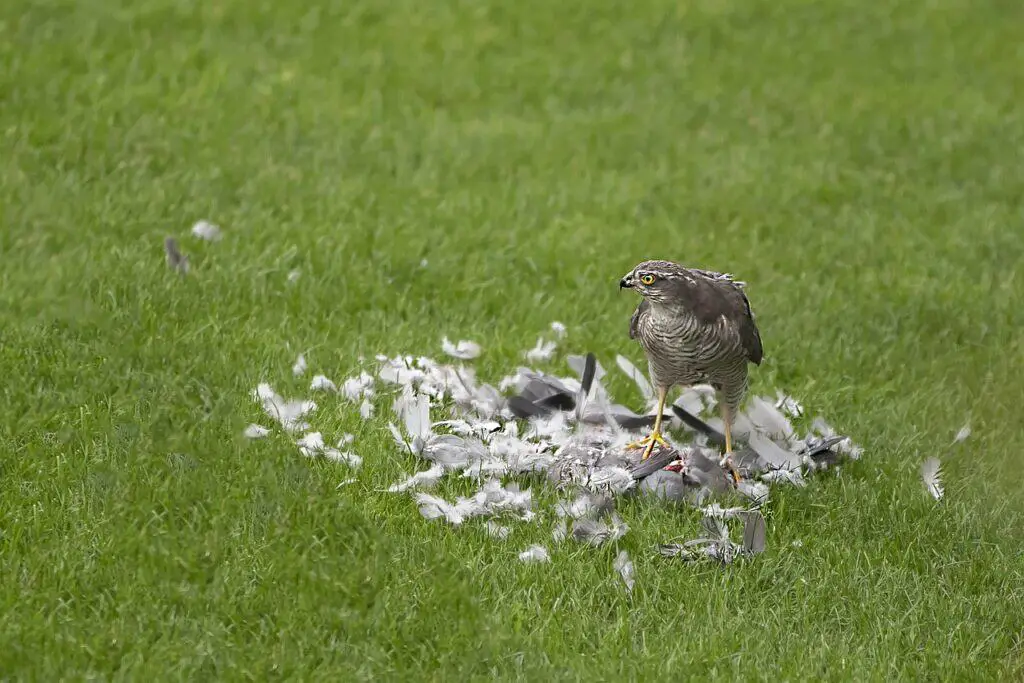
Successful cooperative hunting requires a nuanced understanding of each animal’s behavior and careful coordination by the falconer.
Reading Animal Behavior:
- Falconers must interpret subtle cues from their raptors, dogs, and ferrets, such as recognizing stress or excitement, anticipating scent-catching behavior, and knowing when prey is about to be flushed.
Managing Group Dynamics:
- Cooperative hunting introduces complex social interactions that the falconer must navigate, such as preventing aggression and ensuring each animal understands its role.
Ethical Considerations
As with all forms of falconry, cooperative hunting must be conducted with strict ethical guidelines to ensure responsible and sustainable practices.
Ensuring the welfare of all animals involved:
- The health and safety of the falcon and prey must be prioritized. This means providing proper care, training, and rest for the raptor while ensuring that hunting practices are humane and minimize unnecessary suffering for the prey.
Respecting local wildlife regulations and hunting seasons:
- Hunters must adhere to local laws, including licensing and permits, and avoid hunting species that are protected or out of season. This helps maintain ecological balance and safeguards biodiversity.
Practicing sustainable hunting techniques:
- It’s important to hunt in moderation, taking only what is needed and avoiding overhunting. This protects wildlife populations and ensures that hunting can continue without causing long-term damage to ecosystems.
Training for Cooperative Hunting
Preparing a team for cooperative hunting is a meticulous process requiring patience and expertise.
Raptor Training:
- Birds must be conditioned to hunt effectively and work alongside other animals, including basic obedience and desensitization to dogs or ferrets.
Dog Training:
- Hunting dogs must develop a “soft mouth” to avoid damaging prey and learn to work at a distance from the falconer while respecting the raptor’s role.
Team Integration:
- Controlled practice sessions gradually increase in complexity, reinforcing positive interactions between team members.
Challenges and Considerations
While cooperative hunting can be highly effective, it also comes with a range of unique challenges that falconers must navigate carefully:
Increased Complexity:
- Managing multiple animals during a hunt requires heightened awareness and skill from the falconer. Each animal may have different behavioral cues, hunting styles, and reactions to external stimuli, making the process more intricate and demanding. A deep understanding of the individual animals’ temperaments and abilities is essential.
Potential Conflicts:
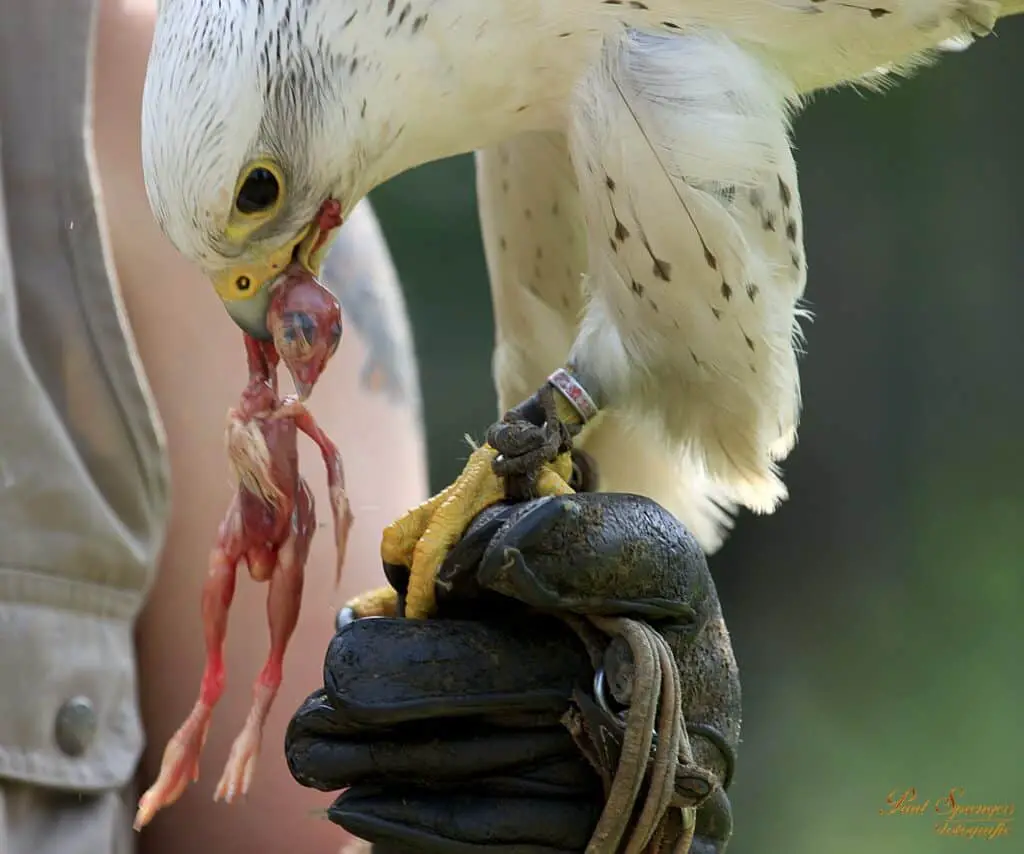
- There is always a risk of aggression or competition between animals, particularly when prey is caught. For example, disputes over the captured prey or dominance issues between species can arise, potentially leading to injuries or disruptions in the hunt. Building trust and fostering cooperation between the animals is crucial to minimizing these risks.
Legal Considerations:
- In some jurisdictions, cooperative hunting techniques may be subject to specific regulations or restrictions. Falconers must ensure they are fully informed about their region’s legal framework, including any required permits or species limitations, to avoid potential legal repercussions.
Cooperative hunting in falconry stands as a testament to the profound bond between humans and animals. It showcases the remarkable adaptability of both raptors and their human partners, pushing the boundaries of what’s possible in this ancient art.
Ready to Take Your Falconry Knowledge to the Next Level?”
Cooperative hunting opens up a whole new world of possibilities in falconry, but there’s so much more to explore! Discover how you can integrate multiple animals into your hunts, learn about training different species, or dive deeper into the science of raptor behavior.
Explore these related topics to expand your expertise: