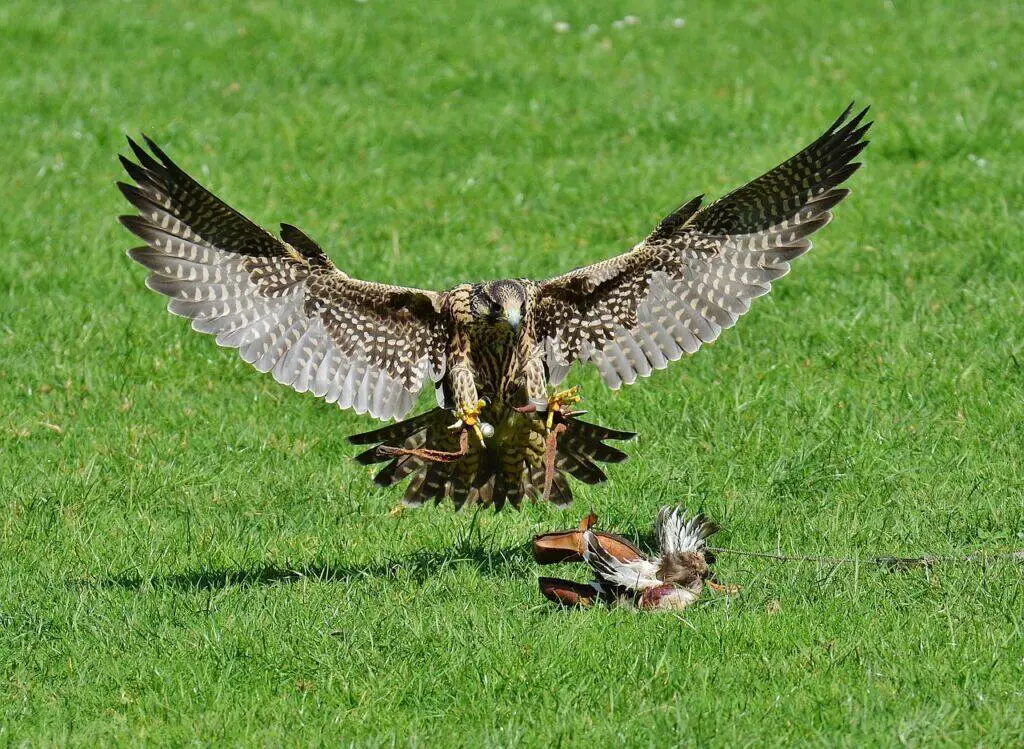
Lure training is one of the most essential techniques in falconry, designed to condition a bird of prey to associate the lure with food and obedience.
It is crucial for recall, exercise, and even hunting simulations. This step-by-step guide will cover the fundamentals of lure training, ensuring a structured and effective approach.
What is Lure Training?
Lure training is the process of using a specially designed lure—often resembling prey—to train a falconry bird for recall, fitness, and hunting maneuvers. The goal is to create a strong association between the lure and food, reinforcing natural hunting instincts while maintaining control over the bird.
Step 1: Selecting the Right Lure
A proper lure should mimic the bird’s natural prey and be durable enough for repeated use. Common lure types include:
Bird TypeLure Type
Falcons: Feathered lure (quail, pigeon)
Hawks: Rabbit fur lure
Eagles: Large fur or feather lure
Ensure the lure is attached to a strong cord or swivel to allow controlled movements without causing injury to the bird.
Step 2: Introducing the Lure
Before training, the bird must recognize the lure as a food source. Follow these steps:
- Present the lure with a small piece of food attached.
- Allow the bird to inspect it without forcing interaction.
- Encourage light contact by moving the lure slightly.
- Reward immediately when the bird touches or grabs the lure.
Repeating this process builds initial familiarity and ensures the bird associates the lure with food.
Step 3: Encouraging the Bird to Chase
Once the bird shows interest, it’s time to build excitement and engagement:
- Stand a few feet away and drag the lure along the ground.
- Increase movement to stimulate natural predatory instincts.
- Reward the bird when it catches the lure by allowing it to feed.
This step should be repeated in short, positive sessions to prevent overexertion or frustration.

Step 4: Establishing Recall with the Lure
Lure training also plays a crucial role in recall training. To condition the bird to return reliably:
- Start by standing a short distance away and swinging the lure in controlled arcs.
- Use a verbal cue or whistle just before presenting the lure.
- When the bird flies towards it, lower the lure to allow a clean strike.
- Once the bird makes contact, let it feed briefly before exchanging food for handling.
- Gradually increase the distance over multiple sessions.
This phase is crucial for reinforcing trust and ensuring the bird consistently returns to the lure.
Step 5: Advanced Maneuvers
After mastering the basics, lure training can be used for conditioning and simulated hunting exercises. Some advanced techniques include:
Aerial Lure Training (for Falcons)
- Use a long-line lure to replicate the motion of flying prey.
- Swing the lure overhead, increasing speed and difficulty.
- Allow the falcon to chase and strike mid-air, refining agility and precision.
Ground Pursuit Training (for Hawks & Eagles)
- Drag the lure along the ground at varying speeds.
- Introduce obstacles to enhance maneuverability.
- Practice controlled releases to simulate hunting.
These exercises build strength, endurance, and confidence in the bird.
Step 6: Reinforcement and Maintenance
Consistency is key to successful lure training. Follow these guidelines for maintenance:
- Frequent sessions to keep skills sharp and respond immediately.
- Vary training locations to prevent pattern recognition.
- Monitor the bird’s condition, ensuring it remains in peak physical form.
- Use positive reinforcement, rewarding effort, and successful strikes.
Lure training should remain engaging and rewarding for the bird to maintain enthusiasm and reliability.
Common Mistakes to Avoid
Mistake Correction
| Common Mistake | Solution |
|---|---|
| Overusing the lure | Train in short, controlled sessions. |
| Poor lure design | Ensure it mimics natural prey. |
| Inconsistent rewards | Always provide food rewards. |
| Rushing distance increases | Gradually extend recall range. |
| Neglecting bird’s fitness | Ensure adequate rest and conditioning. |
Final Thoughts
Lure training in falconry is an essential skill that fosters trust, obedience, and conditioning in birds of prey. By following a structured approach—starting with lure introduction and progressing to recall and advanced maneuvers—falconers can ensure their birds remain responsive, well-conditioned, and prepared for both training and hunting scenarios.
With patience, consistency, and proper technique, lure training becomes a rewarding experience that strengthens the bond between falconer and bird, enhancing the art and discipline of falconry.
Want to elevate your falconry skills? Discover more advanced training techniques, expert tips, and fascinating insights into the art of falconry.
Explore more now: