

Falconry hoods are an essential tool for any falconer. They have been used for centuries and play a crucial role in the training and care of birds of prey. In this article, we will discuss the importance of falconry hoods and their impact on both the bird and the falconer.
What are falconry hoods used for?
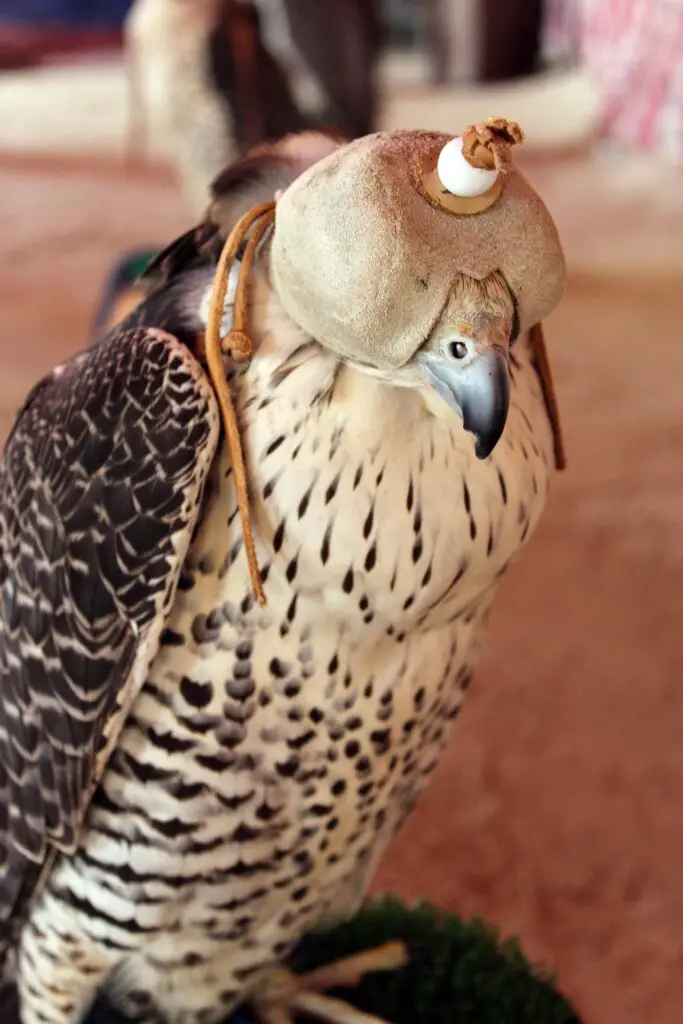
I have used falconry hoods to keep my falcon calm and protected during training and hunting activities. These hoods are carefully crafted to fit snugly over the bird’s head, covering its eyes. By obstructing the falcon’s vision, the hood helps to reduce stress and anxiety, allowing the bird to focus on its training or hunting tasks.
I’ve noticed that these hoods act as a shield, safeguarding the falcon’s sensitive eyes from potential harm. Whether it’s protecting the bird from harsh weather conditions or preventing distractions during training sessions, falconry hoods play a crucial role in ensuring the well-being and success of hunting with your bird of prey.
Why are Falconry Hoods Essential Equipment in Falconry?
Aside from the obvious benefits of protecting and calming the falcon, there are several other reasons why falconry hoods are considered essential equipment.
Here are three reasons why falconry hood training is indispensable in this ancient and noble sport:
- Vision Control: Falconry hoods cover the eyes of the falcon, limiting its field of vision. This prevents the bird from becoming distracted or overwhelmed by its surroundings, allowing it to focus solely on its training or the hunt at hand.
- Calming Effect: By reducing visual stimuli, the hood helps to calm the falcon, minimizing stress and anxiety. This state of calmness allows the bird to remain composed and attentive during training sessions and hunting expeditions.
- Protection: Falconry hoods shield the falcon’s eyes from potential injury, such as branches or thorns. They also act as a safeguard against the bright sunlight, protecting the bird’s delicate eyes from harmful UV rays.
How Do Falconry Hoods Protect Birds of Prey?
Hoods are designed to cover the bird’s head and eyes, offering them a sense of security and calmness in unfamiliar surroundings. I’ve noticed that by limiting their vision, the hoods help prevent the birds from becoming overwhelmed or distracted during most types of training sessions or while on a hunt.
This allows them to focus their attention on the task at hand, whether it be learning new skills or capturing prey. Additionally, the hoods shield the bird’s eyes from bright sunlight, harsh weather conditions, and potential injuries from branches or debris.
What Role Do Falconry Hoods Play in Bird Training?
Falconry hoods play a crucial role in bird training by providing a sense of security and focus to the birds, allowing them to fully engage in the learning process. Here are three ways in which falconry hoods contribute to successful bird training:
- Reducing Distractions: When birds wear hoods, their vision is restricted, minimizing distractions from their surroundings. This enables them to concentrate more effectively on the trainer and the training exercises.
- Building Trust: The hoods create a safe and secure environment for the birds. By blocking their vision, the hoods help reduce anxiety and fear, allowing the birds to trust their trainers and develop a stronger bond.
- Encouraging Calmness: Falconry hoods create a dark and quiet space for the birds, promoting a sense of calmness. This helps to reduce stress and allows the birds to focus on the training tasks at hand.
What Factors Influence the Design and Customization of Falconry Hoods?
When designing and customizing falconry hoods, several factors come into play to ensure the perfect fit and functionality for these essential training tools. The design and customization of falconry hoods are influenced by the bird’s size and species, the purpose of the hood, and the preferences of the falconer.
In terms of size and species, different birds have varying head shapes and sizes, so the hood must be tailored accordingly. The hood should fit snugly but not too tight, allowing the bird to see and breathe comfortably.
The purpose of the hood also plays a role in its design. Hoods used for training and hunting may have different features than those used for transportation or protection.
Lastly, the preferences of the falconer come into play. Some falconers may prefer hoods made from certain materials or with specific designs.
Below is a table outlining the factors influencing the design and customization of falconry hoods:
| Factor | Description |
| Bird’s Size and Species | Tailored to fit the head shape and size of the bird |
| Purpose of the Hood | Designed differently based on whether it is used for training, hunting, transportation, or protection |
| Falconer’s Preferences | Consideration of materials, design, and specific requests from the falconer |
As you can see, falconry hoods are an integral part of falconry and play a vital role in the training and care of birds of prey. These carefully designed and customized tools offer protection, calmness, and focus to the birds, ensuring their well-being and success in this ancient sport. As a falconer, I can attest to the importance of these hoods and their contribution to the bond between a falconer and their bird.
Frequently Asked Questions
Are Falconry Hoods Only Used for Certain Species of Birds of Prey?
- Yes, falconry hoods are specifically designed for birds of prey. They serve as a crucial tool in falconry, providing protection and reducing stress for the birds during training and hunting sessions.
Can Falconry Hoods Be Used in All Types of Weather Conditions?
- Yes, falconry hoods can be used in all types of weather conditions. They provide protection for the bird’s eyes and help maintain focus during flights, regardless of rain, wind, or intense sunlight.
Do Falconry Hoods Restrict the Bird’s Vision or Movement?
- Falconry hoods do not restrict a bird’s movement but do restrict its vision to a certain extent. They act like a trusty blindfold, allowing the bird to focus solely on the hunt. It’s like wearing sunglasses for the ultimate hunting experience.
Are There Different Sizes of Falconry Hoods Available?
- Yes, there are different sizes of falconry hoods available. They are designed to fit snugly and comfortably on the bird’s head, providing protection and aiding in training and handling.
How Often Should Falconry Hoods Be Replaced or Repaired?
- I always take good care of my falconry hoods. I suggest that you inspect your falconry hoods weekly and replace or repair them regularly to ensure they continue to provide the necessary protection required.
Check Out Our Related Articles below:
Manning in Falconry: The Key to Building Trust and Training Success
Enhancing Raptor Bonding: Building Trust Through Positive Reinforcement in Falconry