Lure training stands as one of the most fundamental and versatile techniques in modern falconry, serving multiple purposes, from basic recall to advanced fitness development. After years of working with birds of prey, I’ve discovered that mastering lure training techniques is essential for developing a strong hunting partnership.
The relationship between falconer and bird hinges on this critical training process, which simulates the natural hunting behaviors of raptors while establishing reliable control in the field.
What Is a Falconry Lure?
A lure is essentially a simulated prey object that triggers a predatory response in a hawk or falcon. When properly introduced, the bird associates that type of lure with food rewards, creating a powerful recall tool that works when other types of training might fail.
The Dual Purpose of Lures
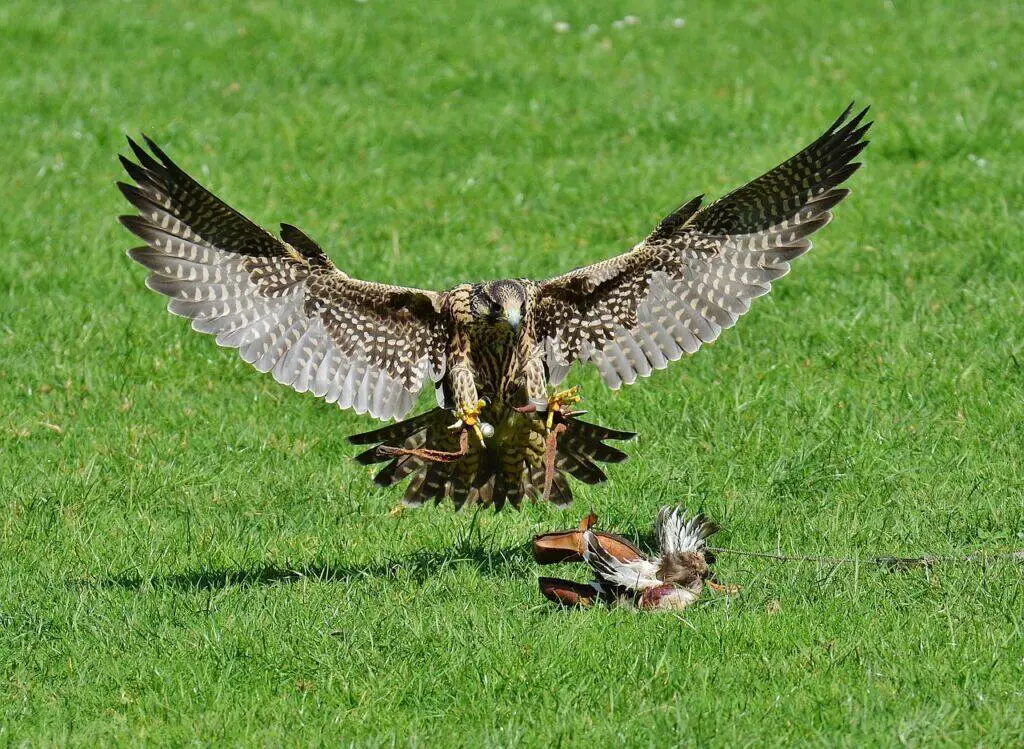
Lures serve two primary functions in falconry:
- Recall – The lure acts as a guaranteed food source that brings the bird back from unsuccessful hunts or when ending a flying session
- Fitness & Exercise – Regular lure flying develops strength and endurance and maintains hunting skills when live quarry isn’t available
Many falconers have experienced the remarkable difference in a bird’s response to a lure versus other stimuli. Even with the same size food reward, a hawk that shows no interest in coming to the glove will often respond immediately when a lure is presented.
Constructing an Effective Lure
Creating your own lure is a traditional part of falconry apprenticeship and requires attention to both design and safety considerations.
Basic Lure Construction
A standard falconry lure typically consists of:
- A palm-sized body made of durable leather
- Stuffing to prevent injury to the bird upon impact
- An attachment point for string/line
- A method for securing food
Traditional lures can range from simple designs to elaborate constructions resembling specific quarry. Some regions use lures made with portions of meat attached. Whatever the design, lightweight construction is essential for safety—a heavy lure can potentially injure a bird by striking it at high speed.
Safety Considerations
When constructing a lure, remember these critical safety points:
- Ensure the lure is lightweight to minimize impact force
- Avoid any exposed metal, snaps, or holes where a bird’s talons might become caught
- Secure all components firmly to prevent parts from breaking off
- Use appropriate stitching techniques (like the saddle stitch) for durability
Beginning Lure Training
The introduction of a raptor to the lure follows a step-by-step process that builds trust and understanding.
Initial Introduction
Start by placing the lure on the ground directly in front of your bird, with food clearly visible. This initial step helps the raptor recognize the connection between the lure and food rewards. Repeat this process several times from progressively greater distances until the bird develops a strong association.
An important distinction in early training is the size of the food reward:
- Fist training typically uses small tidbits
- Lure training should employ full meals (like whole quail) to cement the lure’s importance
Progressive Distance Training
Once the bird understands the lure’s purpose, gradually increase flying distance:
- Begin with short flights of 10-15 feet
- Progress to medium distances (50 feet)
- Advance to longer flights of 100+ feet
During early stages, many falconers use a creance (a long line attached to the bird) as a safety measure until reliability is established. This allows for controlled training while preventing the bird from flying off prematurely.
Mastering Lure Swinging Techniques
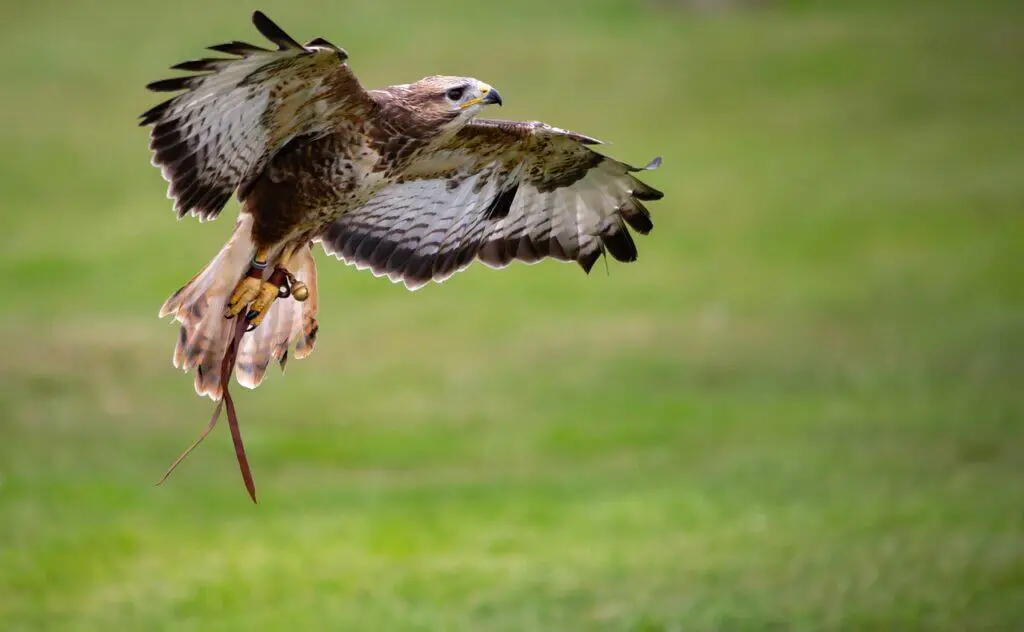
The art of swinging a lure effectively takes considerable practice and coordination. Proper technique ensures safety for both bird and handler while maximizing training effectiveness.
Basic Lure Control
When beginning to swing a lure:
- Hold the lure handle in your left hand (for right-handed falconers)
- Maintain a loose grip on the line with your right hand
- Swing with a slow, consistent rhythm that maintains momentum
- Avoid swinging too fast initially—this leaves no room to speed up if timing adjustments are needed
Types of Lure Passes
There are several standard passes used in lure work, each with specific applications:
| Pass Type | Description | Best Used For |
|---|---|---|
| Left-handed pass | The lure swings from right to left across the body | Beginners; general training |
| Right-handed pass | The lure swings from left to right | Advanced maneuvers; varying flight patterns |
| Ground Pass | The lure moves low to the ground | Training for ground-hunting styles |
| Overhead Pass | The lure is thrown upward | Developing vertical attack skills |
For beginners, mastering the left-handed pass is recommended as the safest option. This technique keeps the lure pad furthest from your body, encouraging the bird to maintain a safe distance during flights.
The Completion Pass
At the end of a lure flying session, the falconer must present the lure for the bird to catch. This typically involves:
- Allowing the bundled line to unravel
- Timing the throw to present the lure at the optimal moment
- Sending the lure upward in a straight line for the falcon to intercept
- Letting the weight of the lure handle gently bring the bird to the ground
Proper timing is crucial here—throwing too early or too late can result in a missed opportunity and potentially frustrate the bird.

Building Fitness Through Lure Work
One of the most valuable aspects of lure training is developing and maintaining peak physical condition in your bird.
Fitness Benefits
Regular lure work provides:
- Cardiovascular conditioning
- Muscle development
- Coordination enhancement
- Weight management
- Maintenance of the hunting drive
Structured Workout Patterns
For serious fitness development, a structured approach can be effective:
- Warm-up Phase – Begin with simple, shorter flights to prepare muscles
- Workout Phase – Intensify with multiple passes and varied flight patterns
- Cool Down – End with easier passes and reduced intensity
Experienced falconers often develop fitness regimens with specific goals in mind, whether preparing for hunting season or maintaining conditions during off-seasons.
Modern Applications of Lure Training
Lure flying has expanded beyond traditional hunting preparation into several modern applications.
Public Demonstrations
The dramatic visual of a falcon stooping to a lure makes this technique popular for educational demonstrations and renaissance fairs, showcasing the natural abilities of birds of prey in a controlled environment.
Abatement Work
Falconry-based bird abatement has become an eco-friendly pest management solution. Trained falcons flying to lures over vineyards, orchards, and other agricultural areas help protect crops from nuisance birds without chemicals or permanent harm to wildlife.
Rehabilitation Training
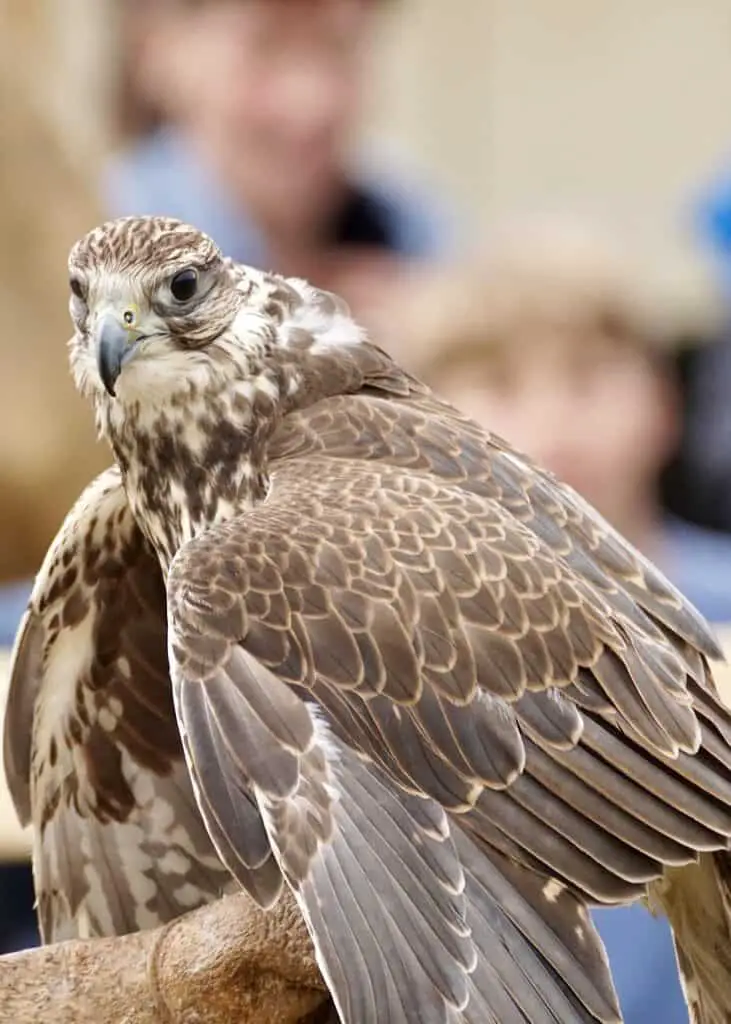
For injured wild raptors being rehabilitated, modified lure training can help rebuild strength and assess hunting capabilities before release. This application requires careful consideration of potential habituation issues.
Tips for Successful Lure Training
Through years of experience working with various birds of prey, several key practices have proven consistently valuable:
- Maintain consistency in rewards and training methods
- Watch body language closely to assess the bird’s confidence level
- Consider position height – many birds respond better to lures presented higher than eye level
- Manage eye contact – lowering your gaze can reduce intimidation for sensitive birds
- Practice lure handling without your bird present to develop a smooth technique
- Keep sessions positive by ending on successful catches
- Adjust to individual preferences – each bird responds differently to training approaches
Conclusion
Lure training remains one of the most elegant and effective connections between the ancient traditions of falconry and modern raptor management. The process builds mutual trust, enhances physical abilities, and creates a powerful bond between falconer and bird. While mastering lure techniques requires dedication and practice, the results—a fit, responsive, and confident hunting partner—are well worth the investment of time and patience.
By understanding the purpose, construction, and proper implementation of lure training, today’s falconers continue a tradition thousands of years in the making while adapting it to contemporary applications that benefit both raptors and humans.
Mastering lure training is just the beginning of building a strong bond with your raptor. Ready to take your falconry skills to the next level? Explore more in-depth related topics below:
Mastering Recall Training: The Art of Building Trust with Your Bird of Prey