
When it comes to training falconry raptors, the array of techniques available is both fascinating and crucial. From establishing trust through Manning to refining physical prowess in Fitness Training, the possibilities are as diverse as they are essential.
Each method intricately weaves together elements that enhance the raptor’s abilities and deepen the connection between falconer and bird. As we explore the nuances of these training types, a world of potential and partnership unfolds before us, offering a glimpse into the intricate dance between human and avian minds.
Manning
Manning is a crucial aspect of falconry training. During this initial phase, the foundation of trust between the falconer and the raptor is established. Bonding techniques such as spending time together, talking softly, and offering food help build a strong connection. Trust building is paramount, ensuring the bird feels safe and secure in the presence of its handler.
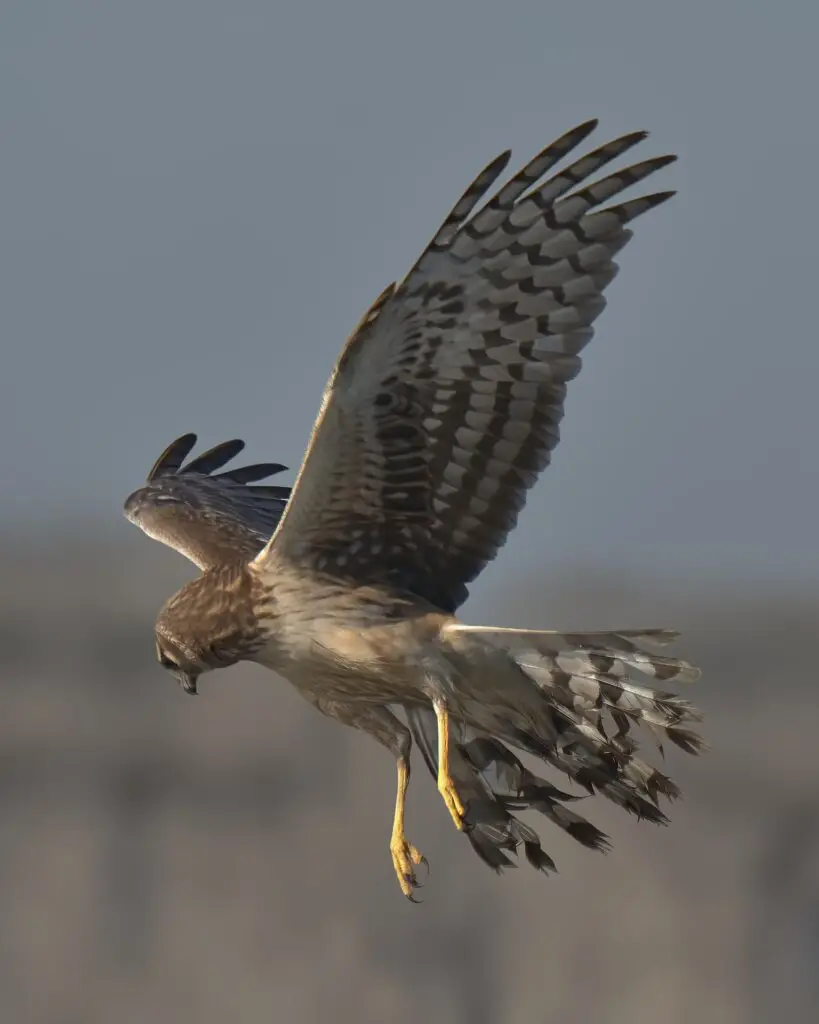
Behavioral conditioning involves shaping the raptor’s responses through positive reinforcement, like rewarding desired behaviors with treats or praise. This creates a clear communication channel and fosters a sense of cooperation. Confidence building is another vital component of manning, where the raptor learns to feel at ease in various environments and situations.
The falconer sets the stage for successful training sessions and a harmonious partnership by instilling confidence in the bird’s abilities. Manning sets the stage for a strong bond between Falconer and Raptor, laying the groundwork for a fruitful journey in falconry.
Weight Management Training
In falconry, weight management plays a critical role in raptors’ overall training and conditioning. Diet control is a fundamental aspect of weight management for these majestic birds of prey. By carefully monitoring their food intake and using a weighing scale, falconers can ensure that their raptors maintain an optimal weight for performance and health.
Flight conditioning is another key component of weight management, as regular exercise helps raptors build strength and endurance. This exercise regimen contributes to physical fitness and prepares the birds for successful hunting expeditions.
Hunting preparation is closely tied to weight management, as maintaining the right weight is essential for a raptor’s hunting prowess. By managing their weight effectively, falconers can enhance their bird’s hunting skills and success rate. Behavior modification techniques can also help raptors maintain a healthy weight and improve their overall performance.
Positive Reinforcement with Raptors in Falconry
Positive reinforcement is a powerful training method in falconry, helping to build trust and encourage desired behaviors in raptors. Unlike traditional training techniques that may rely on coercion or discipline, positive reinforcement focuses on rewarding the bird for performing specific actions, creating a stronger and more willing partnership between falconer and raptor.
The Basics of Positive Reinforcement
At its core, positive reinforcement involves providing a reward immediately after the bird exhibits a desired behavior. For raptors, the most effective reward is food, as they are highly food-motivated. This can include small pieces of meat or even a lure that mimics prey. The key is consistency—when a bird learns that a specific behavior results in a reward, it is more likely to repeat that behavior willingly.
One of the fundamental applications of positive reinforcement in falconry is during recall training. When a raptor is called to the falconer’s glove and receives a food reward for returning, it quickly associates the action with a positive outcome. Over time, the bird will respond more reliably to the recall command, reducing the risk of it flying off or becoming unresponsive.
Recall Training
Recall training is crucial in ensuring that your raptor returns to you promptly when called. To achieve this, positive reinforcement is key. Using flight commands and bonding exercises, you can strengthen your bond with your bird and establish trust, which is essential for successful recall.
Recall techniques involve practicing calling your raptor to you from various distances and heights. Consistent use of positive reinforcement, such as rewarding your bird of prey with treats when they return promptly, reinforces the desired behavior.
Flight commands play a significant role in recall training, as they help your raptors understand what is expected of them when called. Bonding exercises, like spending quality time together and engaging in activities that your bird enjoys, further solidify your relationship. Trust building is a gradual process that requires patience and consistency, but once established, it is the foundation of a strong recall.
Lure Training
Developing a strong connection between you and your falconry raptor is essential for successful training outcomes. Lure training plays a vital role in fostering this bond through prey simulation, behavioral conditioning, equipment introduction, distance control, and positive reinforcement.
When engaging in lure training, the primary objective is to simulate the raptor’s natural hunting behavior. Using a type of lure resembling prey can trigger the bird’s instinctual response and reinforce positive behaviors. This method also allows for distance control, as you can guide the raptor’s movements by manipulating the lure.
Introducing the equipment gradually and associating it with positive experiences encourages the raptor to willingly engage with the training process. The bird learns to respond to cues effectively through consistent practice and reinforcement of desired actions.
Creance Training
Creance training is a vital step in the development of a raptor. It focuses on essential skills before free flight. Safety precautions are paramount during creance training; always ensure a secure attachment between bird and line to prevent accidents.
Environmental considerations play a crucial role in this phase, as well as selecting open spaces with minimal distractions for training sessions. Progress tracking is key to success; keep detailed records of each session to monitor growth and adjust training methods accordingly.
Reinforcement techniques such as positive rewards are effective in encouraging desired behaviors during creance training.
Equipment maintenance is non-negotiable; regularly inspect and maintain your creance gear to ensure reliability and safety. With proper care and attention to detail, creance training sets a solid foundation for your raptor’s future success in falconry pursuits.
Hood Training
As a falconer, I am eager to delve into the crucial training aspect known as Hood Training. This training method is a fundamental part of a raptor’s behavioral conditioning, preparing them for various situations they might encounter during falconry expeditions. Equipment preparation is key in Hood Training, ensuring that the hood fits properly and does not cause any discomfort to the bird. Food motivation plays a significant role in this training, using treats to reward the raptor for its cooperation and progress.
Environmental desensitization is another essential component of Hood Training, exposing the bird to different environments and stimuli to familiarize them with potential distractions they may face while hunting. Tracking training progress is vital to monitor the raptor’s development and adjust the training regimen accordingly. This meticulous approach to Hood Training sets a solid foundation for a successful falconry partnership, building trust and understanding between the falconer and the raptor.
Entering
Entering the next phase of training is a pivotal moment in a falconer’s journey with their raptor. Bonding techniques play a crucial role during this phase, fostering a deep connection and mutual understanding. Trust building becomes paramount as the foundation for a successful partnership, ensuring the raptor feels secure and confident in its handler’s presence.
The habituation process is carefully introduced, gradually acclimating the raptor to different environments, sounds, and stimuli to prevent fear responses. Communication methods, such as body language and vocal cues, are honed to establish clear and effective ways of interacting with the bird.
Positive reinforcement is key in reinforcing desired behaviors, creating a positive learning environment that motivates the raptor to engage and learn eagerly. This phase sets the stage for the upcoming field training, shaping the dynamics between the falconer and their raptor into a solid and effective partnership.

Field Training
Let’s dive into the exhilarating world of field training for falconry raptors. Field training is where the magic happens, the bond between falconer and raptor deepens, and trust is solidified. It is a crucial step in the journey of training these majestic birds of prey.
During field training, the focus is on trust-building and bond-strengthening. This is achieved through constant interaction, positive reinforcement, and understanding each other’s cues. The raptor learns to rely on the falconer, and the falconer learns to anticipate the needs and behaviors of their feathered companion.
Flight conditioning is a key aspect of field training, where the raptor hones its aerial skills and stamina. Prey simulation helps the raptor develop hunting instincts and techniques. Environmental acclimation ensures that the raptor is comfortable and confident in various outdoor settings. In the field, the partnership between falconer and raptor truly blossoms, creating a powerful connection that is the foundation for successful falconry endeavors.
Fitness Training
In falconry, fitness training forms the backbone of a raptor’s physical prowess and hunting abilities. Flight conditioning is crucial, ensuring the bird can soar swiftly and with speed and precision training. Prey simulations mimic real hunting scenarios, honing the raptor’s instincts and agility. Like controlled flight drills, wing strengthening exercises enhance the bird’s aerial control and power.
Endurance is built through gradual increases in flight duration and intensity, preparing the raptor for long hunts without tiring. Hunting simulations provide practical experience, allowing the bird to practice its hunting techniques in a controlled environment.
These training methods are meticulously designed to push the raptor’s physical limits, enhancing its natural abilities and preparing it for the challenges of the wild. Through dedicated fitness training, falconers cultivate a formidable partnership with their raptors, unlocking the full potential of these majestic birds of prey.
Socialization
In falconry, one crucial aspect that can get overlooked is the significance of the socialization training of raptors. Building trust is the cornerstone of successful falconry, as it forms the basis for effective communication and teamwork between the falconer and the bird. Understanding group dynamics within a team of raptors is essential to ensure a harmonious and cooperative environment. Behavioral cues play a vital role in deciphering the needs and emotions of the raptors, allowing for a deeper connection and more effective training sessions.
Flight interactions are a key component of socialization, as they provide opportunities for raptors to learn from one another and develop essential flying skills. Territory sharing among raptors is a natural behavior that needs to be managed carefully to prevent conflicts and promote a sense of belonging within the group. By fostering positive social interactions and creating a supportive environment, falconers can enhance the training experience and unleash the full potential of their raptors.
Problem-Solving Training
Navigating the intricate world of falconry demands a multifaceted approach that extends beyond mere socialization. Problem-solving training is where the real magic happens, forging deep connections and honing a raptor’s cognitive prowess. Bonding exercises are crucial, creating trust and teamwork between you and your majestic companion.
Enrichment activities keep their minds sharp, preventing boredom and promoting a healthy, engaged mindset. Critical thinking is at the heart of this training, challenging your raptor to analyze situations and come up with solutions. Interactive problem-solving sessions are about finding the answer and embarking on a journey of discovery together.
Through cognitive challenges, we push the boundaries of their intellect, fostering a strong bond and mutual respect. As we engage in problem-solving activities, we witness their remarkable abilities and develop a profound understanding of each other. These sessions are where the true essence of falconry shines in the shared pursuit of overcoming obstacles and growing together.
Perch Training
Embarking on the journey of perch training with your raptor is a pivotal step toward mastering the art of falconry. Proper perch placement is crucial for your raptor’s development. Choose a sturdy, right-height perch strategically located to provide a safe and comfortable environment for your bird.
When starting perch training, utilize positive reinforcement techniques. Encourage your raptor to land on the perch by using cues like a target stick or a whistle. Over time, your bird will associate the perch with rewards, making it a preferred spot for resting and feeding.
Observing your raptor’s behavioral cues during perch training is essential. Look for signs of comfort, stress, or eagerness and adjust your training techniques accordingly. Environmental enrichment is also vital for your raptor’s well-being. Consider adding natural elements like branches or rocks to the perch area to stimulate your bird’s senses and encourage natural behaviors.
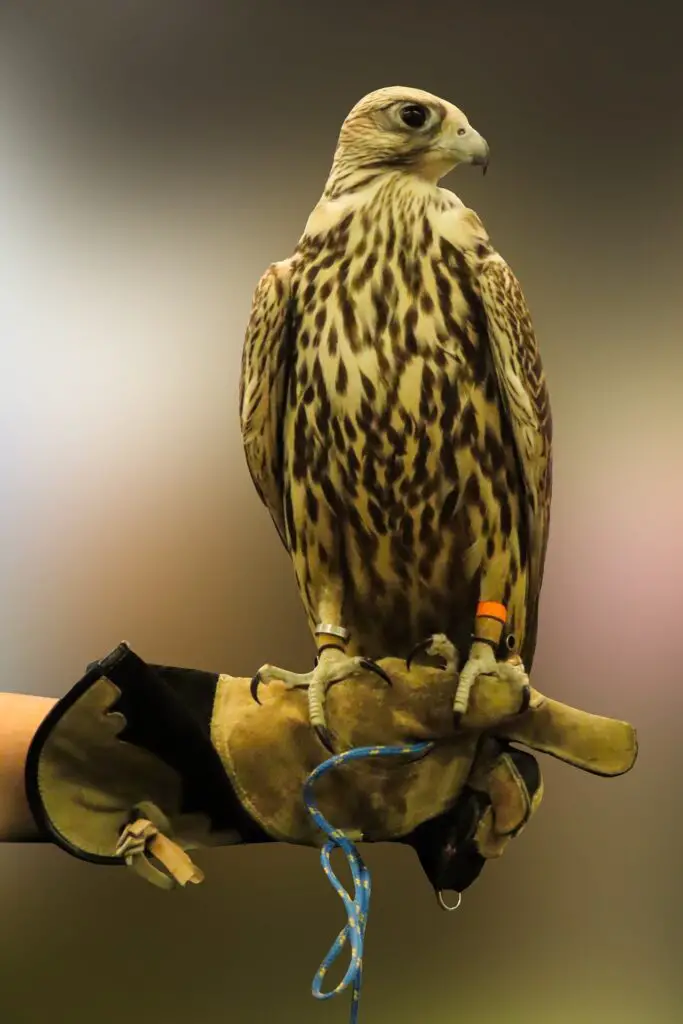
Additionally, ensure you have the necessary equipment, such as leather jesses and a suitable glove, to handle your raptor safely during training sessions. Mastering perch training will strengthen your bond with your raptor and set the foundation for successful falconry practices.
In conclusion, the bond between falconers and their raptors is a unique and special relationship that requires dedication, patience, and understanding. By implementing various training techniques such as Manning, Recall Training, and Fitness Training, both partners can reach their full potential and succeed in the art of falconry. Remember, the journey of training a raptor is about skill development and building a strong partnership based on trust and mutual respect.
Continue Your Falconry Journey
You’ve learned about the foundational techniques that build trust and enhance your raptor’s training. Ready to dive deeper?
Explore more of the related topics below and expand your expertise:
What is the Easiest Bird of Prey to train for falconry?
10 Factors About Training in Falconry That Every Falconer Should Know