

When choosing where to train for falconry, it’s crucial to consider various factors that can ultimately influence the effectiveness of your training sessions. From the size of the outdoor areas to the presence of abundant prey, each element plays a vital role in shaping the training experience. Let’s delve into the key aspects to keep in mind when selecting the perfect spot to hone your falconry skills.
List of 5 aspects to look for when training birds of prey for falconry
There are countless locations around the world that can offer ideal conditions for training birds of prey for falconry. However, these five considerations are essential when choosing a place to train for falconry:
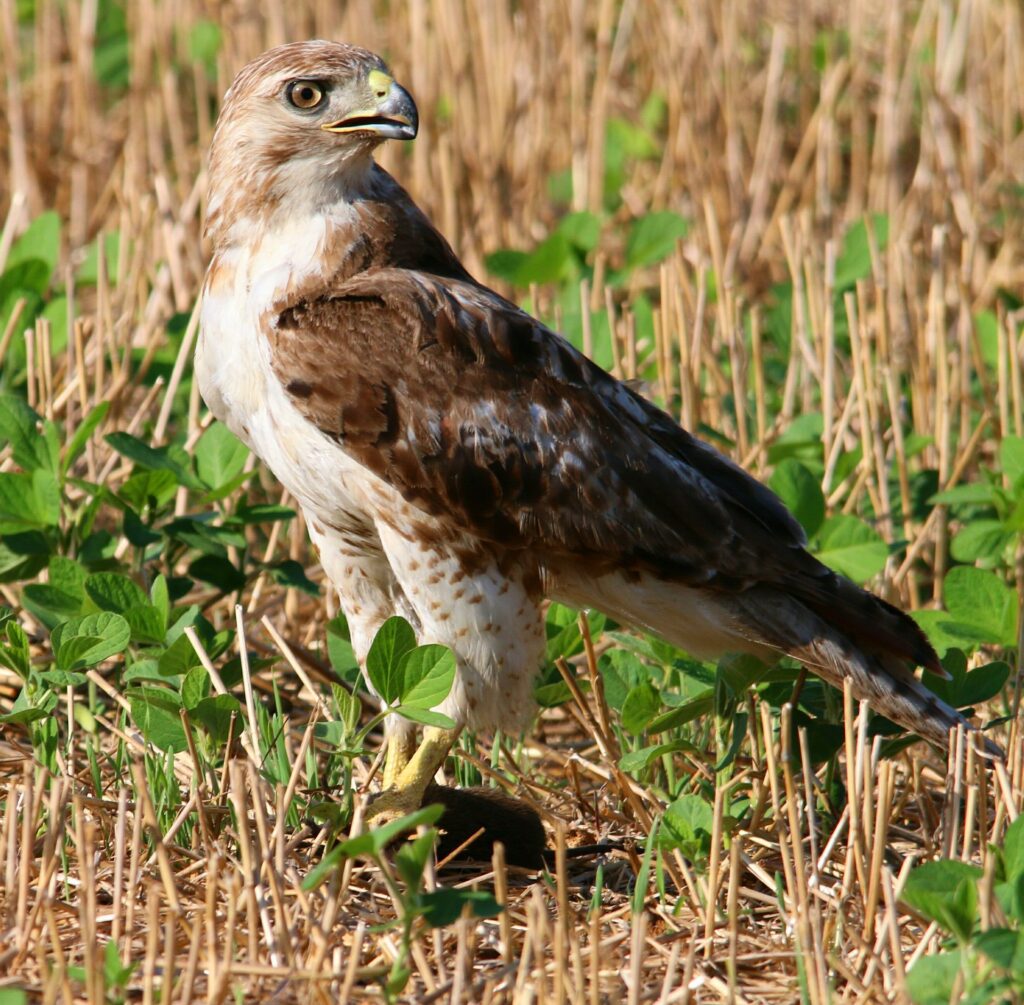
Spacious Outdoor Areas:
When selecting a location for falconry training, it is crucial to prioritize the availability of extensive outdoor space. Falcons, hawks, and other birds of prey require an abundance of room to soar uninhibited, devoid of any obstructions or disturbances. The designated area should be sufficiently spacious to enable the bird to manoeuvre through various flight patterns with ease and practice their hunting techniques in a comfortable manner. This ample space ensures optimal conditions for the birds to hone their skills and thrive in their training environment.
Low Disturbance:
I firmly believe that tranquillity plays a pivotal role in achieving successful falconry training. When it comes to selecting a training location, it is crucial to find a serene spot far from the hustle and bustle of crowded urban areas and noisy environments. By doing so, distractions and disturbances can be minimized, providing an optimal setting for focused training sessions. The peace allows for both the falconer and the bird to engage in their respective tasks without any interruptions, fostering a harmonious connection and facilitating the development of their skills.
Varied Terrain:
Exploring diverse landscapes is essential for honing the skills of birds of prey in falconry training. When considering the best locations, here are five exceptional terrains to train your avian companion:
- Open Fields and Meadows: Wide, open spaces such as fields and meadows provide ample room for birds to fly and practice hunting techniques. These areas allow falconers to conduct training sessions with minimal obstacles and distractions, enabling birds to soar freely and develop their hunting skills.
- Woodlands: Dense forests and woodlands create a captivating backdrop for birds to explore and navigate through. Among the trees, birds can develop their stealth and precision as they manoeuvre through the intricate maze of branches and foliage. The woodland setting also offers an abundance of prey, allowing birds to practice their hunting techniques and become more proficient in capturing their meals.
- Deserts: In the vast expanse of deserts, birds face unique challenges and opportunities. The open spaces and minimal vegetation allow for high-speed flights, enabling birds to push their limits and excel in their aerial prowess. Deserts also provide an ideal setting for honing hunting instincts, as birds can sharpen their skills in spotting and capturing prey in this harsh and unforgiving environment.
- Mountains: With their rugged and challenging terrain, mountains provide an ideal environment for birds to strengthen their flight muscles and refine their hunting techniques. From soaring through high elevations to navigating steep slopes, birds can truly put their agility and endurance to the test.
- Grasslands: With their expansive plains of grass, grasslands provide a wide-open canvas for birds to soar freely and showcase their aerial abilities. Here, birds can practice hunting on ground-dwelling prey, utilizing their speed and agility to seize their targets with precision. The grassy landscapes offer an ideal backdrop for birds to perfect their aerial manoeuvres, from graceful glides to acrobatic dives, making the most of the vast space available to them.
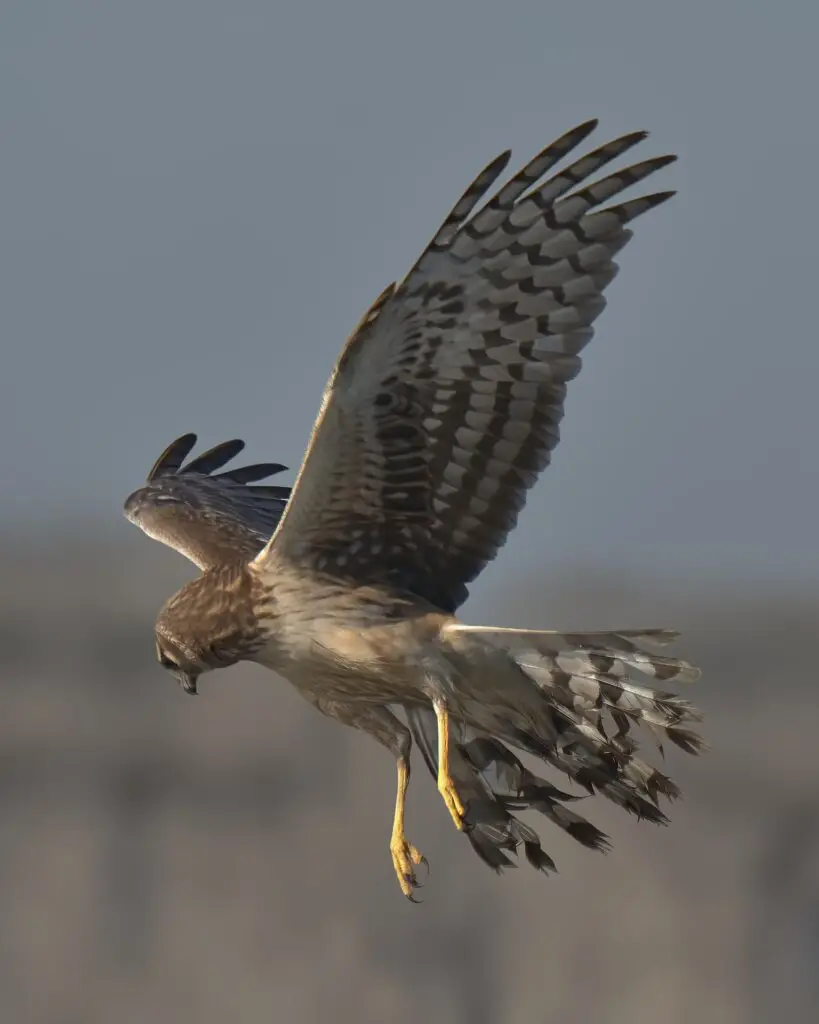
Abundant Prey:
To ensure successful falconry training, it’s crucial to provide birds with a consistent supply of prey. The training location should be chosen carefully to offer a variety of prey species that match the bird’s hunting abilities and nutritional needs. This allows the birds to refine their skills and become better hunters. Exposure to different types of prey helps them adapt their hunting strategies and techniques, enhancing their overall hunting prowess.
Mild Climate:
Lastly, the climate of the training location plays a significant role in falconry training. Birds of prey thrive in mild temperatures that are neither too hot nor too cold. Extreme weather conditions can affect their behaviour and performance, hindering their ability to focus and learn effectively. Thus, it is vital to select a location with moderate weather conditions throughout the year.
In conclusion, when choosing a place to train for falconry, it is crucial to consider these factors. By carefully evaluating these aspects, you can ensure an optimal training experience for both yourself and your bird.
Frequently Asked Questions
What is the best location to train birds of prey for falconry?
- As mentioned earlier, there are various factors to consider when selecting a training location for falconry, including spacious outdoor areas, low disturbance, varied terrain, abundant prey, and mild climate. A place that meets these criteria would be the ideal location for training birds of prey.
Why is spacious outdoor space important for falconry training?
- Birds of prey require ample room to fly and practice hunting techniques without any obstructions or distractions. This allows them to develop their skills and thrive in their training environment.
Can birds of prey be trained in urban areas?
- While it is possible to train birds of prey in urban areas, it may not be the ideal setting due to high levels of disturbance and limited space. It is recommended to find a serene spot away from the bustling city for optimal training conditions.
Name a few types of prey that should be provided for falconry training.
- The type of prey provided for falconry training depends on the bird’s hunting abilities and nutritional needs. Some common examples include rabbits, mice, rats, quail, and pigeons. It is essential to offer a variety of prey to help birds adapt their hunting techniques and become better hunters.
Check Out Our Related Articles below:
Manning in Falconry: The Key to Building Trust and Training Success
10 Factors About Training in Falconry That Every Falconer Should Know