

Falconry, also known as hawking, is a sport of training birds of prey to hunt for food. This sport has been around for thousands of years in many parts of the world. Falconry requires a significant amount of time, dedication, and skill in order to successfully train a bird of prey. In this article, we will talk about the top 10 factors that every falconer should know when it comes to training in falconry.
Time Commitment:
Falconry demands unwavering dedication as it involves not just the act of hunting with a bird of prey but also daily care, training, and bonding.
Training a raptor to become an effective hunting partner requires consistent effort and patience. Each day, multiple hours are needed for feeding, exercising, and working with the bird. Additionally, regular practice sessions are essential to maintain the bird’s skills and ensure a strong bond between falconer and bird. This commitment extends beyond just the training phase; it becomes a way of life that revolves around the well-being and development of the bird.
Bonding with the Bird:
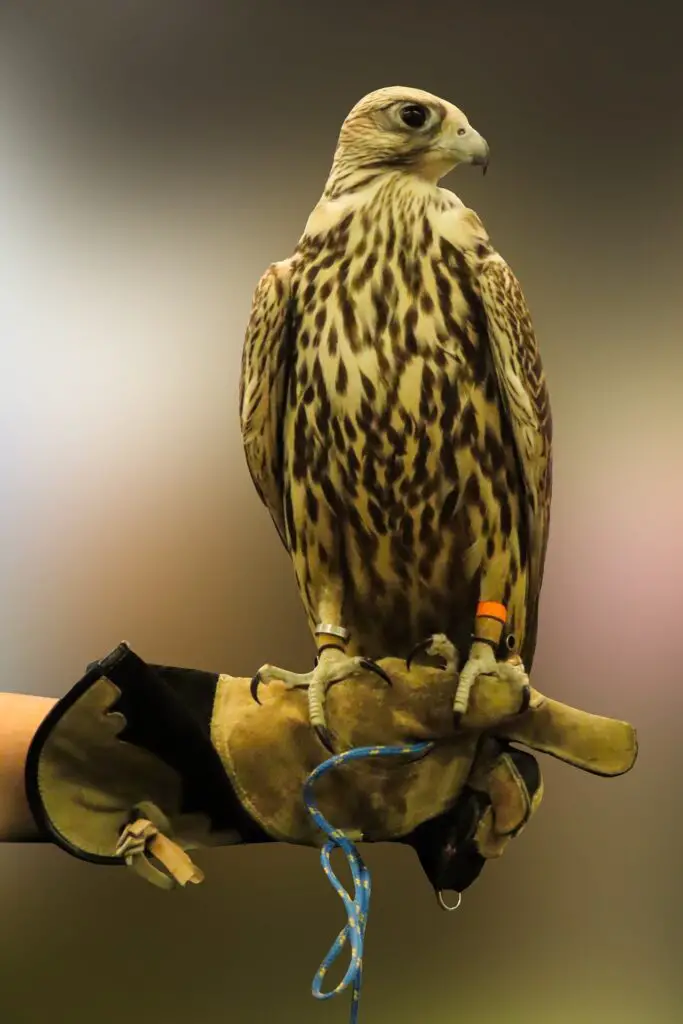
To develop a strong partnership in falconry, bonding with the bird is a fundamental aspect that requires patience, consistency, and genuine connection.
Tips for Bonding with Your Bird:
- Spend Quality Time Together: Dedicate daily time for training, flying, and simply being in each other’s company.
- Communicate Effectively: Understand your bird’s body language, vocalizations, and behaviour to build trust and mutual understanding.
- Show Care and Respect: Provide a secure environment, a well-balanced diet, and regular health checks to ensure your bird feels safe and valued in your care.
These practices won’t only strengthen the bond between you and your bird but also enhance the overall falconry experience.
Understanding Bird Behavior:
Understanding bird behaviour in falconry is a nuanced skill that requires keen observation, empathy, and a deep appreciation for avian instincts and communication. As a falconer, I’ve learned that each bird has its own unique personality, habits, and body language cues that reveal its state of mind.
By paying close attention to subtle signs like feather-ruffling, vocalizations, and body posture, I can better understand my bird’s needs and emotions. This understanding allows me to anticipate their reactions, address any issues promptly, and build a stronger bond based on trust and respect. Developing this insight into bird behaviour not only enhances the training process but also fosters a more fulfilling partnership between falconer and bird.
Training Techniques:
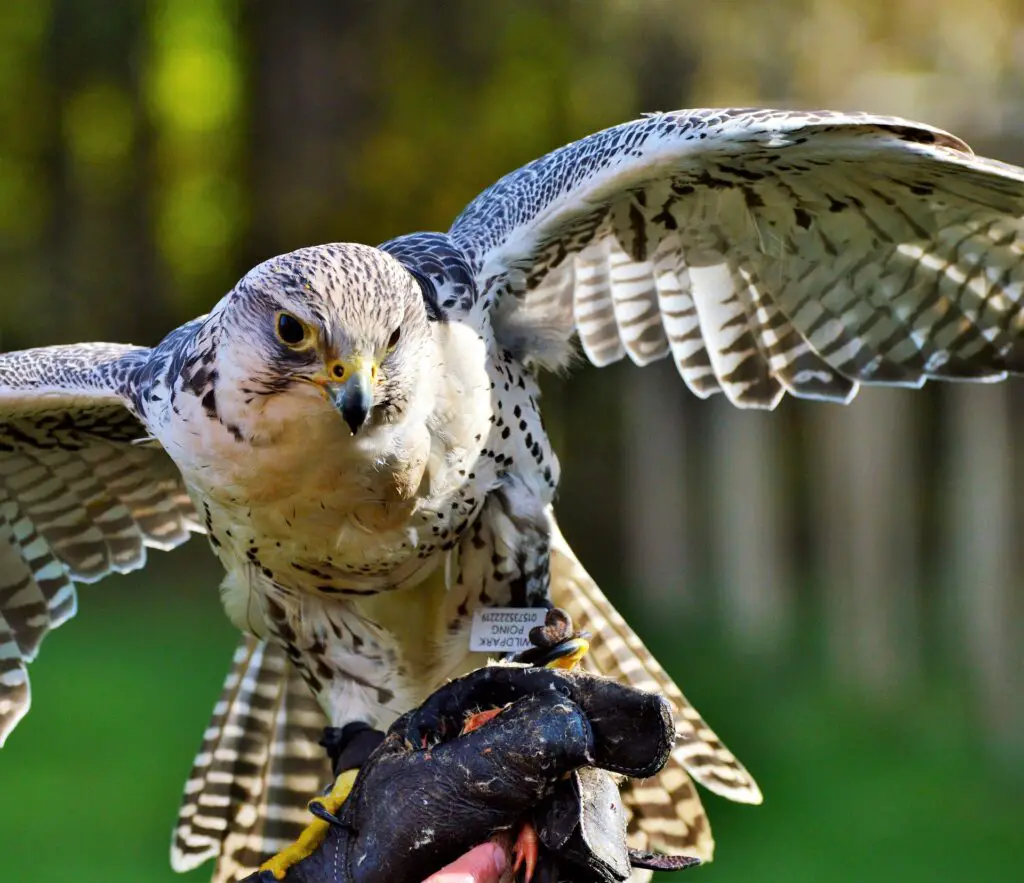
Developing effective training techniques in falconry involves a combination of patience, consistency, and understanding the individual needs and behaviors of each bird. When training a bird of prey, it’s crucial to establish trust and forge a strong bond.
Here are three key techniques that have proven successful for me:
- Positive Reinforcement: I frequently reward desired behaviours with treats or praise to encourage the bird to replicate them.
- Regular Training Sessions: Consistent, short training sessions help maintain focus and prevent the bird from becoming bored or frustrated.
- Adaptability: Be flexible in your approach, adjusting techniques based on the bird’s responses and progress to ensure effective training outcomes.
Fitness and Exercise:
Establishing a routine that includes proper fitness and exercise is essential in maintaining the health and performance of falconry birds. Regular exercise helps birds build strength, agility, and endurance, which is crucial for successful hunting and overall well-being. Flying free and hunting in the wild are natural ways for birds to stay fit, but in captivity, it’s the falconer’s responsibility to provide opportunities for exercise.
I recommend daily flight sessions to keep birds in top physical condition. It’s important to tailor exercise routines to each bird’s species, age, and fitness level. Monitoring their weight and muscle tone is key to adjusting the exercise regimen accordingly. By prioritizing fitness and exercise, falconers can ensure their birds are healthy and ready for successful hunts.
Patience and Persistence:
Maintaining a falconry bird requires a steady dose of patience and persistence, integral qualities for fostering a strong bond and achieving success in training. In my experience, here are three key points to consider:
- Consistent Training: Dedicate regular time to work with your bird, reinforcing trust and building a routine that enhances learning.
- Adaptability: Be flexible in your approach, recognizing that each bird is unique and may require different training methods to thrive.
- Resilience: Understand that setbacks are part of the process; stay positive, learn from challenges, and continue to nurture your bird’s development.
Hunting Skills:
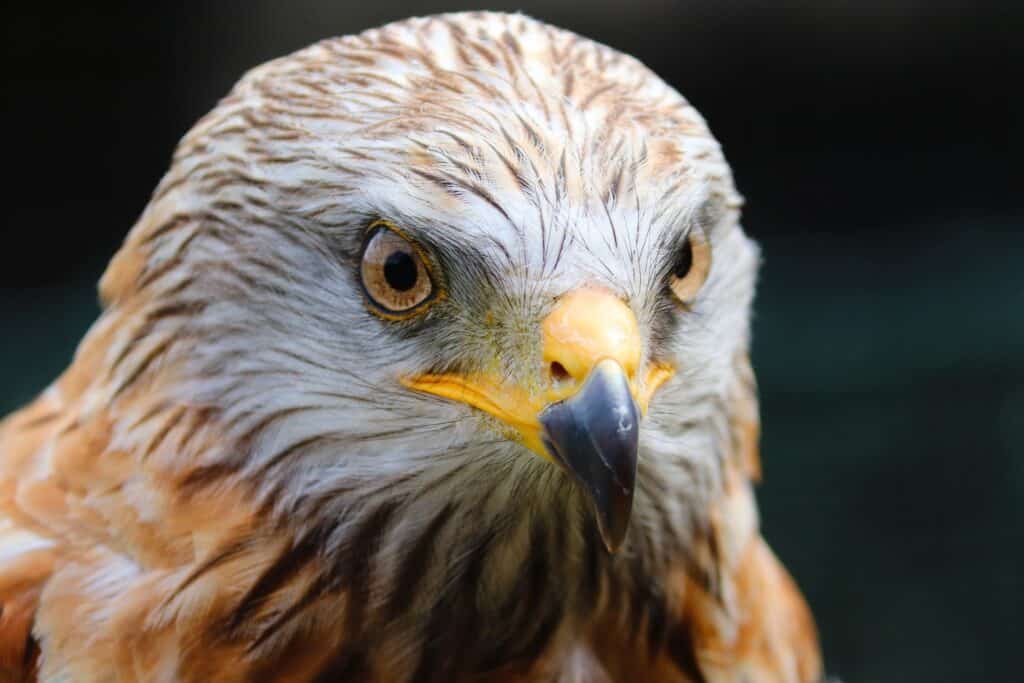
In mastering hunting skills with a falconry bird, one must understand the intricacies of prey behaviour and adapt their training techniques accordingly. Patience and observation are key as you study your bird’s hunting instincts and tendencies. Here is a table summarizing essential hunting skills for falconry:
| Hunting Skills | Description |
| Prey Behavior Analysis | Study prey habits to anticipate movements |
| Flight Training | Develop bird’s agility and precision in flight |
| Swooping Techniques | Teach birds to swoop down accurately on prey |
| Hunting Grounds | Train bird to release and return on command |
| Releasing Commands | Train bird to release and return on command |
Mastering these skills will enhance your falconry experience and strengthen the bond between you and your bird.
Equipment and Gear:
How crucial is having the right equipment and gear for successful falconry training? It’s absolutely essential. The right gear not only ensures the safety and comfort of the bird but also plays a vital role in the effectiveness of training sessions.
Here are a few key items every falconer should have:
- Jesses and Leashes: These are essential for handling and restraining the bird during training sessions.
- Hood: A hood is used to cover the bird’s eyes and keep it calm during transport or stressful situations.
- Gloves: Falconry gloves are crucial for protecting your hands from the bird’s sharp talons and preventing injuries during handling.
- Bells and Whistles: These tools are used to call the bird back during hunts or training sessions.
- Perches: Perches provide a comfortable resting spot for birds between flights and can also be used as training tools.
- Mews: A mews, or an enclosure, is where the bird will sleep and rest when not flying or hunting. It should be spacious, comfortable, and well-ventilated.
Having the proper equipment ensures a successful and safe falconry training experience for both the falconer and the bird.
Legal Requirements:
Properly adhering to the legal requirements is fundamental in ensuring a responsible and compliant approach to falconry training. As a falconer, it’s crucial to be aware of the laws and regulations that govern the practice of falconry in your region.
These legal requirements often include obtaining the necessary permits and licenses, following specific training guidelines, and adhering to set hunting seasons and bag limits. By staying informed and following these laws, you not only show respect for wildlife conservation but also help preserve falconry as a cultural tradition.
Continual Learning:
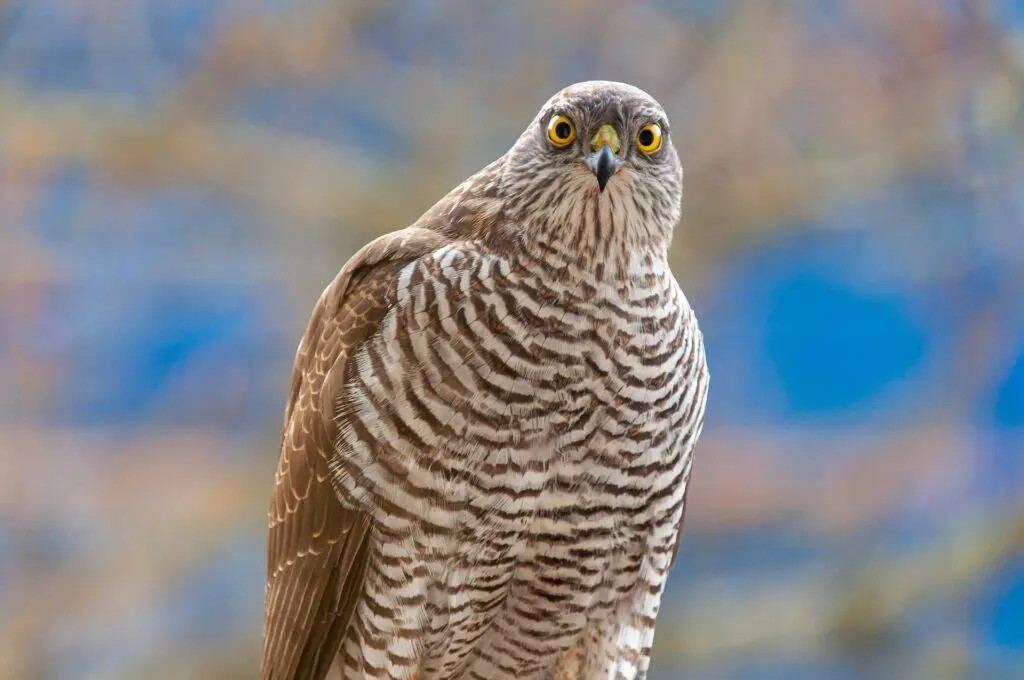
Engaging in continual learning is a key aspect of honing my falconry skills and deepening my understanding of these magnificent birds of prey. In falconry, there’s always more to learn, and staying curious and open to new knowledge is essential for growth. Here are three crucial reasons why continual learning is vital for falconers:
- Adapting to New Techniques: The world of falconry is constantly evolving, with new training methods and equipment being developed. Staying updated ensures that I can provide the best care for my birds.
- Understanding Bird Behavior: Each bird has its own personality and quirks. Continual learning helps me interpret my bird’s behaviours accurately, strengthening our bond and improving our hunting success.
- Conservation Efforts: Staying informed about conservation challenges facing raptors allows me to contribute to their protection and preservation. By learning about the threats they face, I can advocate for their well-being and habitat conservation.
Conclusion
Falconry is a unique and rewarding experience that requires dedication, patience, and a continual pursuit of knowledge. By prioritizing the health and well-being of our birds, honing our hunting skills, having the right equipment, following legal requirements, and engaging in continual learning, we can ensure a responsible and fulfilling falconry journey.
Frequently Asked Questions
Can Any Type of Bird of Prey Be Trained for Falconry, or Are There Specific Species That Are Better Suited for This Practice?
- Any bird can technically be trained for falconry, but certain species, like falcons and hawks, are more commonly used due to their inherent hunting abilities. They possess natural instincts that make them ideal for this practice.
Are There Any Specific Dietary Requirements for Birds Used in Falconry Training?
- A balanced diet of fresh meat, vitamins, and minerals is essential. Regular feeding schedules and monitoring weight are vital for optimal training results.
How Often Should a Falconer Seek Veterinary Care for Their Bird?
- I make sure my bird receives regular veterinary care to maintain its health and well-being. Annual check-ups and immediate attention to any signs of illness are crucial.
Are There Any Restrictions on Where Falconry Can Be Practiced, Such as in Urban Areas or Public Parks?
- Urban areas and public parks may not welcome our majestic birds due to safety concerns. As a falconer, I navigate these challenges with respect and responsibility.
Check Out Our Related Articles below: