
In falconry, the bond between falconer and bird is crucial for successful training and cooperation. One of the most powerful tools for building this bond is positive reinforcement—rewarding desired behaviors rather than punishing unwanted ones. This approach helps foster trust, encourages voluntary participation, and strengthens the relationship between Falconer and Raptor.
In this article, we’ll explore how positive reinforcement can improve training, create positive associations, and ensure a harmonious partnership. By focusing on rewards, consistency, and a supportive training environment, falconers can enhance their connection with raptors, leading to better outcomes for both the bird and the trainer.
Understanding Positive Reinforcement
Understanding positive reinforcement’s definition and importance is key to enhancing raptor bonding. Positive reinforcement rewards desired behaviors and provides freedom, choice, and control. It offers advantages over negative reinforcement by focusing on reinforcing positive actions rather than punishing unwanted behaviors.
Definition and Importance
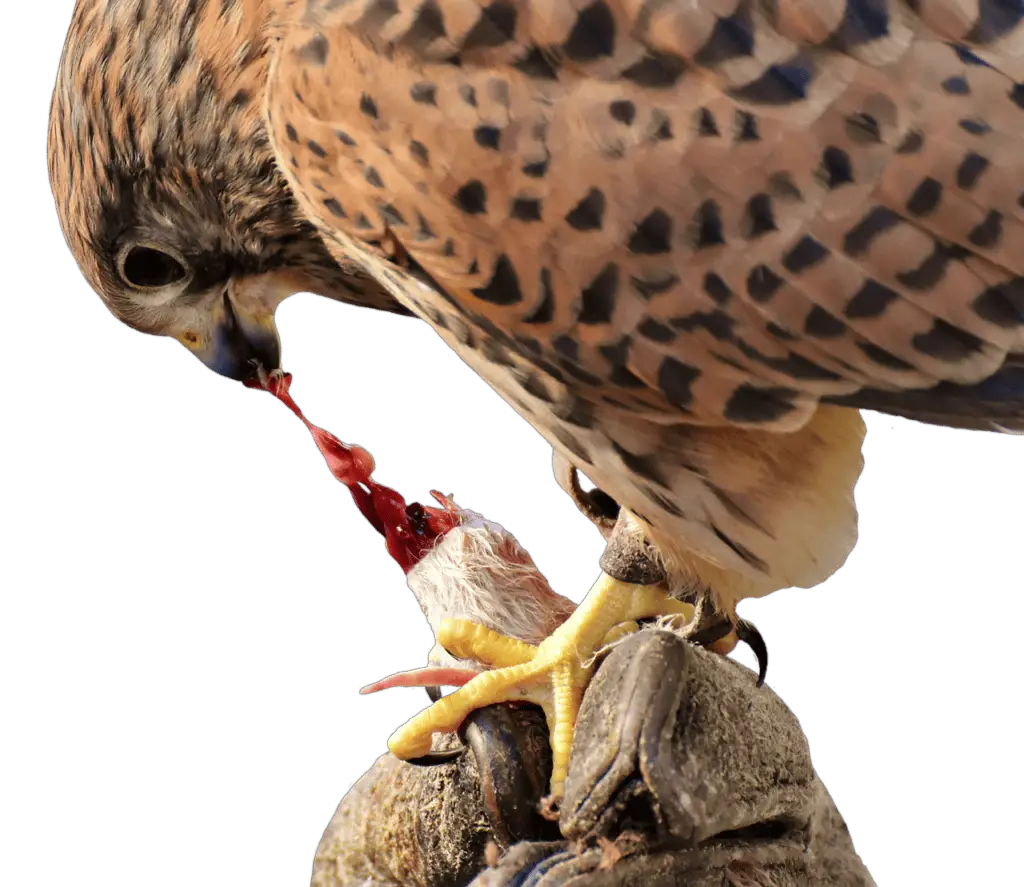
Understanding positive reinforcement’s definition and application is crucial to comprehend its significance in training birds of prey. Positive reinforcement, a fundamental concept in animal training, involves rewarding desired behaviors to increase the likelihood of their repetition.
Experienced falconers recognize that employing positive reinforcement is essential for building trust and strengthening the bond with these social animals. By rewarding behaviors like perching on a glove or participating in training sessions, falconers establish a positive association with the desired actions, fostering a cooperative relationship with the raptor.
Through step-by-step positive reinforcement, birds of prey learn to associate specific behaviors with favorable outcomes, leading to improved engagement and a more enriching training experience. This method encourages and rewards the raptors for their voluntary participation, ultimately enhancing their well-being and facilitating successful training outcomes.
Positive reinforcement is a cornerstone of the training process, emphasizing the importance of trust, communication, and mutual understanding between falconers and their avian companions.
Advantages Of Positive Reinforcement
Possessing a deep understanding of positive reinforcement in contrast to negative reinforcement is paramount when training birds of prey. Positive reinforcement, such as rewarding desired behaviors with treats or praise, plays a crucial role in building trust and strong bonds with raptors.
Unlike negative reinforcement, which relies on punishment or removal of stimuli to shape behavior, positive reinforcement focuses on rewarding and reinforcing positive actions. This approach creates a more positive training experience for both the bird and the falconer, leading to increased cooperation and willingness to learn.
In bird-of-prey training, positive reinforcement offers several advantages over negative reinforcement. It fosters trust between the bird and the trainer, enhances the bird’s motivation to engage in training sessions, and promotes a more harmonious relationship.

By using positive reinforcement techniques, falconers can effectively communicate with their birds, establish clear expectations, and achieve desired results while maintaining the bird’s well-being. Overall, the benefits of positive reinforcement in bird-of-prey training are evident in the development of strong bonds, improved performance, and a positive training environment.
Key Components of Positive Reinforcement
When implementing positive reinforcement techniques with raptors, remember that rewards play a crucial role in shaping behavior. Offering rewards like food or praise at the right time and consistently reinforces desired actions. Gradually shaping behaviors through positive reinforcement methods establishes a strong bond and trust between you and the bird.
Rewards
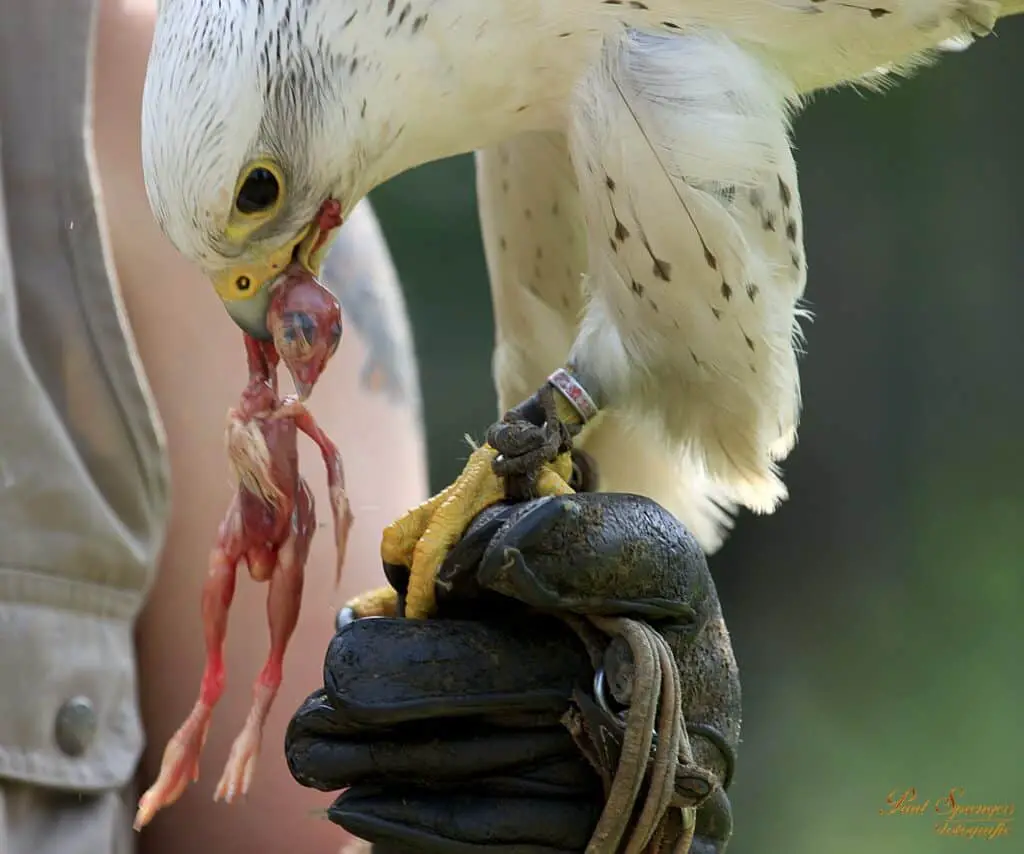
Utilizing rewards such as food, praise, and other incentives forms the cornerstone of positive reinforcement training for birds of prey. In falconry, positive reinforcement plays a pivotal role in building trust and strengthening the bond between the falconry bird and the trainer.
By offering rewards that are highly valued by the bird, such as favorite treats or verbal praise, you establish a positive association with desired behaviors, fostering a sense of accomplishment and trust.
These rewards serve as powerful motivators during training sessions, encouraging the falconry bird to engage actively and eagerly in learning new tasks. By consistently applying rewards, you reinforce the behaviors you wish to see repeated, creating a reliable training method that enhances the bird’s welfare and overall training experience.
Remember, the key to successful positive reinforcement lies in understanding what rewards are most meaningful to your falconry bird and using them effectively to cultivate a strong and trusting relationship.
Timing and consistency
Moving forward from the discussion on rewards as a fundamental aspect of positive reinforcement training for birds of prey, the timing and consistency of delivering these rewards play a crucial role in shaping desired behaviors. When implementing positive reinforcement techniques, ensuring that the reward is given promptly after the desired behavior increases its effectiveness.
Like other animals, birds of prey respond best when the reward closely follows the behavior it aims to reinforce. Consistency in the timing of rewards establishes a clear association between the behavior and the positive outcome, strengthening the training process.
Establishing a predictable and reliable reinforcement schedule contributes significantly to building trust between the bird and the trainer. Birds thrive on routine, and understanding when to expect rewards fosters a sense of security and comfort.
By adhering to a consistent timing of positive reinforcement, you create a structured training environment that promotes learning while enhancing the bond between you and your raptor. Timely and consistent rewards reinforce desired behaviors and lay a solid foundation for successful training outcomes.
Gradual shaping of behaviors
A gradual and systematic approach is essential to effectively shaping behaviors through positive reinforcement. Positive reinforcement, a cornerstone in behavior modification, involves building strong bonds through trust and gradually shaping desired behaviors. By utilizing positive reinforcement techniques, you can effectively guide your raptor toward exhibiting behaviors that align with your training goals.
Begin by breaking down the desired behavior into smaller, achievable steps. Reward the raptor for each incremental progress towards the final behavior. This gradual shaping approach helps the bird understand what is expected of them, leading to successful behavior modification.
Consistency is key in this process. You reinforce the connection between the action and the positive outcome by consistently rewarding the raptor for displaying the desired behavior.
This methodical approach shapes behaviors and strengthens the bond between you and your bird through trust building. Remember, patience and persistence are vital as you embark on this journey of gradual shaping and positive reinforcement.
Training Techniques for Raptors
Focusing on training techniques that build trust through positive reinforcement is crucial to enhancing your bonding with raptors. Creating enriching environments for your birds and fostering positive associations during training sessions are key components in developing a strong relationship with them. By utilizing these methods, you can establish a foundation of trust and respect that will benefit both you and your raptor in the training process.
Building Trust Through Positive Reinforcement
Establishing a strong bond with raptors through positive reinforcement training techniques is fundamental for their well-being and successful interactions. Building trust with your raptor is key to fostering a mutually respectful relationship in falconry.
Positive reinforcement, such as using rewards like food or praise, helps in creating a positive association with the trainer and the training process. By consistently rewarding desired behaviors, you can reinforce trust and encourage the raptor to engage willingly in training activities.
Trust and reward go hand in hand in raptor bonding. Through positive reinforcement, you can cultivate a sense of security and confidence in your bird, leading to smoother training sessions and improved communication.
In falconry, trust is the foundation of a successful partnership between you and your raptor. Positive reinforcement techniques can build a strong bond based on mutual respect, understanding, and cooperation.
Creating Enriching Environments
Enhancing the training environment for raptors is a pivotal aspect of fostering their cognitive development and overall well-being. Environmental enrichment plays a crucial role in providing birds of prey with stimulating and engaging surroundings. This includes offering varied perching designs, incorporating swings and ropes, and allowing free lofting for movement and exploration.
Food presentation is another key element, where slowing down birds through foraging opportunities can enhance problem-solving skills. Positive reinforcement training, like traditional falconry, promotes trust and freedom for successful interactions. Cognitive enrichment activities cater to different cognitive needs, reducing stress and boredom while improving mental stimulation.
Engaging with a supportive community of trainers and enthusiasts can enrich the training journey, leading to knowledge-sharing and enhanced techniques. By focusing on environmental enrichment, food presentation, positive reinforcement training, cognitive enrichment, and community engagement, you can create a well-rounded and enriching environment for your raptors.
Fostering Positive Associations during Training
Pivoting from the focus on creating enriching environments for raptors, ensuring positive associations during different types of training is paramount for fostering a successful and harmonious relationship with these magnificent birds. Positive reinforcement training plays a pivotal role in building trust and fostering associations with your raptor. By rewarding behaviors that align with your training goals, you establish a connection based on mutual respect and understanding.
Trust building is a gradual process that requires consistency and patience. To reinforce desired behaviors effectively, make sure to reward desired behaviors promptly. Creating a structured routine that aligns training time with feeding time can further enhance positive associations.

Avoid fear-based behaviors by identifying and addressing them promptly, ensuring your bird’s comfortable and safe environment. Maintaining clean water, comfort, and a sense of security during downtime contributes to a positive training experience. Implementing these strategies lays a solid foundation for a strong bond with your raptor.
Challenges and Solutions
When working with raptors, you must consider their species-specific needs, each bird’s unique personality, and how to overcome neophobia. Tailoring your approach to fit each bird’s individual characteristics is essential for successful training and bonding. Understanding these challenges and finding solutions that work for each bird will strengthen your relationship and enhance the training experience.
Species-specific considerations
Implementing species-specific considerations in the enrichment and training of birds of prey is paramount to ensuring their well-being and successful development. As a bird of prey trainer, understanding the unique characteristics of different species of birds is crucial.
Larger birds may have specific needs compared to smaller species, requiring adaptations in training techniques and environmental setups. Observing and promoting natural behaviors specific to each species fosters a deeper bond between you and the bird.
Tailoring enrichment activities to cater to the instincts and preferences of the bird enhances cognitive engagement and overall well-being. By recognizing and respecting the individuality of each species, you can establish strong bonds built on trust and understanding.
Remember, a one-size-fits-all approach does not apply in falconry; adjusting your methods according to the species you are working with will lead to more effective training and a harmonious relationship with your raptor.
Overcoming neophobia (fear of new things)
In training birds of prey, trainers must approach this obstacle with strategic and thoughtful methods to overcome neophobia and the fear of new things. Neophobia can hinder raptor bonding and trust-building efforts, making it essential to address this fear through positive reinforcement techniques. Building trust gradually by introducing new stimuli in a controlled and positive way is key.
Incorporating familiar elements alongside new objects or experiences can help alleviate the fear of the unknown. By associating these new things with positive outcomes such as treats or praise, you can create a positive association and gradually reduce the response to fear.
Consistency, patience, and understanding of the individual bird’s comfort level are crucial in overcoming neophobia. Remember, positive reinforcement builds trust over time, ultimately strengthening the bond between you and your raptor.
Adapting to individual bird personalities
Adapting to individual bird personalities presents a significant challenge in the realm of training birds of prey. Each raptor comes with its own set of characteristics, preferences, and past experiences that influence their behavior and responses to training. Positive reinforcement techniques are crucial in adapting training methods to suit the unique traits of each bird. You can establish a strong bond with your raptor by building trust and tailoring enrichment to specific needs.
Observe closely and understand your bird’s personality traits to overcome this challenge. Some birds may be more food-motivated, while others respond better to verbal cues or physical affection. Adapting your training techniques to align with these individual bird personalities will enhance the effectiveness of your sessions.
You can create a training environment that fosters trust and cooperation by recognizing and respecting their distinct qualities. Consistency in positive reinforcement and patience in adapting to their specific needs will ultimately lead to a successful training experience.
Environmental components for cognitive enrichment
Enhancing raptor bonding through cognitive enrichment involves enriching habitats to stimulate sensory experiences and cognitive skills. Providing varied perching designs, incorporating swings, ropes, branches, and logs in the aviary, and allowing free lofting birds can enhance cognitive engagement. These environmental components play a crucial role in creating a stimulating and enriching environment for captive birds of prey.
Enriching Habitats for Cognition
Designing habitats that promote cognitive enrichment for birds of prey is essential in ensuring their well-being and mental stimulation. Incorporating elements that encourage cognitive engagement is crucial when creating environments for birds of prey. Utilizing positive reinforcement training techniques alongside environmental enrichment can greatly enhance the cognitive abilities of raptors.
Providing varied perching designs, structures, swings, ropes, branches, and logs in the aviary offers birds choices and opportunities for exploration. Allowing free-lofting birds in the aviary also promotes movement and cognitive stimulation. Changing perching designs and setups regularly can further stimulate cognitive engagement in birds of prey.
By enriching habitats with these elements, trainers can create environments that not only cater to the birds’ physical needs but also nurture their cognitive well-being, ultimately strengthening the bond between the raptor and the falconer.
Stimulating Sensory Experiences
When creating environments for birds of prey to promote cognitive enrichment, it is essential to focus on stimulating sensory experiences through various environmental components. Proper training involves understanding the significance of body language and natural instincts in learning. By avoiding negative reinforcement and emphasizing positive associations, you can enhance the bird’s comfort level and overall training experience.
Incorporating aspects of training that cater to the raptor’s sensory needs can significantly impact their cognitive development. Providing opportunities for the birds to explore different textures, sounds, and sights within their environment can help stimulate their senses and promote engagement.
By monitoring the bird’s reactions and adjusting the environment accordingly, you can create a space that encourages learning and trust. Remember, a well-designed environment that stimulates the bird’s senses is key to fostering a strong bond and successful training outcomes.
In conclusion, enhancing raptor bonding through positive reinforcement in falconry is a rewarding and effective way to build trust and strengthen the relationship between you and your bird. You can create a space that promotes learning, trust, and engagement by focusing on positive associations, training techniques, and environmental enrichment. Remember, fostering a bond based on mutual respect and understanding will benefit your raptor’s well-being and enhance your overall falconry experience.
Ready to deepen your bond with your raptor?
Understanding positive reinforcement is just the beginning. To enhance your falconry skills and connect with your bird on a deeper level, explore more articles and resources that will guide you through every step of the training process. Keep learning and building trust with your feathered companion—the journey of falconry is full of discovery.
Manning in Falconry: The Key to Building Trust and Training Success
Weight Management Training: The Key to Successful Falconry
10 Factors About Training in Falconry That Every Falconer Should Know