
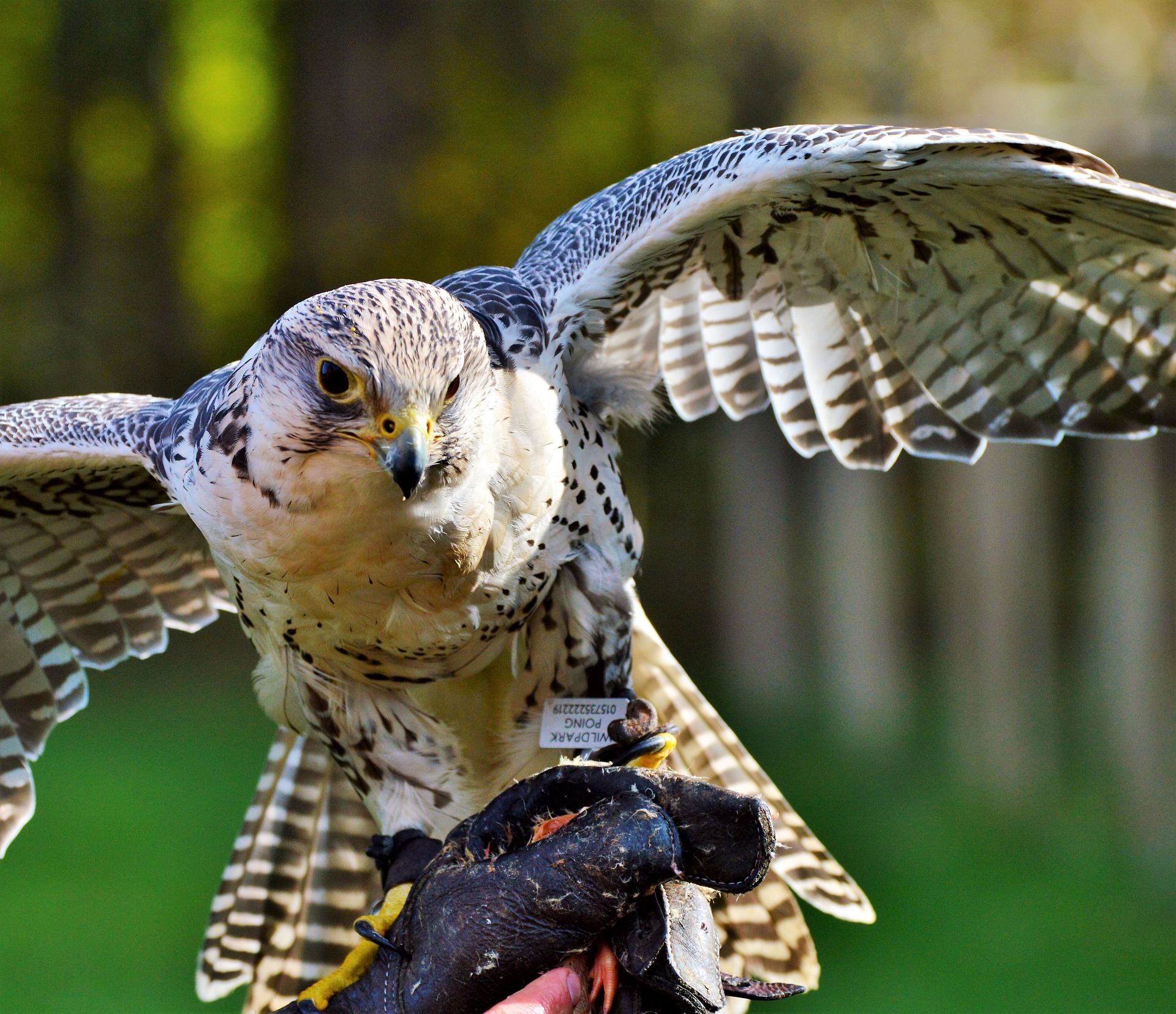
Maintaining your bird’s feathers is very important. Regular inspection of their feathers is essential to ensure the health and well-being of the raptor. I’ve used various methods to maintain my birds’ feathers, including bathing, oiling, and moult monitoring. Below, I’ll go into detail and provide some tips to help you look after your bird’s feathers.
How to maintain birds of prey feathers:
Maintaining your raptors’ feathers is essential for their well-being. Regular inspections are crucial to detect any signs of damage or disease, and a balanced diet rich in essential nutrients promotes healthy feather growth, while proper bathing helps keep the feathers clean and free from debris. By managing molting cycles and occasionally trimming their feathers, I ensure the optimal condition of the birds’ plumage.
Regular Inspections:
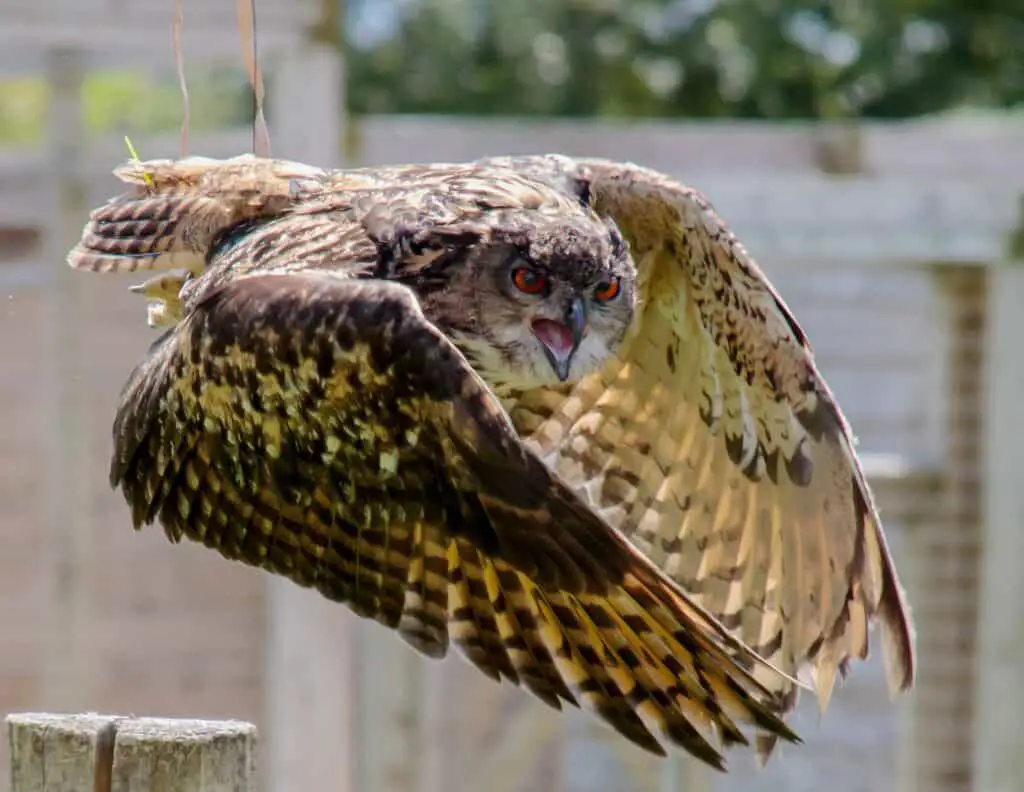
I carefully examine my bird’s feathers during regular inspections to ensure they are in the best possible condition. Feather health is crucial for the overall well-being of raptors, as their feathers play a vital role in flight, insulation, and protection. Here are the key aspects of feather care that I focus on during inspections:
- Feather condition: I start by checking for any signs of damage, such as broken or frayed feathers, which can impair the bird’s ability to fly effectively.
- Feather cleanliness: inspecting for dirt, debris, or parasites that might accumulate on the feathers and eliminating them promptly is important.
- Feather alignment: It’s important to ensure the feathers are properly aligned, as misaligned feathers can cause discomfort and compromise flight performance.
Balanced Diet:
Ensuring your bird’s diet is well-balanced also helps with maintaining healthy feathers. Incorporating nutritional supplements into their routine is vital for optimal feather conditioning. The supplements I’ve used include essential vitamins and minerals that support the growth and strength of the feathers. Additionally, protein sources are integral to a bird of prey’s diet.
Protein provides the necessary amino acids for feather formation and repair. This will include adding a variety of protein-rich foods, such as lean meats, fish (high protein), and eggs, to their diet. Understanding the dietary requirements of raptors is essential for maintaining feather health. By providing a well-balanced diet, I can ensure that my bird’s feathers are in optimal condition for flying, hunting, and overall well-being.
Proper Bathing:
Ensure this process is done naturally and give the raptor or raptors every chance to do this on their own. You can do this by setting up a bathing station for the raptors to land on and let them preen and groom themselves. Falcons are known to be very clean birds and will spend a significant amount of time grooming their feathers.
It’s important to note that raptors have delicate feathers that can easily become damaged or dirty. That’s why it’s crucial to provide them with a clean environment where they can take care of themselves. This includes regularly cleaning their mews (housing) and providing fresh water for bathing.
If your raptor is injured or sick or has any other emergencies, and you need to bathe the bird yourself, then follow the normal bathing procedure; otherwise, provide the opportunity to do it themselves.
Molting Management:
Moulting is a natural process where birds shed their old feathers and grow new ones. I always pay extra attention to my bird’s feathers in the molting season because healthy feather growth is vital.
During molting, it is important to carefully monitor your birds’ feather health, ensuring that the new feathers grow properly. You can provide the bird with a well-balanced diet rich in essential nutrients, such as proteins and minerals, which are essential for healthy feather growth.
Keep in mind that the behavior of birds of prey will alter during the molting process
Feather Trimming:
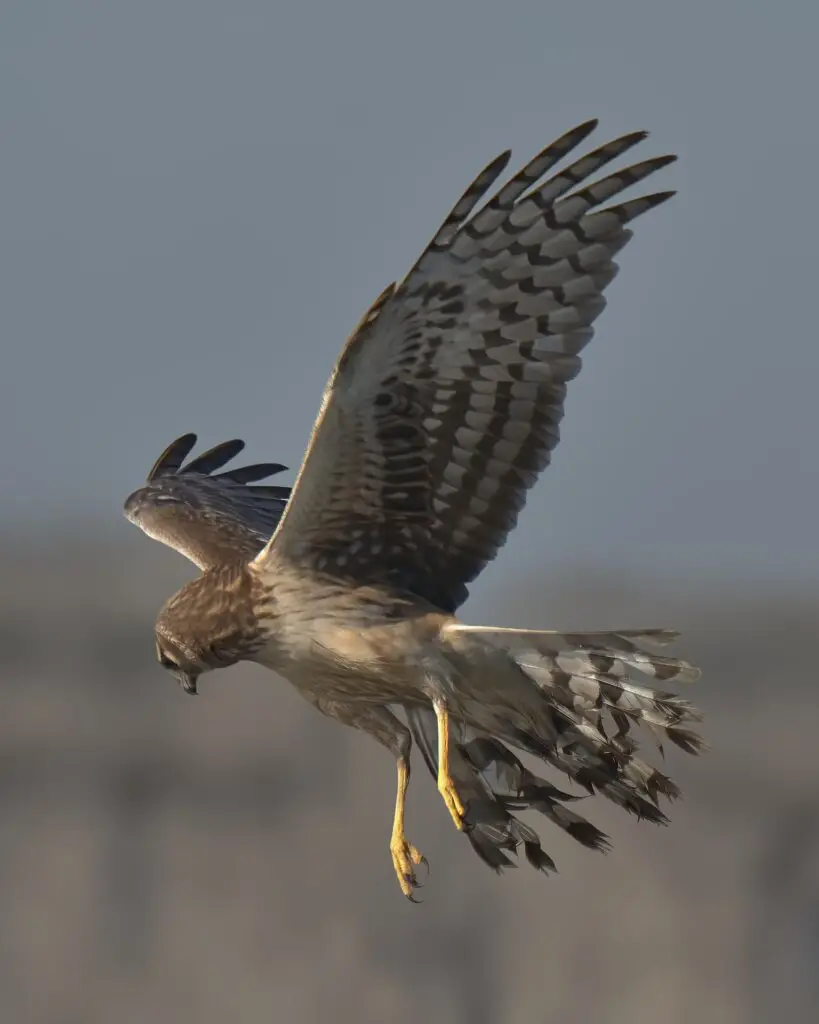
Sometimes, the natural shape of a bird’s feathers can become misaligned due to various factors. When this happens, it is important to trim the feathers back into shape for both aesthetic and functional purposes.
Please ensure that any feather, beak or talon maintenance for the first few times is done by a professional falconer or avian veterinarian.
In a nutshell, properly maintaining your raptor feathers can be a daunting yet vital task for any falconer. It requires careful attention to detail and a comprehensive approach. One crucial aspect is providing a well-balanced diet that meets the specific nutritional needs of the bird. Additionally, regular monitoring of the feathers’ condition is necessary to identify any signs of damage or health issues promptly.
Should the need arise, trimming the feathers is an important practice to maintain optimal flight performance and prevent any discomfort for the bird. By consistently implementing these practices, falconers can ensure that their feathered companions remain in excellent health and comfort, contributing to a successful and fulfilling falconry experience.
Frequently Asked Questions
Can Falconers Trim or Shape the Feathers of Their Birds of Prey?
- Yes, falconers can trim or shape the feathers of their birds of prey, but they should have the experience to undertake this task.
Are There Any Specific Grooming Techniques or Tools Used to Maintain the Feathers of Birds of Prey?
- Feather grooming techniques involve regular bathing to keep feathers clean and healthy. Specialized tools like feather scissors and trimmers are used for precise feather trimming. Dietary supplements are given to support feather health.
Are There Any Recommended Dietary Supplements or Specific Foods That Help Improve Feather Health in Birds of Prey?
- Dietary supplements and specific foods are recommended to improve feather health in birds of prey. These can include high-quality proteins, omega-3 fatty acids, and vitamins like biotin and zinc.
How Often Should Birds of Prey Be Bathed, and How Do You Know When They Need a Bath?
- The frequency of bathing depends on the bird’s species and environmental conditions. It is recommended to consult with an experienced falconer or veterinarian to determine the appropriate bathing schedule.
Ready to expand your knowledge about caring for birds of prey? Read our related articles below: