
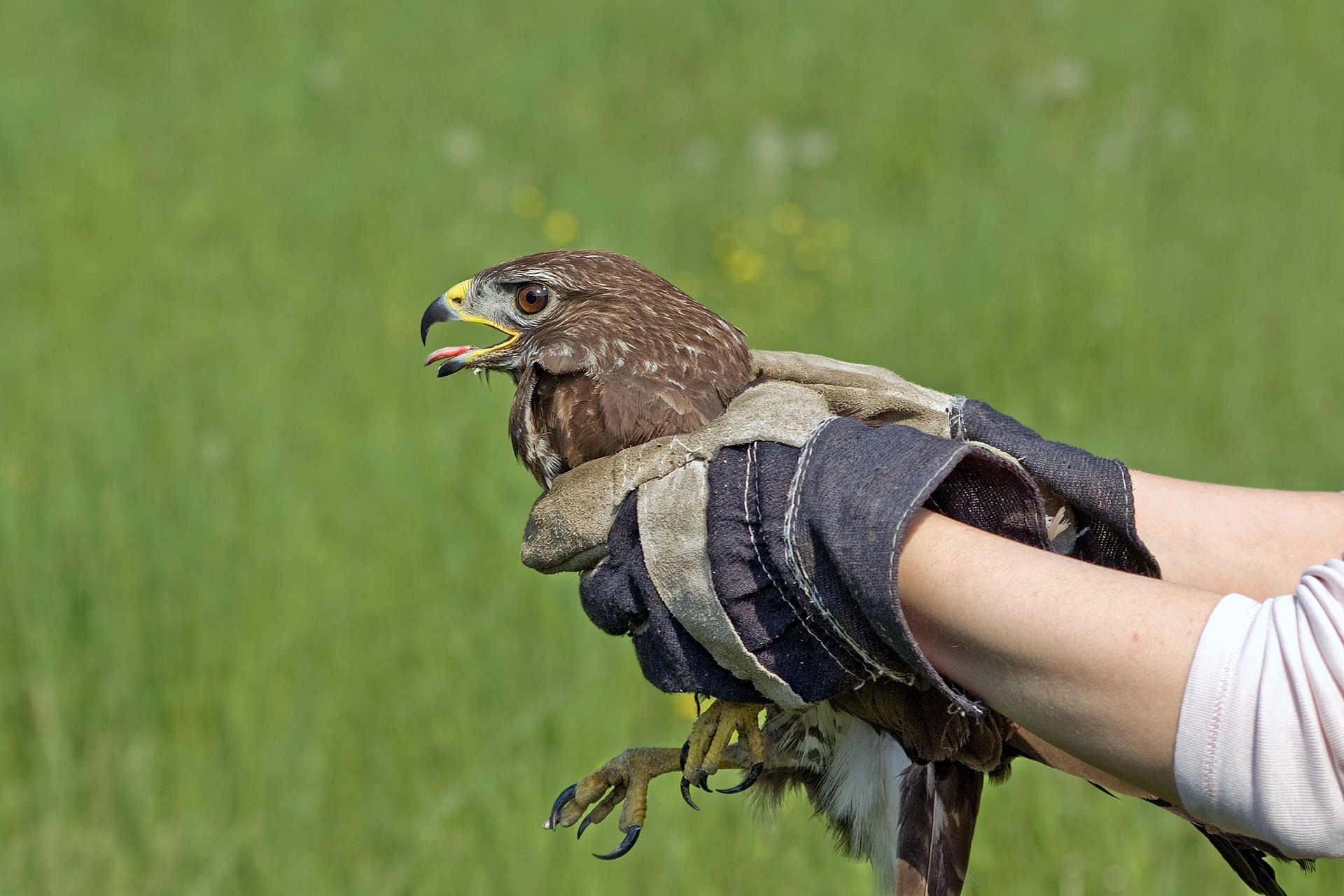
Caring for a bird of prey may seem daunting, but with the right steps, it can be a rewarding experience. As a bird lover, I have compiled a list of important steps to take to properly care for your bird of prey.
How to care for your bird of prey?
When caring for a bird of prey, there are several important factors to consider:
1. Providing appropriate housing is essential to ensure the bird’s safety and well-being. This includes a spacious enclosure with perches and shelter.
2. The raptors diet should consist of high-quality meat to meet its nutritional needs. Building a strong bond with the bird through regular handling and training is also crucial.
3. Regular healthcare check-ups and proper equipment, such as gloves and jesses, are necessary for the bird’s overall care and safety.

Housing
I prioritize providing suitable housing to properly care for my bird of prey. Creating the right environment for my bird is essential for its well-being and happiness. Here are three key considerations for housing a bird of prey:
1. Size: Birds of prey require spacious enclosures that allow them to move around freely. The size of the enclosure should be appropriate for the bird’s species and wingspan. This ensures that the bird can exercise and maintain its physical health.
2. Safety: The housing should be secure and protect the bird from potential dangers. This includes using sturdy materials, ensuring proper ventilation, and installing secure locks on doors and windows. It is also important to regularly inspect the enclosure for any signs of wear or damage.
3. Enrichment: Birds of prey are intelligent creatures that thrive on mental stimulation. Enrichment activities such as perches, toys, and puzzle feeders should be provided to keep the bird mentally engaged and prevent boredom.
Diet:
A well-balanced diet is crucial for your bird to thrive. The table below outlines the main components of a bird of prey’s diet:
| Food Group | Examples | Benefits |
| Meat | Mice, rats, rabbits | Provides essential proteins and amino acids |
| Offal | Heart, liver, kidney | Offers important vitamins and minerals |
| Bones | Chicken wings, ribs | Supplies calcium for strong bones and beak |
| Supplements | Vitamin D, calcium | Ensures proper nutrient absorption and digestion | |
It is important to note that a bird of prey’s diet should mimic their natural prey as closely as possible. Fresh, high-quality ingredients should be provided, and any uneaten food should be promptly removed to maintain cleanliness. Additionally, consulting with a veterinarian experienced in avian care is highly recommended to ensure the specific dietary needs of your bird of prey are met.
Bonding
I prioritize bonding with my bird of prey by spending quality time together and engaging in activities that strengthen our connection. Bonding is crucial for building trust and creating a strong relationship with your bird. Here are three key ways to bond with your bird of prey:
1. Handling and Socialization: Regular handling and socialization are essential for your bird’s well-being. Spend time interacting with your bird daily, talking to them calmly and soothingly and gently stroking their feathers. This will help them become familiar with your presence and develop a bond while also giving them sense of security.
2. Training and Enrichment: Engage in positive reinforcement training sessions with your bird. Teach them basic commands using treats or rewards, such as recall and step-up. Additionally, provide a variety of toys and puzzles to stimulate their mental and physical abilities, keeping them mentally stimulated and preventing boredom.
3. Outdoor Activities: Take your bird outdoors for supervised flight exercises. This allows them to stretch their wings, explore their surroundings, and experience natural elements. Bonding during outdoor activities strengthens the trust between you and your bird, deepening your connection.
Healthcare:
Just like any other animal, birds of prey require regular veterinary check-ups and proper nutrition to maintain their health. Here are some key healthcare practices that I follow to keep my bird in top condition:
| Healthcare Practices | Description |
| Regular Veterinary Check-ups | Schedule regular visits to a certified avian veterinarian to monitor your bird’s overall health and detect any potential issues early on |
| Hygiene and Cleanliness | Schedule regular visits to a certified avian veterinarian to monitor your bird’s overall health and detect any potential issues early on. |
| Regular Exercise | Allow your bird to fly and exercise daily in a safe and supervised environment to maintain optimal physical fitness. |
| Balanced Diet | Provide a diet that includes a variety of fresh meats, such as mice, rats, and chicks, along with a mix of fruits, vegetables, and specially formulated pellets. |
| Parasite Prevention | Administer preventive treatments to protect your bird from external and internal parasites like mites and worms. |
Equipment
To properly care for your bird of prey, it is essential to have the right equipment in place to handle them properly. Here are a few crucial items that I rely on to ensure the well-being of my feathered companion:
1. Mews: A spacious and secure mews provides a comfortable living space for my bird of prey. It is equipped with perches, a water dish, and a soft substrate for nesting. This enclosure allows my bird to exercise and stretch its wings while protecting itself from potential threats.
2. Hood: A well-fitted and properly constructed hood is essential for handling my bird during training and transportation. It helps to calm and control the bird, ensuring its safety and the safety of those around it. The hood also protects its eyes from bright lights and distractions.
3. Jesses and Leashes: These specialized leather straps secure my bird during falconry activities. Jesses are attached to its legs, allowing me to handle and control the bird while preventing it from flying away. Leashes provide additional security and enable me to keep my bird close by when necessary.
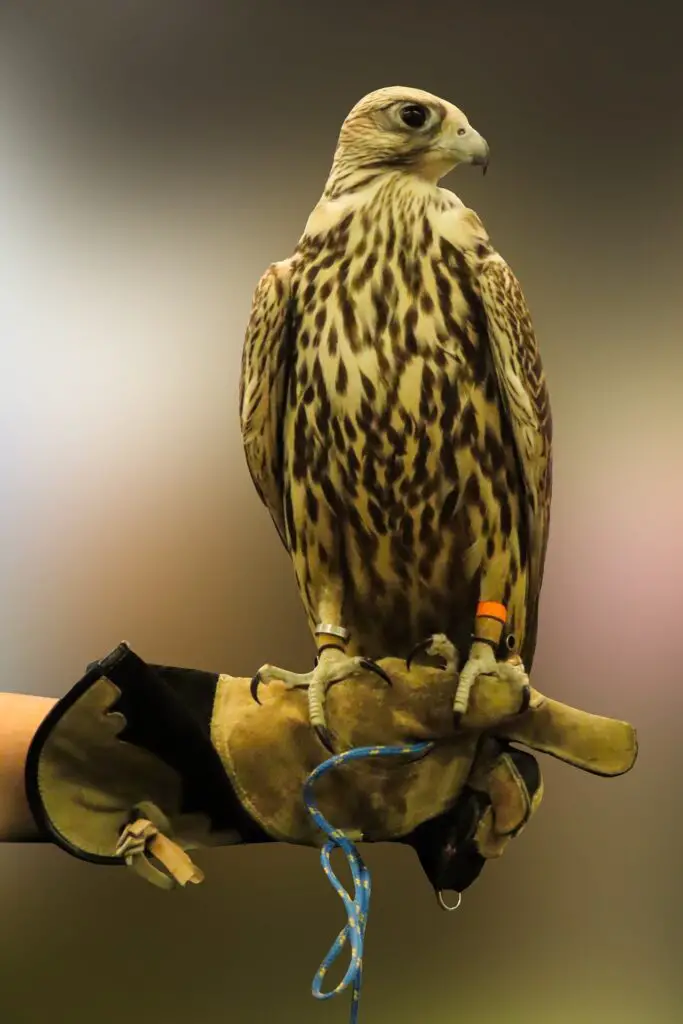
4. Gloves: Thick leather gloves are crucial for handling your bird of prey, especially during training and hunting activities. They protect your hands from the sharp talons and beak of the bird, preventing injuries.
5. Weighing Scales: Regular monitoring of a bird’s weight is crucial for detecting any health issues or changes in diet. A high-quality weighing scale specifically designed for birds of prey is a necessary tool for any bird owner.
With these essential pieces of equipment, you can provide the care and attention that your bird needs to thrive.
Training and Enrichment:
Falconry birds are intelligent and active creatures that require mental stimulation and physical exercise to thrive. Training helps establish a bond between the bird and its handler, while enrichment activities keep the bird engaged and prevent boredom. To provide adequate training and enrichment, it is important to understand your bird’s specific needs.

Weather Considerations:
Weather plays a crucial role in the overall well-being and health of these magnificent creatures. Here are three key points to keep in mind:
1. Temperature regulation: Birds of prey are highly sensitive to extreme temperatures. Providing them with a suitable environment that maintains optimal temperature levels is crucial. This can be achieved through proper insulation, shade, or heating elements, depending on the climate.
2. Wind conditions: Strong winds can pose a significant risk to your bird of prey. Ensure their enclosure or aviary is well-protected from gusts that could harm or stress them. Providing windbreaks or wind-resistant structures can help create a safe and comfortable environment.
3. Precipitation management: Rain, snow, or excessive humidity can negatively impact your bird’s health. Ensure their living space has adequate shelter and drainage systems to prevent water accumulation. Additionally, regularly inspect the enclosure for leaks or areas where moisture might seep.
Read the full guide on advanced outdoor temperature control for aviaries
What are the daily care needs for birds of prey?
Throughout my experience as a falconer, I have found that by focusing on the bird’s daily care needs, I can provide them with the proper environment and attention they require. Daily care for birds of prey involves several key aspects:
1. To meet their nutritional needs, their diet must consist of fresh meat, preferably whole prey.
2. Their enclosure should be spacious enough for them to move around and exercise their wings. Regular exercise is essential to maintain their physical and mental health. Birds of prey also require daily monitoring of their feathers, beak, and talons for any signs of damage or disease.
3. Providing them with a quiet and stress-free environment is crucial to their care.
By attending to these daily care needs, we can ensure that these magnificent creatures thrive under our care.
Conclusion
Proper care for birds of prey requires a dedicated and responsible approach. We can provide the best possible care by understanding their natural behaviours and needs and providing suitable equipment, training, and enrichment activities. Regular monitoring and attention to their daily care needs are crucial for maintaining their health and well-being.

Frequently Asked Questions
What are the essential steps to care for a bird of prey?
- Caring for a bird of prey involves providing proper housing, a balanced diet, regular veterinary care, mental and physical stimulation, and consistent training to ensure the bird’s well-being.
How do I create a suitable environment for my bird of prey?
- Ensure a spacious and secure aviary with perches, shelters, and appropriate substrate. Tailor the environment to the bird’s species, considering its size, flying habits, and need for privacy.
What should I include in the diet of my bird of prey?
- A well-balanced diet for a bird of prey includes a variety of fresh, whole-prey items supplemented with vitamins and minerals as needed. Consult with a veterinarian or experienced falconer for a diet plan tailored to your bird’s species.
How often should I provide veterinary care for my bird of prey?
- Regular veterinary check-ups are essential, typically at least once a year. Monitor the bird’s health closely and seek immediate veterinary attention if you notice any signs of illness or abnormalities.
Why is mental and physical stimulation important for a bird of prey?
- Mental and physical stimulation prevent boredom and promote a healthy, active lifestyle. Enrichment activities, flying exercises, and novel experiences help maintain the bird’s physical and mental well-being.
Check out our related topics on the following:
Animal Welfare in Falconry: Prioritizing the Well-Being of Birds