
As a falconer, ensuring proper rest and recovery for our raptors is paramount to their well-being and performance. Every detail plays a crucial role, from creating an ideal resting environment to monitoring their behavior during downtime. But what about tailoring their diet for recovery or understanding the significance of mental rejuvenation alongside physical healing? The journey of supporting our raptors’ recovery goes beyond just providing rest—it’s about fostering their overall health and strength. Let’s explore the essential care practices that can elevate our falconry companions to new heights of success.
Creating an Optimal Rest Environment
As a falconer, ensuring an optimal rest environment for our raptors is crucial after flights or when they are recovering from injury or illness. Providing a quiet and secure space where they can rest undisturbed is essential for their well-being and recovery. By understanding their needs and creating a peaceful sanctuary, we can help our feathered companions heal or rejuvenate effectively in our care.
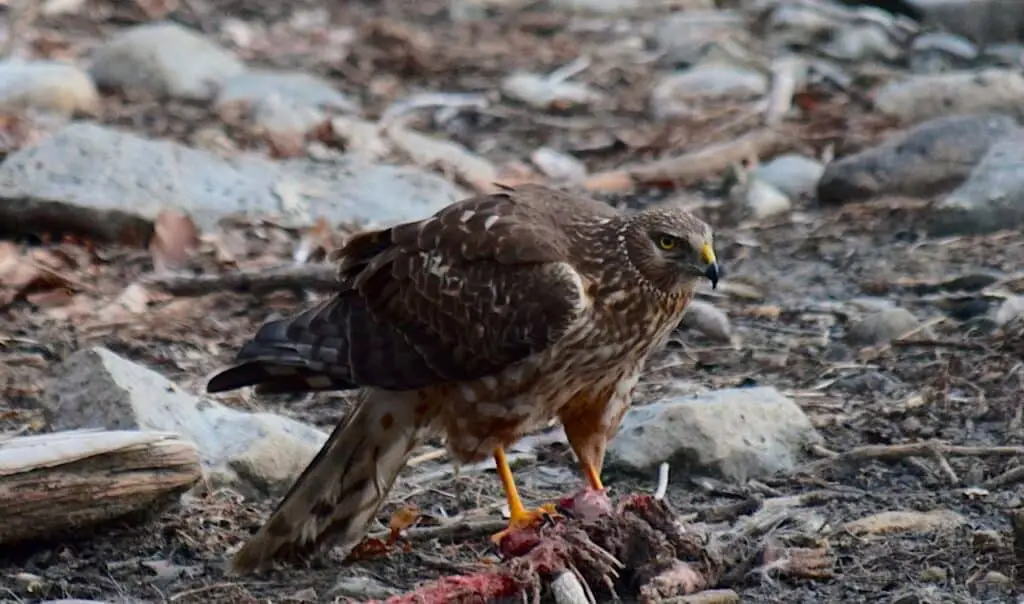
After flights
During the crucial period after flights, it is imperative to provide raptors with an optimal rest environment to aid in their recovery and overall well-being. After intense flights, injured birds or those with damaged or broken feathers require extra care. Ensure they have access to fresh drinking water and a comfortable perch to rest.
Maintain an appropriate temperature and shading in their enclosure to prevent stress and aid in their recovery. Minimize disturbances to allow them to rest undisturbed. Creating a peaceful and supportive environment can help your birds of prey recuperate effectively after flights, promoting their health and well-being.
After injury or illness
When it comes to caring for captive birds after injury or illness, it’s essential to create a quiet and isolated space for the individual bird. Soft bedding and padding are necessary to ensure comfort and prevent further harm. Tail feathers, often essential for flight, require extra care and protection during this time. Regular monitoring is key to tracking the bird’s progress and adjusting care as needed. By incorporating these elements into the rest environment, we can support the raptor’s healing process and promote a swift return to health and strength.
Recovery Periods
Let’s talk about the importance of recovery periods for falconry raptors. After demanding flights or in the event of injury or illness, these birds require adequate time to recuperate and heal. Understanding when to allow for extended recovery periods is crucial in maintaining the well-being and performance of our feathered companions.
After flights
Emphasis must be placed on the crucial role of appropriate rest and recovery periods for raptors following their flights. After flight time, it is essential to provide these magnificent birds with sufficient rest to allow their bodies to recover. The duration of rest may vary depending on the intensity of the flight, with more strenuous activities requiring extended recovery time.
Additionally, seasonal considerations such as molting and natural biological cycles should be taken into account when planning the rest and recovery periods for falconry raptors. By understanding the importance of rest and recovery after flights, we can ensure the well-being and longevity of these incredible creatures in our care. Remember, a thoughtful approach to post-flight care is key to maintaining the health and performance of our feathered companions.
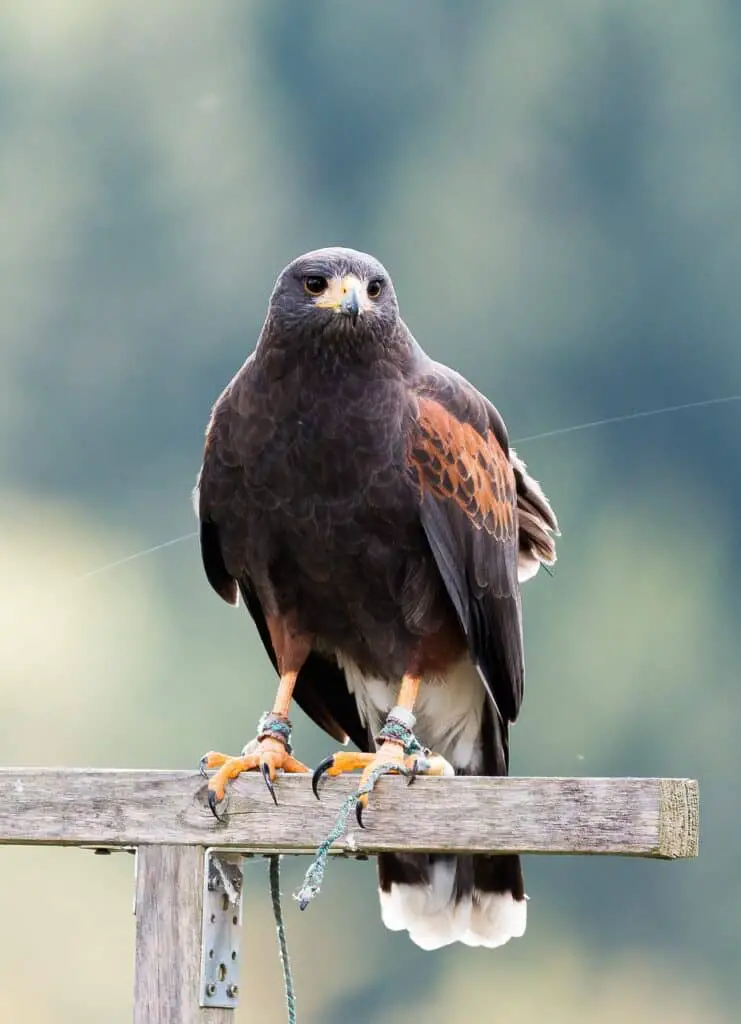
After injury or illness
During the delicate phase of recovery from injury or illness, providing birds of prey with the necessary time and care to heal and regain their strength is imperative. Following an injury or illness, these magnificent birds require extended rest periods to allow their bodies to recover fully. It is crucial to monitor their progress during this time closely, adjusting their diet and environment as needed to support their healing process.
Understanding the natural biological cycles of raptors is also essential in managing their recovery effectively. By respecting their need for rest and recovery after injury or illness, we can ensure they return to full health and strength, ready to soar again.
Monitoring During Rest
Ensuring the well-being of raptors during rest requires vigilant monitoring. As a carnivorous bird of prey, raptor species have specific needs that must be carefully attended to. Observing their behavior and body language is crucial in detecting any potential issues that may arise. Look for signs of proper rest, such as a relaxed posture and normal breathing patterns.
Monitoring their weight and overall condition is also essential in ensuring they are on the path to recovery. By paying close attention to these details, you can ensure that your raptor is receiving the care and attention needed during their resting period, setting them up for a successful return to hunting and flying.
Nutrition for Recovery
As we shift our focus to the aspect of nutrition for the recovery of falconry raptors, it becomes imperative to address the specific dietary requirements crucial for their recuperation. Larger birds, such as falcons and hawks, require a balanced diet tailored for their recovery, ensuring they receive the necessary nutrients to regain strength.
Providing cool water daily is essential to keeping them hydrated during their rest periods, which aids in the healing process. Monitoring their water intake is important to guarantee they are staying adequately hydrated.
Additionally, assisted feeding techniques may be necessary for birds recovering from injury or illness, helping them receive the nutrition they need to recover at their maximum speed. Remember, proper nutrition plays a vital role in the recovery journey of falconry raptors.
Physical Recovery
Navigating the path to recovery for falconry raptors involves a delicate balance of rest and physical rehabilitation. After flights, it’s crucial to allow for natural healing processes to take place. Limiting the bird’s activity is essential to prevent overexertion, aiding in a smoother recovery.
As the bird progresses, gradually reintroducing it to normal routines is key to ensuring a steady and safe return to full strength.
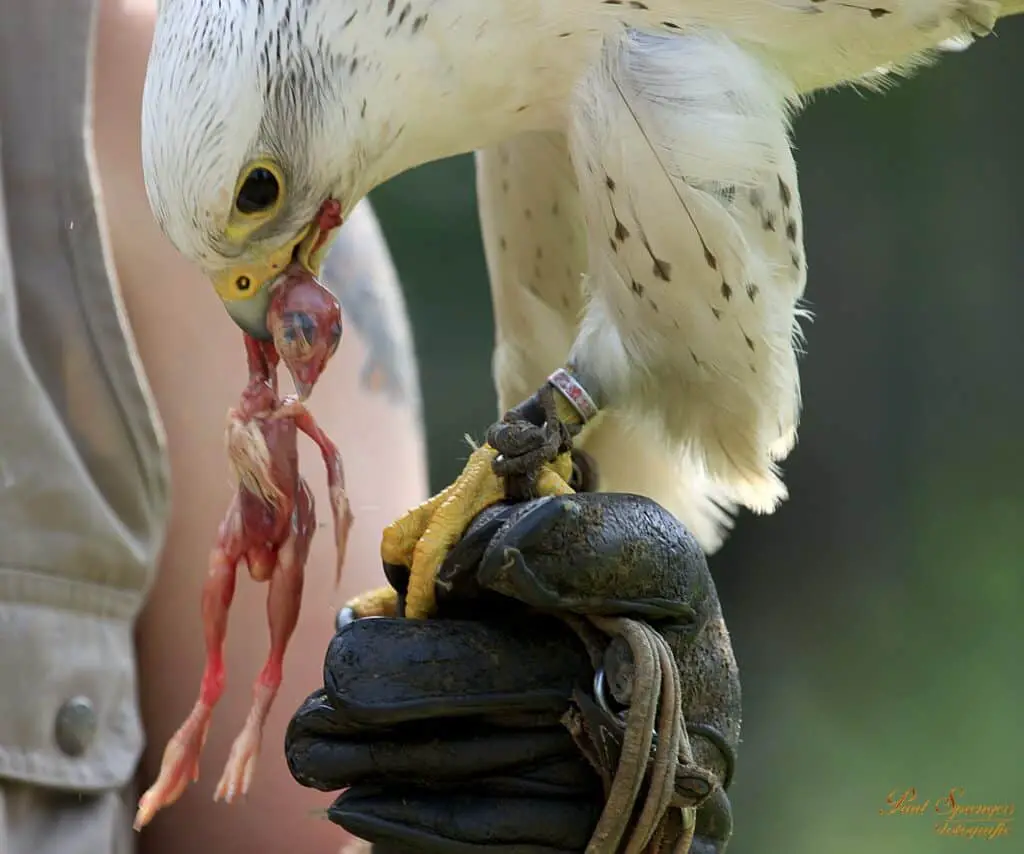
In cases of injuries, considering physiotherapy techniques can be beneficial for the bird’s rehabilitation. By focusing on both rest and appropriate physical care, we can support our feathered companions in their recovery journey, helping them regain their strength and agility while prioritizing their well-being.
Mental Recovery
Mental rejuvenation is equally significant alongside physical healing in supporting falconry raptors through their recovery process. To aid in their mental recovery, reducing stress factors in their environment is crucial, as is providing a calm atmosphere. Balancing rest with minimal stimulation is essential to prevent boredom and promote a healthy mindset.
Creating a peaceful and stress-free space for these magnificent birds enables them to recuperate physically and mentally. Remember, their mental well-being is vital to their overall recovery journey. So, let’s prioritize mental rejuvenation alongside physical healing to ensure our falconry raptors can thrive and return to their natural state of grace and strength.
In conclusion, prioritizing rest and recovery for falconry raptors is crucial for their well-being and success in the sport. We can support their physical and mental rejuvenation by providing a comfortable and secure environment, monitoring their behavior, and offering a balanced diet.
Taking the time to care for our feathered partners in this way ensures they remain healthy, strong, and ready for the next adventure together. Remember, a well-rested raptor is a happy and high-performing one.
Ready to elevate your falconry skills? Discover more about the intricacies of raptor care and explore essential topics like understanding your raptors diet, rehabilitation techniques, and environmental enrichment. Dive deeper into the world of falconry and ensure your raptors are always at their best.
Check Out Our related Topics:
Essential First Aid for Injured Raptors in Falconry
Falconry Raptors at Risk: A Comprehensive Analysis of Health Risks and Management Practices