
For a falconer, the day begins with the first light of dawn, setting the stage for a carefully planned morning ritual that prioritizes the health and well-being of their raptor. By 9:45 AM, food preparation is already underway as falconers thaw a variety of prey items—mice, rats, or even day-old chicks—to provide their birds with the necessary nourishment. But the morning isn’t just about feeding. As the prey thaws, you should conduct a thorough visual health check, examining the bird for signs of illness or injury.
This early attention to detail ensures that the bird is fit for the day’s activities and sets the tone for the rest of the routine. From food preparation to training and environmental maintenance, every step is part of a carefully crafted schedule that strengthens the bond between falconer and bird, ensuring that both are ready for whatever the day brings.
The Morning Ritual
The day of a falconer begins early, typically around sunrise. The first order of business is food preparation, which usually starts around 9:45 AM. This involves thawing out a variety of frozen prey items such as mice, rats, day-old chicks, or pieces of rabbit. The thawing process is crucial to ensure that the food is at the right temperature and consistency for the raptor’s consumption. While the food is thawing, falconers perform their first visual health check of the day. This involves:
- Observing the raptor’s overall demeanor
- Checking for any signs of illness or injury
- Examining feathers for damage or parasites
This initial health check sets the tone for the day and allows the falconer to address any immediate concerns.
Feeding Time:
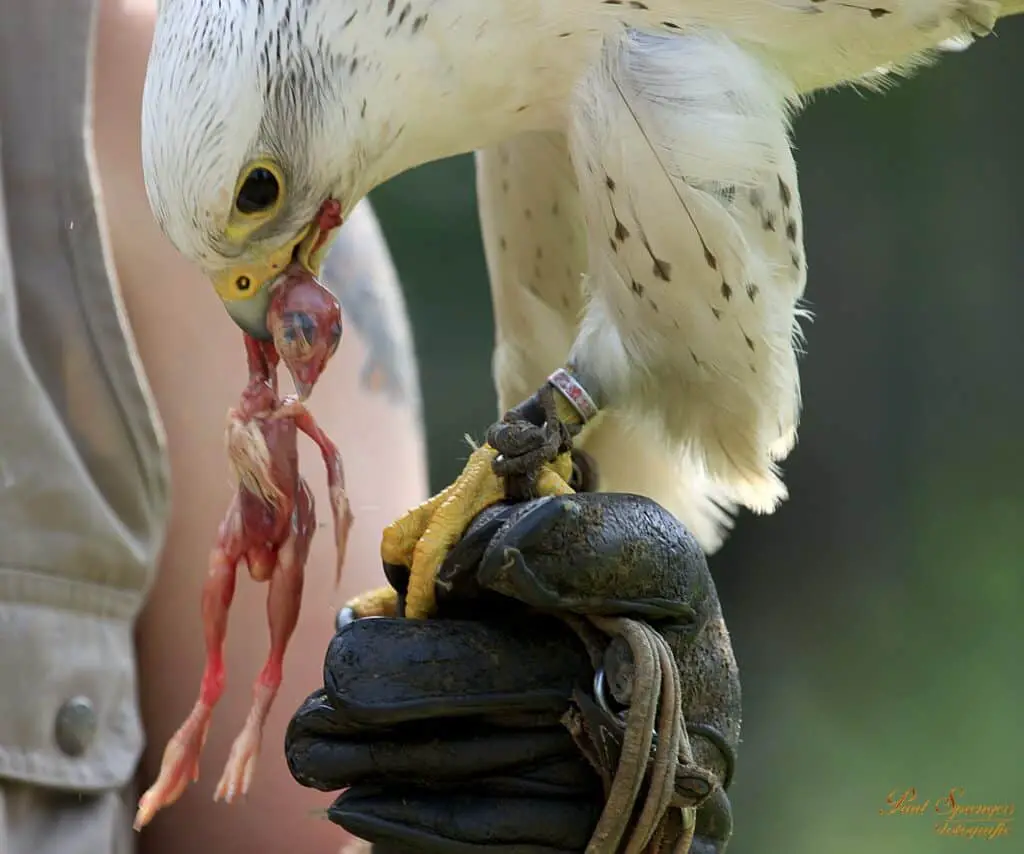
Feeding is perhaps the most critical aspect of daily raptor care. Adult raptors typically eat once a day, but the amount and type of food vary depending on the species and individual bird. Falconers must be meticulous in measuring out appropriate portion sizes to maintain their birds at an optimal weight for hunting.
For larger raptors weighing over 500 grams, the daily food intake should be about 10-12% of their body weight. Smaller raptors under 250 grams may require 20-30% of their body weight in food each day. The diet should consist of a variety of whole prey items, including pigeons, mice, rats, rabbits, or day-old chicks.
Exercise and Training:
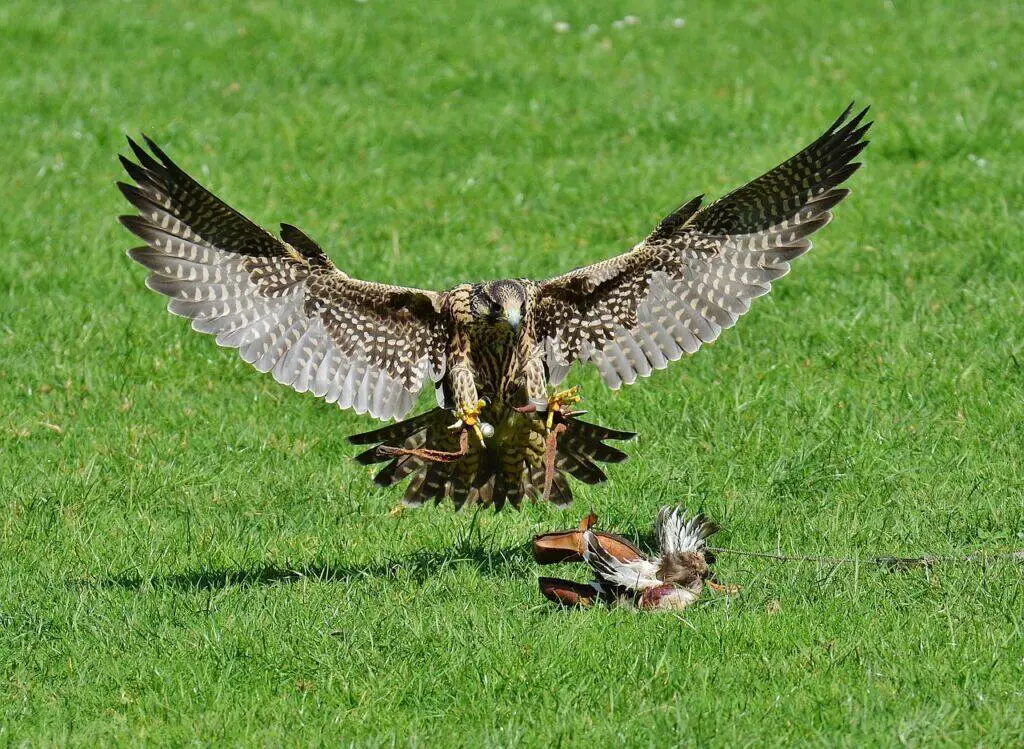
After feeding, the focus shifts to exercise and training. This typically involves flying the bird on a creance (a long line) or allowing free flight in a controlled environment. Regular exercise is crucial for maintaining the raptor’s physical condition and reinforcing the bond between the bird and the falconer. Training sessions are incorporated into the daily routine, focusing on:
- Reinforcing commands
- Improving recall
- Honing hunting skills
The duration and intensity of training vary depending on the bird’s age, experience, and the time of year.
Environmental Maintenance: A Clean Home for a Healthy Bird
Maintaining a clean and hygienic living space for raptors is paramount. Daily cleaning tasks include:
- Removing uneaten food and castings (regurgitated pellets of indigestible material)
- Cleaning and refilling water bowls
- Checking and cleaning perches
- Inspecting the enclosure for any damage or potential hazards
Proper hygiene practices help prevent disease and ensure the raptor’s overall well-being.
Health Monitoring: Vigilance is Key
Throughout the day, falconers must remain alert for any signs of illness or distress in their birds. This includes monitoring food intake, droppings, and behavior. Regular weighing of the raptor is essential to track its condition and adjust feeding accordingly. Falconers should keep a well-stocked first-aid kit on hand for minor health issues. This kit typically includes:
- Wormers for parasites
- Canker tablets
- Topical antibiotics
- Styptic powder for minor cuts
- Mite and lice spray
- Antiseptic spray
However, it’s crucial to note that any serious health concerns should be addressed by a qualified avian veterinarian.
Evening Routine:
As the day comes to a close, falconers perform another visual health check on their birds. For nocturnal species like owls, the evening is when they become more active, making it an ideal time for feeding and interaction. Before retiring for the night, falconers ensure that their raptors are safely and comfortably housed. This includes:
- Checking that the enclosure is secure
- Providing fresh water
- Ensuring the bird has a suitable place to roost
Supplementation and Nutrition: Balancing the Diet
To prevent nutritional deficiencies, falconers often incorporate supplements into their raptors’ diets. Common supplements include:
- Multivitamins
- Calcium
- Phosphorus
- Vitamin D
It’s crucial to use these supplements judiciously and under the guidance of an avian veterinarian to avoid overuse.
Record Keeping: Tracking Progress
Throughout the day, falconers maintain detailed records of their birds’ weight, food intake, behavior, and any health issues or treatments administered. This information is invaluable for tracking the raptor’s progress and identifying any potential problems early on.
Time Commitment: A Day in the Life of a Falconer
The daily care routine for a raptor in falconry typically requires 3-5 hours of dedicated time spread throughout the day. This time commitment can be broken down as follows:
Morning Routine (1-1.5 hours)
- Food Preparation (15-20 minutes)
- Visual Health Check (10-15 minutes)
- Feeding (20-30 minutes)
- Morning Exercise (15-25 minutes)
Midday Tasks (30-45 minutes)
- Environmental Maintenance (20-30 minutes)
- Health Monitoring (10-15 minutes)
Afternoon Activities (1-2 hours)
- Training Session (30-45 minutes)
- Exercise or Free Flight (30-45 minutes)
Evening Routine (45 minutes – 1 hour)
- Evening Health Check (10-15 minutes)
- Feeding (for nocturnal species) (15-20 minutes)
- Secure Housing (10-15 minutes)
- Record Keeping (10-15 minutes)
Additional Weekly Tasks
- Supplement Administration (5-10 minutes, 1-2 times per week)
- Deep Cleaning (1-2 hours, once a week)

It’s important to note that these time frames are approximate and can vary based on experience, efficiency, and the specific needs of the raptor. Moreover, this daily commitment does not include time spent hunting or participating in falconry events, which can add several more hours to the schedule, especially during hunting season.
Conclusion
The daily care of raptors in falconry is a complex and time-consuming process that requires dedication, knowledge, and attention to detail. From feeding and exercise to health monitoring and environmental maintenance, falconers must be prepared to meet the diverse needs of these magnificent birds of prey.
By following a consistent daily routine and remaining vigilant for any changes in their raptors’ health or behavior, falconers can ensure that their birds remain in optimal condition for both hunting and conservation efforts. While the time commitment is substantial, many falconers find the bond they develop with their birds and the thrill of working with these apex predators to be immensely rewarding.
Curious About What It Takes to Be a Falconer?
The daily routine of a falconer is filled with crucial tasks that go beyond just feeding and training. If you’re eager to dive deeper into the intricacies of falconry and learn more about caring for your raptor, explore our other detailed guides on:
Navigating Falconry Permits: A Look at Raptor Possession Regulations