
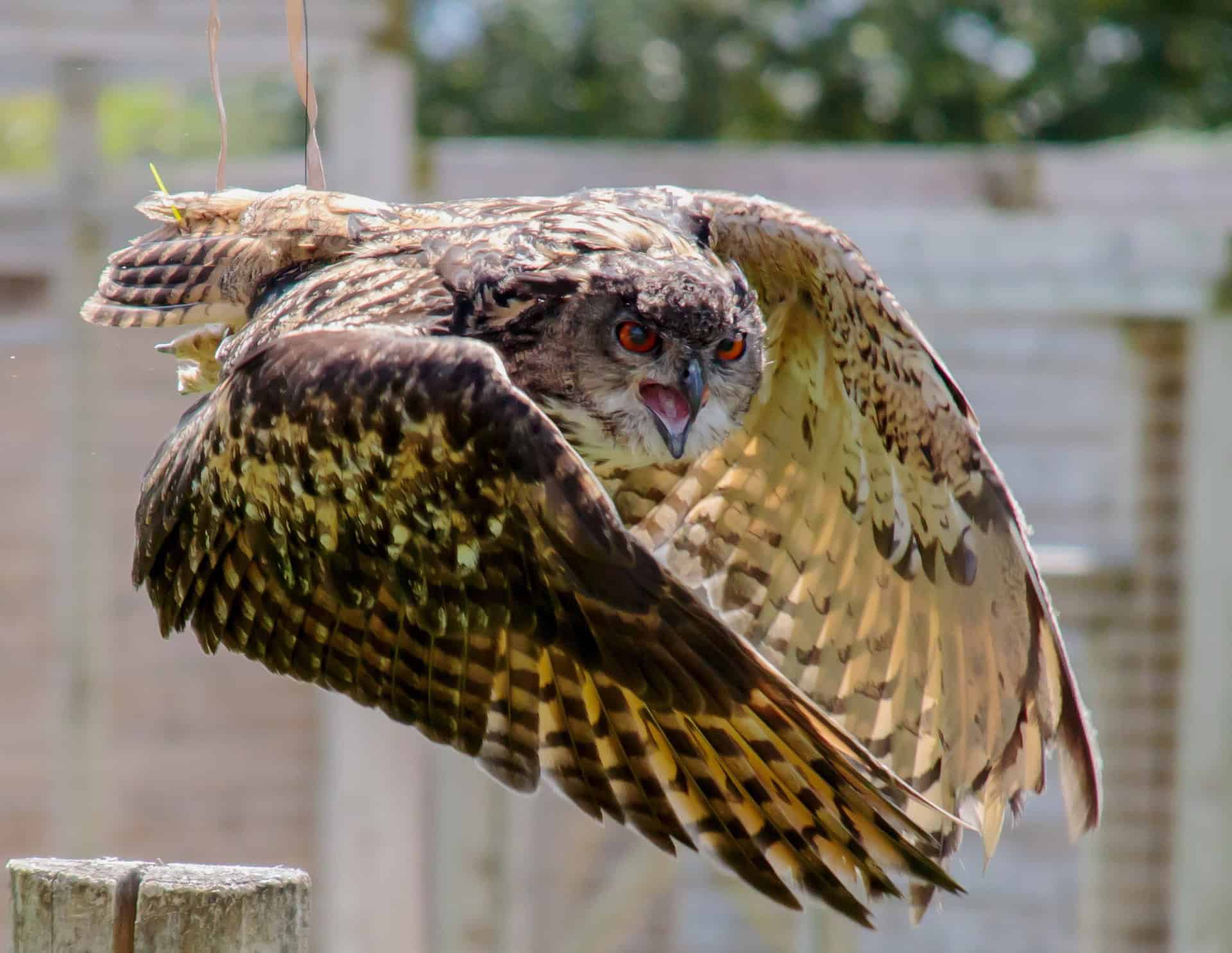
I’ve been training birds of prey for a while now, and let me tell you, they’re incredible creatures. However, there are noticeable behavioural issues among these raptors. But do not worry; below, we will explore effective methods to deal with these issues head-on and even discuss preventative measures to ensure they help you along the way.
What are the common behavioural issues with birds of prey?
Over the years, I’ve noticed that aggression is a common issue among raptors. Managing aggression is vital for the well-being of these amazing creatures. Feather plucking, separation anxiety, territorial aggression, and fear-based behaviour are some signs of aggression in birds of prey.
- Feather plucking occurs when the bird pulls out its feathers, often due to stress or boredom.
- Separation anxiety arises when the bird becomes distressed when separated from its handler or companions.
- Territorial aggression is observed when birds fiercely defend their territory from perceived threats.
- Fear-based behaviour is displayed when the bird reacts aggressively out of fear or perceived danger.

Understanding and addressing these behavioural issues is essential for the overall welfare and successful training of birds of prey.
What causes behavioural issues with birds of prey
Aggression in birds of prey can be caused by various factors, including territorial instincts and fear responses. However, other underlying causes contribute to behavioural issues in these creatures. One of the primary issues is environmental factors. Like any other animals, birds of prey are greatly influenced by their surroundings. If they are exposed to stressful or unnatural environments, it can lead to behavioural problems. Additionally, a lack of socialization can also be a significant factor. Birds of prey need to interact with their kind to learn appropriate behaviours and social skills.
Health issues can also contribute to behavioural issues, as pain or discomfort can make them more irritable or aggressive. Furthermore, inadequate training or handling can lead to behavioural problems. Lastly, there may be a genetic predisposition for certain behavioural issues, as some birds of prey may inherit aggressive tendencies. Understanding the various causes of behavioural issues is essential to promptly address and resolve them in birds of prey.
How to deal with behavioural issues
I rely on effective training techniques and positive reinforcement to address behavioural issues in birds of prey. Training techniques involve using consistent and structured methods to teach birds appropriate behaviours and discourage unwanted ones. Environmental enrichment plays a very crucial role in preventing behavioural issues by providing birds with mental and physical stimulation. This can include providing different types of perches, toys, and foraging opportunities.
Handling and socialization are also important aspects of addressing behavioural issues. Regular interaction with trained handlers and exposure to different environments help birds become more comfortable and less prone to aggression or fear. Behaviour modification techniques can also address specific issues such as aggression or excessive vocalization.
These techniques involve identifying triggers, implementing desensitization and counter-conditioning strategies, and gradually shaping desired behaviours. I often use positive reinforcement methods, such as rewarding desired behaviours with treats or praise, are essential for reinforcing and maintaining appropriate behaviours. Combining these strategies can effectively address behavioural issues in birds of prey and improve their overall well-being.
How to prevent behavioural issues from arising in the first place
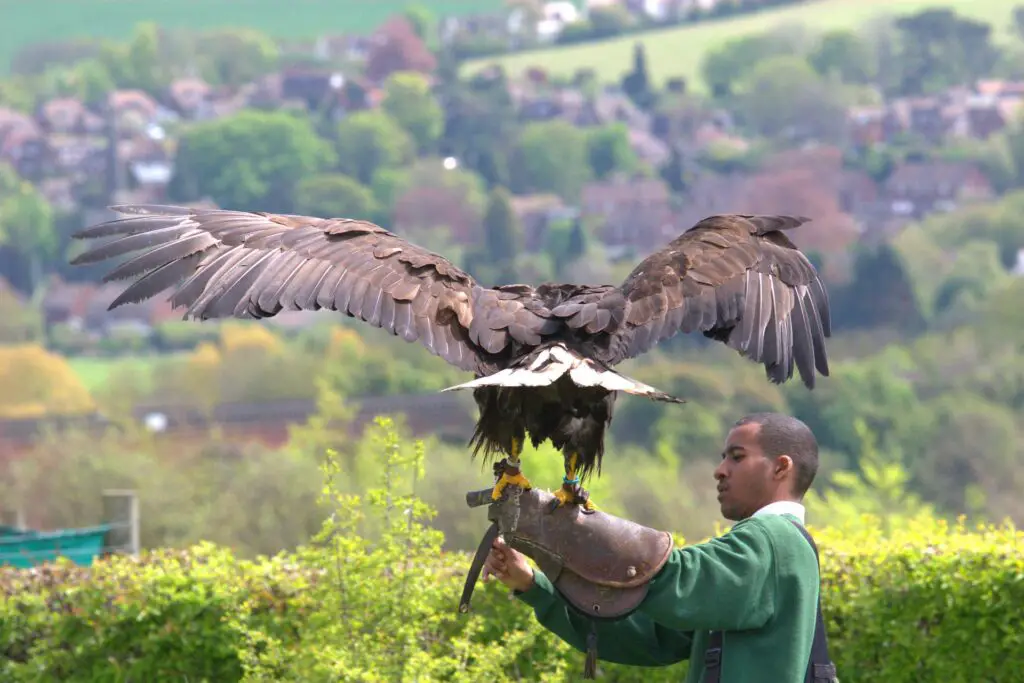
You can effectively prevent behavioural issues in birds of prey through consistent training techniques and positive reinforcement. Begin with creating an enriched environment and follow these four key strategies to prevent these issues from arising in the first place:
- Early socialization: Expose birds of prey to various people, objects, and environments from a young age. This helps them to build confidence and adaptability, reducing the likelihood of fear-based behaviours.
- Environmental enrichment: Provide a stimulating and diverse environment for the birds. This can include perches of different heights and textures, puzzle feeders, and toys. Enrichment activities keep birds mentally engaged, preventing boredom and the development of destructive behaviours.
- Consistent training: Establish a routine that includes regular training sessions to reinforce desired behaviours and discourage unwanted ones. Use positive reinforcement techniques, like rewards and praise, to motivate and shape the bird’s behaviour.
- Proper diet and regular exercise: Ensure birds of prey receive a nutritious diet tailored to their species’ requirements. Regular exercise, such as free-flight or supervised hunting, helps release energy and maintain physical and mental well-being.
In conclusion, addressing behavioral issues among birds of prey requires a proactive approach focusing on understanding the underlying causes and implementing effective solutions. By identifying common behavioral issues such as aggression or anxiety, we can tailor interventions to meet the specific needs of these magnificent creatures. Prevention is key, as providing suitable habitats, appropriate socialization, and regular physical and mental stimulation can help mitigate the emergence of behavioral issues. Ultimately, by nurturing their natural instincts and promoting their well-being, we can ensure the harmonious coexistence of birds of prey and humans.
Frequently Asked Questions
Do Birds of Prey Exhibit Aggression Towards Humans?
- Birds of prey can exhibit aggression towards humans due to fear responses, prey drive, or lack of socialization. Understanding their behaviour is crucial. Positive reinforcement techniques and appropriate socialization methods can help mitigate aggression and promote safer human interaction.
Can Behavioral Issues in Birds of Prey Be a Result of Their Natural Instincts?
- Yes, behavioural issues in birds of prey can be influenced by their natural instincts. Genetic predisposition, socialization techniques, prey drive management, environmental enrichment, and reinforcement-based training are all important factors in addressing these issues.
Are There Any Specific Environmental Factors That Contribute to Behavioral Issues in Birds of Prey?
- Environmental factors, such as lack of space, limited socialization opportunities, and inadequate enrichment activities, can contribute to behavioural issues in birds of prey.
Are There Any Effective Training Techniques to Modify the Behavior of Birds of Prey?
- There are effective training techniques to modify the behaviour of birds of prey, such as positive reinforcement, operant conditioning, counter conditioning, desensitization, and behaviour modification. These methods can help improve their behaviour and address any behavioural issues.
Do Certain Species of Birds of Prey Tend to Have More Behavioral Issues Than Others?
- Certain species of birds of prey may exhibit more behavioural issues than others due to genetic predisposition, species-specific challenges, the impact of captivity, and the role of diet and nutrition. Socialization techniques can help address these issues.
Check Out Our Related Articles below:
Problem-Solving Training with Birds of Prey: Unlocking Your Raptor’s Cognitive Potential
The Art of Hood Training: A Falconer’s Guide to Building Trust and Calm