
As an aspiring falconer, you may have heard about the time commitment required to excel in this ancient art form. The intricate dance between falconer and raptor demands not just hours but years of dedication. From the moment you take on the role of apprentice to the daily rituals of caring for your feathered companion, every aspect of falconry demands your attention.
But what exactly does this time investment entail, and how can you navigate the delicate balance between falconry and the rest of your life? In this guide, we’ll explore the nuances of time management in falconry, offering insights to help you navigate this unique journey.
Falconry Training Time Commitment
When embarking on the journey to become a falconer, understanding the time commitment required for falconry training is crucial. As an aspiring apprentice falconer, the commitment of time needed to progress from novice to licensed falconer and then master falconer is substantial. Falconry training demands dedication and perseverance.
The two-year apprenticeship period is just the beginning. Time spent under the wing of a licensed falconer is invaluable. Learning the intricacies of caring for and training raptors requires daily attention and practice.

From building the Hawk house to passing inspections, every step demands meticulous effort and time. Additionally, studying for the written examination conducted by Mass Fisheries & Wildlife necessitates hours of preparation. Becoming a licensed falconer is not a task to be taken lightly; it requires a genuine commitment of time, energy, and passion. The journey to mastery in falconry is a rewarding but time-intensive endeavor that will shape you into a skilled and knowledgeable falconer.
Daily Care and Maintenance
When it comes to the daily care and maintenance of raptors in falconry, a significant amount of time and attention is required on a daily basis. Here’s a breakdown of the daily time commitment for key tasks:
| Task | Time Required |
| Feeding and providing fresh water | 30 minutes |
| Cleaning and maintaining equipment | 15 minutes |
| Monitoring the health of the raptor | 10 minutes |
| Training sessions and exercise | 1 hour |
| General observation and interaction | 30 minutes |
| Total | 2 hours 25 minutes |
These estimates serve as a general guideline and can vary depending on the specific needs and behavior of the raptor. Daily care and maintenance are crucial for ensuring the well-being and development of the raptor, and it requires a consistent commitment of time and effort. By dedicating the necessary time each day, falconers can forge a strong bond with their raptors and help them thrive in their falconry journey.
Training and Hunting Time Requirements
Excelling in falconry requires mastering the balance between training techniques and effective time management for hunting. Falconry training demands a significant time commitment. Beginning with hands-on training, you must dedicate hours to working with your bird, building trust, and honing essential skills. Practical experience is key, as it strengthens your bond with your raptor and improves your understanding of its behavior.
Hunting time is equally important. It involves scouting, planning hunts, and actively hunting with your bird. This process requires patience, dedication, and a deep understanding of your bird’s abilities. Balancing training and hunting time is vital for success as a falconer.
Through consistent practice and experience, you will become proficient in this ancient art. The more time you dedicate to training and hunting, the stronger your partnership with your bird will become.
Time Breakdown Table
| Activity | Time Requirement | Purpose |
| Training Time | 2–3 hours per day | Building trust, honing skills, and developing a strong bond with the bird |
| Hunting Time | 3–5 hours per session | Scouting, planning, and executing hunts with patience and precision |
| Travel Time | 1–2 hours per trip | Traveling to suitable hunting grounds or training locations |
| Rest Periods | 10–15 minutes | Giving the birds time to cool down before attempting a hunt or training |
This table serves as a guideline to help manage your time effectively and maintain a successful falconry practice.

Long-term Dedication
Falconry demands a deep and enduring commitment fueled by steadfast passion and relentless perseverance. Falconry is not merely a hobby; it demands a deep-rooted falconry commitment that withstands challenges and evolves over time. Your time and dedication to this ancient art form go beyond the initial training and hunting stages. Long-term devotion to falconry involves continuous learning, adapting to your bird’s needs, and honing your skills.
Falconry passion will drive your enduring commitment as you navigate the complexities of caring for a raptor and building a lasting bond with your bird. The journey of a falconer is marked by milestones and setbacks, requiring resilience and unwavering dedication to overcome obstacles. Your falconry commitment will be tested, but your enduring commitment will be rewarded with a profound connection to nature and a sense of accomplishment that only true falconers can understand.
Balancing Falconry With Daily Life
Balancing falconry with your daily life requires meticulous planning and dedication. If you’re considering taking up falconry, you must be prepared to integrate this rewarding but time-consuming pursuit into your everyday routine. Managing your time effectively is crucial to ensure that both your falconry practice and your other commitments receive the attention they deserve.
To help you visualize how to balance falconry with your daily life, consider the following table as a rough guide:
| Task | Time Required | Daily Routine Impact |
| Falconry training | 2-3 hours per day | Moderate |
| Bird care | 1 hour per day | Minimal |
| Equipment maintenance | 15 minutes per day | Minimal |
| Hunting expeditions | 4-6 hours per outing | Significant |
| Educational reading | 30 minutes per day | Minimal |
Legal and Educational Commitments
When integrating falconry into your daily life, it’s crucial to understand the legal and educational commitments that come with this ancient art. To practice falconry legally, you will need to obtain a falconry license, which involves meeting specific legal requirements set by federal regulations.
This process also includes completing an apprenticeship period under the guidance of an experienced falconer to ensure you are well-prepared for the responsibilities involved. Additionally, having access to suitable land for training and hunting is essential for practicing falconry safely and effectively.
Ensuring that you are well-versed in the legal aspects of falconry and fulfilling the educational requirements will help you comply with regulations and deepen your understanding and appreciation of this time-honored tradition. By taking the necessary steps to meet these commitments, you will be better equipped to embark on your falconry journey with confidence and respect for the art and the birds of prey involved.
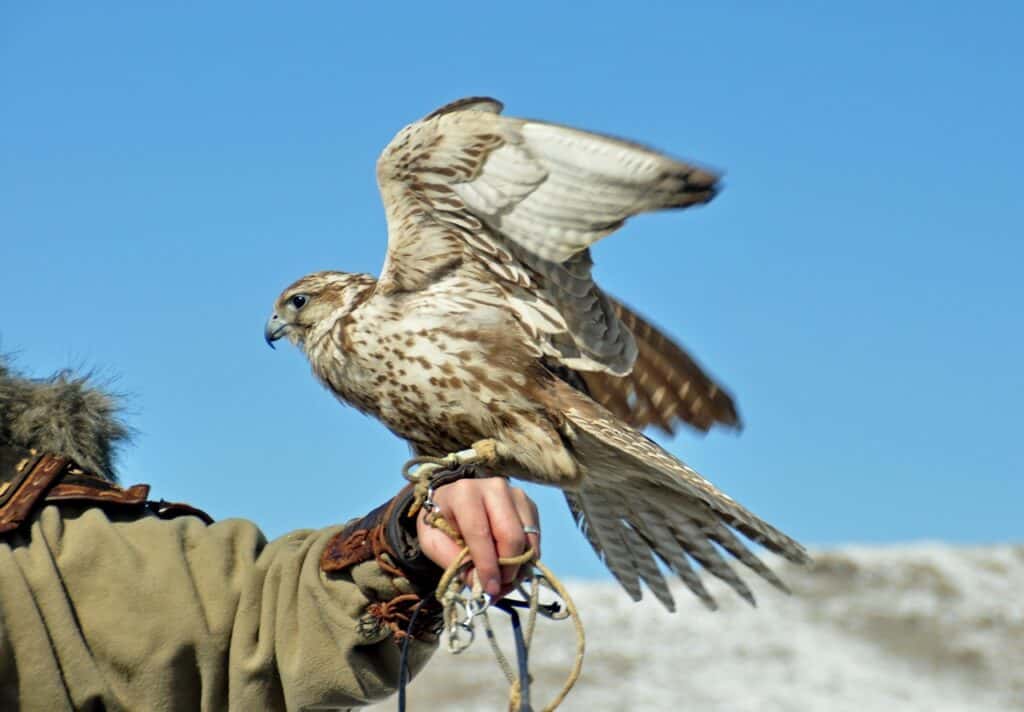
Time Management Tips for Falconers
Effective time management is paramount to successfully navigating the demanding commitments of falconry. Balancing falconry with other commitments requires careful planning and dedication. Creating a structured falconry schedule can help you manage the time commitment for falconry alongside work, family, and personal obligations. Allocate specific times for training sessions, hunting outings, and caring for your bird to ensure a consistent routine.
As a falconer, managing time efficiently is crucial to the well-being of your bird and your own development in the sport. Prioritize tasks based on their importance and urgency, setting realistic goals to avoid feeling overwhelmed. Consider delegating certain responsibilities to others when necessary to free up time for essential falconry duties. Remember to factor in travel time, weather conditions, and unforeseen circumstances when planning your falconry activities.
Conclusion
In conclusion, aspiring falconers must understand the immense time investment required to succeed in this ancient art. From the rigorous training schedule to daily care and hunting activities, falconry demands unwavering dedication and commitment.
Ready to Dive Deeper into Falconry?
If you’re seriously considering becoming a falconer, the time commitment is just one part of the journey. There’s a world of techniques, regulations, and skills to explore. Stay ahead of the curve by learning more about the intricacies of falconry training, legal requirements, and how to balance your passion with daily life.
Check Out Our Related Articles below:
The Ultimate Guide to Falconry Hunting: Techniques and Styles
Comprehensive Health and Monitoring Guide for Captive Raptors in Falconry
Unleashing Potential: Types of Training for Falconry Raptors

FAQS
How much time should I dedicate to falconry on a daily basis?
- The amount of time dedicated to falconry may vary depending on your personal schedule and the needs of your bird. Generally, training sessions can take 2-3 hours per day, while caring for your bird may require an additional hour. Hunting expeditions can take up to 6 hours per outing.
Do I need a license to practice falconry?
- Yes, you will need to obtain a falconry license from the U.S. Fish & Wildlife Service and follow state-specific regulations.
Can I balance falconry with other commitments like work and family?
- Yes, with effective time management and dedication, balancing falconry with other commitments is possible. However, it requires careful planning and prioritization.
How can I learn more about falconry techniques and regulations?
- You can continue your education by reading educational materials, joining local falconry clubs, and seeking guidance from experienced falconers. It’s important to regularly review federal regulations and stay updated on any changes or new laws in your state.