
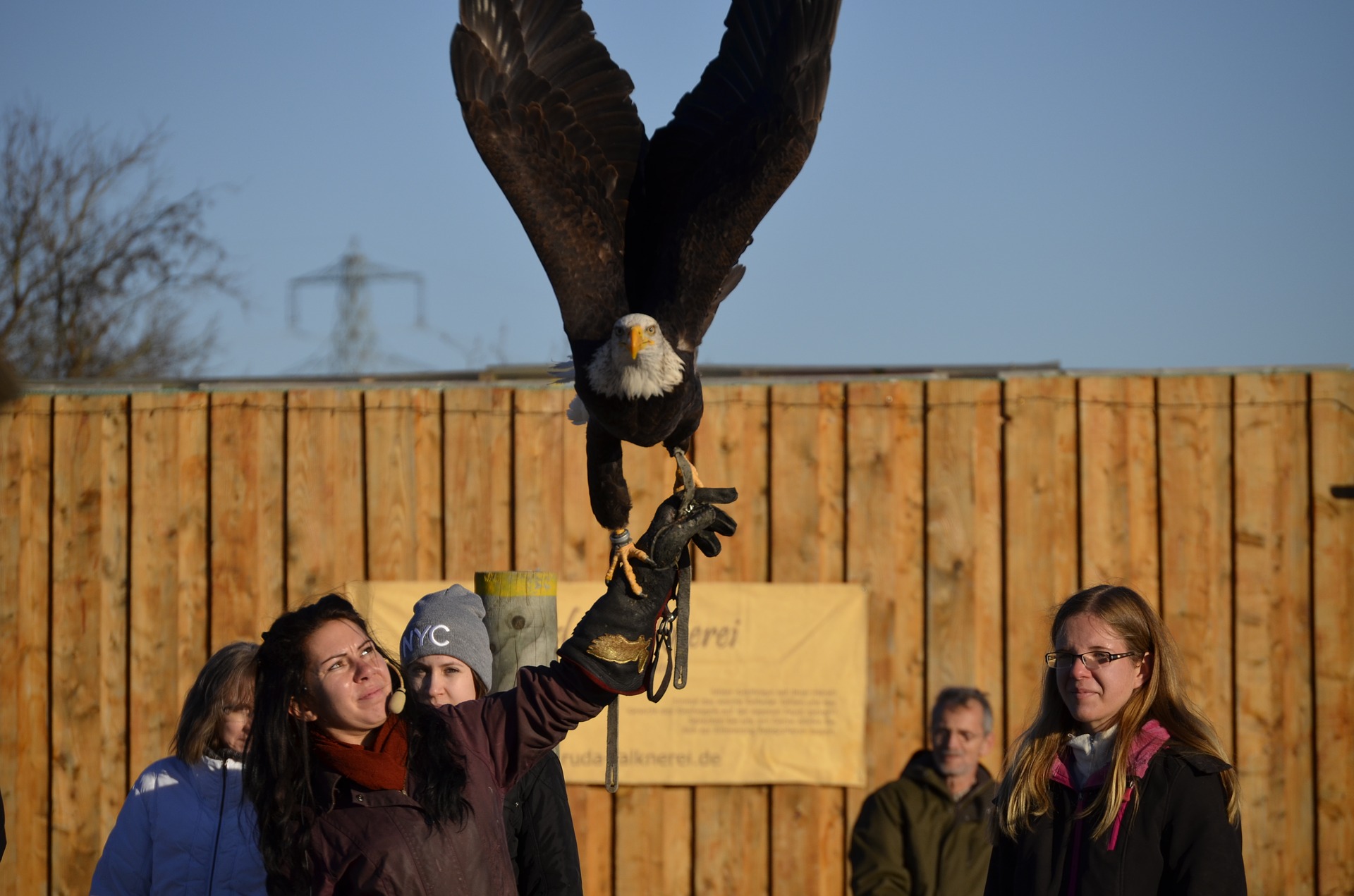
Building a bond with your bird is the most important aspect of a falconer’s success in training and hunting with their bird of prey. Many things contribute to this, but my best advice is just to spend time together. In this guide, you will learn the steps I took to bond with my raptors, and hopefully, they will prevent some mistakes that I made in my journey.
Relationship building with birds of prey
To build a strong relationship with your bird, you should start by spending consistent and quality time together each day. Trust building is crucial, so be sure to use positive reinforcement training techniques to establish a bond based on trust and respect. This involves using communication signals such as hand gestures and verbal cues to convey my intentions and expectations.
I also found that a consistent feeding routine will help to develop a sense of reliability and security in the bird. Enrichment activities are also essential to keep raptors mentally stimulated and happy. Regular handling and physical contact, done gently and with care, help build a sense of comfort and familiarity.
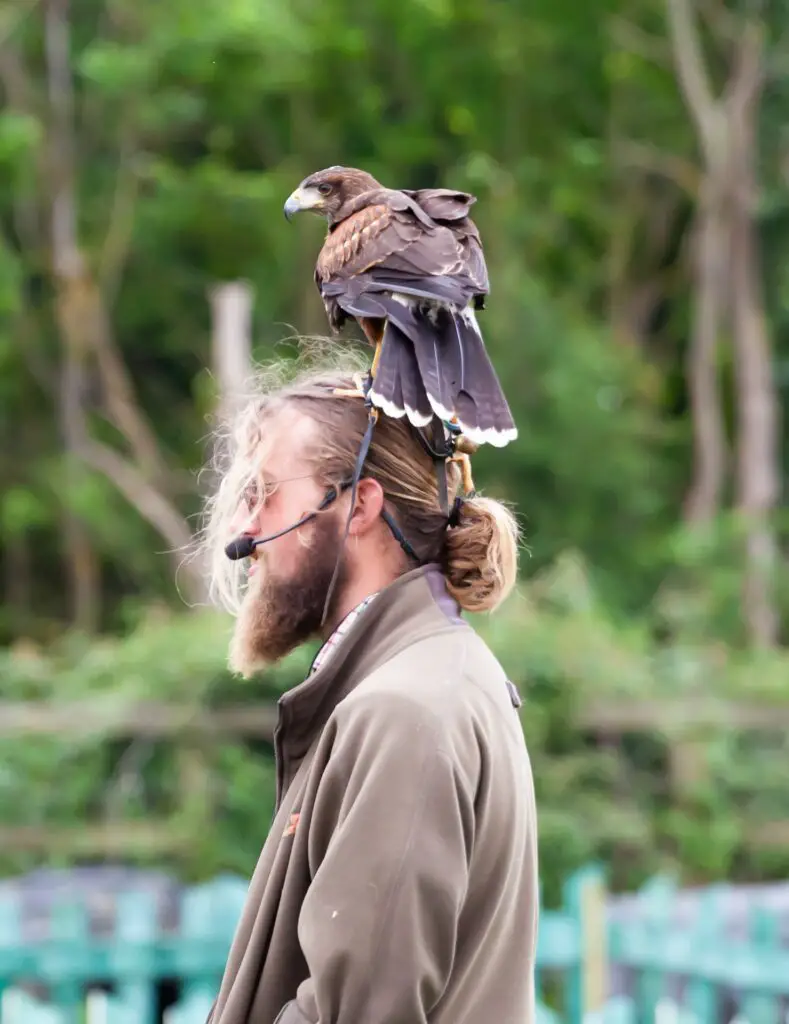
How to bond with your bird
Building a bond with birds of prey involves consistent and positive interaction. I’ve used various trust-building techniques and effective communication strategies to develop a strong relationship. Here are some key steps to bond with your bird:
Trust building: Spend time near your bird, allowing it to observe you without feeling threatened. Offer treats and rewards to foster trust.
Communication techniques: Use a calm and soothing voice to communicate with your bird. Pay attention to its body language and respond accordingly.
Training strategies: Begin with simple commands and reward-based training. Gradually increase the difficulty and reinforce positive behaviors for any type of training.
Socialization process: Introduce your bird to different environments, people, and animals to help it become comfortable and adaptable.
Creating a secure environment: Provide a spacious and enriched living space, ensuring safety from potential dangers.
Establishing a routine: Birds thrive on consistency, so establish a predictable daily routine to create a sense of security.
What is the most important thing when bonding with your bird?
Consistency in positive interactions is the key to bonding with your bird of prey. Trust building is crucial in establishing a strong bond. By consistently interacting with your bird in a positive and respectful manner, you can earn their trust over time. Understanding their body language is also essential. Birds of prey communicate through subtle movements and gestures, so being able to interpret these cues will help you build a deeper connection. Mutual respect is another vital aspect of bonding. Treat your bird with kindness and respect their boundaries. Bonding can also be strengthened through training sessions, where you can work together towards a common goal.

How long does it take to build a relationship with a raptor?
Developing a relationship with a raptor takes time and consistent effort. This can take months or even years. It’s important to understand raptor behaviour and establish trust in order to build a strong bond. Consistency in training is vital, as it helps the raptor feel secure and understand what’s expected of them.
Patience is crucial, as every raptor is unique and may require different amounts of time to fully trust and connect with their handler. Building a routine is also important, as it allows the raptor to feel comfortable and know what to expect. Lastly, creating a safe environment is essential for the raptor’s well-being and the relationship’s success.
What role does positive reinforcement play while bonding with your raptor
Positive reinforcement plays a vital role in cultivating a strong bond with my raptor and in cultivating a strong bond in our relationship. Training techniques that focus on reward-based methods are essential for building trust and laying a solid foundation. Consistency in interaction is key, as it helps the raptor understand what’s expected of them and reinforces their desired behaviors.
By using positive reinforcement, you can effectively communicate with your bird and motivate them to engage in desired actions. Understanding their individual needs is also crucial, as each raptor is unique and may respond differently to various training methods. I’ve noticed that utilizing positive reinforcement techniques will create a positive and enjoyable learning environment for the bird, strengthening your bond and communication.
Building a strong relationship with your bird of prey requires patience, consistency, and positive reinforcement. Establishing trust and a bond with your raptor may take time, but the effort is well worth it. You can create a lasting and deep connection with your feathered companion by understanding their needs, providing proper care, and using positive reinforcement techniques.
Frequently Asked Questions
What Are Some Common Mistakes to Avoid When Building a Relationship With a Bird of Prey?
- When building a relationship with a bird of prey, common mistakes to avoid include mistreating the bird, not focusing on building trust, using incorrect training techniques, and missing out on healthy signs of a strong relationship.
Can Birds of Prey Be Trained to Interact With Other Animals?
- Yes, birds of prey can be trained to interact with other animals. Introducing them to domestic pets can help socialize them. They can also coexist with small farm animals and even form bonds with non-predatory animals. However, there are challenges and precautions that need to be taken into consideration.
How Do You Establish Trust With a Bird of Prey That Has Been Previously Mistreated or Neglected?
- Patience and consistency are key to establishing trust with a previously mistreated or neglected bird of prey. Using positive reinforcement, creating a safe environment, bonding through training, gradual desensitization, and seeking professional help can all aid in overcoming past trauma.
Are There Any Specific Training Techniques or Exercises That Can Help Strengthen the Bond Between a Bird of Prey and Its Owner?
- Positive reinforcement, flying exercises, tethering techniques, socialization opportunities, enrichment activities, and trust-building exercises are all essential for strengthening the bond between a bird of prey and its owner. These methods promote trust, communication, and mutual understanding.
Check Out Our Related Articles below: