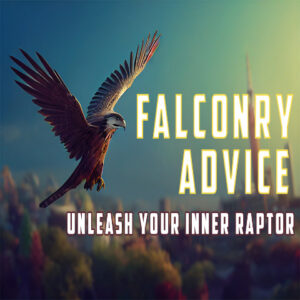
Falconry is a way of life that demands unwavering dedication, patience, and a profound connection with nature. This centuries-old practice requires a level of commitment that few other pursuits can match, often spanning decades and becoming a defining aspect of a falconer’s identity.
Time Investment
The most significant aspect of falconry’s long-term dedication is the sheer amount of time required. I’ve had to devote a substantial portion of my daily life to my avian partners. At a minimum, I spend at least one hour of full daylight every single day on falconry-related activities. This daily commitment is non-negotiable, as raptors cannot simply be stored away like other hunting equipment when not in use.
During the hunting season, the time commitment intensifies dramatically. I often need to hunt three to six times a week, adhering to my hawk’s schedule rather than my own. This means being available during optimal hunting times, which often coincide with early mornings or late afternoons when prey is most active.

Year-Round Responsibilities
My dedication extends far beyond the hunting season. My raptors demand year-round care, including:
- Daily Husbandry: I provide fresh food and water, clean living quarters, and perform health checks every day, regardless of weather conditions or personal commitments.
- Training and Conditioning: Maintaining my raptor’s hunting skills and physical fitness is ongoing. I spend countless hours working with my birds, reinforcing commands, and honing our partnership.
- Facility Maintenance: Proper housing for raptors, including mews and weathering areas, requires regular upkeep and occasional repairs to ensure the bird’s safety and comfort.
Emotional Investment
The bond between me and my birds is unique and profound. Unlike traditional pets, raptors do not offer affection in return for care. As I often say, “The true measure of a falconer is how much pain they can take,” referring to both physical and emotional challenges. This one-sided emotional investment requires a special dedication that finds fulfillment in the bird’s well-being and hunting success rather than reciprocated affection.
Continuous Learning
Falconry is an art that I’ve never truly mastered. My long-term dedication to this practice involves a lifelong commitment to learning and improvement. I must:
- Stay Informed: Keeping up with the latest research on raptor biology, behavior, and conservation is crucial for providing the best care possible.
- Refine Techniques: I continually work to improve my training methods and hunting strategies, adapting to new environments and challenges.
- Mentor Others: As an experienced falconer, I’ve taken on the responsibility of mentoring apprentices, passing on my knowledge, and ensuring the continuation of this ancient art.
Legal and Ethical Obligations
The practice of falconry comes with significant legal and ethical responsibilities that require long-term commitment:
- Licensing and Permits: I must obtain and maintain the necessary licenses and permits, which often involve ongoing education and periodic renewals.
- Conservation Efforts: I actively participate in raptor conservation projects, contributing my expertise to breeding programs and rehabilitation efforts.
- Ethical Hunting: Adhering to strict ethical standards in hunting practices is a cornerstone of my falconry practice, requiring constant vigilance and self-reflection.
Financial Commitment
The financial aspect of falconry also demands long-term dedication. I’ve had to be prepared for ongoing expenses, including:
- Food: Providing a natural, whole-animal diet for my raptors is essential and can be costly.
- Equipment: Specialized gear such as jesses, hoods, telemetry devices, and hunting equipment requires regular replacement and upgrades.
- Veterinary Care: Regular check-ups and potential emergency care for my raptors can be a significant expense.

Lifestyle Adaptation
Perhaps the most profound aspect of my long-term dedication to falconry is the way it has shaped my entire lifestyle. I often find myself:
- Planning Vacations: Around my bird’s molting and hunting seasons.
- Choosing Residences: Based on proximity to suitable hunting grounds and local falconry regulations.
- Structuring Daily Routines: To accommodate my raptor’s needs, often rising before dawn and adjusting work schedules.
Conclusion
Falconry is not merely a hobby but a vocation that demands extraordinary dedication. It requires a lifelong commitment to learning, a willingness to adapt one’s lifestyle, and an unwavering passion for the well-being of these magnificent birds of prey. The long-term dedication required in falconry is not for everyone, but for those who embrace it, like me, it offers a uniquely rewarding partnership with nature that few other pursuits can match.
Curious About Falconry?
Falconry is more than just a skill—it’s a way of life that requires patience, dedication, and a deep respect for nature. If you’ve ever wondered what it takes to work with these incredible birds, there’s so much more to learn.
Check Out Our Related Articles below: