
Falconry is an ancient art that demands dedication, patience, and a significant time commitment. Understanding the time investment required for training and hunting is crucial for those considering this unique pursuit. This article will provide an overview of the typical schedule a falconer can expect, from initial training to regular hunting excursions.
Training Schedule
Manning and Initial Training
The first stage of falconry training, known as manning, involves acclimating the bird to human presence and handling. This process can take several weeks and requires consistent daily effort. Daily Time Commitment: 30 minutes to 1 hour. During this period, falconers should expect to spend time with their birds multiple times throughout the day. Short, frequent sessions are often more effective than longer, less frequent ones. Activities include:
- Sitting with the bird while it’s on the glove
- Gradually introducing new stimuli (e.g., different environments, sounds)
- Basic obedience training
Obedience and Recall Training
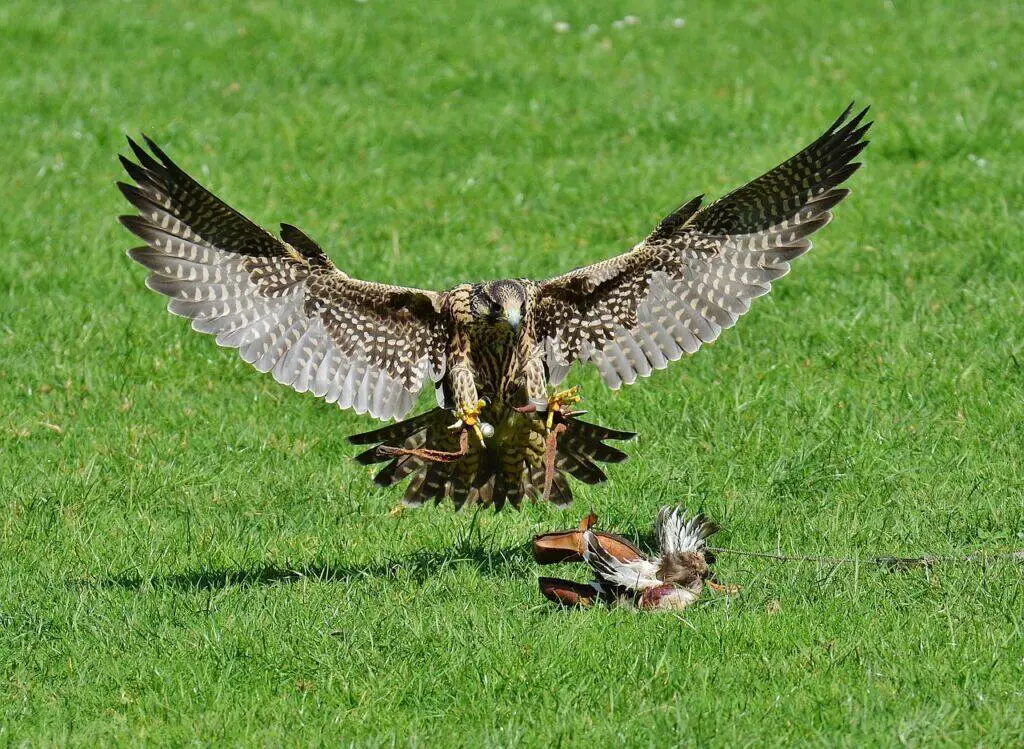
Once the bird is comfortable with human presence, the falconer moves on to more intensive training, focusing on obedience and recall. Daily Time Commitment: 45 minutes to 1 hour. This stage typically lasts about three weeks and involves:
- Lure training
- Flying the bird on a creance (long line)
- Gradually increasing the distance of recalls
Fitness Training
As the bird’s obedience improves, the focus shifts to building its fitness for hunting. Daily Time Commitment: 1 to 2 hours. This phase can last several weeks and includes:
- Free-flying sessions
- Simulated hunting scenarios
- Gradually increasing flight duration and complexity
Hunting Schedule
Once the bird is trained and fit, the falconer can begin regular hunting excursions. The time commitment for hunting can vary significantly based on factors such as location, quarry, and the bird’s experience level.
Preparation Time
Time Commitment: 30 minutes to 1 hour. Before each hunt, falconers need to:
- Check and prepare equipment
- Ensure the bird is at its ideal hunting weight
- Pack necessary supplies (e.g., food rewards, first aid kit)
Travel Time
Time Commitment: Varies (typically 30 minutes to 2 hours round trip). Travel time can significantly impact a falconer’s schedule. Factors to consider include:
- Distance to suitable hunting grounds
- Traffic conditions
- Accessibility of the hunting area
Many falconers report spending 40 minutes to an hour each way traveling to their preferred hunting locations.

Hunting Duration
Time Commitment: 1 to 2 hours per session. The actual hunting time can vary greatly depending on:
- The bird’s species and hunting style
- Type of quarry being pursued
- Weather conditions
- Luck
Some hunts may conclude quickly if the bird is successfully caught early on, while others may extend for several hours. Falconers should be prepared for both scenarios.
Post-Hunt Care
Time Commitment: 30 minutes to 1 hour. After the hunt, falconers need to:
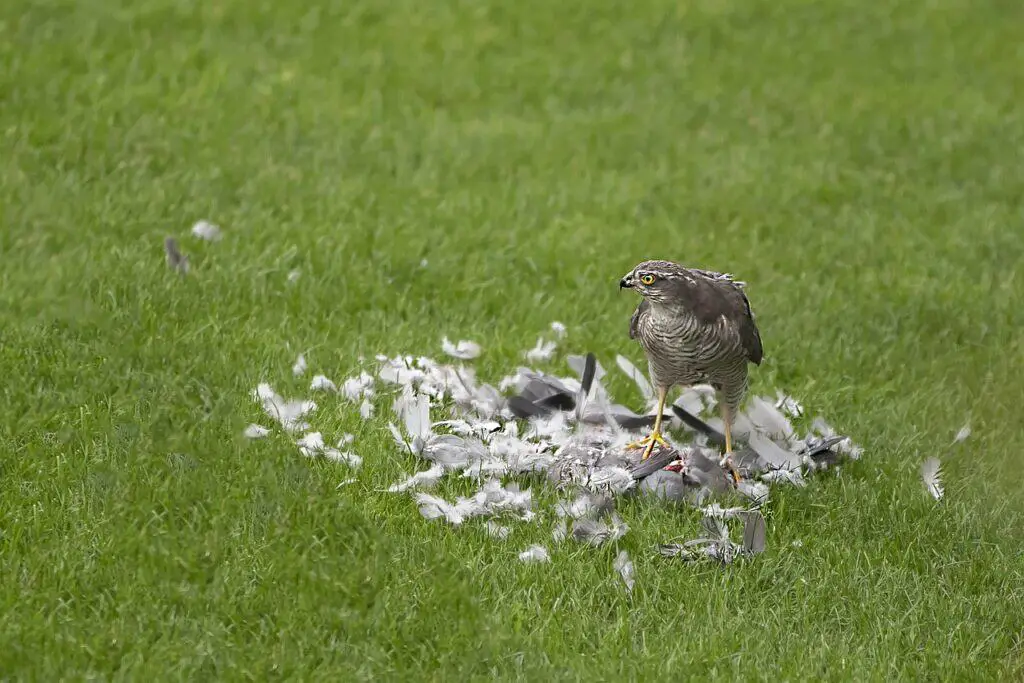
- Feed the bird if it has made a catch
- Check for any injuries or issues
- Clean and store equipment
Overall Time Commitment
When all aspects of falconry are considered, falconers should expect to dedicate significant time to their birds daily.
Minimum Daily Time Commitment: 30 minutes to 1 hour
This includes basic care tasks such as feeding, cleaning, and equipment maintenance. However, this is truly the bare minimum and does not account for training or hunting activities.
Realistic Daily Time Commitment (Including Training or Hunting): 2 to 4 hours
Most experienced falconers recommend setting aside at least one to two hours per day for falconry-related activities, with additional time on hunting days. This time commitment can increase significantly during the initial training period or when working with more challenging bird species.
Frequency of Hunting
The frequency of hunting outings can vary based on several factors:
- Bird species: Smaller raptors may be flown twice daily, while larger birds with slower metabolisms might only hunt once or twice a week.
- Catch success: If a bird makes a large catch, it may not be ready to fly again for several days.
- Falconer’s schedule: Work and other commitments often dictate hunting frequency.
Ideally, falconers should aim to fly their birds at least four to five times a week to maintain fitness and hunting skills.
Seasonal Considerations
Falconry is not just a weekend hobby; it’s a year-round commitment. The time investment can vary seasonally:
- Molting Season: During the bird’s annual molt, typically in spring and early summer, hunting activities decrease, but care and maintenance time may increase.
- Hunting Season: Fall and winter often see increased hunting activity, requiring more time for outings and preparation.
- Off-Season: Falconers must maintain their birds’ fitness and training even when not actively hunting.
Conclusion
Falconry is a demanding yet rewarding lifestyle that requires daily time and dedication. From training and hunting to bird care, prospective falconers must commit several hours each day. It’s not just a hobby but a passionate pursuit that forges a unique bond with a bird of prey. Those willing to adapt their schedule will find the experience deeply fulfilling.
Ready to Dive Deeper Into the World of Falconry?
Understanding the time commitment for training, hunting, and bird care is just the beginning. If you’re passionate about falconry and want to learn more about advanced techniques, seasonal considerations, or the best practices for working with different species, explore our other in-depth articles below:
Falconry: A Lifelong Commitment to an Ancient Art
The Lifelong Commitment of Falconry: Structuring Your Life Around Your Raptor