
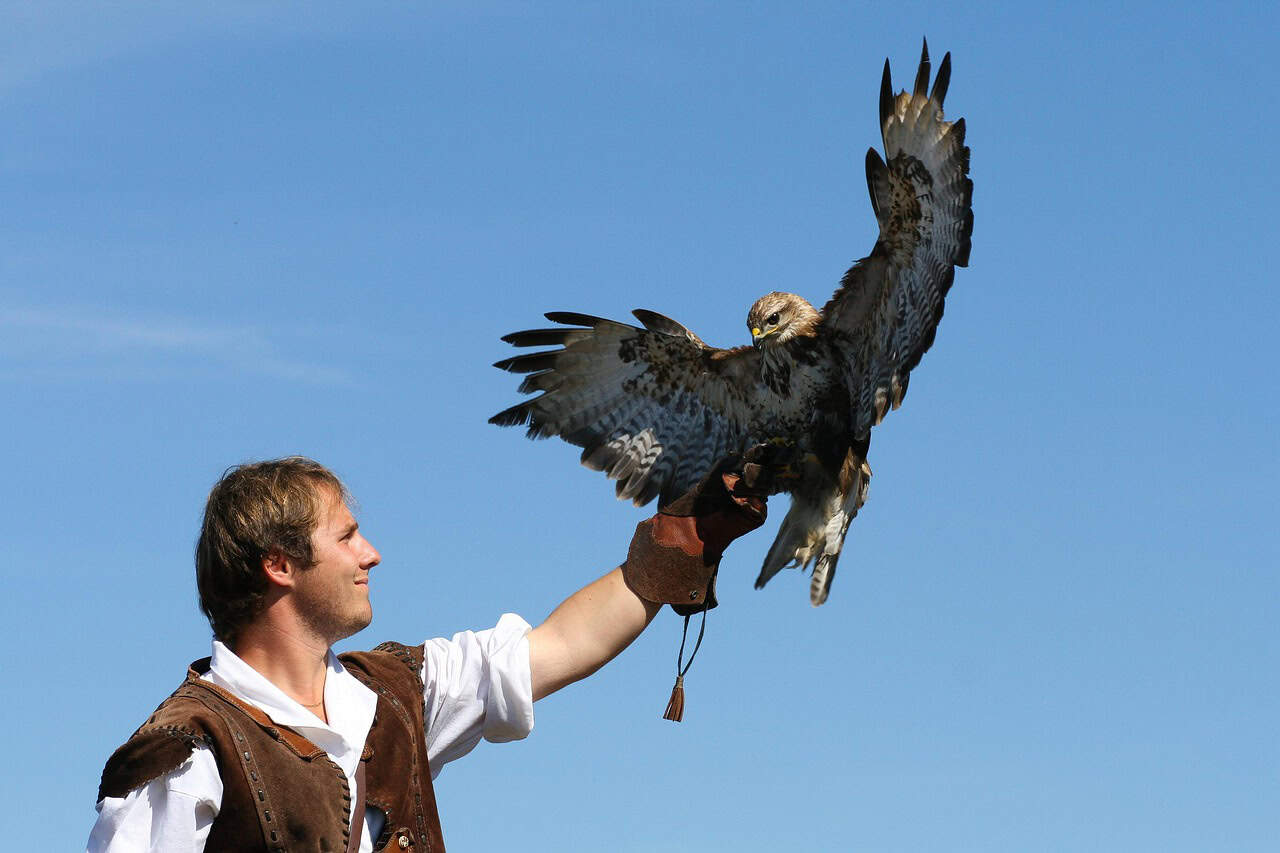
Training birds of prey requires patience, dedication, and a deep understanding of their distinctive behaviours and instincts. As a falconer myself, I have spent countless hours honing my skills to successfully train these magnificent creatures. From building trust to mastering free-flight techniques, there is a wealth of knowledge and techniques that can be applied to ensure a successful training journey. So, if you’ve ever wondered how to establish a strong bond with a bird of prey and unlock their full potential, join me as I reveal the secrets behind this ancient art form.
Requirements To train birds of prey
licensing
Before delving into the hands-on aspects of falconry, it is critical to know the legal framework governing the practice. In many regions, falconry is regulated, requiring an official license to train and keep birds of prey. Acquiring this license typically involves passing a written test, serving an apprenticeship, and demonstrating a environment suitable for housing these raptors. The permitting process aims to ensure that only individuals with proper skills and knowledge can engage in falconry, safeguarding the welfare of the birds and respecting local wildlife regulations.

Set Up Your Bird of Prey’s Environment
Creating an appropriate training area is crucial for the safety and well-being of your raptor. Start by establishing a secure and sizeable outdoor space that will allow your bird to fly and exercise without the risk of injury. The area should be equipped with weatherproof perches and shelter to protect the bird from environmental elements. It is also important to ensure the training space is free from hazards such as toxic plants, unsuitable feed, and predatory animals.
Additionally, the area should be quiet and free from disturbances that could startle the bird and disrupt the training process. Remember to incorporate a variety of perches at different heights and textures to stimulate your bird’s feet and prevent sores. Lastly, the mews, or housing area for the bird, must be designed to be spacious, clean, and secure to encourage a calm and trusting environment for your avian trainee.
Preparing for training
Before beginning the training process, it is important to adequately prepare the bird of prey for the upcoming sessions. This involves several key steps to ensure a successful training experience. Here are some essential aspects to consider:
- Socialization techniques: It is crucial to gradually expose the bird to different environments and situations. Start by keeping it in the house with you during the first week or so. This will help the bird become accustomed to your presence and activity.
- Desensitization to new environments: Gradually introduce the bird to new sounds and stimuli. If you notice signs of agitation or freezing, use a hood to calm it down. This will help the bird become more comfortable and relaxed in various settings.
- Building a bond through positive reinforcement: Establish a strong bond with the bird by using positive reinforcement techniques. Reward desired behaviours with treats or praise, and avoid punishment or negative reinforcement. This will help build trust and cooperation between you and the bird.
- Introduction to basic commands: Begin by teaching the bird basic commands, such as stepping onto a glove or perch. Use consistent verbal cues and gestures to communicate with the bird. Start with easy commands and gradually increase the complexity as the bird progresses.
Trust building
Establishing trust with a bird of prey requires patience, consistency, and a gentle approach to manning. Building trust through positive reinforcement is crucial in developing a strong bond with your bird of prey. By rewarding desired behaviours with treats or praise, you can create a positive association and motivate your bird to continue learning. Establishing a bond with your bird is important, so spend quality time together and engage in activities they enjoy. This will help them feel comfortable and safe in your presence.
Overcoming fear and gaining confidence is another important aspect of trust building. Birds of prey are naturally cautious and may have had negative experiences in the past. It is essential to create a calm and secure environment for them. By using patience and consistency in training, you can gradually help your bird overcome their fears and develop confidence in their abilities.
Each bird has different preferences and personalities, so it is important to tailor your training techniques accordingly. By observing their body language and responding to their cues, you can ensure that their needs are met, creating a stronger bond between you.
Lastly, building trust through mutual respect is essential. Treat your bird with kindness, respect, and understanding. Avoid forceful training methods or punishment, as this can damage the trust you have worked so hard to build. By treating your bird with care and respect, you will strengthen the bond between you and create a relationship based on cooperation and trust.
Perch training
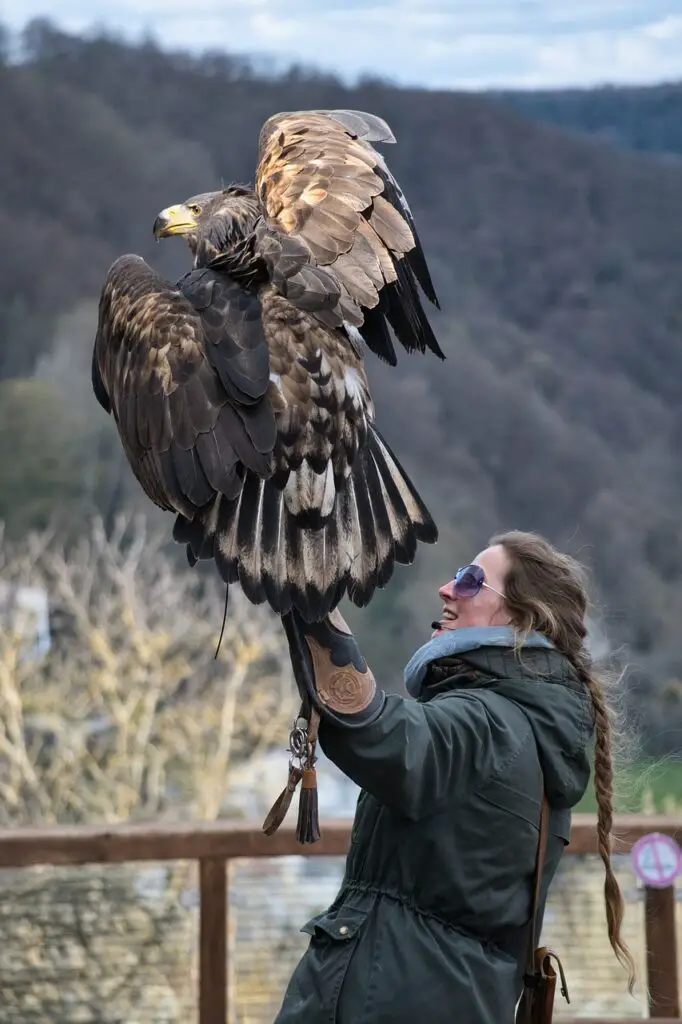
For successful perch training with a bird of prey, it is important to start by selecting the right perch and introducing it gradually to the bird. The perch is an essential tool in training birds of prey, as it provides them with a secure and comfortable place to rest and perch during training sessions. Here is the step-by-step guide I follow for perch training:
Step-by-Step Guide to Teaching Birds of Prey to Perch
- Selecting The Appropriate Perch: Begin by ensuring you have the correct type of perch for your bird of prey. The perch should be sturdy and of the right diameter for your bird’s size to comfortably grip without strain. Use materials that are safe and natural for the bird to avoid any health hazards.
- Familiarization: Allow the bird to see and inspect the new perch at its own pace. Place it within the bird’s environment without forcing interaction, letting the bird become curious and approach it on its terms.
- Placement of The Perch: Introduce the perch to the bird’s regular environment. The perch should be at a comfortable height and located within a secure area where the bird feels safe.
- Encouraging The Bird to Step onto The Perch: Using a treat as motivation, gently coax the bird to step onto the perch. Hold the treat above the perch to incentivize the bird to move towards it. Patience is key during this step.
- Positive Reinforcement: When the bird successfully steps onto the perch, immediately reward it with the treat and verbal praise. Consistent positive reinforcement will help the bird associate the perch with rewards.
- Practising Consistency: Repeat the perching action regularly, using the same command and reward system. Over time, the bird will become comfortable and understand what is expected when you give the command.
- Increasing Duration: Gradually increase the time you expect the bird to stay on the perch before receiving a reward. This will help it build endurance and comfort with being perched.
- Varying The Perch Locations: As the bird becomes more comfortable with perching, introduce perches in various locations to adapt the bird to different settings and to keep the training engaging.
- Adding Distractions: To ensure your bird is well-trained in perching under different circumstances, introduce controlled distractions while it is perched. This can include new sounds, movements, or the presence of other people, helping to reinforce the bird’s confidence.
- Monitoring and Adjusting: Continuously observe the bird’s response to perch training and be prepared to adjust techniques if necessary. The bird’s comfort and safety should always be the priority.
Lure Training
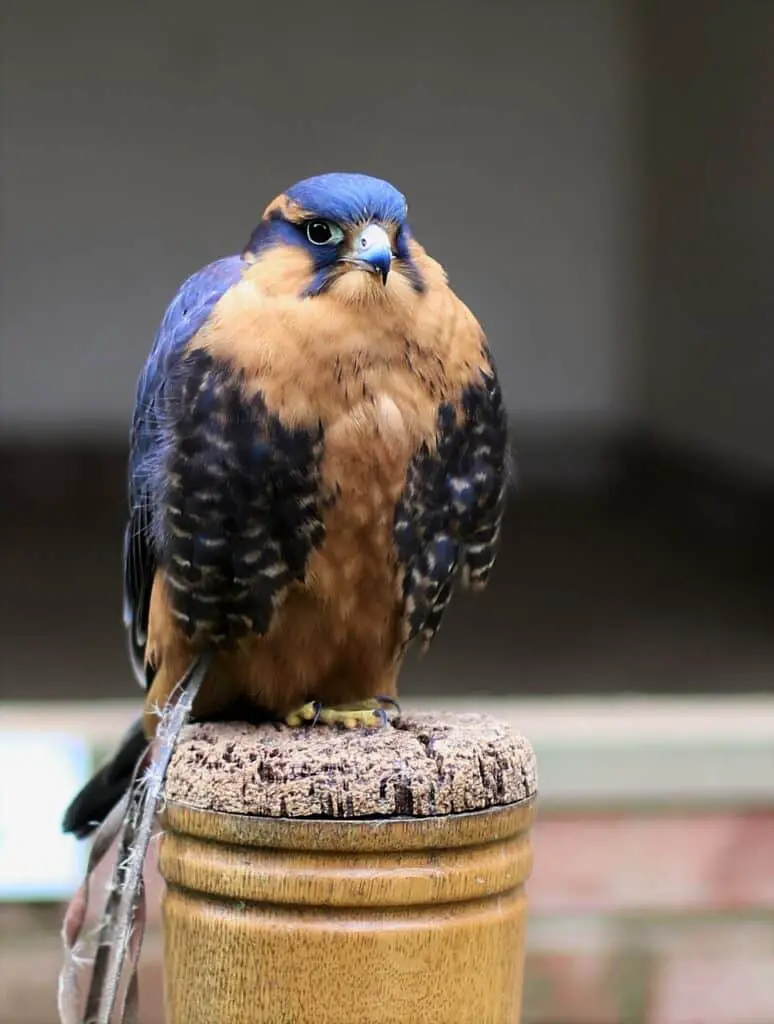
To effectively train birds of prey, incorporating lure training is an essential technique that allows for the development of hunting skills and focus during training sessions. Lure training involves the use of bait or a target to encourage the bird to engage in specific behaviours. The effectiveness of the lure depends on various factors, such as the bird’s motivation, the type of lure used, and the trainer’s ability to time and reinforce the desired behaviour.
- Different types of lures can be used in training, including artificial lures, live prey, or even a training dummy. Each type has advantages and disadvantages, and the choice depends on the bird’s preferences and specific training goals.
- Timing and consistency are crucial in lure training. It is important to present the lure at the right moment to reinforce the desired behaviour effectively. Consistency in using the lure helps the bird understand that certain behaviours lead to rewards, making the training process more efficient.
- Reinforcement techniques play a vital role in lure training. Positive reinforcement, such as rewards or praise, should be used to reinforce the desired behaviour and encourage the bird to repeat it. It is important to find what motivates the bird and use it as a reward during the training sessions.
- Lure training can present challenges, such as distractions or the bird losing interest in the lure. To overcome these challenges, it is essential to gradually increase the difficulty of the training, maintain engagement, and use different reinforcement techniques to keep the bird motivated.
- Advanced lure training techniques can further enhance the birds’ skills and hunting abilities. These techniques may include introducing moving lures or simulating hunting scenarios to mimic real-life situations.
Recall training
Now that the bird has become proficient in lure training, it is time to move on to the next important aspect of training – recall training. Recall training is essential for birds of prey as it ensures that they come back to their handler on command, even in challenging situations. Here is a step-by-step guide to implement when conducting recall training:
Step-by-Step Guide to Recall Training for Birds of Prey
- Building Trust: Before beginning recall training, it’s important to establish a trust bond with the bird. The bird should see you as a provider of positive experiences and rewards.
- Keep the bird weight slightly lower: This process, known as yarak, will keep your raptor motivated for food
- Start Close: Begin recall training at a short distance. Use a tether to limit the bird’s range and call the bird using a distinct command. Reward the bird for looking at you or making any movement towards you with treats.
- Use a Consistent Cue: Develop a unique recall cue that is not used for any other command. This cue could be a whistle, a call, or any distinct sound that is loud and clear.
- Positive Reinforcement: When the bird responds to the cue and returns to you, reward it immediately with its favourite treat. Ensure that the rewards are highly motivating to encourage repeated successful returns.
- Gradually Increase Distance: Slowly increase the distance from which you call the bird back, ensuring successful responses at each new distance before going further.
- Practising Without Tether: Once the bird is reliably returning at closer range, practice without the tether in a controlled and safe environment, continuing to use the recall cue and rewards.
- Adding Distractions: Practice the recall with added distractions in the environment. This helps strengthen the bird’s recall reliability regardless of external factors.
- Vary Environments: Train in different locations to generalize the recall behaviour. The bird should respond to the recall cue regardless of where it is.
- Reducing Rewards: Start to gradually decrease the frequency of treats over time, moving from a continuous reinforcement schedule to an intermittent one while maintaining the strength of the recall.
- Emergency Recall: Always have an emergency recall plan that includes a very high-value reward that is used only in this scenario, making it distinct and especially motivating for the bird.
- Monitoring and Adaptation: Monitor the bird’s response to recall training and be willing to adapt your methods. If the bird struggles to return, take steps back in the training process and build up more gradually.
- Repetition and Consistency: Regular practice and consistency are essential for reinforcing recall training. Turn it into a routine part of your training sessions.
To successfully train a bird of prey in recall, consistency and patience are crucial. It takes time for the bird to understand and respond reliably to the recall command.
Creance training
Step-by-Step Guide to Creance Training for Birds of Prey
- Understanding Creance Training: Begin by understanding that Creance training is the intermediate step between tethered training and free flight. It involves a long line, or ‘creance’, which gives the bird of prey the freedom to fly short distances but still under control.
- Prepare the Creance: Use a lightweight, strong line that is long enough to allow the bird significant flight but not so long that it becomes unmanageable. Attach it securely to the bird’s swivel to ensure the bird’s safety.
- Introduce the Creance: Allow the bird to get accustomed to the feel of the creance by allowing it to walk around on the ground with it attached. This helps the bird to not view the creance as a threat or hindrance.
- First Short Flights: Start with short flights, allowing the bird to fly to a perch or to the glove for a reward. This reinforces the idea that flying with the creance leads to positive outcomes.
- Increasing Distance: Gradually increase the distance of the flights as the bird becomes more comfortable. Ensure each step is fully mastered before moving on to reduce any risk of entanglement or injury.
- Control the Direction: Guide the bird’s flight direction by using the creance. This helps manage the training process and prevents the bird from flying into any hazards.
- Building Strength and Stamina: As the bird’s confidence and strength develop, encourage it to make longer, more powerful flights. This builds the physical condition required for hunting or display flights.
- Adding Height: Begin to encourage the bird to fly from higher perches, using the creance line to balance the need for control with the bird’s natural desire to gain height.
- Reward Placement: Use strategic reward placement to practice different flight patterns and manoeuvres. This helps in simulating realistic hunting scenarios.
- Creance to Free Flight: Once the bird shows full confidence and control while flying on the creance, you can start to consider transitioning to free flight training by first practising in an enclosed area.
- Monitoring Flight Skills: Keep a watchful eye on the bird’s flight skills and stamina. If you notice any signs of fatigue or loss of control, decrease the flight distance again until the bird’s endurance is built up.
- Consistent Commands: Use consistent commands and signals throughout the training to maintain clear communication with your bird. Always end sessions on a positive note to keep the bird’s morale high.
Creance training is a critical stage in a bird of prey’s development that requires patience, attentiveness, and a gradual approach to build up the bird’s skills for free flight.

Freeflight training
Freeflight training is an advanced stage in bird of prey training that focuses on allowing the bird to fly freely while still maintaining control and obedience. This stage requires a strong foundation in basic training and a deep bond between the handler and the bird. It is a thrilling experience to see a bird of prey soaring through the sky, but it is crucial to prioritize safety and take necessary precautions during free-flight training.
Training techniques for free flight involve gradually increasing the distance and duration of the bird’s flights while always ensuring that the bird returns to the handler upon command. Positive reinforcement, such as rewarding the bird with food or praise, is used to reinforce desired behavior.
Safety precautions are of utmost importance in free-flight training. Handlers must carefully choose the right location, taking into account potential hazards such as power lines or dense vegetation. It is essential to have a well-fitted, secure falconry glove to protect the handler’s hand from the bird’s sharp talons, as well as a sturdy leash or creance to ensure control during initial flights.
The progress of free-flight training varies for each bird and requires patience and consistency. It is important to gradually increase the bird’s confidence and trust in the handler’s commands. Bonding with the bird through daily interactions and positive reinforcement strengthens the training relationship and increases the bird’s willingness to return.
Handling challenges, such as distractions or the bird’s desire to explore, may arise during free-flight training. It is crucial to maintain calmness and assertiveness, using consistent training cues and reinforcing a desired behaviour. Building a strong foundation in basic training and continually assessing the bird’s progress is key to successfully navigating these challenges.
Hunting training
After establishing a strong foundation in basic training and successfully navigating the challenges of free flight, it is time to move on to the next stage of training: hunting training. This is an important step in developing the instincts and abilities of birds of prey. Several techniques can be employed to successfully train a bird for hunting.
- Firstly, it is crucial to have the right equipment. Hunting birds require specialized gear such as falconry hoods, jesses, and bells. These tools help in handling and locating the bird during the hunting process.
- Building a bond with the bird is also essential. Spending quality time together, providing positive reinforcement, and establishing trust are all key factors in creating a strong connection that will enhance the training process.
- Handling techniques play a vital role in hunting training. Proper technique ensures the safety of both the bird and the handler. It is important to learn how to handle the bird correctly, from restraining it during feeding to releasing it for hunting.
- Setting training goals is crucial to track progress. Establishing clear objectives helps focus the training sessions and allows for measurable achievements.
Lastly, the training process will inevitably come with challenges. Whether it’s dealing with distractions, adjusting to new environments, or overcoming setbacks, it is important to approach these challenges with patience and perseverance.
How many hours a day should you train birds of prey?
The amount of time spent on training a bird of prey per day varies depending on the individual bird and its current stage of training. As a general rule, short, frequent training sessions are more effective than long, infrequent ones.
For creance and free-flight training, handlers typically start with 15-20 minute sessions every day or every other day, gradually increasing the duration and frequency as the bird becomes more confident and skilled.
For hunting training, the amount of time spent on training also varies. Some handlers prefer to have shorter sessions throughout the day, while others may opt for longer sessions a few times a week.
It is essential to listen to the bird’s cues and adjust training accordingly for optimal results. It is important to prioritize the bird’s well-being and avoid overtraining. Paying attention to its body language, energy levels, and motivation will help determine the appropriate amount of time to spend on training each day. Consistency and patience are key to developing a strong bond and successful training with birds of prey.
In addition, it is important to note that every bird is unique, and the amount of training required may also depend on the individual bird’s personality, skill level, and response to training. It is crucial to assess each bird’s progress and adjust the training accordingly for best results. Ultimately, the goal is to have a happy, healthy, and well-trained bird that can thrive in its natural habitat while maintaining a strong bond with its handler.
In conclusion, falconry training encompasses creance, free-flight, and hunting stages, each demanding patience, consistency, and a strong bond between bird and handler. The ultimate goal is to cultivate a bird of prey that is confident and skilled in flying and hunting, with the assurance that it will return following a hunt or free flight, truly symbolizing the harmony possible between us and these creatures.
Frequently Asked Questions
Is There a Specific Age Requirement for Training Birds of Prey?
- There isn’t a specific age requirement for training birds of prey; however, a minimum of 12 weeks should be adhered to.
How Long Does It Typically Take to Build Trust With a Bird of Prey?
- Building trust with a bird of prey takes time and patience, from a few weeks to months.
Can Perch Training Be Done Indoors, or Does It Require an Outdoor Setting?
- Perch training for birds of prey can be done indoors, but it is important to create a suitable environment. Indoor training offers benefits such as controlled conditions, but outdoor training is necessary for advanced skills.
What Type of Lure Is Most Effective for Training Birds of Prey?
- The most effective lure for training birds of prey depends on the individual bird and its preferences.
Check Out Our Related Articles below:
The Art of Hood Training: A Falconer’s Guide to Building Trust and Calm
Problem-Solving Training with Birds of Prey: Unlocking Your Raptor’s Cognitive Potential