
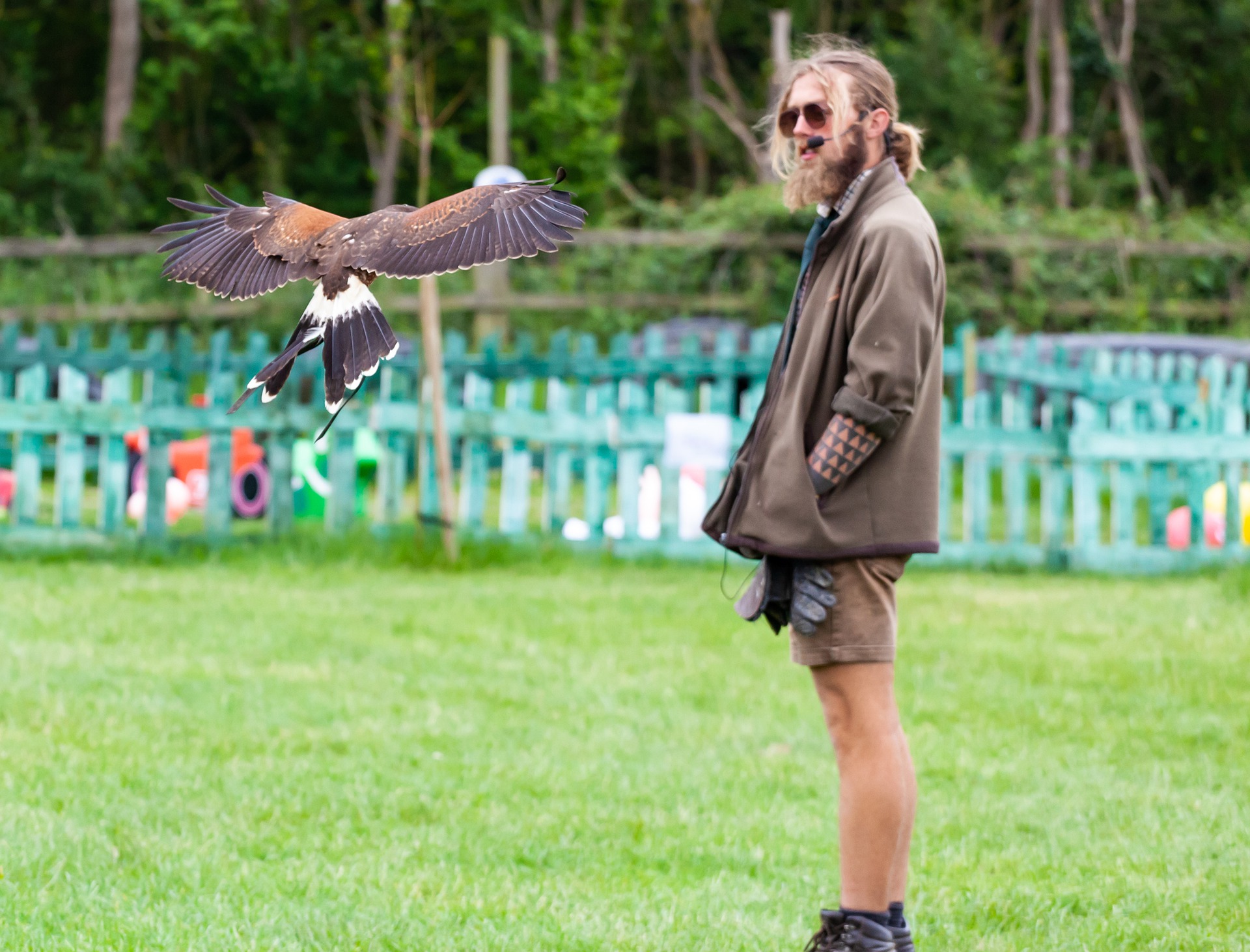
When considering the easiest bird of prey for falconry, the Harris hawk often comes to mind for many falconers. This species, also known as the Harris’s hawk or the bay-winged hawk, is a popular choice among falconers due to its intelligence, adaptability and sociable nature.
What is the easiest bird of prey to train
The Harris hawk stands out as the easiest bird of prey to train for falconry. Its intelligence, social nature, and adaptability make it a top choice for falconers. Unlike many other birds of prey, Harris hawks are known for their ability to work cooperatively with humans and other hawks during hunts. This cooperative behaviour not only makes training more manageable but also enhances the overall falconry experience.
One of the key reasons Harris hawks are easier to train is their high level of intelligence. They can quickly learn and adapt to new commands, making the training process efficient and effective. Additionally, their social nature allows them to form strong bonds with their handlers, leading to better communication and cooperation during flights.

What is the temperament of a Harris hawk?
Having owned and worked with many Harris hawks, I can confidently attest that their exceptional temperament is one of the primary reasons why they are considered the easiest bird of prey to train. Unlike some other species, Harris hawks possess a remarkable adaptability and resilience that sets them apart. They exhibit a laid-back and docile nature, which makes them incredibly easy to handle and work with compared to their counterparts.
Furthermore, their social nature makes them more inclined to cooperate not only with humans but also with other hawks during flights, making them a firm favourite among falconers. They quickly establish strong bonds and display a high level of intelligence and adaptability during training sessions, which allows them to learn new skills and techniques with remarkable speed.
Despite their assertiveness, Harris hawks can also exhibit remarkable gentleness and tolerance, making them particularly suitable for novice falconers who are still honing their skills. Their curious and interactive demeanour further adds to their charm, as they demonstrate an eagerness to explore and engage with their environment and human companions.
How old should a Harris hawk be to begin training?
Typically, a Harris hawk should be at least eight weeks old before beginning formal training for falconry. This age ensures that the bird has reached a level of physical and mental maturity that’s conducive to training. Younger birds may not have developed the necessary skills or attention span required for falconry training.
- Physiological Development: At eight weeks old, a Harris hawk is typically mature, enabling it to handle the demands of training sessions.
- Mental Preparedness: By this age, the hawk has developed the cognitive abilities needed to understand and respond to training cues effectively.
- Behavioural Readiness: Harris Hawks, at eight weeks old, usually establish behavioural patterns that make training more manageable and productive.
- Bonding Potential: At this age, the hawk is more likely to form a strong bond with its handler, a crucial aspect of successful falconry training.
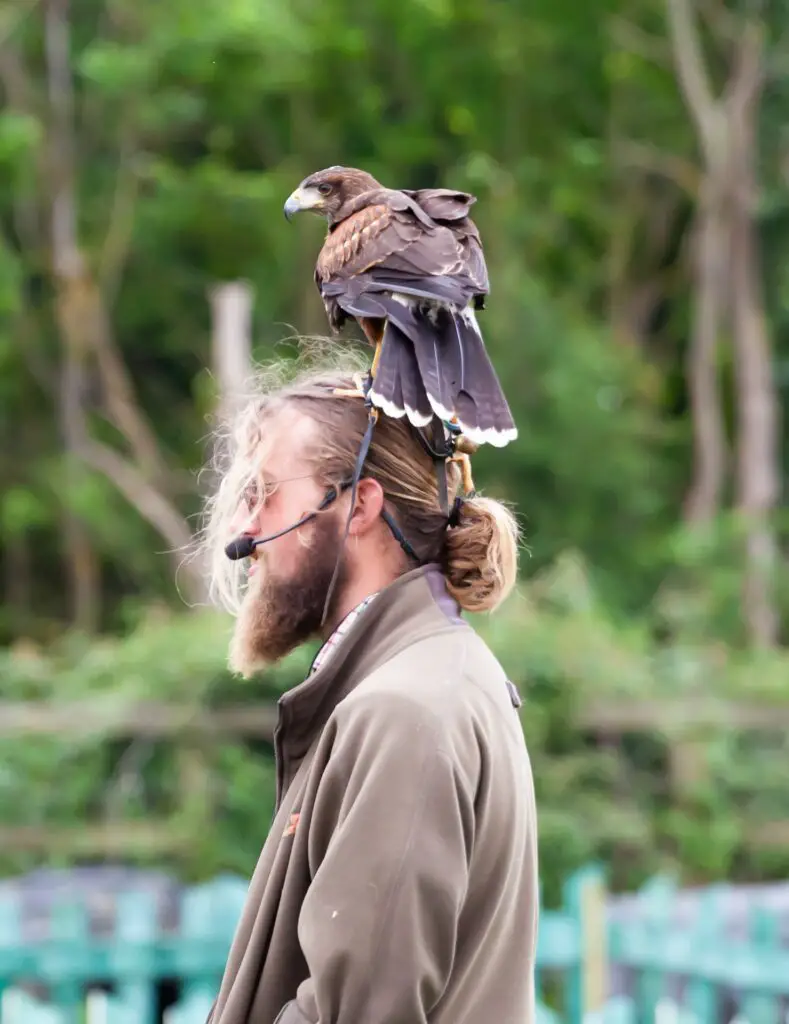
Are Harris Hawks good birds for beginner falconers?
In my personal experience, Harris hawks have proven to be exceptional birds for beginner falconers. Their remarkable characteristics make them particularly well-suited for individuals who are new to the art of falconry. One of the most intriguing aspects of Harris hawks is their unique social structure in the wild. Unlike many other raptors, they exhibit cooperative hunting behaviour, which not only makes them highly responsive to different types of training and handling but also fosters a stronger bond between the falconer and the bird.
Unlike many other raptors, they exhibit cooperative hunting behaviour, which not only makes them highly responsive to training and handling but also fosters a stronger bond between the falconer and the bird. Furthermore, their high level of intelligence enables them to quickly grasp and adapt to falconry techniques, which significantly facilitates the training process for beginners. This adaptability is not limited to their ability to learn various hunting strategies but also extends to their capability to thrive in diverse environments and pursue different types of prey. Such versatility further enhances their suitability for novice falconers, as it allows for a broader range of falconry experiences and opportunities for skill development.
What are the advantages of training a Harris hawk?
Training a Harris hawk has numerous advantages, making it the top choice for many falconers. Some of these advantages include:
- Intelligence and Adaptability: As mentioned earlier, Harris hawks are highly intelligent and adaptable birds, making them quick learners and easy to handle during training sessions.
- Social Nature: The social nature of Harris hawks not only makes them more responsive to training but also fosters a stronger bond between the falconer and the bird, leading to a more fulfilling falconry experience.
- Cooperative Hunting Behaviour: Unlike other birds of prey, Harris hawks exhibit cooperative hunting behaviour. This behaviour not only makes them easier to train for falconry but also enhances their ability to work with humans and other hawks during hunts.
- Versatility: Harris hawks are versatile hunters, capable of pursuing a diverse range of prey and thriving in various environments. This versatility offers falconers a broader range of experiences and opportunities for skill development.
- Suitability for Beginners: With their docile nature and remarkable adaptability, Harris hawks are an excellent choice for beginner falconers who are still honing their skills in the art of falconry. They make for an ideal training bird, helping beginners gain confidence and experience in handling and working with raptors.
- Bonding Potential: The strong bonds that Harris hawks form with their handlers during training not only enhance the falconry experience but also improve communication and cooperation during flights. This aspect is particularly beneficial for beginner falconers, as it allows them to build trust and establish a strong foundation for future training and hunting endeavours.
In conclusion, Harris hawks are exceptional birds for falconry training, especially for beginners. Their unique characteristics, including their laid-back nature, high intelligence, and cooperative behaviour, make them highly responsive to training and easy to handle. Their versatility in hunting and adaptability to different environments further add to their appeal as a top choice for falconers. Overall, training a Harris hawk offers numerous advantages, making it a highly rewarding and fulfilling experience for both the falconer and the bird.
Frequently Asked Questions
How Long Does It Typically Take to Train a Harris Hawk for Falconry?
- Training a Harris hawk for falconry typically takes around 6-8 weeks. It involves daily handling, socialization, and gradually introducing it to equipment like jesses and a hood. The process demands patience, consistency, and a deep understanding of the bird’s behaviour.
What Kind of Diet Is Recommended for a Harris Hawk During Training and in General?
- During training and in general, I recommend a diet rich in lean proteins like quail, mice, and rabbits for Harris Hawks. Supplement with vitamins and minerals as needed. It’s crucial for their health and performance.
Are There Any Common Health Issues That Harris Hawks May Face While in Training?
- During training, common health issues Harris hawks may face include respiratory infections, bumblefoot, and feather mites. Ensuring regular veterinary check-ups, providing proper nutrition, and maintaining a clean environment are crucial in promptly preventing and addressing these conditions.
Can Harris Hawks Be Trained to Hunt Specific Types of Prey, or Do They Have a Natural Preference?
- When training Harris hawks for hunting, understanding their natural prey preferences is crucial. These birds can be taught to target specific prey types through patience and consistent training methods. It’s remarkable to witness their instincts in action.
Check Out Our Related Articles below:
Enhancing Raptor Bonding: Building Trust Through Positive Reinforcement in Falconry
10 Factors About Training in Falconry That Every Falconer Should Know