
Falconry, an ancient art of hunting with birds of prey, has captivated cultures across the globe for thousands of years. From its early beginnings around 2000 BC in Mesopotamia to its evolution as a symbol of status and skill in medieval Europe, falconry has left a deep imprint on human history. This practice has not only been a means of hunting but also a significant cultural tradition, celebrated in literature, festivals, and royal courts.
Across Asia, the Middle East, Europe, and beyond, falconry reflects the enduring bond between humans and the natural world. In this article, we will explore its origins and delve into its cultural significance in regions worldwide, revealing a tradition that continues to thrive even in modern times.

Origins of Falconry
Falconry has a rich history that dates back as early as 2000-4000 BC, with its origins believed to be in China and the Middle East. Archaeological evidence from ancient Mongolia and Egypt also suggests that falconry was practised during these early periods. However, evidence only shows from 2000 BC onwards.
Over time, the art of hunting with birds of prey spread across different cultures, evolving through millennia. This ancient practice, which began as a method of hunting for survival, became a revered sport among nobility and royalty in various parts of the world.
Mongolian Falconry
Mongolian falconry, with roots over 2,000 years old, is deeply intertwined with the nomadic tribes of Central Asia, especially the Kazakhs, who use golden eagles for hunting. This ancient tradition reflects a profound bond between falconers and their birds, characterized by trust and respect.
Techniques have been meticulously passed down through generations, preserving the cultural heritage of this practice. Today, events like the annual Eagle Hunting Festival in Bayan-Ölgii celebrate the skills of these hunters and their majestic birds, showcasing the enduring spirit of falconry amidst Mongolia’s changing landscape.
Arab Falconry
Falconry has deep roots in the Arab world, particularly in the Arabian Peninsula, often considered its cradle since the 7th century. This ancient practice is a vital aspect of Bedouin culture, symbolizing nobility and status. With its diverse landscapes, the Arabian Gulf region nurtured this tradition, allowing it to thrive and become integral to Arab heritage.
Rich literary traditions have celebrated falconry, with Arab poets immortalizing the bond between falconers and their prized birds. The region boasts numerous falconry texts that detail training techniques and hunting practices, reflecting the historical evolution of this art. Countries like the UAE and Saudi Arabia continue to honour and support falconry, blending tradition with modernity and ensuring its legacy endures for future generations.
Korean and Chinese Falconry
Falconry has deep roots in ancient Korean and Chinese cultures. Korean falconry, known as “Jhing-ee,” dates back to the 4th century AD, when it began as an aristocratic pastime. This practice showcased nobility and skill in training birds of prey, evolving into a symbol of honour. In contrast, Chinese falconry, referred to as “Diangu,” was practised by both elites and commoners, reflecting broader cultural acceptance.
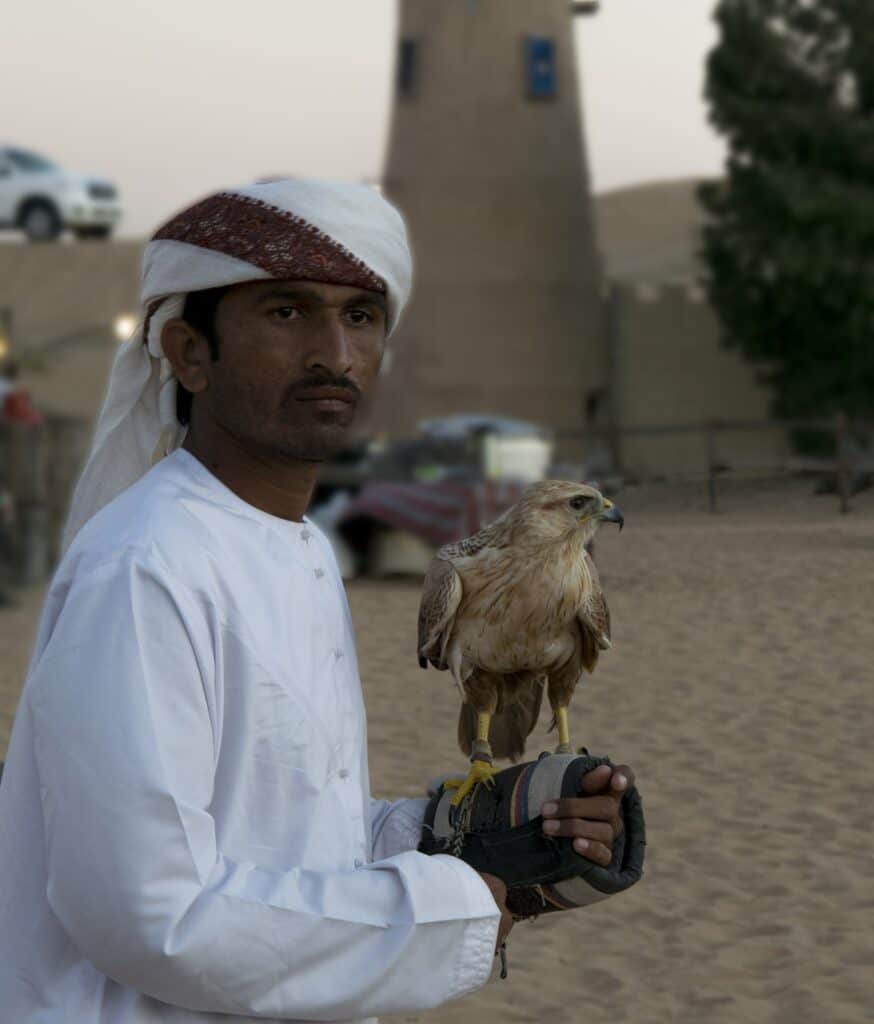
Evidence indicates falconry was practised in China during the Han Dynasty (206 BC – 220 AD), with classic texts highlighting its significance among nobles and emperors. Both traditions profoundly respect nature, showcasing the harmonious relationship between humans and birds. The enduring legacy of falconry in Korea and China emphasizes the importance of preserving these ancient practices for future generations to appreciate and learn from.
Falconry in India
Falconry in India dates back thousands of years (600 BC), rooted in its rich cultural tapestry. In ancient times, it was not just a sport but a significant tradition showcasing the bond between humans and raptors. Falconers trained various birds of prey, particularly falcons and hawks, to assist in hunting game birds, demonstrating both skill and a deep connection with nature.
The Mughal era (1526 – 1857) marked a pinnacle for this art, with emperors like Akbar displaying grand hunting exhibitions with trained birds. Today, the tradition persists in certain communities, especially in Rajasthan, where falconers continue to engage in hunting and sport. This historical practice reflects India’s diverse cultural heritage and the intricate interplay between people and their environment, highlighting a legacy that endures through generations.
Japanese Falconry
Japanese falconry, known as “takagari,” boasts a rich history dating back to prehistoric times, shaped by unique traditions passed down through generations. This ancient art form became distinct around the 8th century, influenced by Chinese practices but evolving uniquely within Japan. Traditionally, trained falcons and hawks were used for hunting, intertwining the practice with Japanese cultural heritage.
During Japan’s Sakoku period (early 17th to mid-19th century), falconry thrived despite the country’s isolation. After this period, it blended traditional techniques with influences from other cultures, further enriching its practices. The samurai class often engaged in falconry, integrating Shinto and Zen Buddhism elements.
Today, the dedication to preserving these ancient methods ensures that Japanese falconry remains an integral part of the country’s cultural tapestry, celebrated for its historical significance and artistry.
Falconry in Iran and Persia
Falconry in Persia, dating back to around 3000 BC, holds a significant place in Iranian history and culture. Esteemed by Persian nobility, falconry was more than just a method of hunting—it symbolized power and prestige. Persian literature often references this ancient practice, showcasing its importance among the elite.
One notable figure in the history of Persian falconry is King Tahmooreth of the Pishdadid dynasty, who is credited with using birds of prey for hunting about 2000 years before Zoroaster, placing falconry’s origins over 8,000 years ago. This longstanding tradition evolved over millennia, particularly thriving during the Islamic period when it was cherished as both a noble pursuit and an art form.
Today, modern falconry in Iran continues to honour these ancient traditions while adapting to contemporary practices, ensuring the legacy of falconry remains an enduring and treasured part of Persian heritage.
Falconry in Turkey
Falconry in Turkey has deep historical roots, dating back to the 14th century during the Ottoman Empire. Influenced by the Seljuk Empire, Turkish falconers became renowned for their skill and dedication. Istanbul, formerly Constantinople, emerged as a vibrant hub for falconry enthusiasts.
Under Sultan Mehmed II, known as Mehmed the Conqueror, falconry flourished as a symbol of status and power. The period saw advancements in equipment and techniques, reflecting the sophistication of the craft. Today, modern practitioners continue to honour these centuries-old traditions, showcasing the enduring significance of falconry within Turkey’s rich cultural heritage.
Russian Falconry
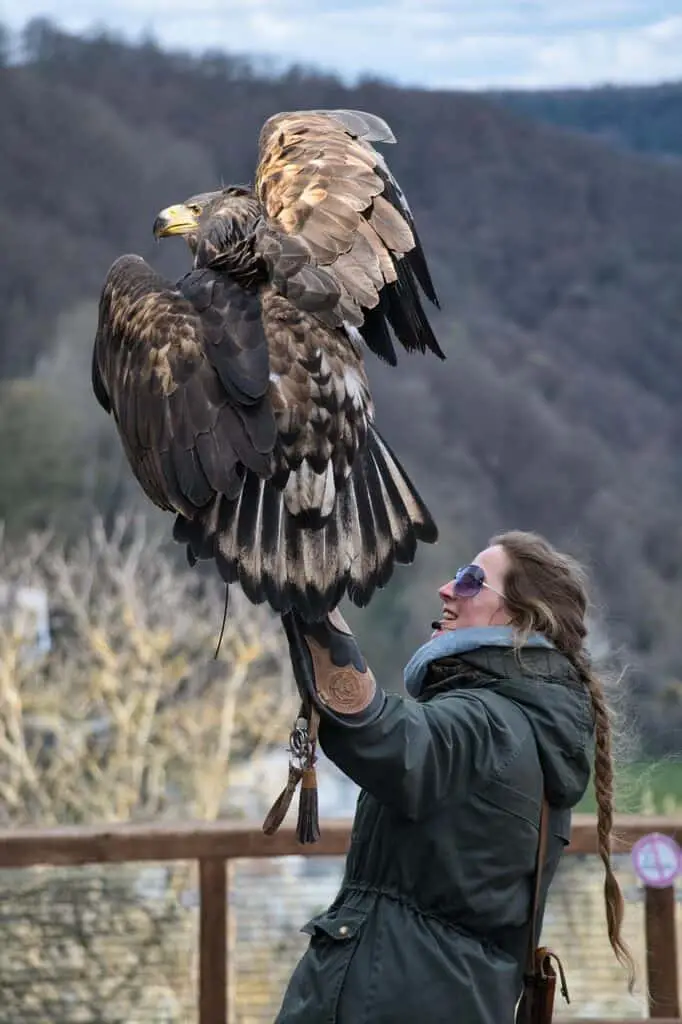
Russian falconry, dating back to the 11th century, has a rich history intertwined with nobility and culture. Initially a sport of the elite, it symbolized status and power in Imperial Russia. Traditional techniques and unique practices distinguished it from other falconry traditions, with meticulous training for hunting showcasing exceptional skill.
While it began among the nobility, this ancient practice also influenced common people, reflecting its widespread significance. Notably, the nomadic Tuvan and Buryat tribes helped revive falconry in remote areas, ensuring the tradition’s survival through centuries. Today, Russian falconry remains a preserved legacy, emphasizing its cultural importance in the avian hunting arts.
Falconry in Georgia
Falconry in Georgia has a long history, dating back to the 5th century. There is a distinct tradition of flying passage sparrowhawks to hunt quail. This practice, deeply rooted in Western Georgia’s culture, has been well documented, particularly in early 19th-century literature, and remains alive today. While sparrowhawks were the bird of choice for the common people, the elite of Eastern Georgia preferred to fly goshawks and falcons, reflecting a division of social customs.
Georgia became the first of the former Soviet states to formally legalize falconry in 1967, cementing its place in the country’s cultural heritage. The town of Poti even features a monument dedicated to the brazier or sparrowhawks. Today, over 500 registered bazieri continue to honour this ancient tradition, preserving its legacy through its ongoing practice.
Falconry in Kazakhstan
Kazakhstan, nestled within the vast steppes of Central Asia, is renowned for its ancient art of falconry, particularly eagle hunting, which has been practised since the 1st and 2nd millennium BC. This tradition is deeply intertwined with the region’s nomadic lifestyle, showcasing the close bond between the Kazakh hunters, known as Berkutchi, and their trained golden eagles.
Falconry is an effective hunting method that emphasizes a spiritual connection with nature and respect for the environment. The vast terrain of Central Asia provided the perfect backdrop for this revered cultural custom, where the skills and companionship between humans and their majestic avian partners continue to endure through generations.
Spanish and Portuguese Falconry
Falconry in Spain and Portugal has deep historical roots, tracing back to the 5th century AD in Spain and gaining momentum in the 15th century in Portugal. Both nations share a rich tradition, with Spanish falconry recognized for its unique techniques and elite status as a symbol of power since the 17th century. This period marked a peak in popularity for falconry in Western Europe, with Spain and Portugal significantly shaping its evolution across the continent.
While Spanish practices reflect diverse landscapes and prey, Portuguese falconry showcases distinct regional variations. These traditions continue to be cherished today, highlighting the enduring legacy of falconry in the Iberian Peninsula and its influence on Western European practices.
Falconry in Belgium
Falconry in Belgium has a rich history, starting in the 12th century before declining until the 17th century. This period marked a massive evolution in the practice, with Belgian falconers refining intricate techniques and equipment. The Club Marie de Bourgogne establishment in 1966 highlights the importance of falconry in Belgium, dedicated to promoting and preserving this art. The association ensures that the historical significance of falconry remains a vital aspect of Belgian culture, continuing the legacy of skilled falconers who shaped the tradition during its peak in the 17th century.
Falconry in the Netherlands
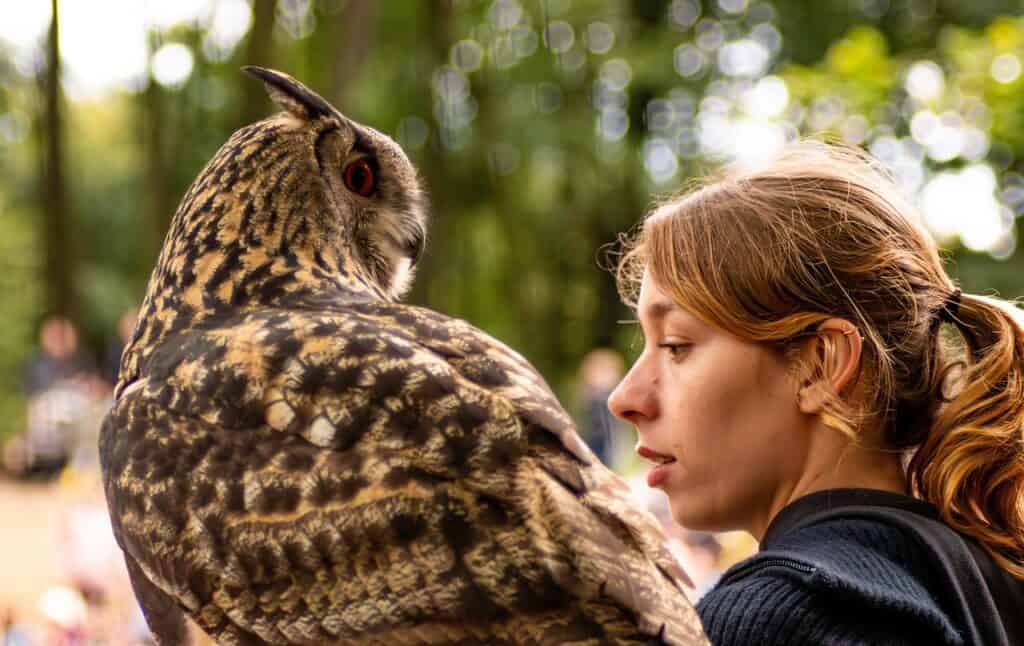
Falconry in the Netherlands traces its origins back to ancient times (11th century), reflecting a rich history intertwined with the country’s cultural heritage. Dutch falconry traditions have evolved over centuries, with notable figures shaping the practice in the region. Prominent figures in Dutch falconry, such as Frank II van Borselen, have contributed immensely to developing and preserving falconry in the country.
Falconry organizations in the Netherlands play a crucial role in promoting the sport, conservation efforts, and education about birds of prey. These organizations provide a platform for enthusiasts to engage in falconry activities, share knowledge, and work towards the protection of raptors. The Dutch falconry community continues to thrive, honouring traditions while adapting to modern practices, ensuring the legacy of falconry in the Netherlands endures for generations to come.
Irish, Scottish and English Falconry
Origins of falconry in Ireland, Scotland, and England can be traced back to the 7th or 8th century, reflecting a deep-rooted connection to the practice among these Celtic lands. In medieval falconry, the British Isles played a significant role in shaping the art of falconry. In Ireland, falconry was practised by nobility and was considered a symbol of status and power.
With its abundance of prey birds, the Irish landscape provided an ideal environment for training falcons and hawks. On the other hand, Scottish falconry was closely intertwined with the royal courts, where falconers were highly esteemed for their skills in training and hunting with birds of prey.
In England, falconry was a sport and a crucial aspect of medieval life. The English royal family and nobility were enthusiastic falconers, and detailed records document their pursuits.
European falconry
European falconry, deeply rooted in the continent’s history, showcases a diverse tapestry of traditions and practices that have evolved over centuries. Falconry in Europe has a rich history dating back to the 5th century, with notable developments in the 17th century across various regions. Italian falconry, known for its elegance and precision, thrived during this period, with falconers honing their skills to perfection.
German falconry, on the other hand, reached its peak between the 500s and 1600s, displaying a deep connection to the land and its wildlife.
Danish falconry, dating back to the 6th century, has a longstanding tradition characterized by a unique approach to training and handling birds of prey. These different European falconry traditions, each with its distinct characteristics and techniques, contributed to the overall tapestry of falconry practices seen on the continent.
Falconry in France
Falconry in France boasts a rich history intertwined with nobility and prestige, peaking in the 17th century as a symbol of elegance. This ancient art form was embraced as early as the 8th century, with Charlemagne as a notable advocate. The Renaissance further popularized the sport among royalty.
To preserve this tradition, the Association Nationale des Fauconniers et Autoursiers Français (ANFA) was established in 1945, fostering connections among falconers and promoting the art’s legacy. Modern practitioners continue to honour this historical significance, ensuring that the traditions of falconry endure for generations to come amidst France’s lush landscapes and cultural tapestry.
Italian Falconry
Italian falconry, with roots tracing back to the 9th-11th centuries, is woven into Italy’s cultural heritage. During the Renaissance, it flourished as a symbol of nobility, with aristocrats like Federico II of Svevia documenting techniques still relevant today. However, changing social structures led to its decline, risking the loss of this cherished tradition. A revival in the early 20th century sparked renewed interest in preserving these ancient practices.
Today, Italian falconry represents a blend of rich history and modern conservation efforts, ensuring that this remarkable art continues to soar across Italy’s skies. Its legacy remains a testament to the enduring relationship between humans and birds of prey.

Falconry in Germany
Falconry in Germany has a rich history dating back to the 5th century. It gained popularity among the nobility in the 16th century. The latter century saw it flourish, with diverse styles practised across various regions, thanks to Germany’s varied landscapes. Falconers trained majestic falcons and powerful eagles, developing unique techniques passed down through generations.
Emperor Frederick II played a pivotal role in advancing the art, authoring the influential “De Arte Venandi cum Avibus.” Today, Germany continues to honour its falconry traditions while incorporating modern practices, maintaining a deep cultural heritage that highlights the bond between humans and birds of prey.
Falconry in Denmark
Falconry in Denmark dates back to the 6th century and is embedded into the nation’s cultural heritage. By the 10th century, it evolved significantly, focusing on hunting game birds and wild game with trained raptors. Danish falconers honed their skills to capture and train birds of prey, fostering a close bond essential for successful hunts across Denmark’s diverse landscapes.
This art form was a means of food procurement and a symbol of nobility and prowess, especially among the Danish elite during the Middle Ages. Historical records show celebration of the tradition, with King Christian IV noted as a prominent practitioner, showcasing the deep-rooted connection between humans and raptors in Denmark’s rich falconry heritage.
Falconry in Iceland and Norway
Falconry in Iceland and Norway, deeply rooted in the cultural fabric of Scandinavia, showcases a rich history intertwined with the region’s landscapes. Practised during the Viking Age in the 8th century, it became a significant activity for nobility, including kings like Harald Hardrada. The rugged terrains of Iceland provided an ideal backdrop for birds of prey, while falconry was both a sport and lifestyle in Norway.
During the medieval period, falconers honed their skills, developing unique techniques for hunting. The historical accounts of falconry in these regions reveal the intricate bond among humans and raptors, emphasizing its vital role in shaping the cultural heritage of Iceland and Norway.
Canadian and Mexican Falconry
One can appreciate the diverse historical contexts that have shaped the practice in these North American regions upon examining the origins of falconry in Canada and Mexico. In the 16th century, falconry found its way into Canada and Mexico, each developing its unique characteristics.
In Canada, the practice was influenced by English translations of falconry texts, introducing new techniques and equipment to the region.
In Mexico, the Asociación Mexicana de Cetrería was formed in the 1940s, significantly promoting and preserving the art of falconry. Influential falconers such as Renz Waller, Kinya Nakajima, and Félix Rodríguez de la Fuente contributed to the growth of falconry in Mexico.
Falconry in the USA
In the early stages of American settlement, the practice of falconry encountered challenges as settlers worked to establish this ancient art form in the new land. Birds of prey, essential to falconry, were present in the wilderness of North America, but the structured art of falconry had yet to take root. Notable instances of falconry in the USA date back to the 17th century when Thomas Morton documented hawks and falconry in New England in 1622. Jan Baptist practised falconry in the Hudson Valley in the 1650s, showcasing early attempts to integrate falconry into American life.
The 20th century saw a resurgence of interest in falconry, with organizations like the American Falconers Association forming in the 1940s and the North American Falconers Association (NAFA), founded in 1961. Early American falconry predominantly used peregrine hawks, reflecting the influence of European falconry traditions. The legacy of falconry in the USA is intertwined with the broader history of the art of falconry, with influences from figures like Marco Polo shaping its development.
Falconry in South Africa
As we shift our focus to the exploration of Falconry in South Africa, we encounter a rich tapestry of history intertwined with the continent’s diverse landscapes and cultures. Falconry in South Africa expanded with colonists during the 16th century, leading to a vibrant tradition.
Thirty-one diurnal raptor species have been flown in South Africa, showcasing the variety of birds used in this ancient practice. Falcons, hawks, and eagles are commonly employed for hunting various game birds and furred quarries in the region. Additionally, the South African Falconry Association, established in 1990, plays a pivotal role in promoting and preserving the heritage of falconry in the country.

Falconry in Central and Eastern Europe
Venturing into the realm of falconry in Central and Eastern Europe unveils a tapestry of ancient traditions interwoven with the diverse landscapes of this region. Falconry in this part of Europe has a rich history dating back centuries, with evidence of its practice found in various medieval texts, artwork, and historical records. The nobility and aristocracy of countries like Hungary, Poland, and the Czech Republic were avid practitioners of falconry, using birds of prey for hunting and sport.
In Central and Eastern Europe, falconry was not just a pastime but a symbol of social status and power. Falcons and hawks were highly valued for their hunting prowess, and falconers were esteemed for their skills in training these majestic birds. The intricate relationship between the falconer and the bird was a sight to behold, showcasing the deep bond forged through training and mutual trust.
As falconry spread throughout Central and Eastern Europe, it left a lasting impact on the cultural heritage of these regions, shaping traditions and customs that are still revered today.
The cultural significance of falconry
With a history spanning thousands of years across various cultures and continents, falconry holds a profound cultural significance that transcends borders and time periods. Falconry is not merely a sport or a hobby; it is deeply rooted in the traditions and histories of societies worldwide. From the nomadic tribes of Mongolia to the royal courts of Europe, falconry has been a symbol of power, prestige, and skill.
In many cultures, falconry was not just a pastime but a way of life, influencing art, literature, and even religious practices. Falcons and hawks were revered for their hunting prowess and their connection to the natural world. The bond between the falconer and the bird symbolized harmony between humans and nature, reflecting a respect for the environment and the creatures within it.
In conclusion, the history of falconry reveals a fascinating tapestry of cultural traditions and deep-rooted connections between humans and birds of prey. From ancient origins in Mongolia to the lush lands of Africa, falconry has transcended time and borders, embodying respect for nature and wildlife.
Interested in learning more about the art of falconry? Please browse through our comprehensive guides, expert tips, and safety advice to get started or deepen your knowledge. Whether you’re a beginner or a seasoned enthusiast, our information will help you master the essentials.
Check Out Our Related Articles below: