
Falconry is an ancient sport with a rich history across cultures and continents. It highlights the unique bond between humans and birds of prey. This practice requires mastering training techniques and respecting these majestic creatures’ natural instincts and behaviours.
From the specialized equipment used to the ethical considerations in conservation, exploring falconry reveals a fascinating mix of tradition and innovation that continues to captivate enthusiasts globally.
Definition of Falconry
Falconry is an ancient and time-honoured practice in which trained birds of prey, such as hawks, falcons, and eagles, are used to hunt wild game. This traditional method leverages the natural instincts and skills of these birds to pursue and capture quarry, which they return to the falconer in exchange for a reward. It is a craft that requires a deep understanding of the birds’ behaviour and the prey they hunt.
The unique partnership between the falconer and their bird of prey is at the core of falconry, built on trust and cooperation. Different birds are chosen depending on the prey and hunting conditions: falcons, renowned for their speed, are used to hunt other birds in flight; hawks excel at catching small mammals on the ground; and eagles, with their immense strength, are suited for larger game.
This centuries-old tradition continues to captivate enthusiasts, combining skill, patience, and a close bond with nature.
History of Falconry
Falconry, dating back to ancient Mesopotamia around 4,000 BC, has a rich history that spans continents and centuries. Initially a method of hunting, falconry evolved into a prestigious sport and status symbol in Europe, where it gained popularity among nobility and aristocracy.
Origins in ancient Mesopotamia (around 2,000 BC)
Dating back to around 2,000 BC in ancient Mesopotamia, using birds of prey for hunting and sport has a rich history linked to many cultures and societies. Falconry, or hawking, was a valued skill in ancient Mesopotamia and was crucial for obtaining food and pelts.
The following list provides insights into the significance of falconry in ancient Mesopotamia:
- Cultural Symbolism: Falcons and other birds of prey were often depicted in Mesopotamian art and literature, symbolizing power, agility, and precision in hunting.
- Royal Pursuit: Falconry was not only a common practice among the general population but was also a favoured pastime of kings and nobility, showcasing their hunting prowess and status.
- Technological Advancements: The ancient Mesopotamians developed innovative techniques for training and handling birds of prey, laying the foundation for the sophisticated falconry practices that would evolve over the centuries.

Spread to Europe
The spread of falconry to Europe marked a significant turning point in the history of this ancient practice, influencing cultures and societies across the continent. Falconry made its way to Europe through various channels, including trade routes, military campaigns, and diplomatic exchanges between different civilizations.
It is believed that falconry reached Europe around 400 AD, with the Byzantine Empire playing a crucial role in its dissemination. The practice quickly gained popularity among European nobility, becoming not only a method of hunting but also a symbol of status and power.
In Europe, falconry underwent further development and refinement, with different regions adapting the practice to suit their specific environments and prey species. The medieval period saw the flourishing of falconry literature and the establishment of falconry as a noble pastime.
European falconers also contributed significantly to the evolution of falconry equipment and techniques, refining the art of training and handling birds of prey. The spread of falconry in Europe laid the foundation for its enduring legacy in Western culture and history.
Historical significance and status symbol
The historical significance of falconry transcends mere utility, encompassing a complex tapestry of sociocultural implications that have woven their way into the fabric of human history. Falconry has served as more than a method of hunting; it has symbolized power, prestige, and nobility across various civilizations throughout the ages.
- Symbol of Royalty: Falcons were highly prized birds, and owning and training them was a privilege reserved for the elite ruling class in many societies.
- Cultural Connection: Falconry was not just a sport but a cultural tradition, with rituals and customs associated with its practice, reflecting different civilization’s values and beliefs.
- Artistic Inspiration: Falconry found its way into literature, art, and even religious symbolism, becoming a subject of fascination and inspiration for poets, painters, and thinkers. This further solidified its status as a symbol of sophistication and refinement.
Through its historical significance as a status symbol and a representation of power and elegance, falconry has left an indelible mark on humanity’s collective consciousness.
Decline due to the advent of firearms
The introduction of firearms marked a pivotal moment in the evolution of falconry. As firearms became popular, falconry’s appeal declined because hunters found guns more convenient for hunting.
Firearms offered better precision and range, making capturing prey easier and quicker than training and using birds of prey. This shift led to fewer people practising falconry, especially among the nobility and elite, who once saw it as a status symbol.
To illustrate the impact of firearms on falconry, consider the following:
| Aspect | Falconry Before Firearms | Falconry After Firearms |
| Hunting efficiency | High | Decreased |
| Popular among nobility | Yes | No |
| Training time required | Extensive | Reduced |
| Connection to tradition | Strong | Weakened |
| Availability of prey | Abundant | Decreased |
This table highlights the key changes that occurred in falconry following the introduction of firearms, underscoring the decline in its practice due to the advancements in hunting technology.

Revival in the late 19th/early 20th century
Following the decline brought about by the widespread adoption of firearms in hunting practices, falconry experienced a remarkable resurgence in the late 19th and early 20th centuries. This revival fueled a growing interest in traditional hunting methods, conservation efforts, and the romanticized portrayal of falconry in literature and art.
Factors Contributing to the Revival of Falconry:
- Conservation Awareness: As people became more conscious of the impact of industrialization on wildlife populations, falconry was viewed as a sustainable and environmentally friendly hunting method.
- Cultural Renaissance: The romanticization of falconry in literature and art, such as in the works of J.R.R. Tolkien and T.H. White, sparked a renewed fascination with this ancient practice.
- Sporting Interest: Falconry gained popularity as a sport among the aristocracy and later with the general public, leading to the establishment of falconry clubs and organizations dedicated to its preservation and promotion.
Birds Used in Falconry
In the intricate art of falconry, practitioners often utilize a variety of bird species to aid in hunting pursuits. Some common species employed include red-tailed hawks, Harris’s hawks, and peregrine falcons. These birds are categorized into broadwings, shortwings, and longwings, each with distinct hunting styles and characteristics that make them suitable for different types of prey.
Common species: Red-tailed hawks, Harris’s hawks, Peregrine falcons
Among the various bird species used in the ancient art of falconry, notable examples include the red-tailed hawk, Harris’s hawk, and peregrine falcon. These birds are highly valued for their exceptional hunting abilities, making them popular choices for apprentice falconers worldwide. Here is a brief overview of each species:
Red-Tailed Hawk (Buteo jamaicensis):
- Known for its distinct red tail feathers, this hawk is versatile and adaptable, thriving in various habitats across North America.
- With keen eyesight and powerful talons, the red-tailed hawk is a skilled hunter, preying on small mammals and birds.
- Their impressive aerial displays and hunting techniques make them a favourite among falconers, showcasing their agility and intelligence.
Harris’s Hawk (Parabuteo unicinctus):
- Recognized for their unique social behaviour, Harris’s hawks are one of the few raptor species that hunt cooperatively in groups.
- Their excellent communication skills and teamwork make them efficient hunters, often taking down larger prey than other raptors.
- Harris’s hawks are highly trainable and form strong bonds with their handlers, demonstrating loyalty and responsiveness in falconry pursuits.
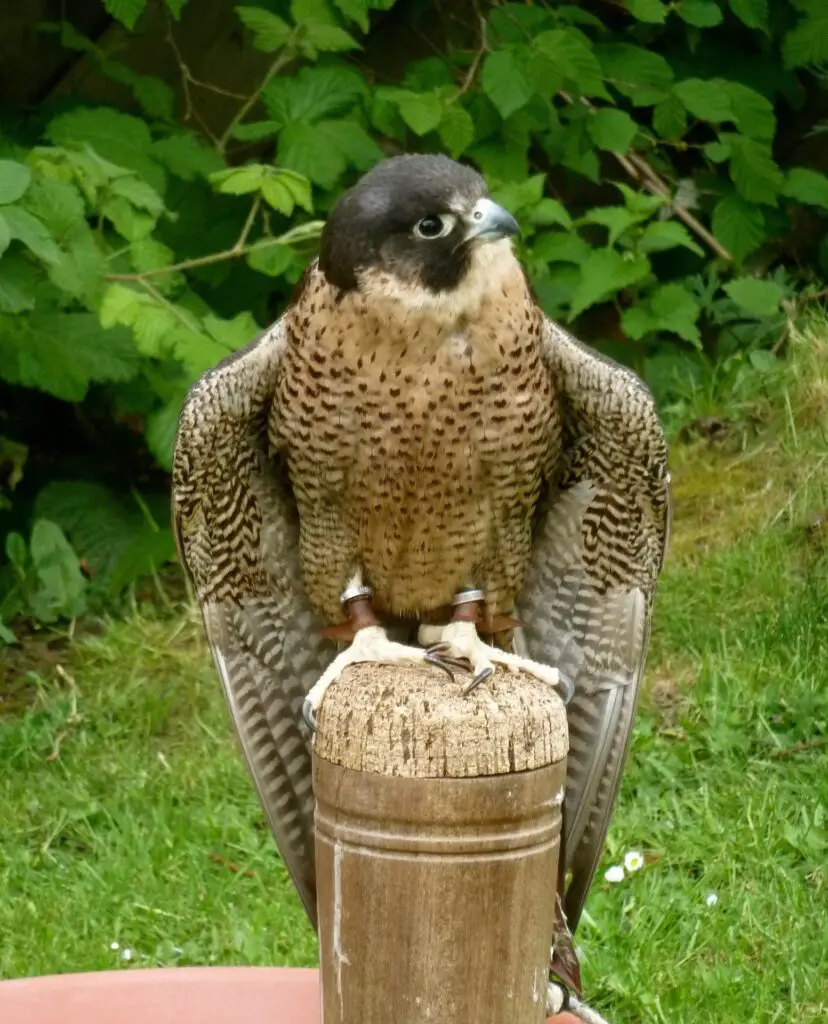
Peregrine Falcon (Falco peregrinus):
- As one of the fastest birds in the world, the peregrine falcon is renowned for its incredible speed and agility during high-speed dives.
- With exceptional manoeuvrability and sharp talons, they specialize in hunting birds mid-flight, making them ideal for aerial pursuits.
- Peregrine falcons have been prized in falconry for centuries, admired for their beauty, grace, and remarkable hunting prowess.
Categories: broadwings, shortwings, longwings
In falconry, birds are categorized based on their wing shapes into three main groups: broadwings, shortwings, and longwings. Broadwings, like red-tailed hawks, are usually larger birds with broad, rounded wings, perfect for soaring.
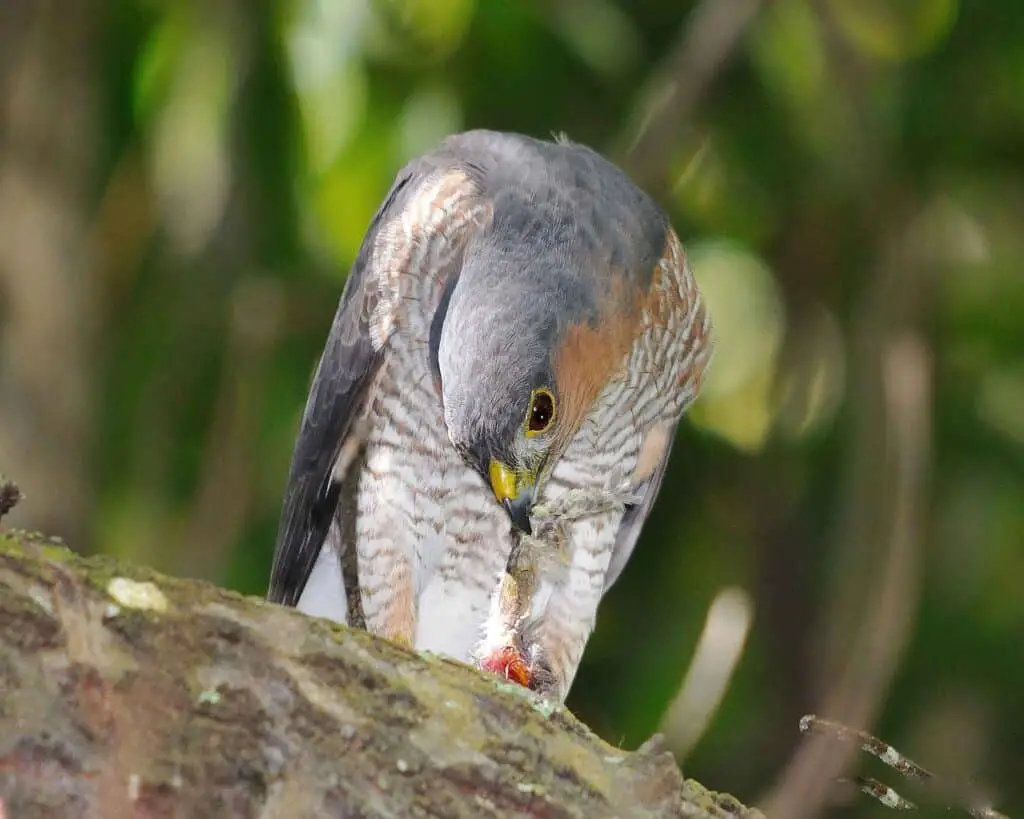
Shortwings, such as Harris’s hawks, have shorter wings that allow them to navigate through dense vegetation quickly while hunting.
Longwings, like peregrine falcons, have long, slender wings designed for high-speed aerial chases. Each group has unique traits that suit different hunting styles and environments.
| Category | Examples |
| Broadwings | Red-tailed hawks |
| Broadwings | Ferruginous hawks |
| Shortwings | Harris’s hawks |
| Shortwings | Goshawks |
| Longwings | Peregrine falcons |
| Longwings | Peregrine falcons |
Modern Falconry
Modern falconry is used for sport, pest control, and conservation. This age-old practice now includes legal regulations to protect both birds of prey and the environment. Falconers are categorized as apprentice, general, and master, depending on their experience, skills, and knowledge in falconry.
Current uses: sport, pest control, conservation
With a history rooted in ancient traditions and practices, falconry has evolved into a multifaceted activity with diverse applications in today’s world. Modern falconry serves various purposes, such as sport, pest control, and conservation efforts.
- Sport: Falconry is widely practised as a competitive sport, where falconers showcase the skills of their birds in hunting competitions. This aspect highlights the bond between the falconer and the bird and celebrates the prowess of these magnificent creatures in action.
- Pest Control: Falcons and other birds of prey are employed for pest control in various settings such as farms, airports, and vineyards. Their natural hunting instincts make them effective at controlling populations of pests like rodents and birds that can cause significant damage to crops and property.
- Conservation: Falconry contributes to conservation efforts by raising awareness about birds of prey and their habitats. Falconers often participate in breeding programs and rehabilitation efforts to support the conservation of endangered species and their ecosystems.
Legal requirements and regulations
In modern falconry, practitioners must follow a detailed set of legal requirements and regulations that ensure the ethical and responsible treatment of birds of prey. Falconry is closely regulated because of its potential effects on wildlife and the environment. These regulations differ by country and region but mainly emphasize bird welfare, conservation efforts, and the skills of falconers.

Below is a table of common legal requirements and regulations that falconers must follow:
| Legal Requirement/Regulation | Description |
| Licensing | Falconers must obtain a license to practice falconry, demonstrating knowledge and experience. |
| Permit for Bird Possession | Permit is required to keep a bird of prey and ensure proper care and housing. |
| Hunting Regulations | Guidelines on where, when, and what species can be hunted with birds of prey. |
| Reporting Obligations | Reporting Obligations | Falconers may need to report activities like hunting successes or bird health status. |
| Welfare Standards for Birds of Prey | Regulations on bird housing, training methods, and overall welfare to ensure proper care. |
Adhering to these legal requirements is crucial for conserving birds of prey and continuing falconry as a sustainable practice.
Falconry classifications (apprentice, general, master)
Falconry, a centuries-old tradition rooted in the art of training birds of prey for hunting, is structured around a hierarchical system of classifications denoting practitioners’ skill and experience levels. This classification system is crucial for ensuring the birds’ welfare and preserving falconry as a sustainable practice.
The three main classifications in falconry are as follows:
- Apprentice: This entry-level classification is for individuals who are new to falconry and are still learning the basics of handling and training birds of prey under the supervision of a more experienced falconer. Apprentices are required to demonstrate their commitment to the art and their ability to care for and work with raptors.
- General: The general classification signifies a more experienced level of proficiency in falconry. General falconers have demonstrated a solid understanding of raptor behaviour, training techniques, and hunting practices.
- Master: The master classification is the highest level in falconry, reserved for individuals who have extensive experience, knowledge, and skill in all aspects of falconry. Masters are often recognized as experts in the field and may take on apprentices to pass on their expertise.
Common falconry terms
Exploring the world of falconry entails immersing oneself in a realm rich with specialized terminology and equipment that are integral to the practice. Understanding common falconry terms is crucial for effective communication and successful falconry endeavours. Key terms include:
- Mews: A falconry facility where birds of prey are housed and cared for.
- Eyas: A young falcon taken from the nest for training.
- Aylmer anklets: Leather straps are worn around a bird’s legs to attach jesses and bells.
- Casting: The process of regurgitation by a bird of prey to expel indigestible parts of its prey.
- Creance: A long cord used during training to prevent a bird from flying off.
- Mantling: The behaviour of a bird covering its food to protect it from others.
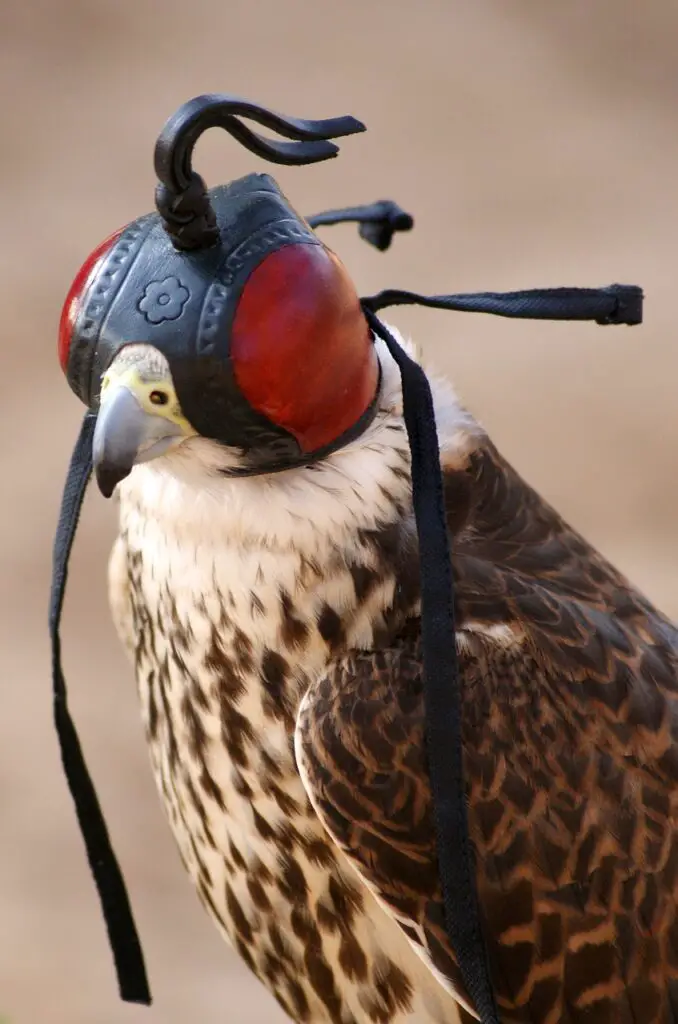
- Hoodwink: To cover a bird’s eyes with a hood to keep it calm during transport.
Mastering these terms enhances a falconer’s ability to communicate effectively with others in the falconry community and deepen their understanding of this ancient sport.
Conservation and Education
Falconry plays a crucial role in raptor conservation efforts by promoting the protection and preservation of birds of prey and their habitats. Educational programs organized by falconers help raise public awareness about the importance of raptor conservation, providing valuable insights into the significance of these majestic birds in the ecosystem.
Through these initiatives, falconry enthusiasts contribute to the broader conservation goals and inspire others to appreciate and protect these magnificent creatures.
Role of falconry in raptor conservation
Here are three key ways in which falconry contributes to raptor conservation:
- Rehabilitation and Release Programs: Falconers often work closely with wildlife rehabilitation centres to rehabilitate injured or orphaned raptors, preparing them for release back into the wild. These birds can regain their strength and hunting skills through falconry techniques before being returned to their natural habitats.
- Research and Monitoring: Falconers contribute valuable data to scientific research by tracking the movements and behaviours of raptors in the wild. This information helps conservationists better understand raptor populations, migration patterns, and habitat preferences, leading to more informed conservation strategies.
- Public Awareness and Education: Falconers serve as ambassadors for raptor conservation, educating the public about the importance of these birds in the ecosystem. By showcasing the beauty and intelligence of raptors through falconry demonstrations, awareness is raised, fostering a greater appreciation for these magnificent birds and the need to protect them.
Educational programs and public awareness
Educational programs and public awareness play a critical role in furthering the conservation efforts surrounding raptor species. These initiatives are instrumental in raising awareness about the importance of preserving these magnificent birds of prey and their habitats.
By educating the public about the ecological significance of raptors and the threats they face, these programs help foster a sense of responsibility towards their protection.
Public awareness campaigns often highlight the impact of human activities, such as habitat destruction, pollution, and illegal hunting, on raptor populations. Through workshops, school programs, and community events, individuals are informed about raptors’ crucial role in maintaining a balanced ecosystem.
These educational efforts aim to instil a sense of appreciation for these birds and promote actions that contribute to their conservation.
Furthermore, educational programs provide opportunities for the public to engage directly with raptors, fostering a deeper connection and understanding of these birds.
Promoting empathy and respect for raptors contributes to the conservation efforts aimed at safeguarding these majestic creatures for future generations.
Becoming a Falconer
Embarking on the journey to become a falconer requires individuals to meet specific requirements and make a significant commitment to the art and practice of falconry. Prospective falconers must navigate through an apprenticeship process under the guidance of experienced falconers, learning essential skills and knowledge. Once licensed, falconers bear ongoing responsibilities that include the care, training, and welfare of their birds of prey.
Requirements and commitment
For individuals considering becoming falconers, it is essential to understand the significant requirements and level of commitment involved in this sport. Falconry demands dedication, time, and resources to ensure the welfare of the birds and the success of the partnership between the falconer and the bird of prey.
Requirements and Commitment:
- Legal Permits: Falconry is regulated in most countries, requiring aspiring falconers to obtain the necessary permits and licenses to practice this art legally.
- Training and Knowledge: Prospective falconers need to undergo comprehensive training to understand raptor behaviour, handling techniques, and health care practices to ensure the well-being of their birds.
- Time and Resources: Falconry is a time-intensive activity that demands daily attention to the birds’ needs, exercise, and hunting sessions. Additionally, financial resources are required for equipment, food, veterinary care, and suitable housing for the birds.
Understanding and meeting these requirements are crucial steps for individuals interested in pursuing falconry and building a strong and ethical relationship with their avian partners.
Apprenticeship process
The apprenticeship process for aspiring falconers is a structured and rigorous journey that pivots in shaping their understanding and proficiency in the art of falconry. This process typically involves finding an experienced falconer who is willing to mentor the apprentice. The mentor imparts knowledge on various aspects such as bird training, handling, health care, and hunting techniques.
During the apprenticeship, individuals learn about different bird species, their behaviour, and their habitat preferences. They also gain hands-on experience in feeding, training, and flying the birds. Understanding the ethical considerations and legal regulations surrounding falconry is also essential to the apprenticeship.
Apprentices are expected to demonstrate dedication, patience, and a genuine passion for the sport. Progression through the levels of apprenticeship is often contingent upon passing written exams and practical assessments and showing a commitment to the well-being of the birds. This structured learning process ensures that aspiring falconers develop the necessary skills and knowledge to become responsible and proficient practitioners of this ancient art.
Conclusion
In conclusion, falconry is a time-honored practice that involves the training of birds of prey for hunting purposes. With its rich history, diverse range of bird species used, and intricate training techniques, falconry continues to captivate enthusiasts and serve important roles in modern applications such as pest control and conservation efforts. Aspiring falconers can embark on a journey of learning and dedication to become skilled practitioners of this ancient art.
Fascinated by the ancient art of falconry? There’s so much more to uncover! From training techniques to conservation efforts, dive deeper into the world of birds of prey and their remarkable bond with humans. Explore more on how to get started in falconry now.
Read More on Our Related Topics below